

Pad Foot Mahogany Table
A pad foot mahogany table brings the warmth of eighteenth-century timber and the curved grace of cabriole supports straight into a modern interior.
Pad Foot Mahogany Table
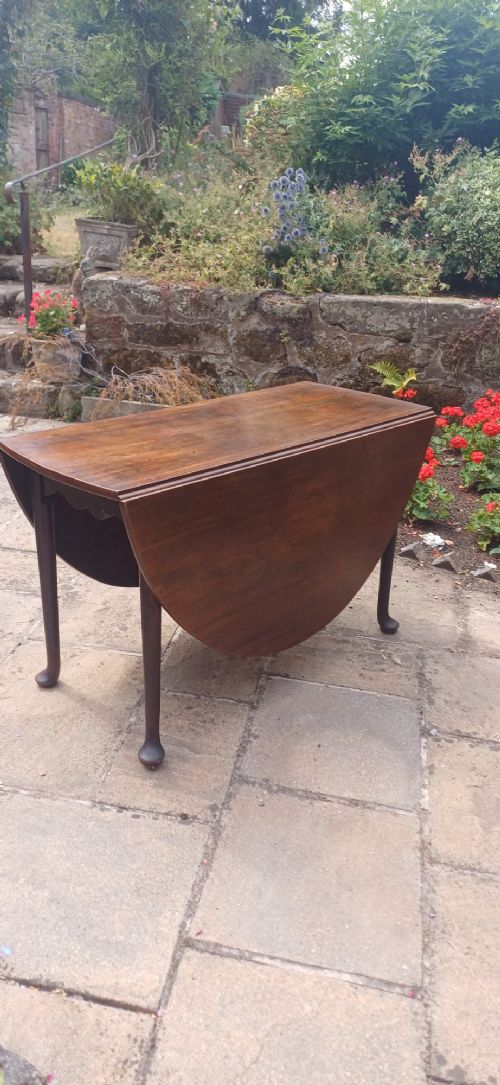
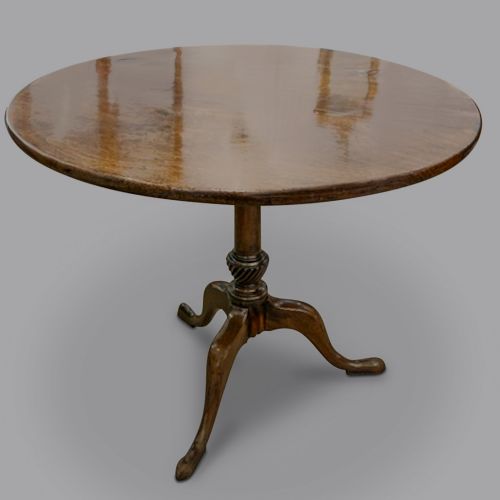
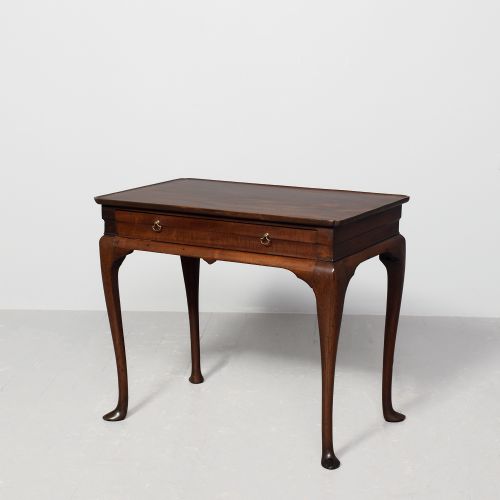
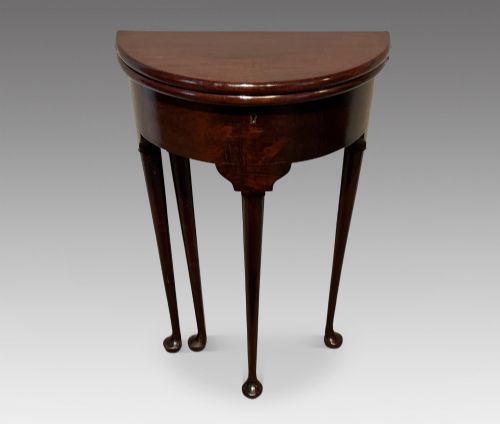
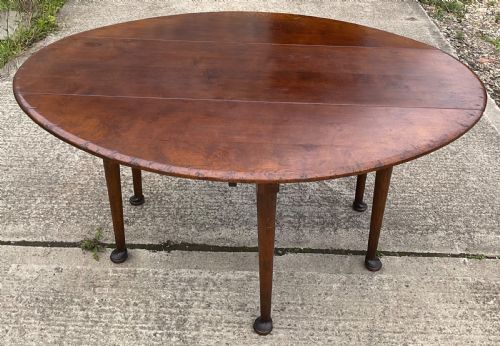
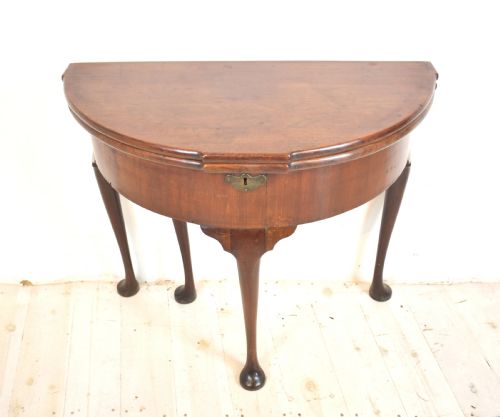
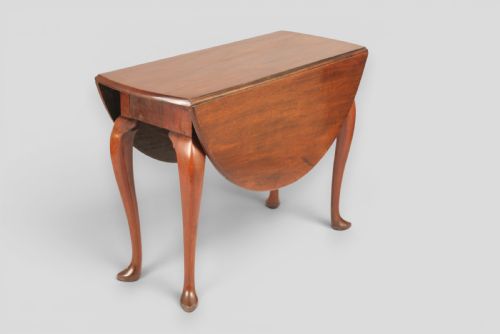
A pad foot mahogany table primarily takes the form of a drop-leaf dining table, an occasional piece, or a tea table dating from the Georgian era. These items were designed for flexible domestic use, featuring hinged leaves that allowed them to be tucked against walls when not in use.
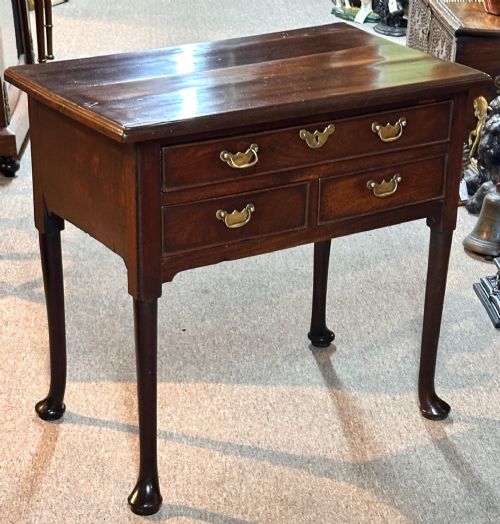
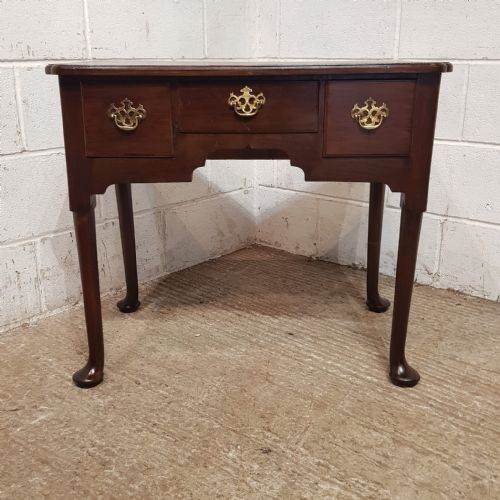
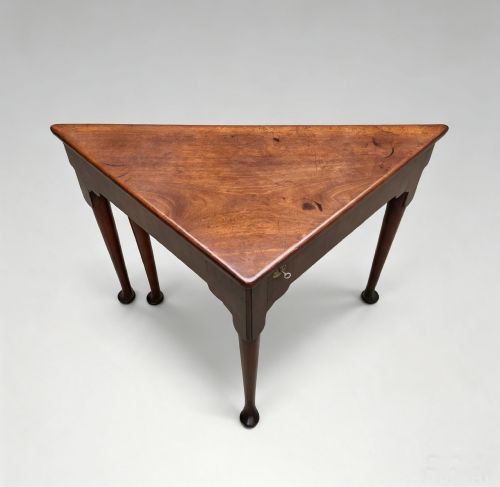
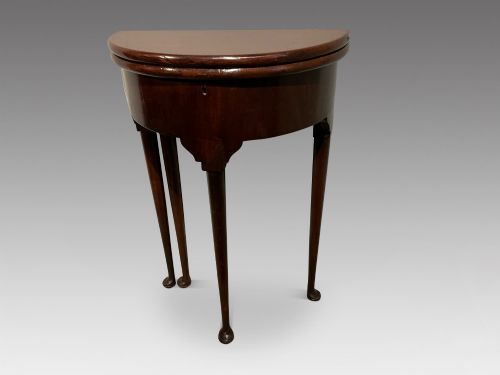
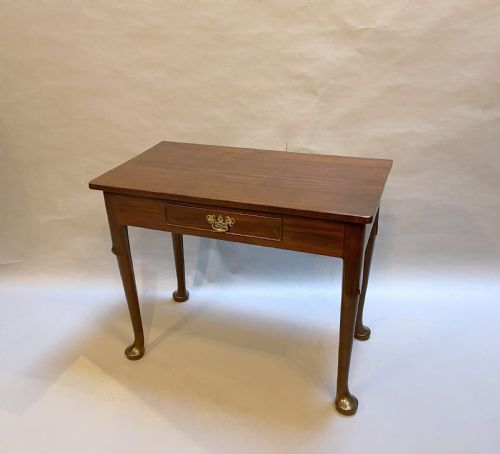
The phrase also covers lowboys, card tables, and gateleg variants spanning the early eighteenth century into the nineteenth century. Examples range from small triangular corner tea tables to larger multi-seater dining formats resting on distinct rounded feet.
How they were made
Joiners built these items using solid mahogany and figured timber, sometimes incorporating Cuban mahogany for denser grain patterns and deeper colour. Structural elements relied on pegged joints, clever concertina actions for card tables, and hinged wooden gates to support folding leaves.
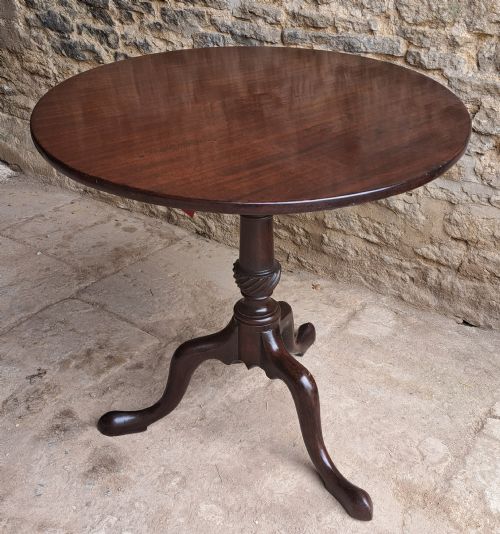
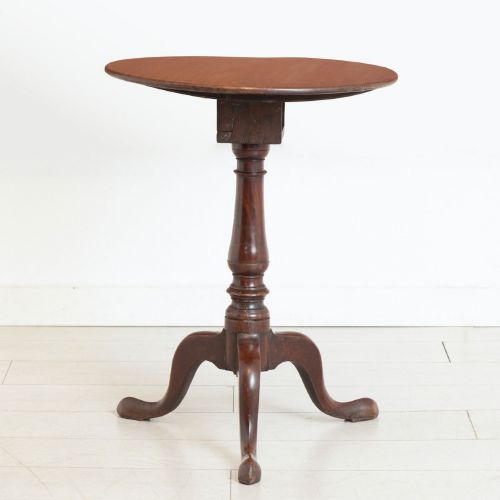
Legs were shaped into smooth cabriole curves that terminated in rounded pad feet, occasionally accented with carved details. Surfaces were finished to highlight the natural grain and aged patina of the wood.
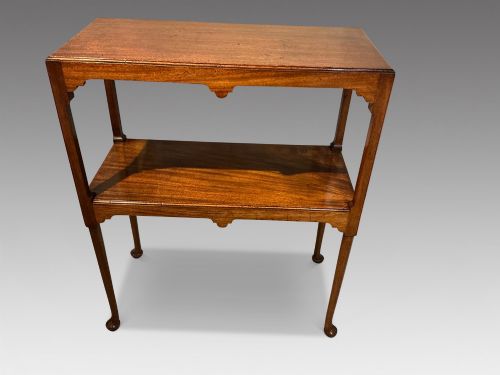
Common forms recorded across the archive include drop-leaf dining tables, lowboys, card tables, tripod tables, and demi lune tea tables.
What varies in quality
Quality rests in the selection of the timber, particularly the presence of striking figure in the mahogany and the original depth of the faded patina. Tables boasting substantial solid timber planks rather than thin veneers command greater appreciation.
Proportion and the crispness of the cabriole leg execution define the better examples. A well-proportioned frame with balanced pad feet demonstrates superior cabinet-making over standard utility pieces.
The Pad Foot Mahogany Table Glossary
- Pad foot
- A simple, rounded foot resting flat on the floor at the base of a cabriole leg. It is characteristic of early eighteenth-century furniture design.
- Drop-leaf
- A table configuration featuring a stationary centre section and movable flaps supported by swing legs. This allowed users to alter the surface area easily.
- Gateleg
- A table with hinged legs that swing out like a gate to support drop leaves when raised. This construction provides robust support for dining surfaces.
- Cabriole
- A furniture leg that curves out gracefully and tapers down to a foot, inspired by animal limbs. It represents a defining silhouette of the Georgian period.
- Lowboy
- A small kneehole dressing table or side table fitted with drawers. These practical items often share the same cabriole leg and pad foot design as larger dining tables.
Pad Foot Mahogany Table: Frequently Asked Questions
Were these tables used for dining?
Many of the larger drop-leaf and gateleg versions served as everyday dining surfaces in Georgian homes. Their folding leaves made them practical for multi-use rooms.
Smaller variants functioned as tea tables, side tables, or games tables for card playing.
What is Cuban mahogany?
Cuban mahogany is a dense, heavy timber sourced from the Caribbean during the colonial period. It was prized for its rich, dark colour and dramatic grain patterns.
Cabinet-makers utilised this material for high-status furniture throughout the eighteenth century.
How do I care for a antique mahogany surface?
Keep wooden surfaces away from direct sunlight and steady heat sources to prevent the timber from drying out. Routine dusting with a soft cloth maintains the natural finish.
Avoid harsh chemical polishes that can degrade the historic patina over time.