
Dark Brown Credenza
A dark brown credenza brings serious weight and rich tone to a room, offering deep timbers and substantial storage through generations of craftsmanship.
Dark Brown Credenza
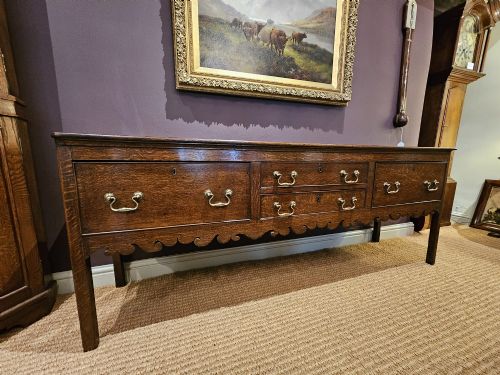
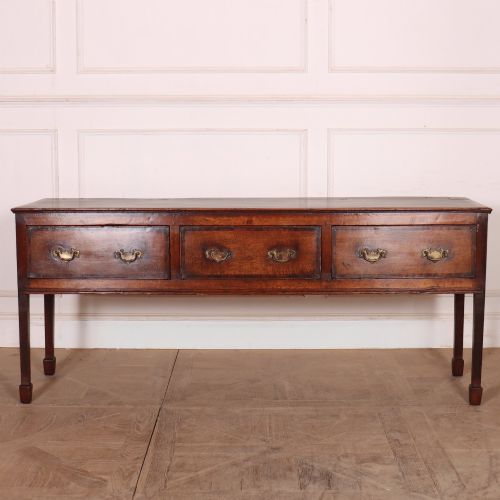
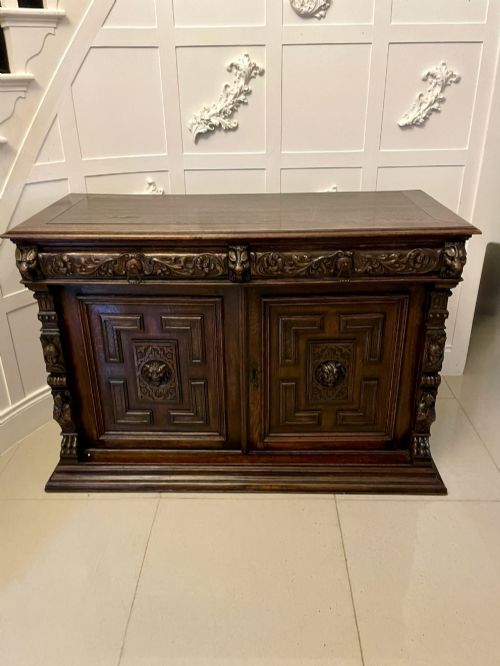
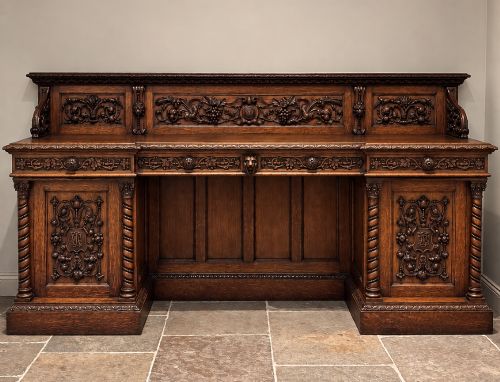
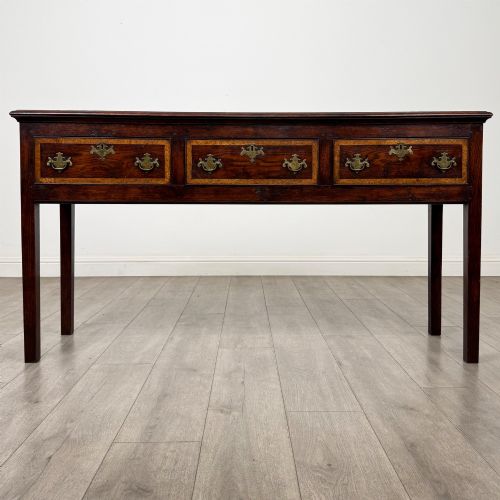
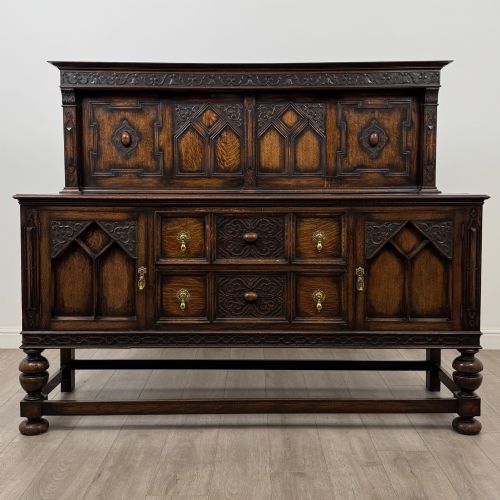
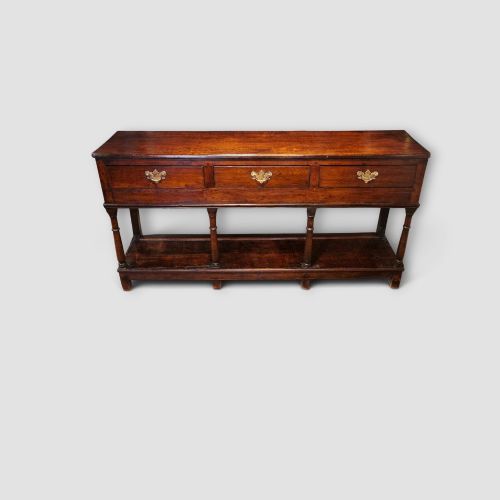
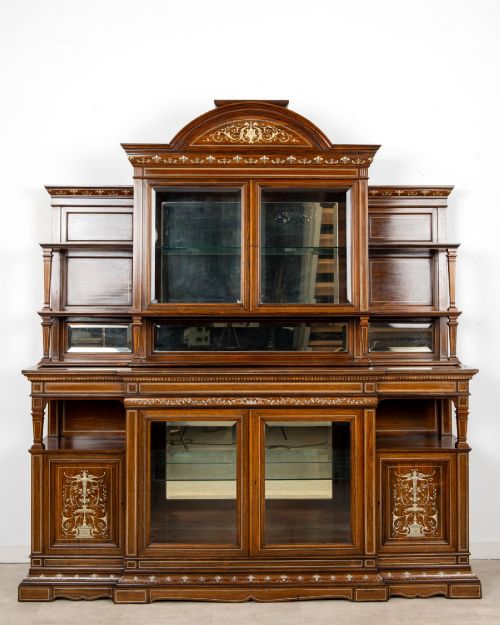
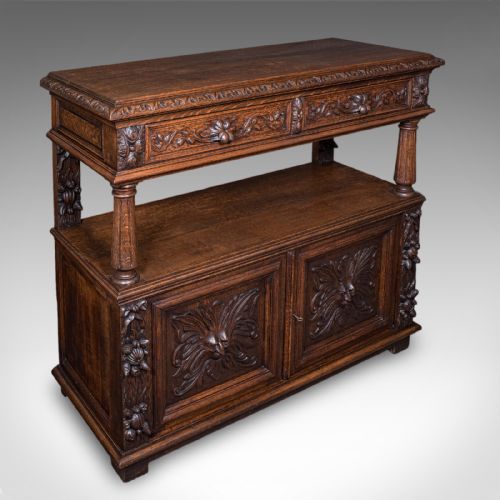
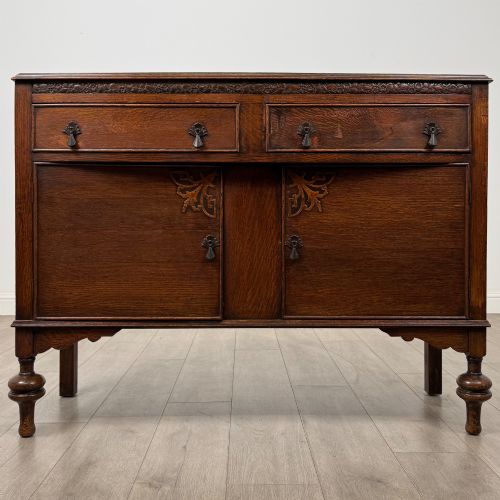
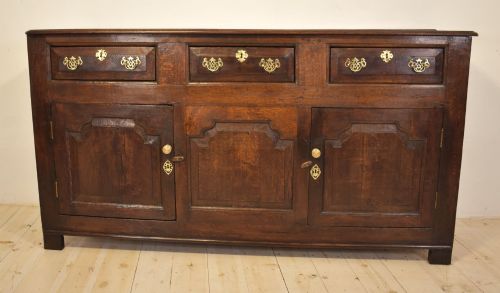
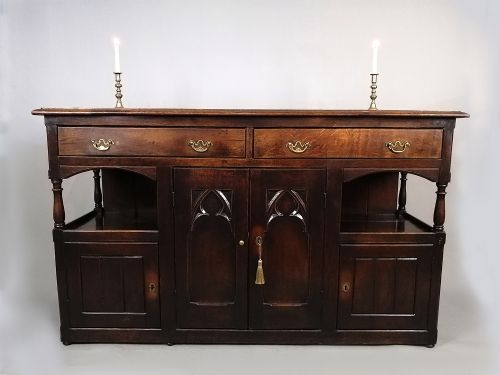
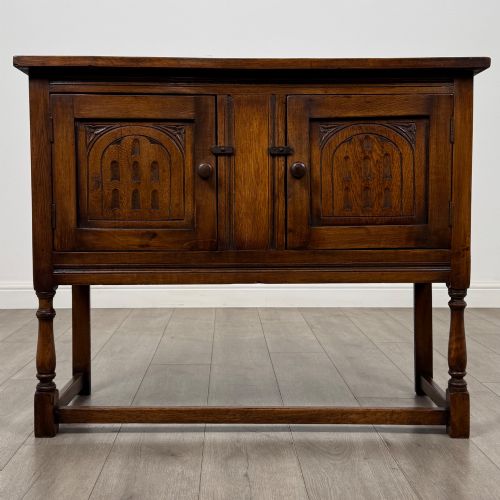
When searching for a dark brown credenza, buyers encounter a robust variety of substantial storage furniture built from deep-toned timbers. The selection spans centuries of cabinetmaking, featuring forms traditionally classified as sideboards, dresser bases, chiffoniers, and side cabinets.
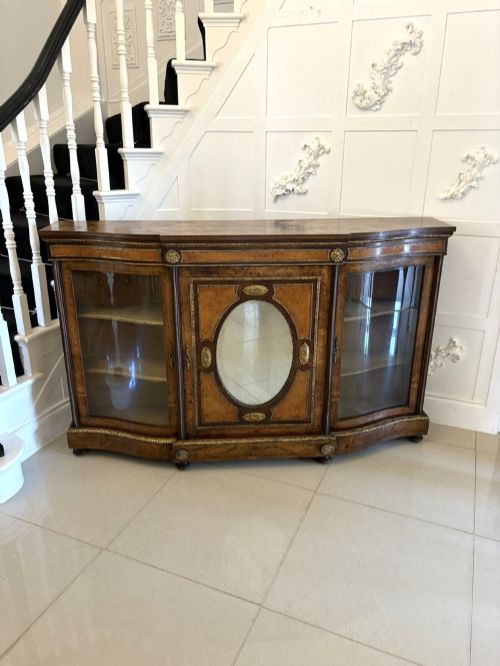
The pieces appearing on this page draw heavily from 18th-century, 19th-century, and Edwardian periods. Oak forms the backbone of these listings, accompanied by rich mahogany, burr walnut, and rosewood.
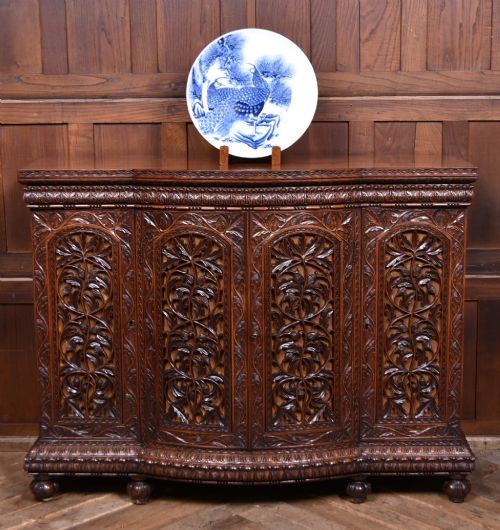
Stylistic influences range widely across these examples. Georgian proportion, Victorian carving, Jacobean revival details, and Gothic taste elements all contribute to the dark brown credenza aesthetic.
Materials and construction
Cabinetmakers relied on dense hardwoods such as oak, mahogany, rosewood, and padouk to build these dark brown credenza pieces. These timbers provided the natural strength needed for heavy daily use while accepting deep polishes and patinas.
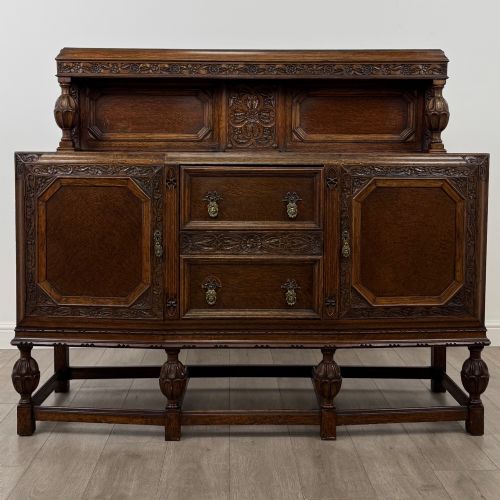
Surface ornamentation involved skilled carving, figured wood veneers like burr walnut, and applied brass mounts. Selected pieces also integrated glass doors and mirror panels to balance the heavy timber frames.
Several centuries of cabinetmakers clearly agreed that dinner parties simply cannot function without a very large brown box to hide the cutlery.
Factors of quality
Quality in a dark brown credenza rests on the selection of timber and the precision of the joinery. Dense, heavily figured woods like burr walnut or well-figured mahogany indicate superior material choice.
The depth and crispness of hand-carved details separate standard production from exceptional work. Integrated decorative elements, such as brass mounts or specialised hardware, further distinguish finer examples.
Collinson & Lock·M. D. Miller & Sons
The Dark Brown Credenza Glossary
- Credenza
- A flat-topped cabinet or sideboard used for storage and serving. In modern usage, the term covers various low storage cabinets.
- Dresser base
- A low wooden table structure fitted with drawers and sometimes an open lower shelf known as a potboard. These utilitarian pieces formed the foundation of traditional kitchen and dining storage.
- Chiffonier
- A compact sideboard or cabinet popular during the Regency and Victorian eras. They typically feature enclosed lower cupboards with shelves above.
- Burr walnut
- A veneer sliced from walnut tree growths that produces intricate, swirling grain patterns. Cabinetmakers utilised this material on high-status furniture fronts.
- Potboard
- An open lower shelf built into dresser bases for storing pots and heavy kitchenware. This architectural feature distinguishes traditional vernacular furniture.
Dark Brown Credenza: Frequently Asked Questions
What is a dark brown credenza used for?
These pieces serve primarily as functional storage furniture in dining rooms, hallways, and living spaces. Their enclosed cupboards and drawers hold tableware, linens, and household items.
The flat top surface additionally provides a display area for lamps, decorative objects, and serving dishes during gatherings.
How do I identify the period of my cabinet?
Dating relies on observing structural characteristics, timber choices, and decorative motifs associated with specific eras. Georgian pieces often show clean proportions, whereas Victorian examples lean toward heavier carving and dark finishes.
Hardware styles, joint construction methods, and secondary woods inside drawers also offer reliable clues to the exact manufacturing decade.
Where should I place a dark brown credenza?
These substantial items anchor dining rooms well when positioned against a main wall opposite the dining table. They also function effectively in large hallways and living rooms to reduce clutter.
Ensure adequate floor space is available for cabinet doors and drawers to open fully without obstruction.
How do I care for dark wood furniture?
Maintain the timber surfaces by dusting regularly with a soft, dry cloth to prevent grit accumulation. Avoid placing the cabinet in direct sunlight or near heat sources to prevent wood splitting and finish fading.
Occasional application of appropriate wax polish nourishes the wood and preserves the historical patina.