
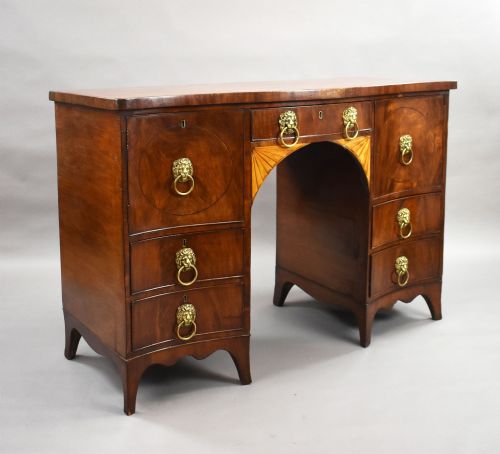


Lion Mask Handle Cabinet
A lion mask handle cabinet brings bold neoclassical character to a room, uniting functional storage with striking cast brass hardware.
Lion Mask Handle Cabinet
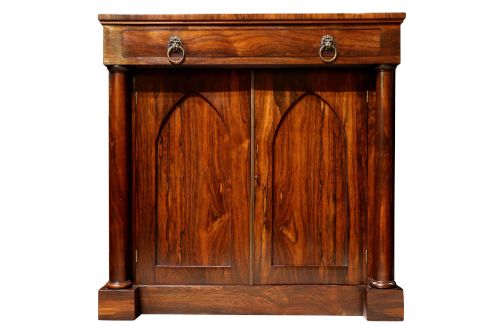
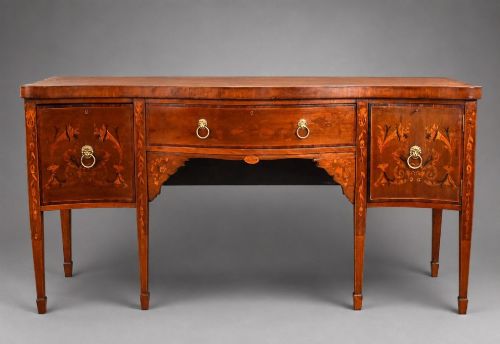
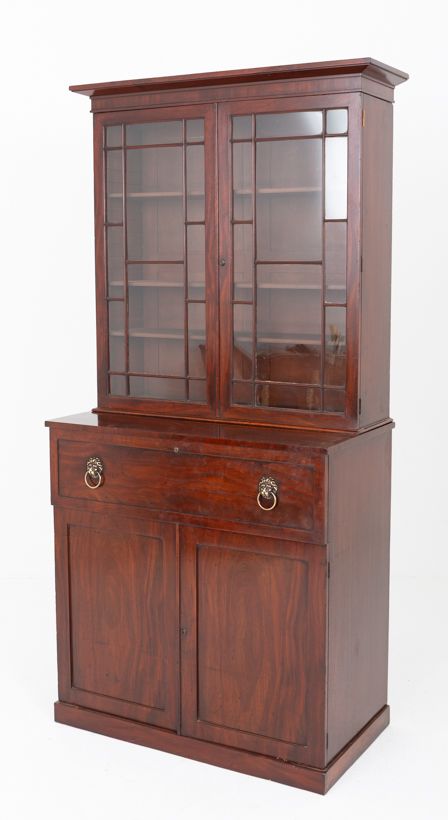
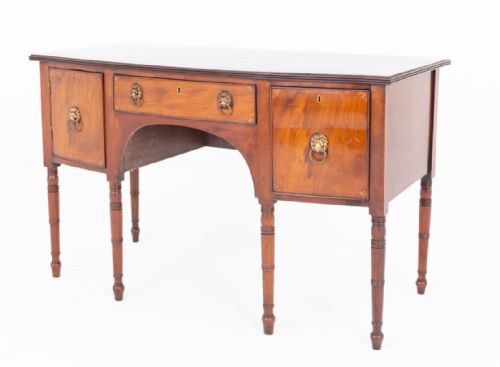
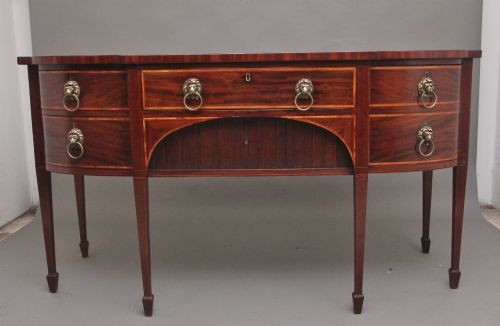
A lion mask handle cabinet unites substantial timber forms with distinct hardware, appearing across sideboards, chiffoniers, and cellarettes in the evidence. Buyers seeking a lion mask handle cabinet encounter diverse iterations from Georgian, Regency, and Victorian periods.
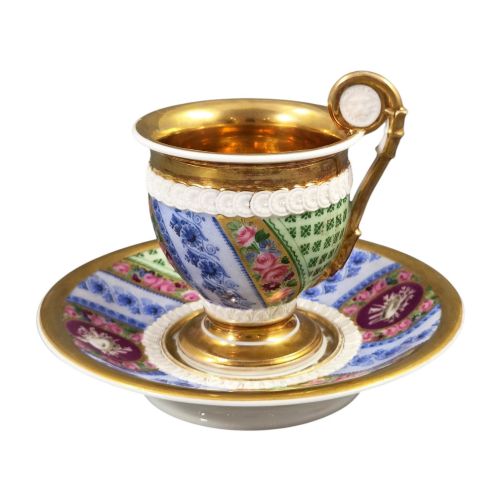
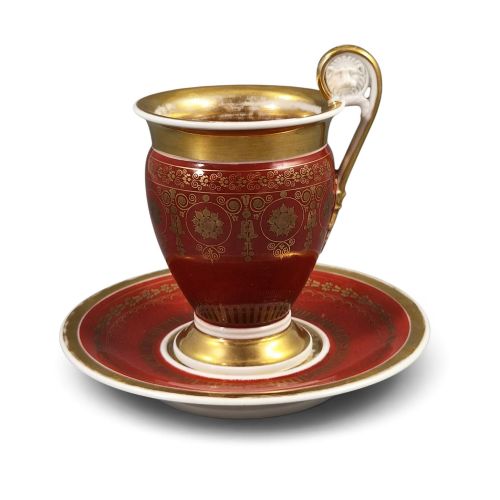
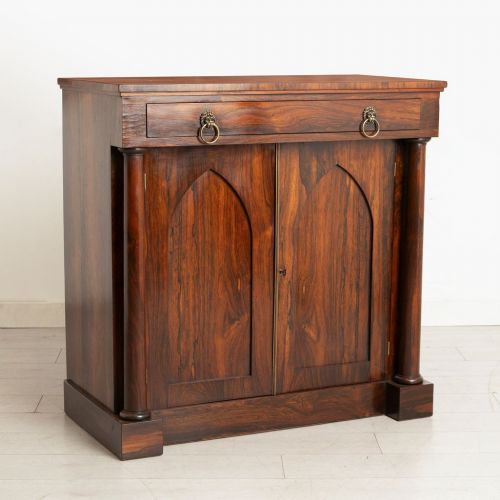
The selection ranges from mahogany sideboards and rosewood chiffoniers to French Old Paris porcelain cabinet cups and saucers featuring the same characteristic motif. Most examples lean towards Regency and Georgian aesthetic traditions, utilising rich timbers such as mahogany and rosewood.
Practical storage forms dominate the offerings, including chiffoniers with panelled doors and cellarettes shaped as chests of drawers. Each piece integrates decorative lion mask hardware to anchor the design.
Assessing quality and execution
The refinement of the brass casting dictates much of the visual success, separating sharply detailed lion masks from softer, simpler forms. Crisp chiselling on the metalwork indicates higher workshop standards.
Timber selection and secondary wood usage reveal the underlying standard of the piece, alongside the precision of inlaid marquetry and boxwood details. Superior cabinetmaking shows in the tight alignment of panelled doors and drawers.
Even tiny porcelain cups wear fierce bronze-styled whiskers.
The Lion Mask Handle Cabinet Glossary
- Chiffonier
- A low cabinet with doors, developed during the early nineteenth century for dining rooms and drawing rooms. It typically includes shelf space or panelled doors.
- Cellarette
- A lockable container used for storing wine and bottles, often designed to resemble a small chest of drawers or a sarcophagus during the Regency period.
- Marquetry
- The art of applying decorative veneer pieces to a structure to form intricate patterns, frequently utilising boxwood on darker ground woods.
- Secretaire Bookcase
- A tall cabinet combining a fitted writing drawer with upper shelving enclosed by glazed or solid doors.
- Empire
- A neoclassical design style spanning the late eighteenth and early nineteenth centuries, characterised by robust classical motifs and French influence.
Lion Mask Handle Cabinet: Frequently Asked Questions
What rooms suit a lion mask handle cabinet?
These cabinets serve well in dining rooms and living spaces where their substantial timber presence and striking hardware can anchor the room. Sideboards and chiffoniers offer practical surface space and internal storage.
Smaller ceramic pieces, such as cabinet cups and saucers, suit display cabinets or side tables where their porcelain detail remains visible.
How do I identify a Regency piece?
Regency items typically display clean architectural lines influenced by classical antiquity, often incorporating brass inlay, rosewood veneers, and robust hardware like lion masks. The period spans the early nineteenth century.
Proportions tend to be balanced, with an emphasis on dark, richly grained timbers contrasted against bright metal mounts.
What timber was commonly used?
Mahogany and rosewood dominate the larger furniture forms, providing a dark, durable base with strong grain patterns. Cabinetmakers selected these woods for their ability to hold fine details and withstand heavy daily use.
Boxwood frequently appears alongside these primary timbers for contrasting stringing and inlay work.
How were cellarettes used?
Cellarettes functioned as secure storage for wine bottles within the dining room, keeping drinks close at hand during formal meals. They sat on the floor beneath sideboards or functioned as independent chests.
Interior compartments kept bottles separated and protected within the locked timber casing.