
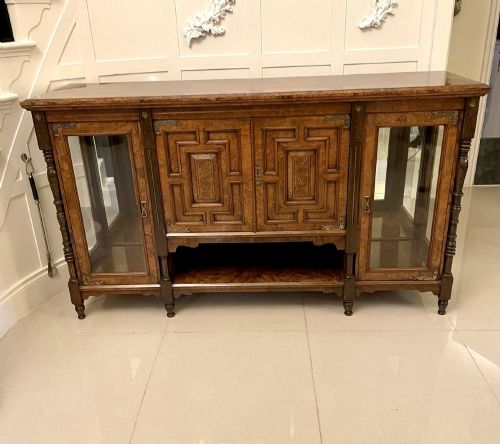
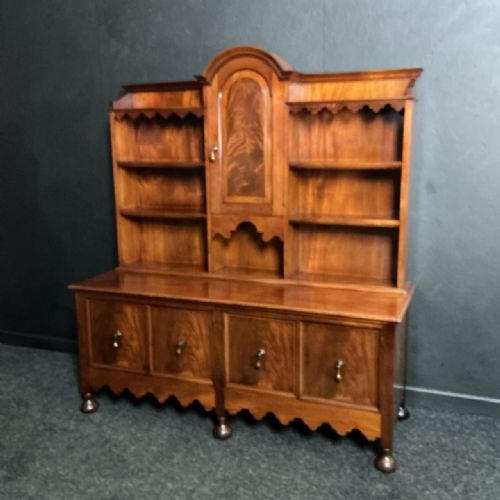
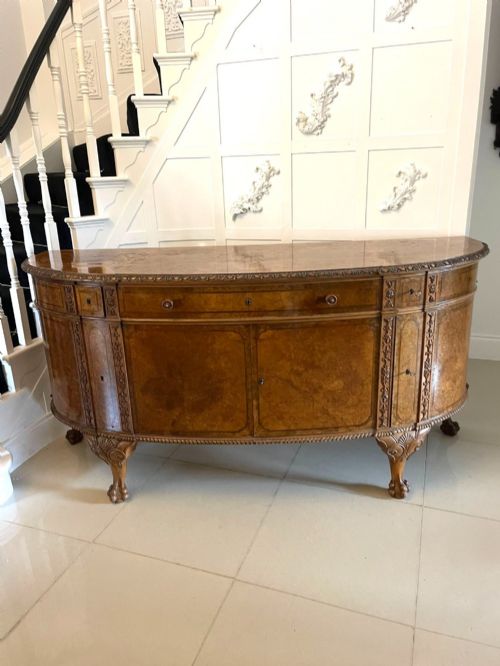
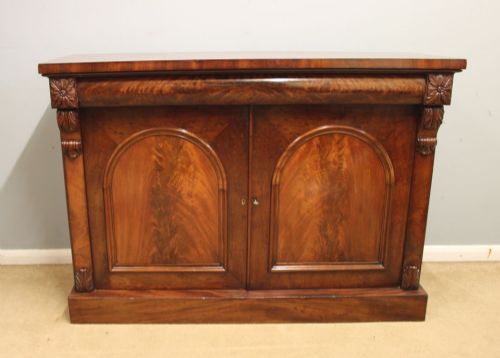
Antique Dining Room Storage
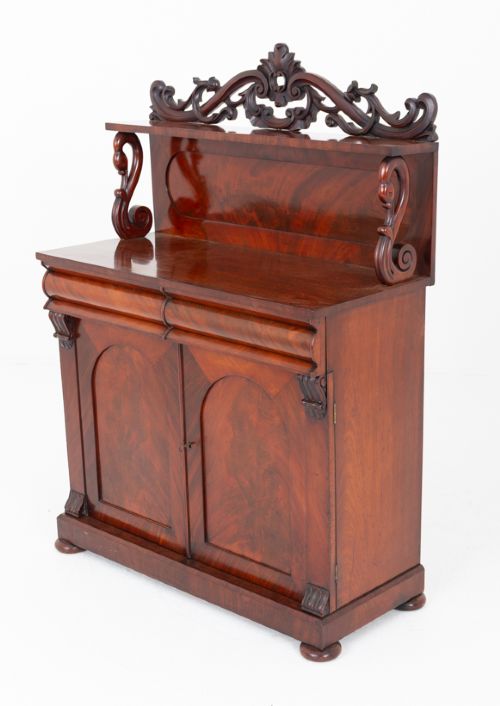
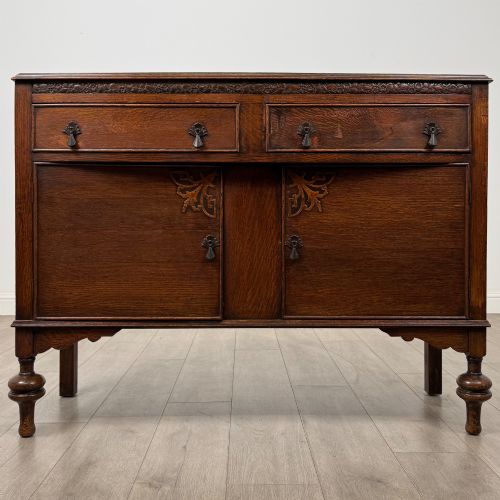
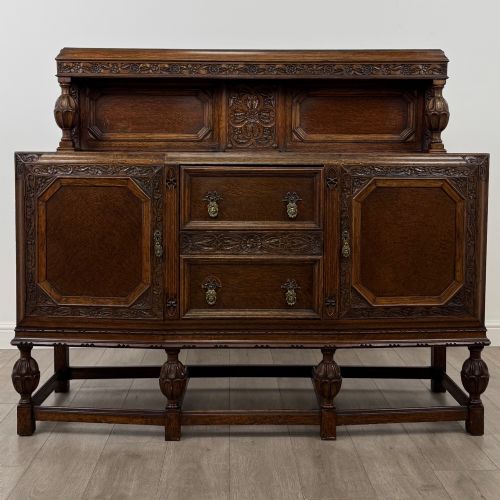
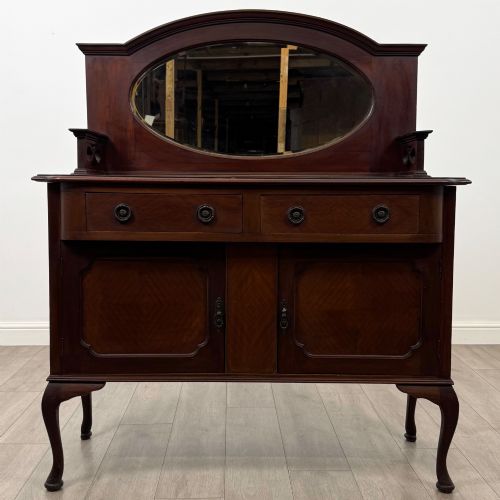
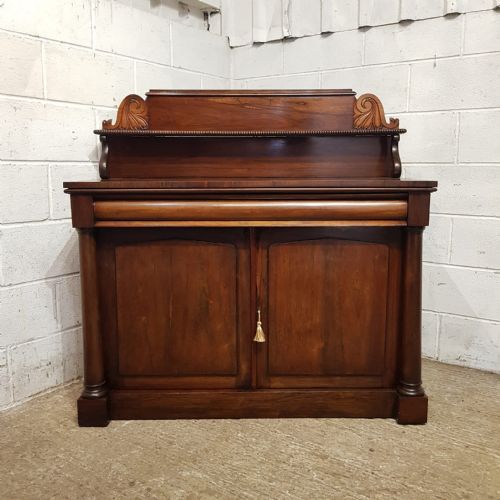
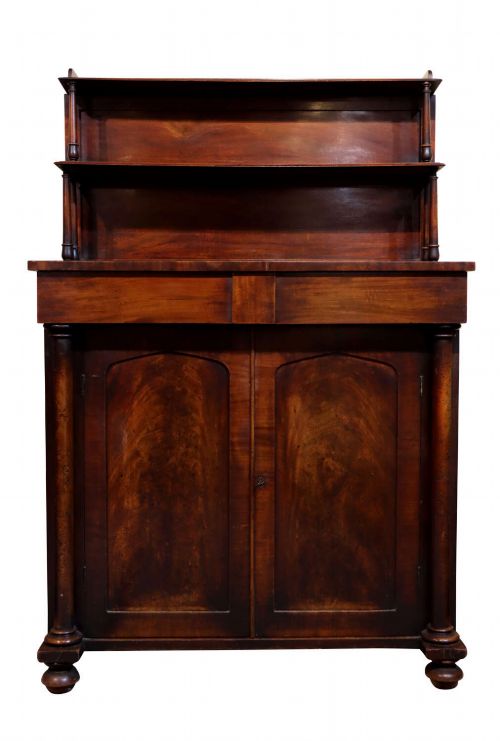
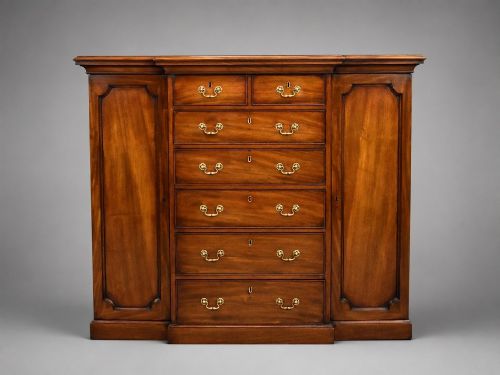
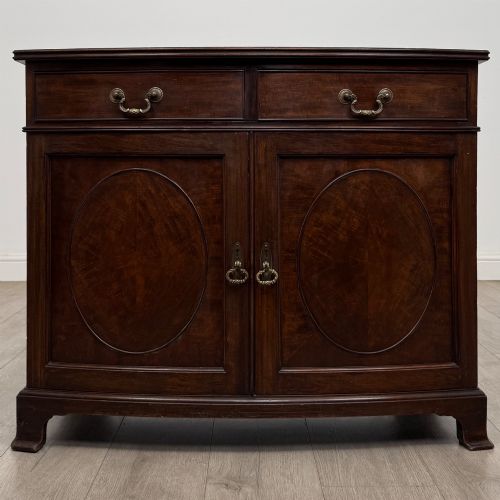
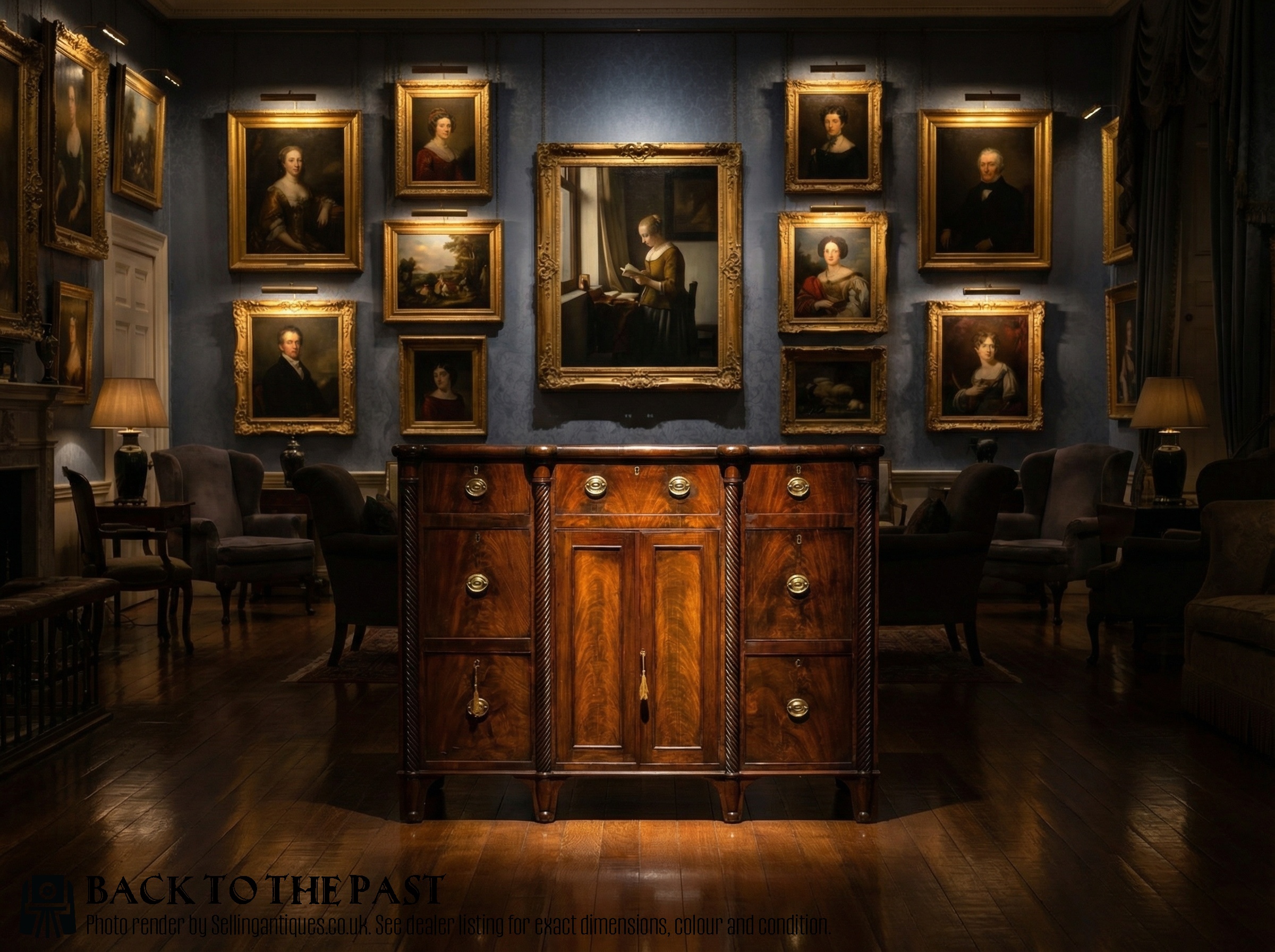
Antique dining room storage encompasses sideboards, chiffoniers, and cupboards built to house silver, linen, and wine during meals.
Antique Dining Room Storage
Antique dining room storage primarily consists of sideboards, buffets, chiffoniers, and cabinets designed to hold tableware, linen, and provisions. These pieces originate from periods spanning the eighteenth, nineteenth, and early twentieth centuries, reflecting changing domestic habits in the dining room.
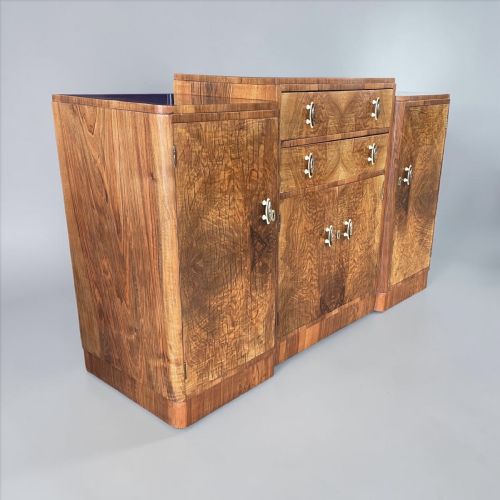
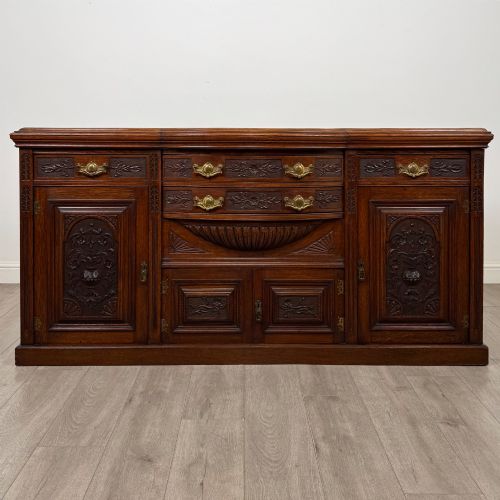
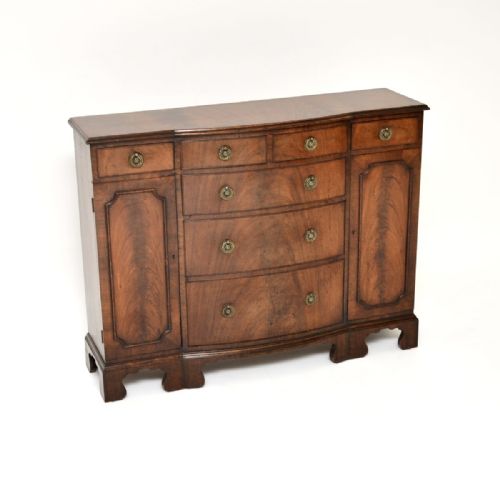
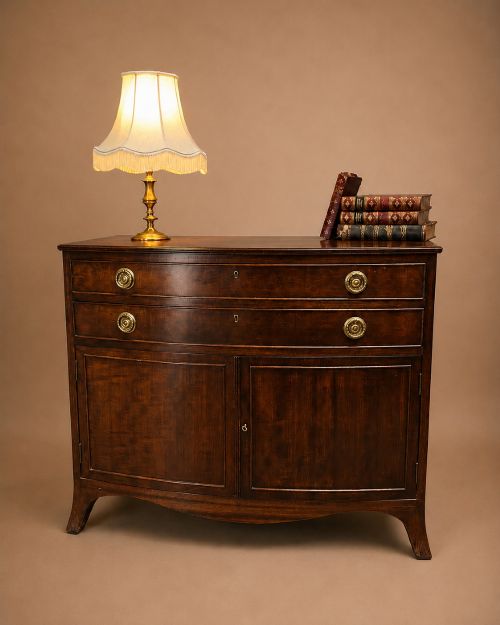
Buyers will most frequently encounter Victorian and Edwardian examples on this page, alongside earlier Georgian forms and later Art Deco designs. Common variations include pedestals, credenzas, wine coolers, and cupboards in diverse configurations of doors and drawers.
How they were made
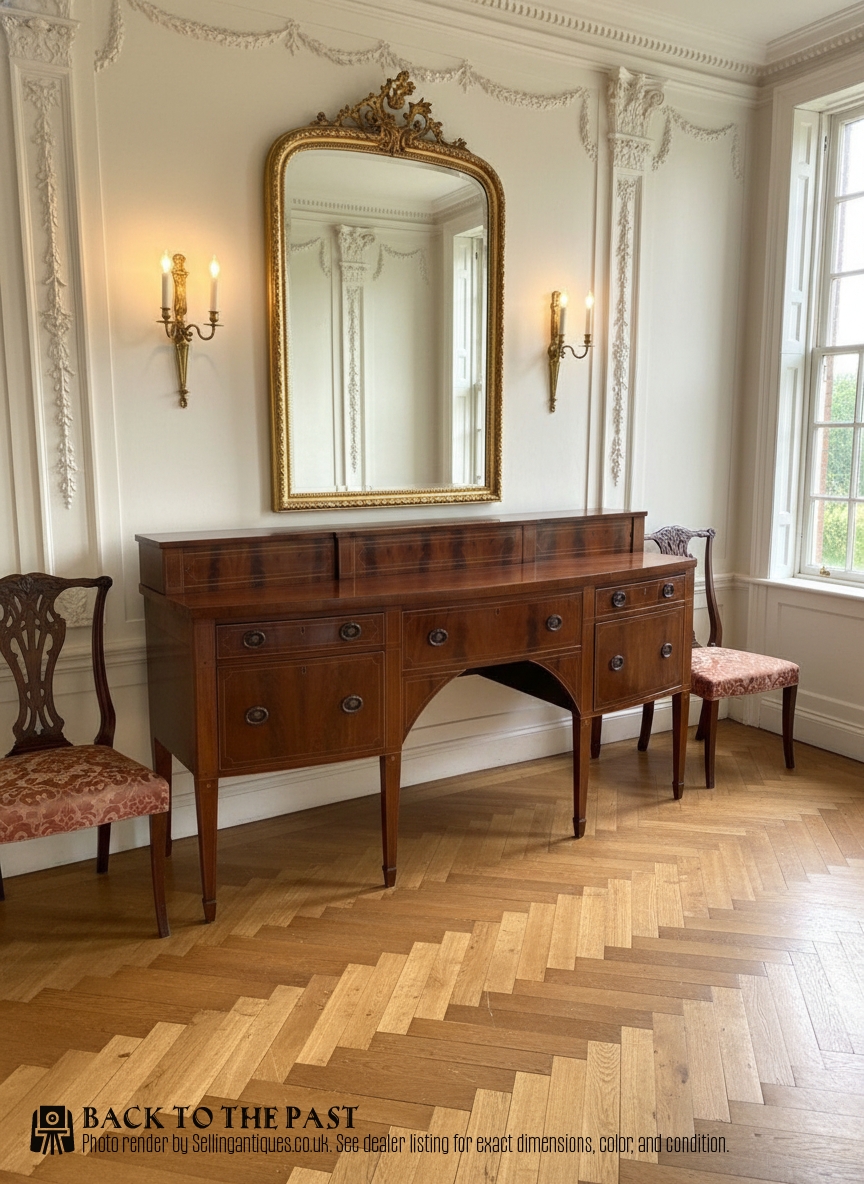
Cabinet makers utilised solid timbers such as mahogany, oak, and walnut, often applying flame mahogany or burr walnut veneers to prominent surfaces. Brass hardware, including handles and escutcheons, provides functional and decorative contrast to the timber.
Construction techniques combine traditional joinery with decorative carving, inlay, and marquetry, particularly on pieces from the Edwardian and Victorian eras. Glass panels appear in upper cabinet doors, while internal fittings accommodate cutlery, wine, and china.
Antique Dining Room Storage Retail Price Guide 2026
Typical asking prices for dining room storage among the pieces listed under this phrase on Sellingantiques today, from the lower quarter to the upper quarter. They describe what is for sale here now, not the wider market.
Materials span mahogany, oak, walnut, rosewood, and brass, alongside flame mahogany and burr walnut veneers.
What varies in quality
The choice of timber and veneer determines much of the visual distinction, with figured mahogany and burr walnut commanding attention through rich grain patterns. Finely executed carving, boxwood stringing, and marquetry indicate greater skill in the workshop.
Structural integrity depends on the selection of solid secondary woods and the precision of the drawer linings and joints. Pieces bearing the marks of established cabinet makers display superior attention to detail in their internal arrangement and hardware.
M. D. Miller and Sons·Hamptons of Pall Mall London·Maple and Co·Edwards and Roberts
The Antique Dining Room Storage Glossary
- Chiffonier
- A compact sideboard or low cabinet, popular during the Regency and Victorian periods, often featuring doors enclosing shelves and sometimes a raised superstructure.
- Credenza
- A sideboard or cabinet, frequently associated with Victorian burr walnut examples, designed for storage and display.
- Cellarette
- A lockable container or cabinet used to hold bottles of wine and spirits beneath the dining room sideboard or on the floor.
- Marquetry
- Decorative veneer work formed by fitting together small pieces of various woods, metals, or shells to create pictorial patterns on cabinet doors.
Antique Dining Room Storage: Frequently Asked Questions
What is the difference between a sideboard and a chiffonier?
A sideboard is typically a larger, longer piece designed for formal dining rooms to hold extensive sets of china and cutlery. It offers substantial surface space for serving dishes during a meal.
A chiffonier is a smaller, more compact cabinet originating in the nineteenth century, often fitted with enclosed shelves for silver and linens. Its modest proportions suit smaller rooms or informal spaces.
How were these cabinets used in the dining room?
Dining room storage pieces served practical roles before fitted kitchen units became common. Servants used the top surface to plate food and pour wine during dinner parties.
The cupboards and drawers below kept heavy silver, tablecloths, and glassware close to the dining table. Cellarettes specifically protected expensive wine vintages under lock and key.
How do I distinguish between Victorian and Edwardian pieces?
Victorian storage pieces tend to be heavier, constructed from dark mahogany or burr walnut with robust proportions and deep carving. They reflect an era of formal dining and substantial room layouts.
Edwardian pieces often display lighter mahogany, sometimes featuring satinwood inlay, satin finishes, and influences from earlier Georgian revival styles. Their lines appear brighter and more restrained.
How do I care for antique wood storage in a modern home?
Keep wooden cabinets away from direct heat sources and strong sunlight to prevent the timber and veneers from drying out or splitting. Maintaining stable room humidity preserves the joints and polished finish.
Dust surfaces regularly with a soft cloth and apply quality beeswax periodically to nourish the antique timber. Avoid using modern silicone sprays that can damage the old polish.