

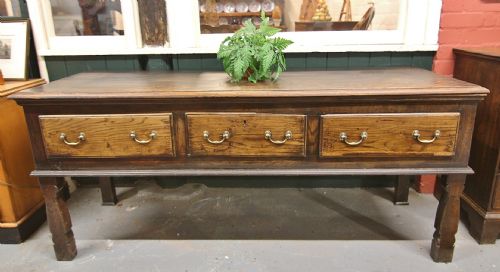
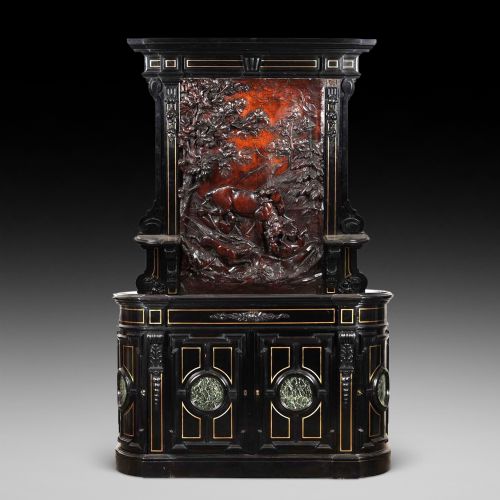
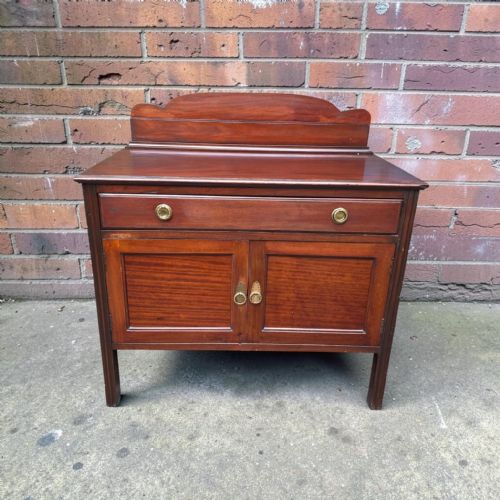
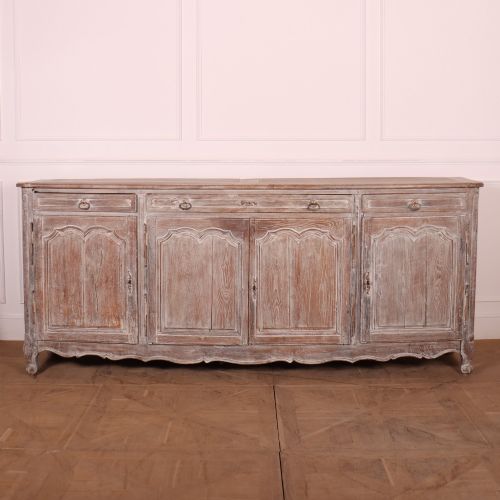
Antique Carved Buffet
When you search for an antique carved buffet, you find substantial timber serving furniture built to anchor a dining room.
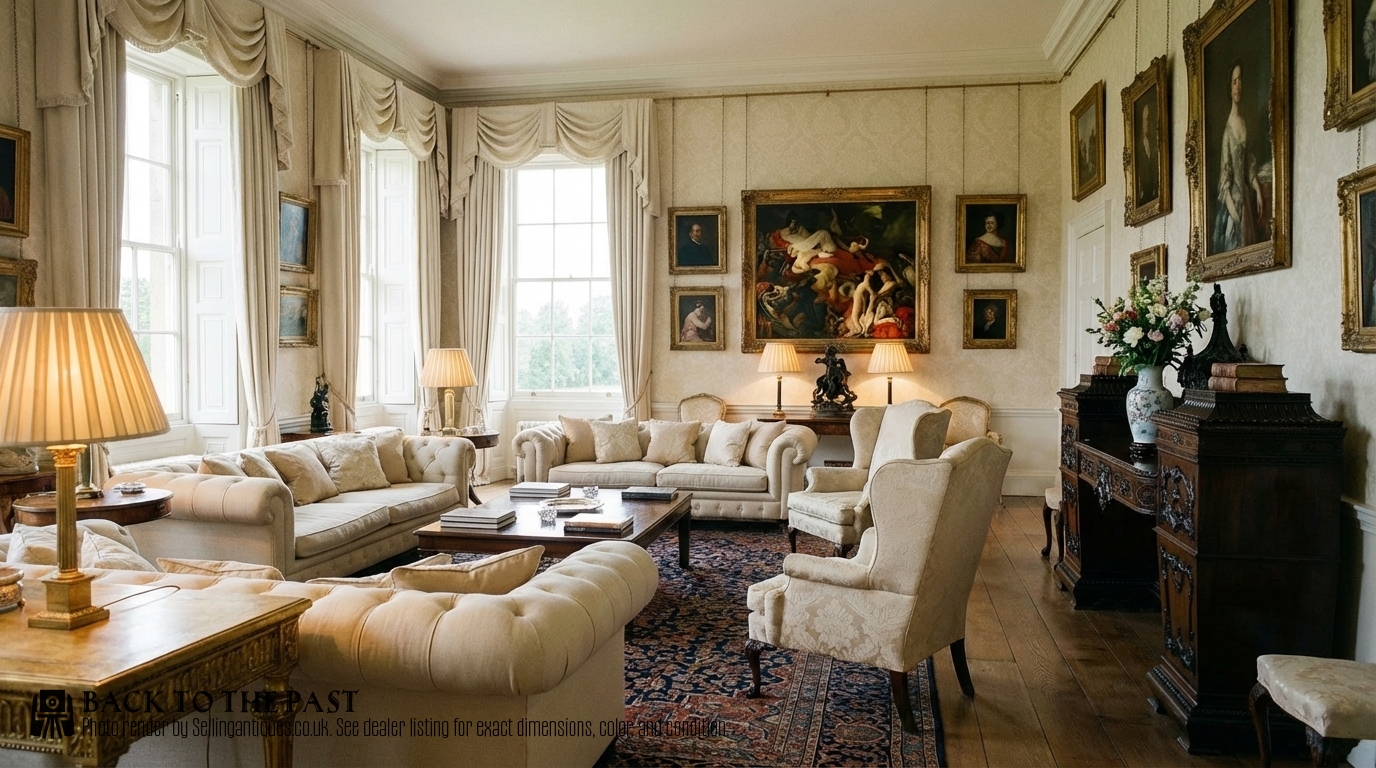
Antique Carved Buffet
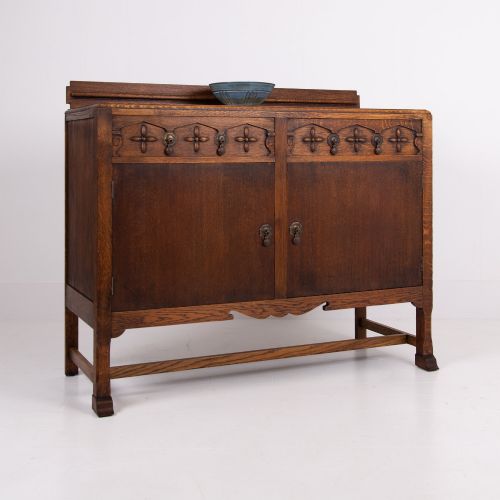
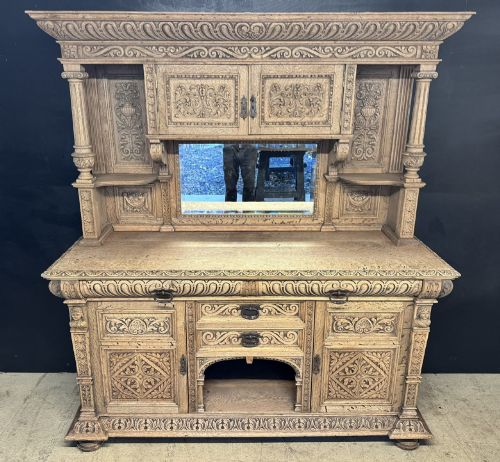
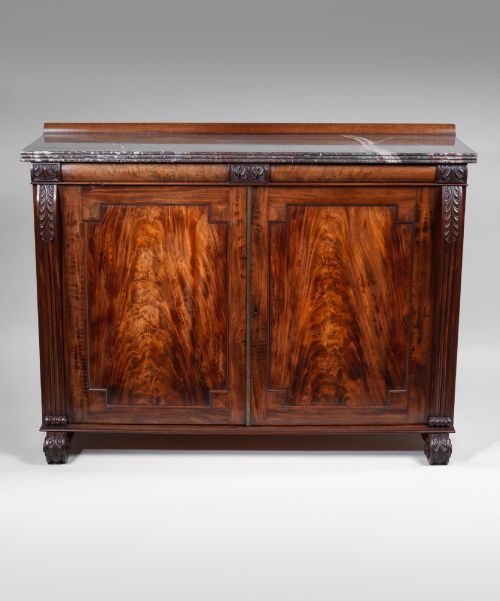
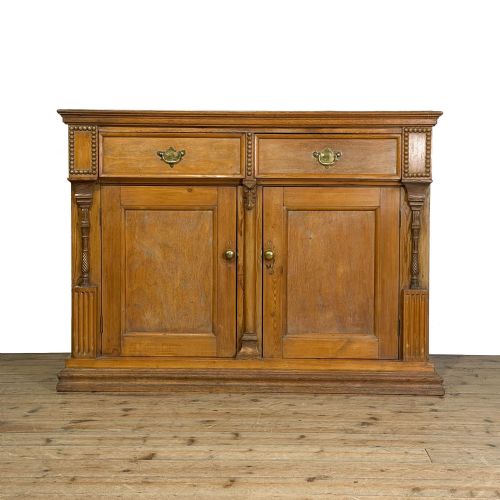
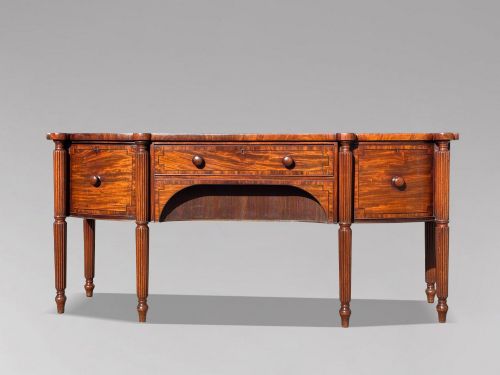
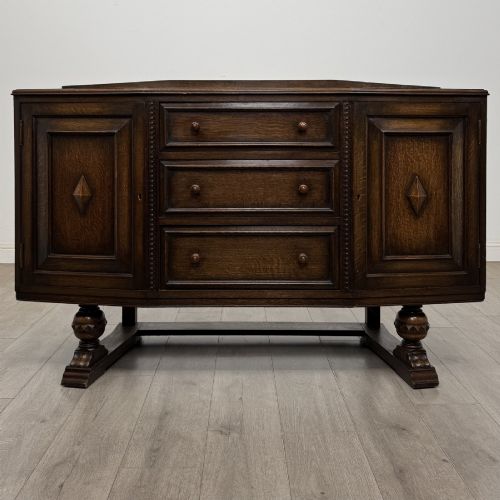
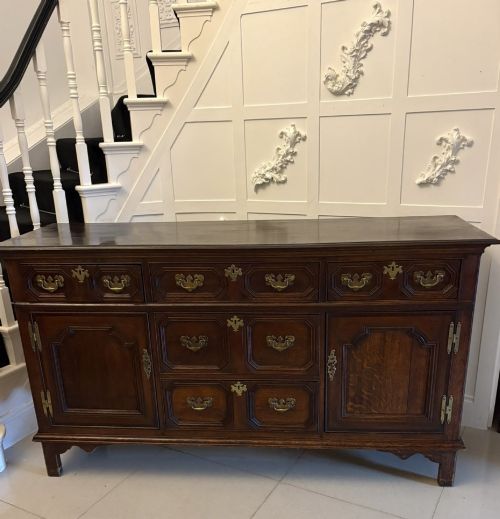
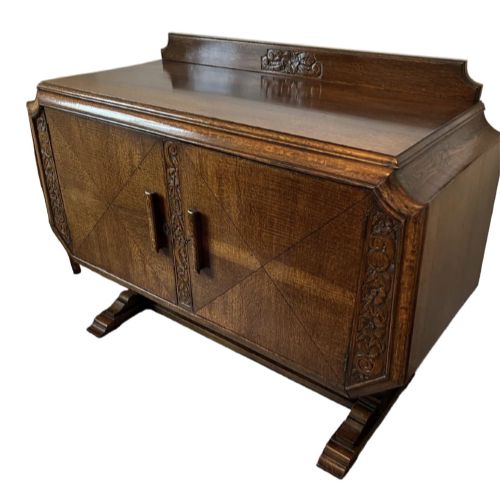
An antique carved buffet takes the form of heavy timber servers, tiered sideboards, and court cupboards designed for dining rooms and large halls. You will frequently encounter substantial oak and walnut examples originating from the nineteenth and early twentieth centuries.
The category encompasses French hunting cabinets, Gothic revival server tables, and English Jacobean style pieces featuring substantial timber framing. These items served practical domestic functions for storing silver, linen, and serving dishes while displaying substantial decorative woodcarving.
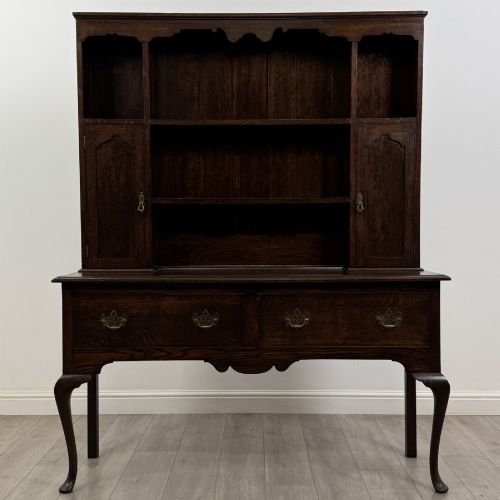
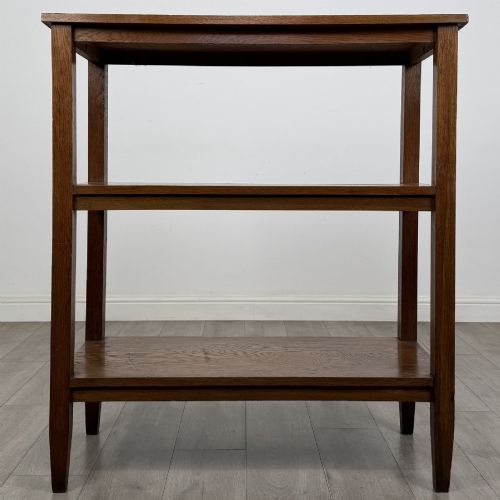
Makers and regional workshops produced diverse regional interpretations, from three tier console servers to massive two part buffet de corps pieces. The form bridges storage cabinetry and display surfaces, often incorporating mirror backs, glazed doors, or tiered plate racks.
Assessing the craftsmanship
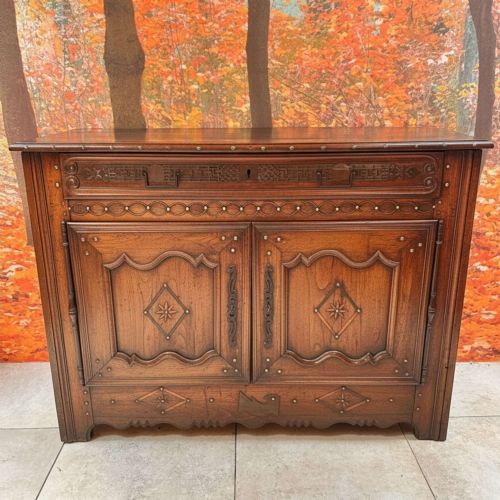
The depth and crispness of the timber carving separate standard production pieces from exceptional workshop creations. Sharp, undercut relief work demonstrates superior hand tool proficiency by the carver.
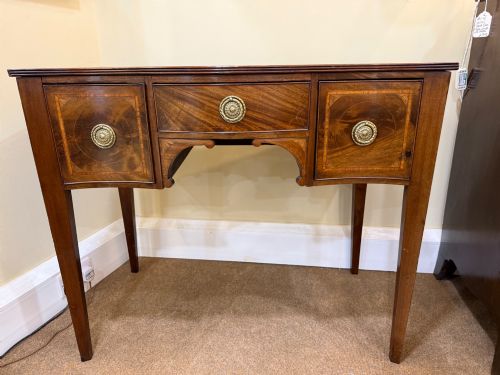
The selection of timber grain, particularly matched burr walnut or figured mahogany veneers across wide surfaces, indicates higher workshop standards. Solid secondary timbers and robust internal framing ensure structural integrity over centuries of use.
Antique Carved Buffet Retail Price Guide 2026
Typical asking prices for carved buffet among the pieces listed under this phrase on Sellingantiques today, from the lower quarter to the upper quarter. They describe what is for sale here now, not the wider market.
Listings feature oak, mahogany, and burr walnut pieces spanning from the eighteenth to the twentieth century.
Ambrose Heal
The Antique Carved Buffet Glossary
- Buffet
- A sideboard or serving table designed for dining rooms to hold food and tableware. These pieces often feature tiers or lower cupboards.
- Green Man
- A decorative architectural motif depicting a human face disgorged from foliage. It appears frequently on nineteenth-century oak furniture.
- Chiffonier
- A low sideboard or cabinet featuring shelves or a mirror back. This form gained popularity during the Victorian era for smaller parlours.
- Court Cupboard
- An antique enclosed storage piece with tiers, originating centuries before the Victorian revival styles. They provide deep timber shelving.
- Barley Twist
- A type of turned wooden leg or column resembling a twisted rope. This detail characterises many Edwardian oak items.
Antique Carved Buffet: Frequently Asked Questions
What is an antique carved buffet used for?
These pieces function as dining room servers, holding heavy platters, cutlery sets, and serving dishes during meals.
They also provide concealed storage behind timber doors for household linens and dry goods.
How do I date an oak buffet?
Examine the timber selection, hardware construction, and carving style to determine the likely era of manufacture.
Nineteenth-century revival pieces often combine deep Gothic or Jacobean carving with machine-sawn internal secondary woods.
Where should I place a large sideboard?
Position the piece against a sturdy dining room or hallway wall with sufficient clearance for opening heavy doors.
Avoid placing timber furniture in direct sunlight or close to heat sources to protect the polished wood surfaces.
What is a green man carving?
A green man carving represents a human face surrounded by or sprouting from vines, leaves, and branches.
This decorative motif appears frequently on Victorian and Gothic revival oak furniture.