
Dark Brown Bronze Figure
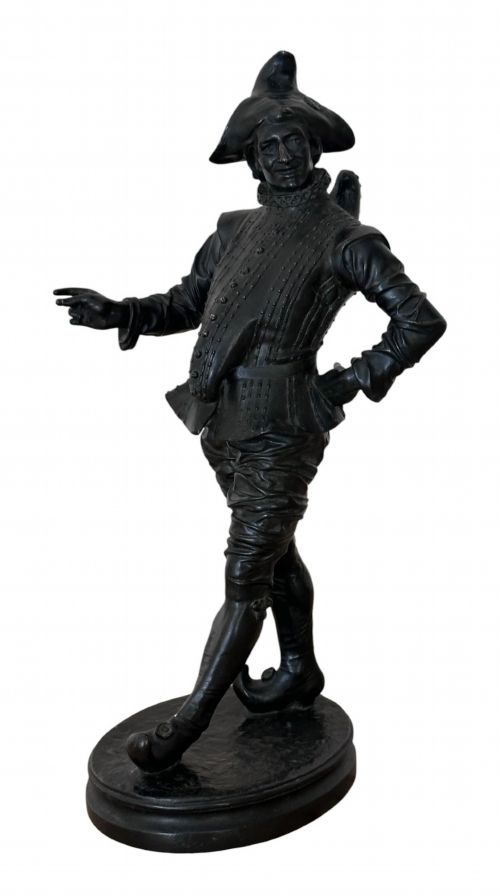
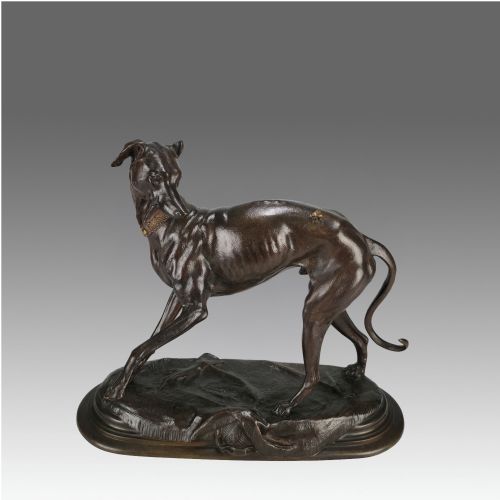
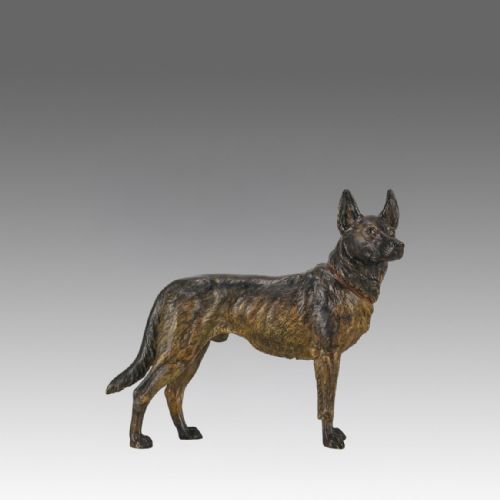
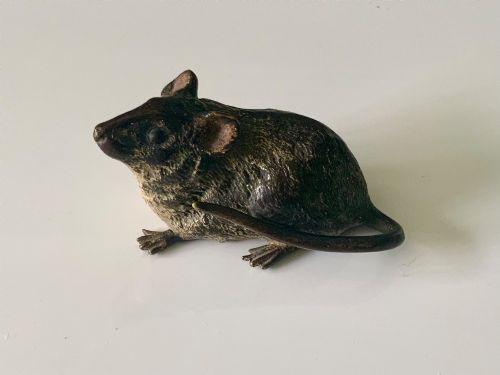
A dark brown bronze figure brings character and depth to a room through solid metalwork and rich patination.
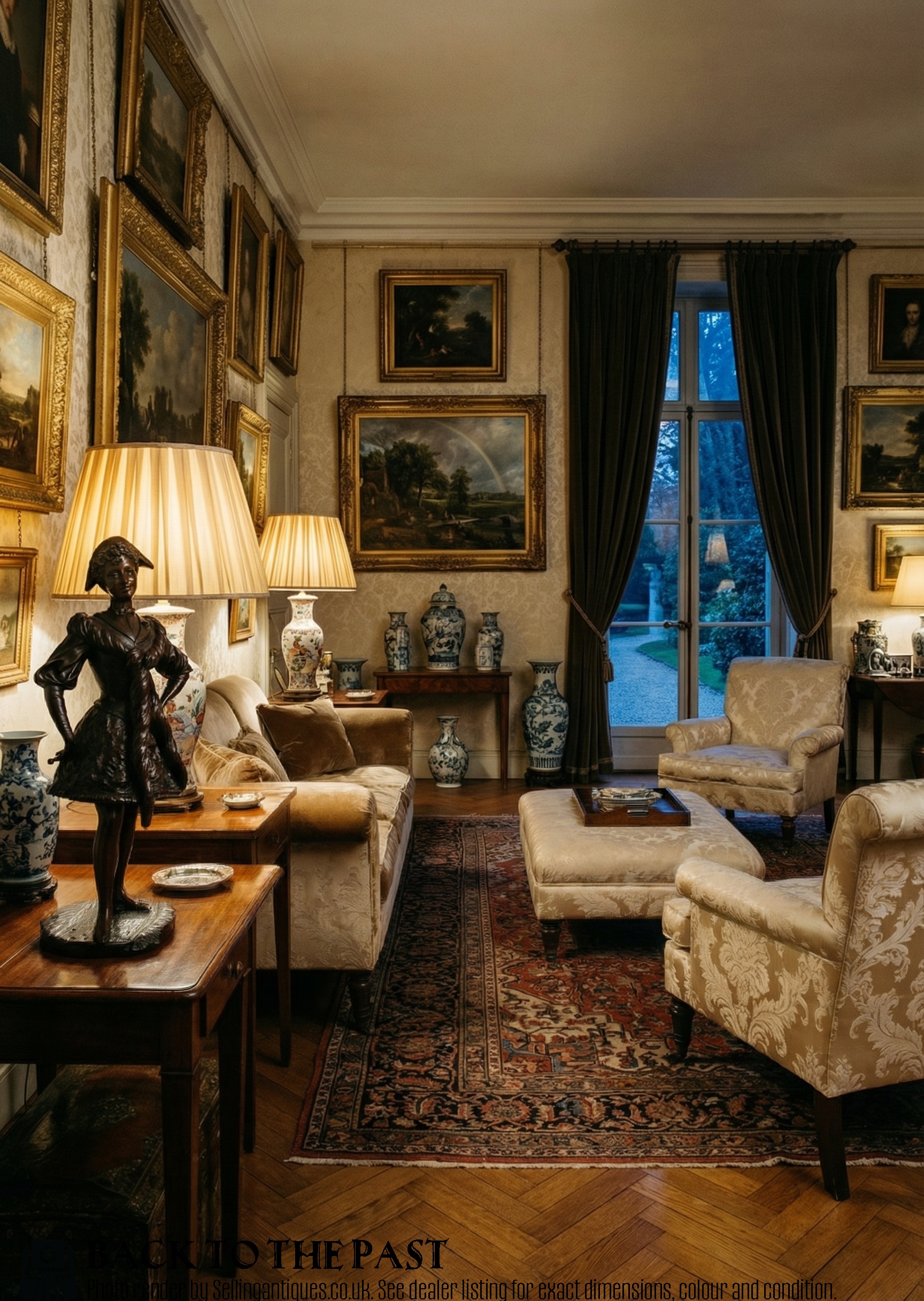
What a dark brown bronze figure is
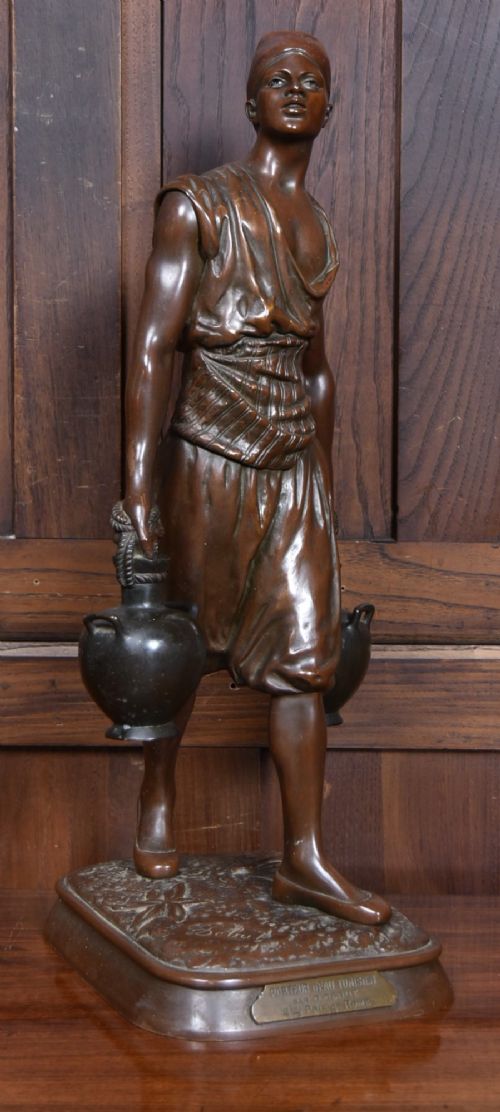
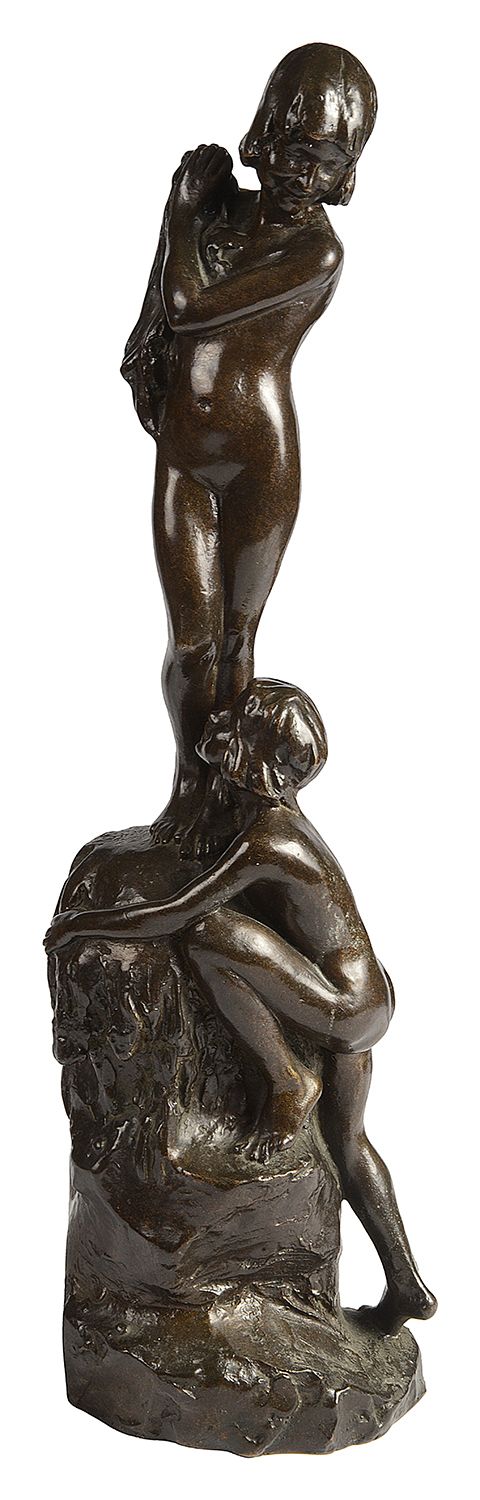
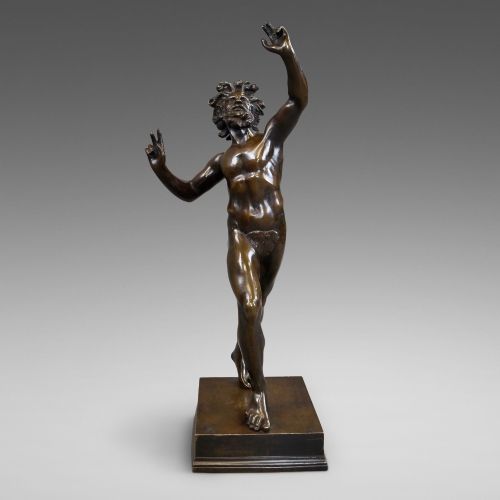
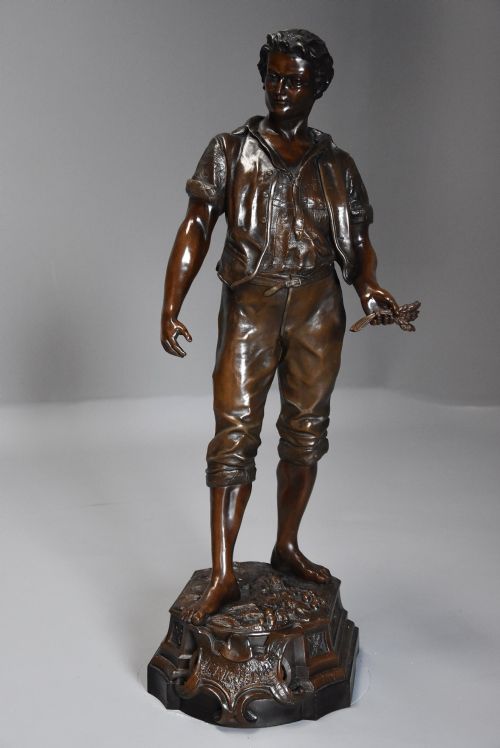
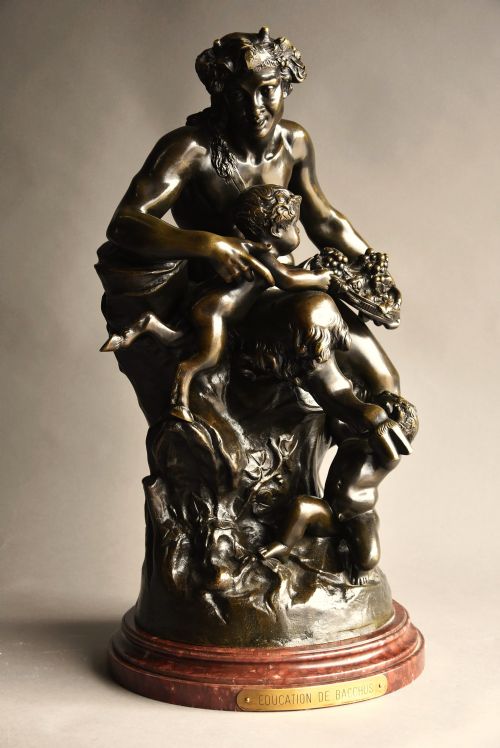
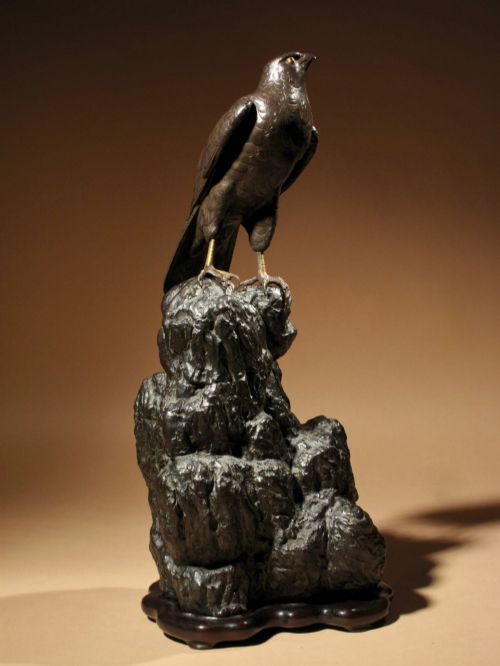
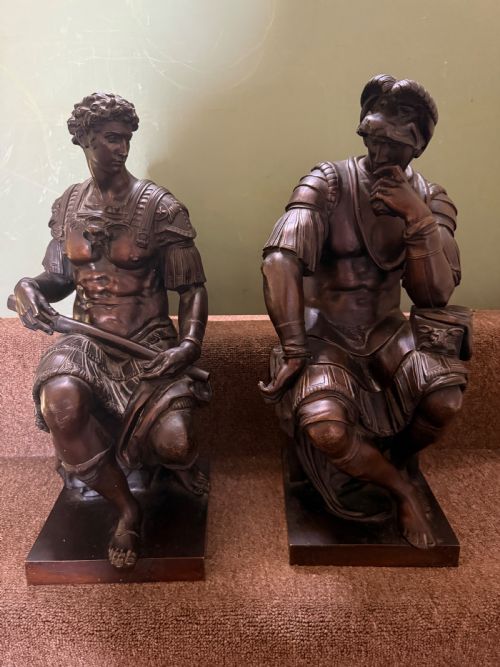
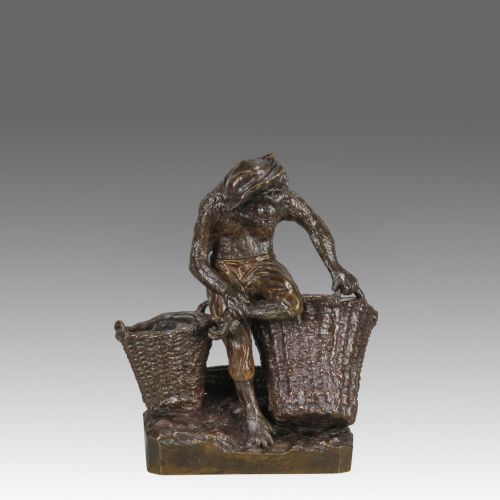
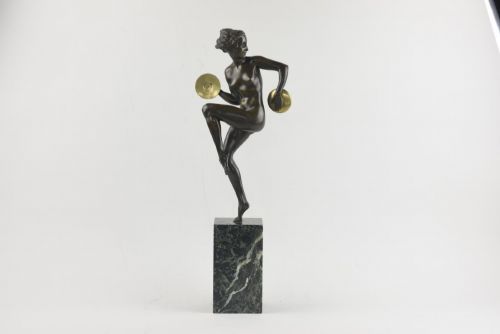
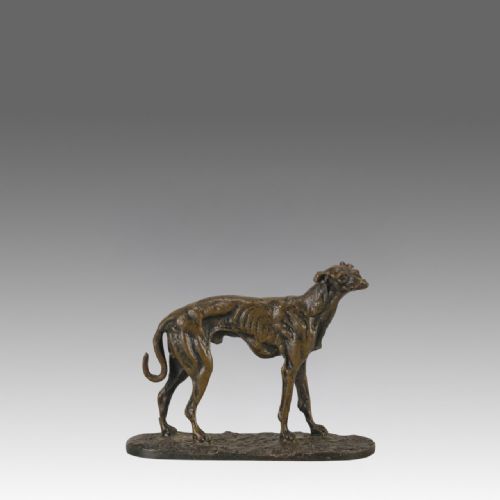
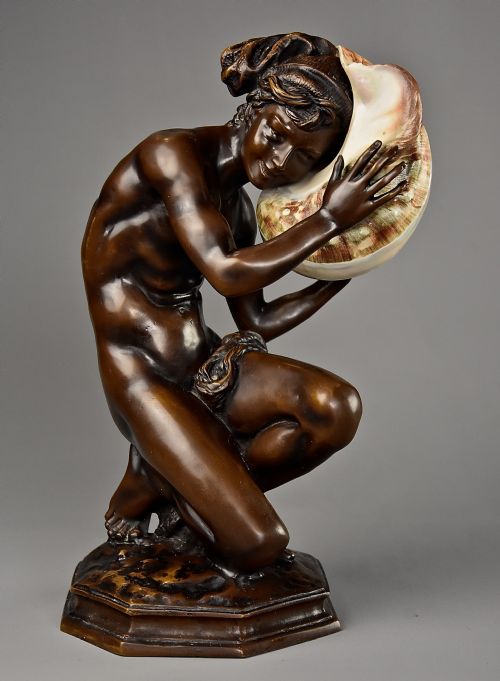
When you search for a dark brown bronze figure, you encounter sculptural works spanning the late nineteenth and early twentieth centuries. These pieces encompass European decorative bronzes, French realists, and Japanese works produced for export.
The selections on this page range from grand tour souvenirs and classical dancers to agricultural labourers and naturalistic spiders. Formats cover freestanding sculptures, statues, and smaller cabinet figurines mounted on marble or wooden bases.
How they were made
These figures rely on metal casting methods, using bronze, bronzed spelter, and patinated bronze. Artisans shaped molten metal into complex forms, capturing drapery, anatomy, and fine surface textures.
Many works incorporate multi-part construction, attaching cast figures to bases of marble, gold accents, or carved wood. Surface treatments establish deep brown colouration and controlled patination across the metal.
Retail Price Guide 2026
Typical UK retail prices for dark brown bronze figure, calculated from the Sellingantiques database of over a million retail prices indexed since 2003. This retail price guide relies exclusively on Sellingantiques data; no external sources or auction records are used, so the figures do not describe the wider market.
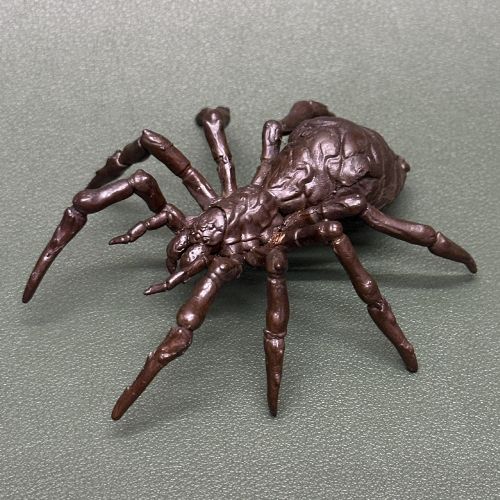
A metal tarantula spider waits patiently among the figures, cast in bronze during the Meiji period.
What varies in quality
The depth and application of the dark brown patina differentiate standard commercial pieces from finer sculptural works. Artisans who carefully managed chemical patination and patter achieved tonal richness that enhances the three-dimensional form.
F.Milliot·Aurore Onu·Sylvain Kinsburger·Miyao
The Dark Brown Bronze Figure Glossary
- Patinated bronze
- Bronze that has been treated with chemical solutions to produce a specific surface colour, most commonly dark brown. This layer protects the metal while defining the visual tone.
- Spelter
- A zinc alloy used as a less costly alternative to bronze, often given a bronze finish to simulate heavier metal. It appears frequently in nineteenth-century figure casting.
- Okimono
- A Japanese term for a decorative object or statuette designed for display on a shelf or in a tokonoma. These figures often depict animals, musicians, or daily life with high naturalism.
- Grand tour
- A nineteenth-century cultural tradition where travellers collected souvenirs such as classical bronze figures. These pieces replicate ancient sculptures encountered during European journeys.
- Meiji period
- The era of Japanese history from 1868 to 1912 marked by increased metalwork exports to Western markets. Bronzes from this time demonstrate technical mastery in casting and patination.
Frequently Asked Questions
What is a dark brown bronze figure?
It is a cast metal sculpture finished with a dark brown patination, originating from nineteenth and early twentieth-century workshops in Europe and Japan.
These works represent figures, dancers, labourers, and animals modeled in the round.
How do I care for my bronze?
Dust the surface gently with a soft dry cloth to prevent accumulation without disturbing the patination. Avoid abrasive cleaners, oils, and chemical polishes that can strip the brown finish.
Keep the sculpture away from direct moisture and extreme temperature fluctuations to preserve the metal.
Are these figures solid bronze?
Most are cast using traditional techniques, though composition varies between solid bronze, hollow-cast bronze, and bronzed spelter. Heavier pieces usually indicate solid or thick-walled metal construction.
Supporting elements like marble or wood often provide stability to the base.
Where were these figures made?
The pieces originate from European foundries in France and Italy, alongside Japanese workshops producing works for export. European examples often reflect academic realism or grand tour classical traditions.
Japanese pieces display distinct regional craftsmanship in subjects like musicians and arachnids.