




Dark Bronze Male Sculpture
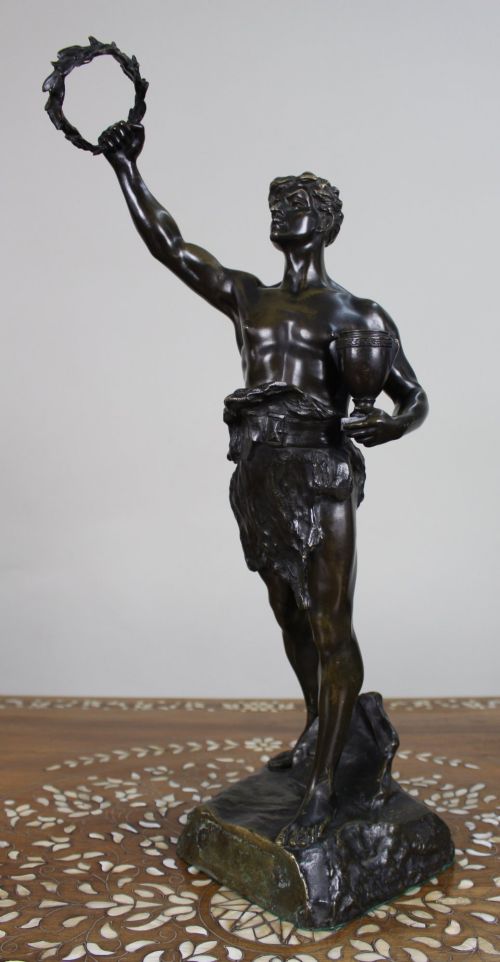
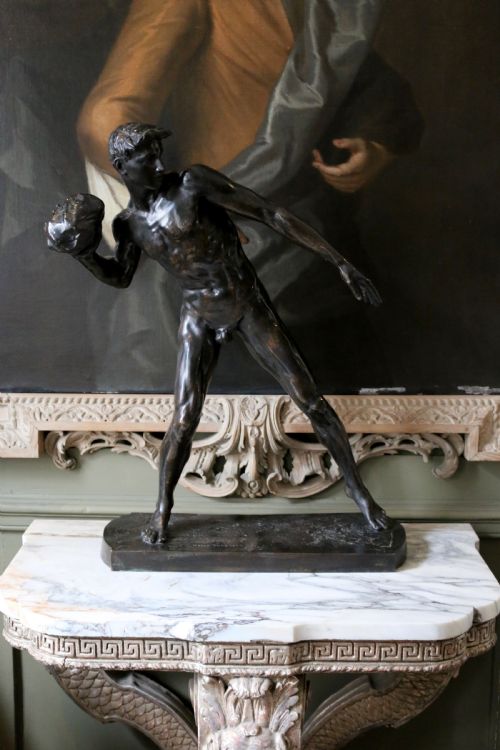
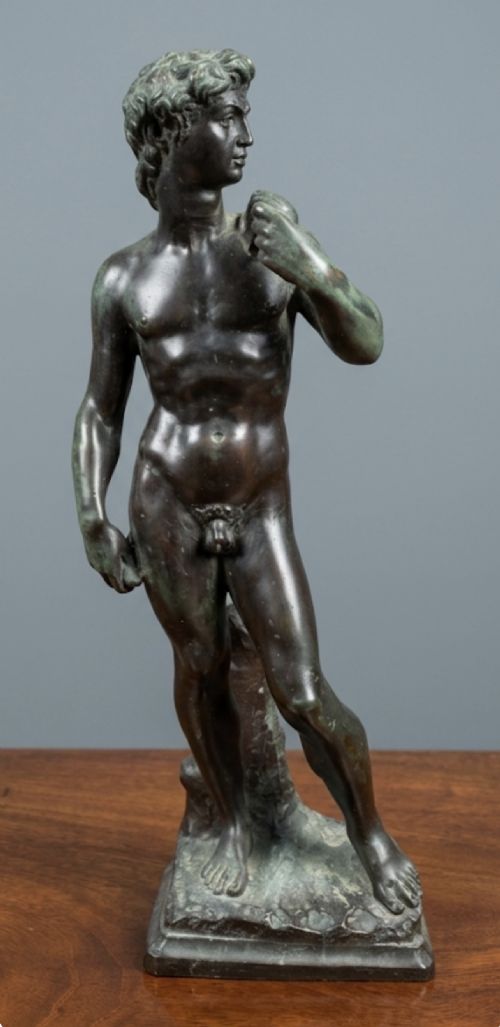
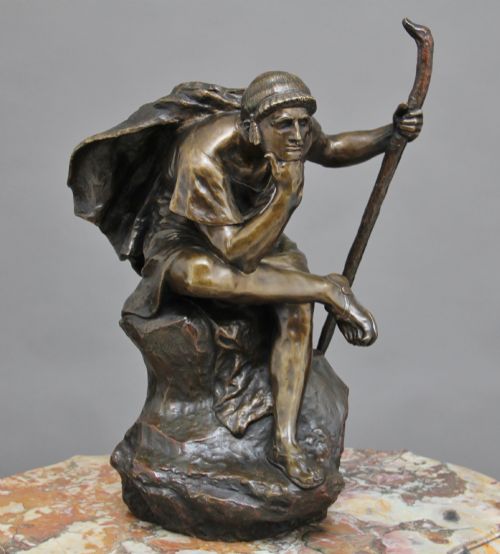
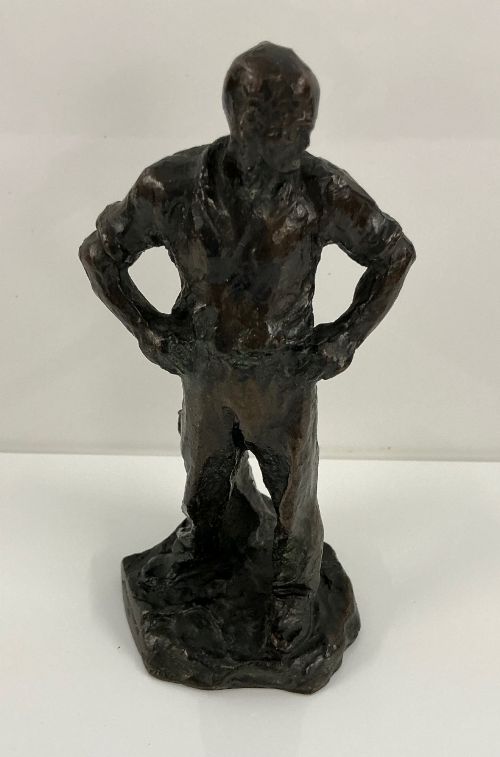
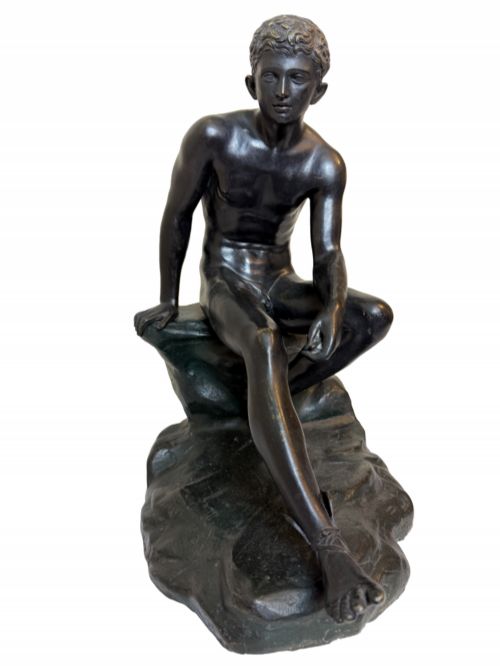
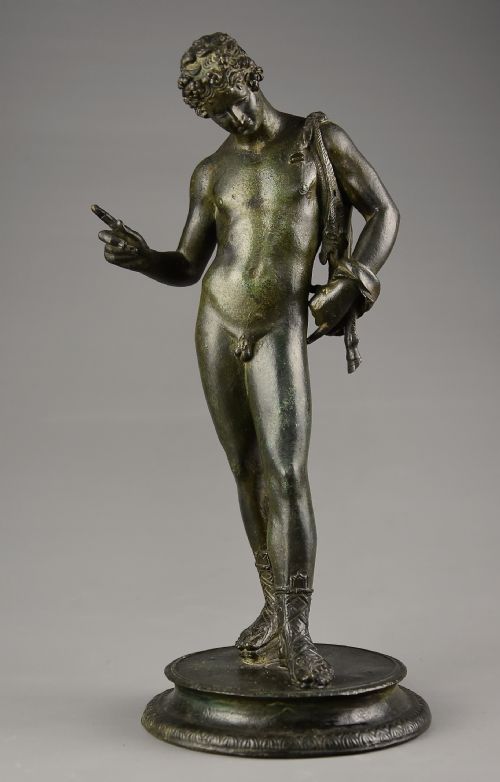
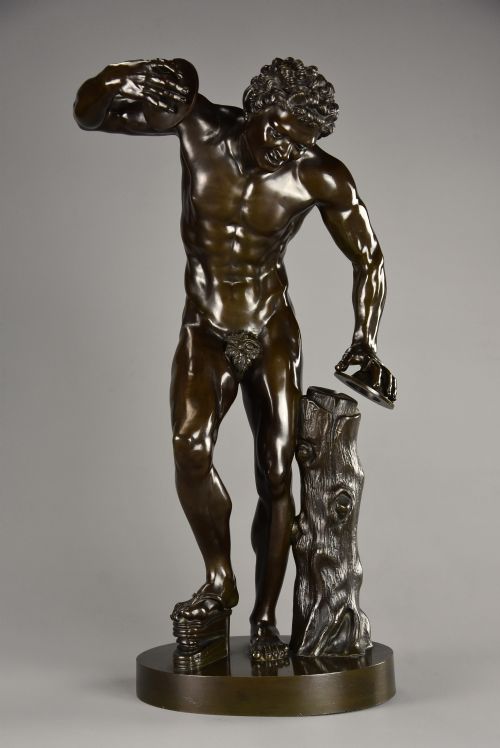
These pieces are dark bronze male sculpture works that bring classical weight and mythological presence into a room.
Dark Bronze Male Sculpture
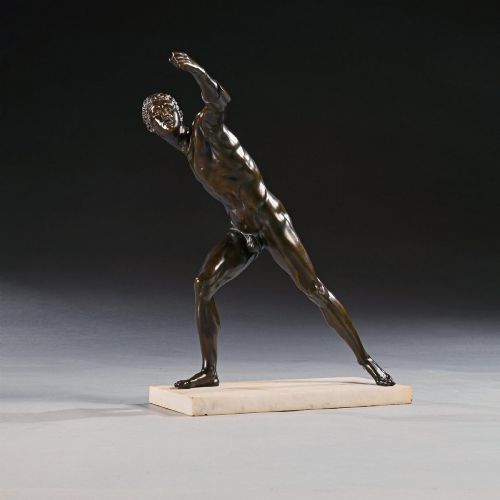
A dark bronze male sculpture represents classical figures, athletes, gladiators, and mythological subjects cast in heavy metal. These works frequently draw inspiration from antique models and Grand Tour traditions associated with 19th century European foundries.
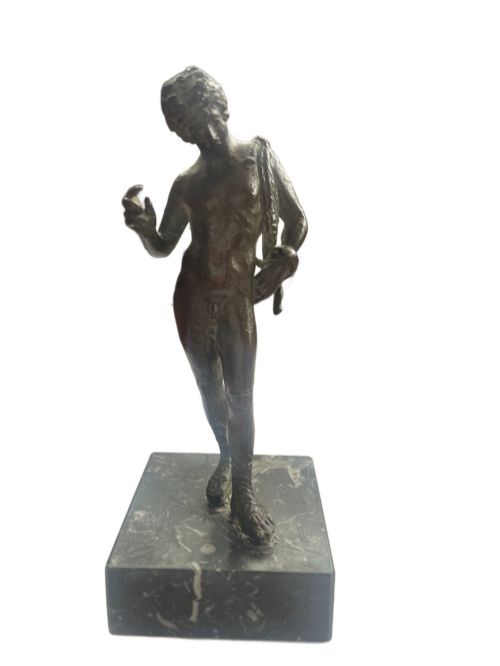
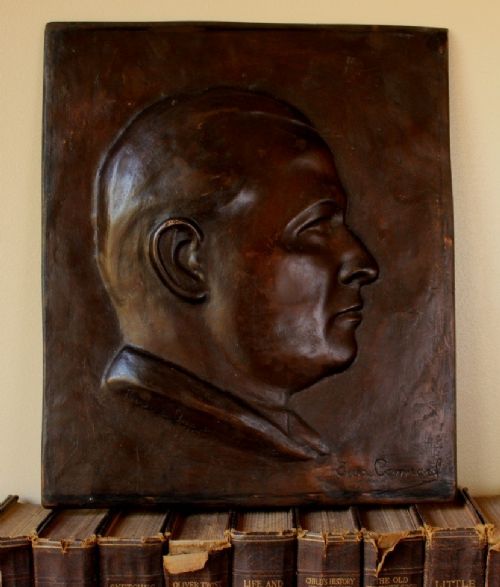
Buyers encounter distinct variations ranging from diminutive Neapolitan cabinet figures to large scale French salon bronzes. Many pieces rest on heavy fossil marble or stone bases, while others function as figural table lamps or wall plaques.
Materials and casting methods
Foundries utilised traditional lost wax and sand casting techniques to render muscle structure and facial detail in solid bronze. Artisans then applied chemical patination to achieve deep brown, black, or dark green surfaces.
Secondary materials such as fossil marble provide heavy, stable mounting bases for figures like Narcissus and classical gladiators. Plaster and carved wood appear alongside metal variants within the broader grouping.
Listings span periods from the 18th century through the Art Deco era, featuring materials such as bronze, brass, plaster, and fossil marble.
Distinctions in execution and surface
Quality depends upon the crispness of the chase work, where skilled hands cleaned the raw casting to restore sharp musculature, hair texture, and expression. Finer examples retain subtle details in fingers and drapery that lesser casts blur away.
The depth and consistency of the original dark patination heavily influence the visual impact of a bronze. Superior surfaces show tonal variation and age patination rather than flat, uniform modern chemical darkening.
Eugene Canneel·Hamo Thornycroft·Jules Dalou·Julien Lorieux·Emile Louis Picault·Giuseppe Moretti·Eugene Barillot·Sir Thomas Brock·Alajos Strobl·Mathurin Moreau·Desire Grisard·Raoul Francois Larche·Bruno Zach·Salmson
The Dark Bronze Male Sculpture Glossary
- Patination
- The chemical or natural coloration applied to the surface of metal. Dark bronze finishes range from glossy black to deep chocolate brown.
- Grand Tour
- Educational travels through Europe undertaken by 19th century collectors who purchased small bronzes after classical antiquities.
- Lost wax
- A casting method where a wax model is melted from a mould and replaced with molten bronze. This technique allows for high levels of sculptural detail.
- Casting
- The process of pouring molten metal into a mould to form a figure. Multiple grades of sand and lost wax moulds produced varied results.
- Chasing
- The manual finishing of a raw metal casting using hammers and punches. This step defines muscle lines and smooths surface imperfections.
Dark Bronze Male Sculpture: Frequently Asked Questions
What is a Grand Tour bronze?
Grand Tour bronzes are scaled reductions of classical statues produced during the 19th century for travellers visiting Italy and Greece. They served as scholarly mementos and decorative ornaments for European homes.
These pieces often depict mythological figures, emperors, and athletes cast with dark patinas and mounted on marble bases.
Are these sculptures solid or hollow?
Most large sculptures are hollow cast to reduce weight and metal usage, created using core supports within the mould. Smaller cabinet bronzes and detailed plaques are sometimes cast solid depending on the foundry.
Heavier bases of fossil marble or stone are frequently added to anchor lighter hollow figures safely.
How do I identify the period of a bronze?
Dating relies on surface patination, casting seams, base materials, and foundry marks or artist signatures stamped into the metal. Stylistic clues also connect figures to specific periods like Art Deco or Neoclassical revivals.
Comparing the casting quality and subject matter against known 19th century foundry standards helps confirm age.