


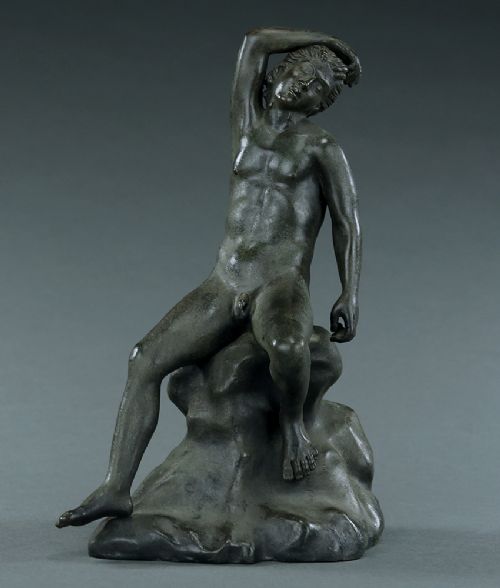


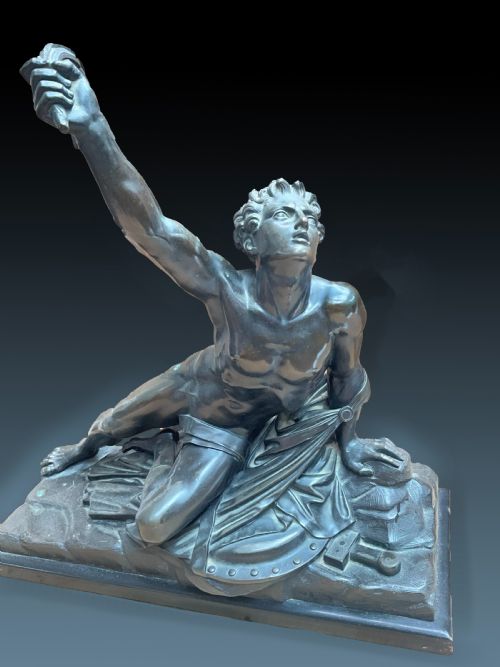
Patinated Bronze Male Figure
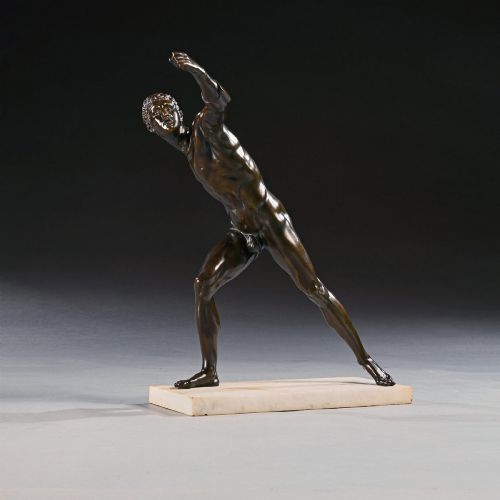
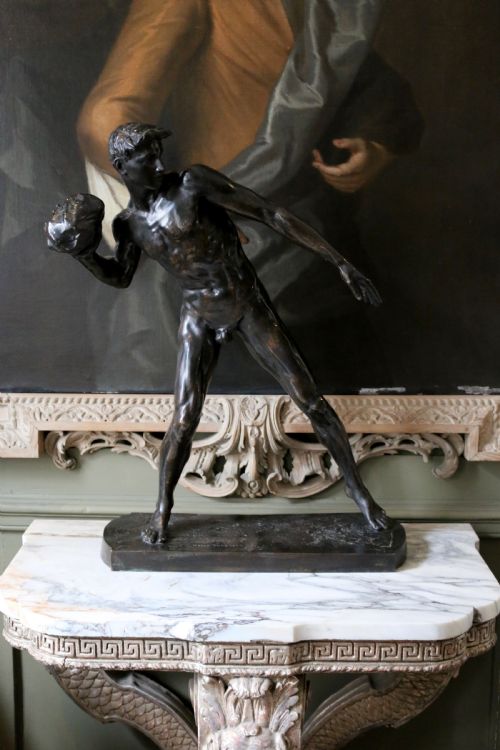
A patinated bronze male figure brings classical mythology and muscular form into an interior through cast metal worked with dark, verdigris, or green patination.
Patinated Bronze Male Figure
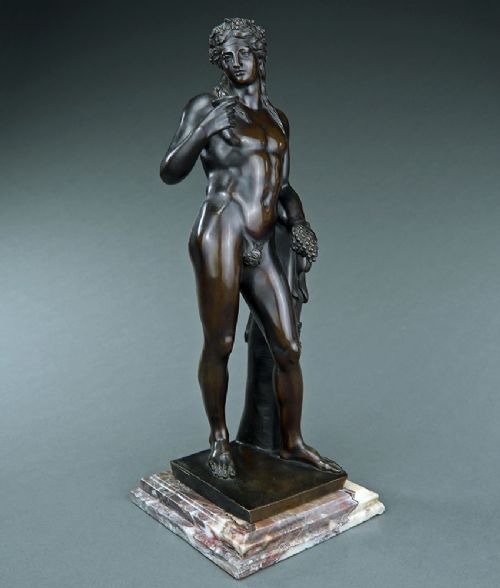
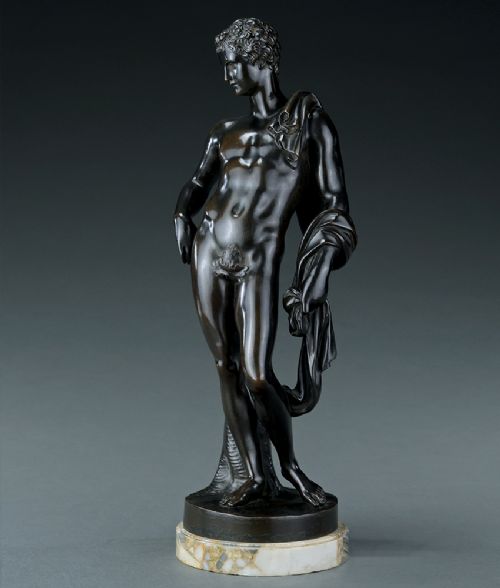
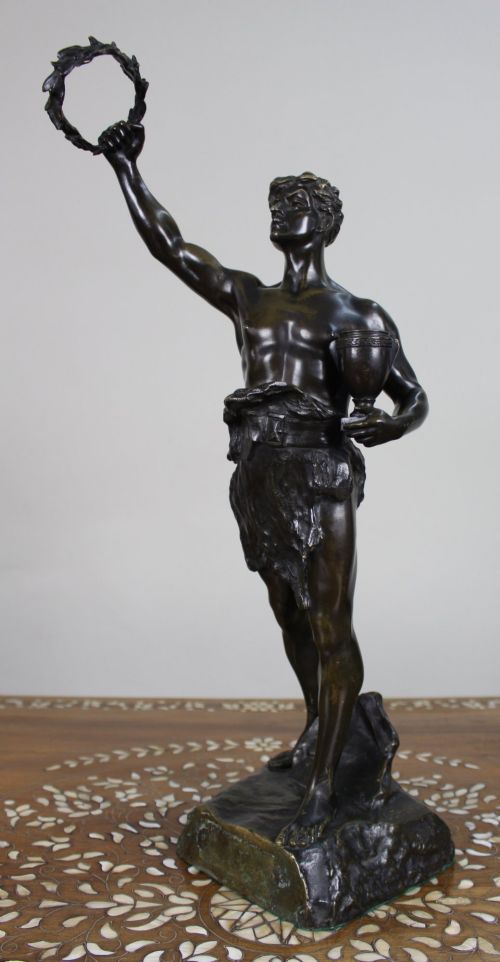
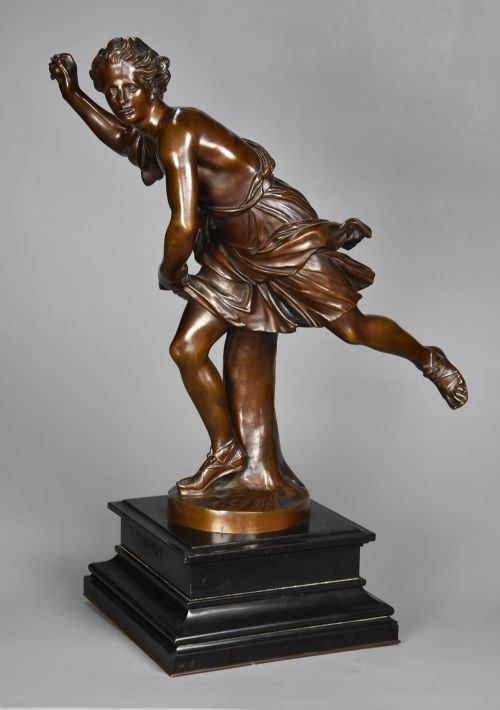
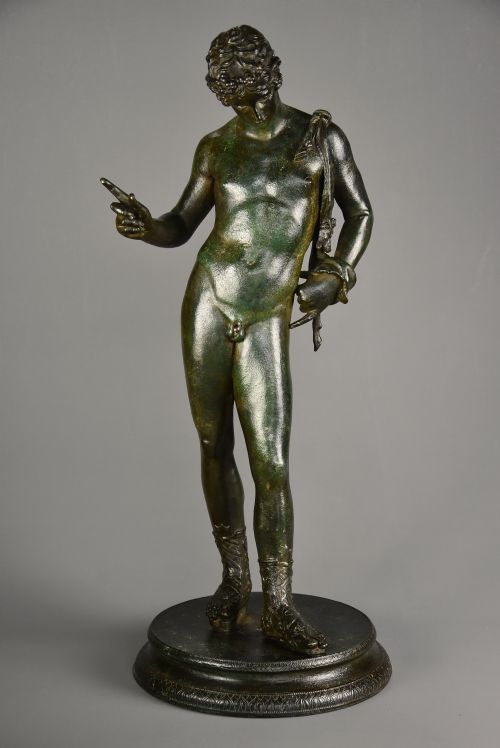
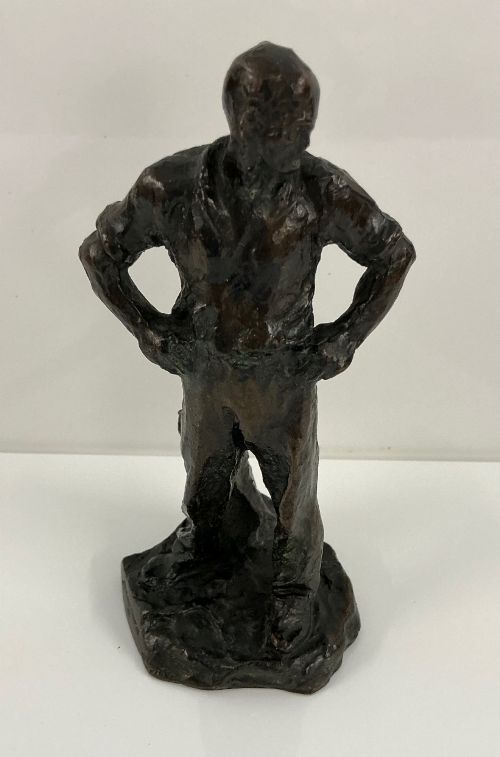
A patinated bronze male figure represents classical deities, athletes, historical soldiers, and mythological youths cast in metal during the nineteenth and early twentieth centuries. These sculptures draw heavily upon antique discoveries, Grand Tour souvenirs, and French Realism, translating classical subjects into domestic scale. A buyer exploring this category encounters library bronzes, cabinet statuettes, and larger gallery pieces depicting figures such as Narcissus, Bacchus, gladiators, and workers.
The objects originate predominantly from French foundries, Italian workshops catering to Grand Tour travellers, and British studios influenced by the New Sculpture movement. Pieces span periods from the early nineteenth century through the Art Nouveau and Art Deco eras, showing diverse stylistic treatments from strict Neoclassicism to stylised modern athleticism. Most examples met on this page date from the late nineteenth century, reflecting high production standards in European foundries.
Methods of manufacture and materials
Foundries utilised the lost-wax casting method or sand casting to produce these sculptures, allowing for intricate detail in musculature, drapery, and facial expression. After casting, the metal surface received chemical treatments to create dark patinas, verdigris highlights, or polished finishes that accentuated the contours of the male form. Many sculptures are mounted upon integral cast bases, marmo rosso, black marble plinths, or ebonised wood stands.
Makers occasionally combined bronze with contrasting elements such as carved ivory faces in chryselephantine works or mounted the metal figures upon heavy timber or stone plinths to provide stability. The quality of the chase work - where artisans used hand chisels and files to refine the raw casting - determines the crispness of hair, fingernails, and musculature before the final chemical patina is applied.
Patinated Bronze Male Figure Retail Price Guide 2026
Typical asking prices for patinated bronze male figure among the pieces listed under this phrase on Sellingantiques today, from the lower quarter to the upper quarter. They describe what is for sale here now, not the wider market.
Listings feature works cast in bronze, patinated bronze, and verdigris patina, frequently mounted on marble or ebonised wood bases across the nineteenth and twentieth centuries.
Distinctions in quality and execution
Quality rests upon the sharpness of the original chase work, where skilled hands cleaned up the raw casting to define sinew, expression, and texture without softening the details. Superior pieces retain subtle tonal variations in the patination, whereas lesser examples show flat, uniform chemical coatings that obscure the underlying metalwork. The reputation of the founder, such as Barbedienne, and the presence of a clear artist signature elevate the standing of a piece.
The weight and stability of the casting, the fidelity to the classical or original model, and the quality of the marble or wood mount contribute significantly to the overall merit of the object. Weaker castings exhibit surface pitting, clumsy repairs, or heavy-handed filing that rounds off sharp anatomical edges. A disciplined casting demonstrates anatomical accuracy and balanced proportions that remain convincing from every viewing angle.
Frederic Leighton·Louis Garnier·Barbedienne·Coustou·Hamo Thornycroft·Jules Dalou·Julien Lorieux·Emile Louis Picault·Desire Grisard·Raoul Francois Larche·Rudolf Küchler·Bruno Zach·Salmson·Auguste Moreau·Michele Amodio·Louis Auguste Moreau·E.Drouot
The Patinated Bronze Male Figure Glossary
- Patination
- The chemical treatment or natural weathering applied to the surface of bronze to alter its colour and protect the metal. Artisans utilised various acids and heat to produce dark brown, black, or green verdigris finishes.
- Grand Tour
- A traditional trip through Europe undertaken by upper-class young men in the eighteenth and nineteenth centuries to study classical art. Travellers purchased small bronze sculptures of antique statues as souvenirs.
- Lost-wax casting
- A metalworking process where a molten metal is poured into a mould that has been created by means of a wax model. Once the metal cools, the wax mould is melted and drained away.
- Chasing
- The hand-finishing process applied to a metal casting using small hammers and punches. This step refines the surface texture, sharpens details, and removes residual casting flaws.
- Neoclassical
- An artistic movement drawing inspiration from the classical art and culture of ancient Greece and Rome. Sculptures in this style emphasise restrained emotion, balanced proportions, and heroic male nudity.
Patinated Bronze Male Figure: Frequently Asked Questions
What is a patinated bronze male figure?
A patinated bronze male figure is a metal sculpture depicting a man, youth, or mythological deity, treated with chemical agents to achieve a specific surface colour.
These pieces range from small library ornaments purchased on the Grand Tour to large gallery statues cast in nineteenth-century European foundries.
How were these bronzes displayed originally?
Nineteenth-century collectors placed these sculptures upon library tables, mantelpieces, pedestals, or dedicated sculpture cabinets within domestic interiors.
Their substantial weight and integrated marble or wooden plinths allowed them to stand securely in prominent public rooms of a home.
How do I identify a Grand Tour bronze?
Grand Tour bronzes typically replicate famous classical sculptures housed in Italian museums, such as the works found in Naples or Rome.
They often feature characteristic green or verdigris patination designed to mimic excavated antiquities and were produced as souvenirs for travellers.
Are these figures solid bronze?
Many larger sculptures are hollow cast to reduce weight and metal usage, while smaller statuettes and detailed figures are occasionally cast solid.
Foundries utilised internal armatures during casting to support the structure of hollow figures.
How should I care for a bronze sculpture?
Maintenance requires occasional dusting with a soft, dry cloth to prevent the accumulation of grit within the recessed details of the patination.
Harsh chemical cleaners, abrasives, and oils should be avoided as they can strip the historic patina from the metal surface.