



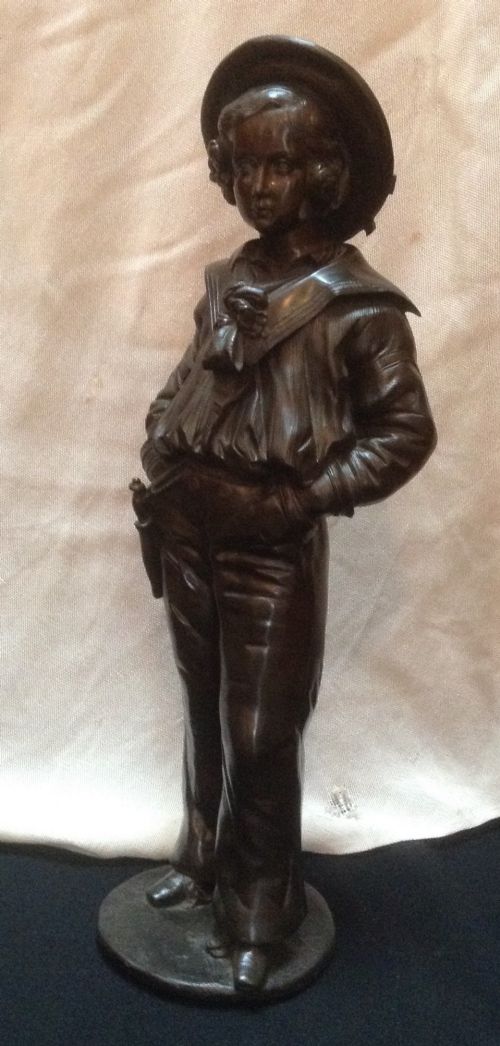


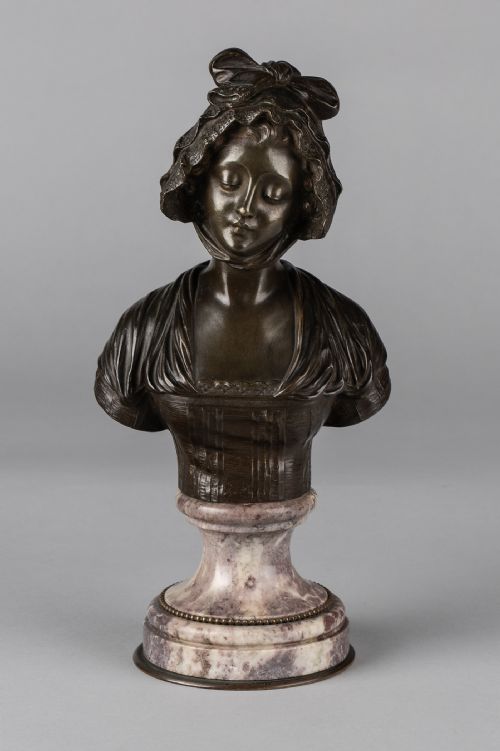


Victorian Figurative Bronze Sculpture
These nineteenth-century works capture human form and character in cast metal, bringing classical and rustic subjects straight into your home.
Victorian Figurative Bronze Sculpture
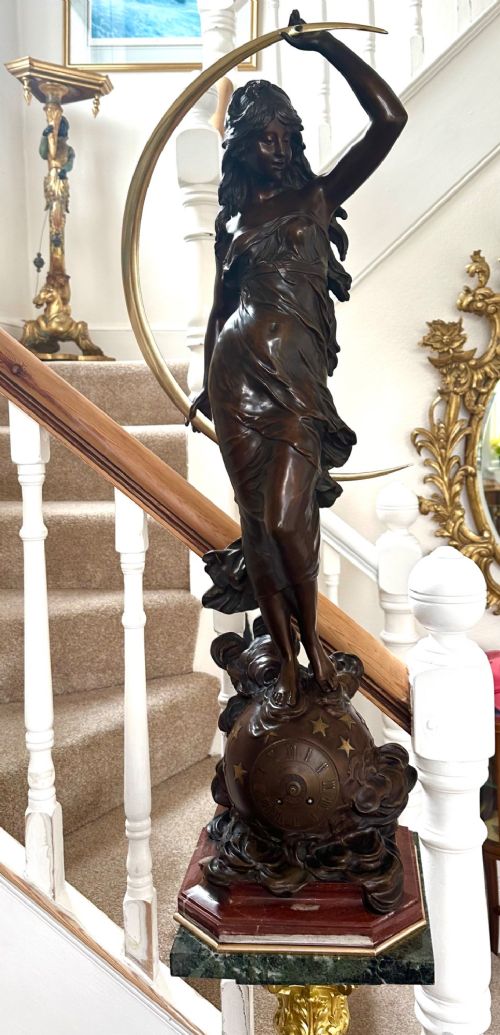
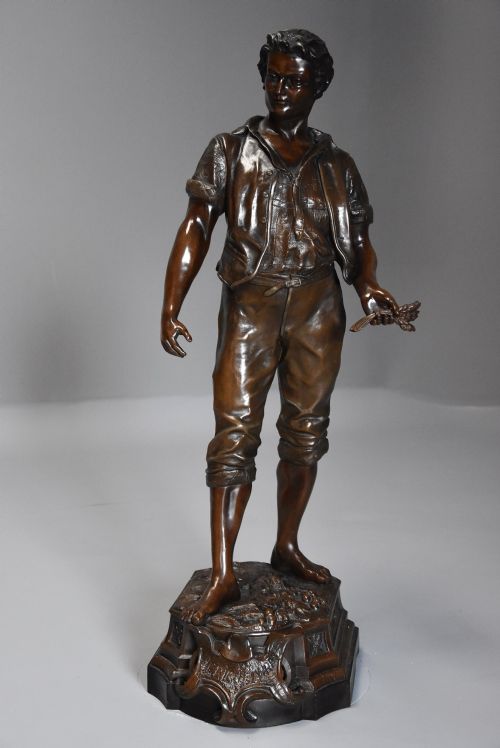
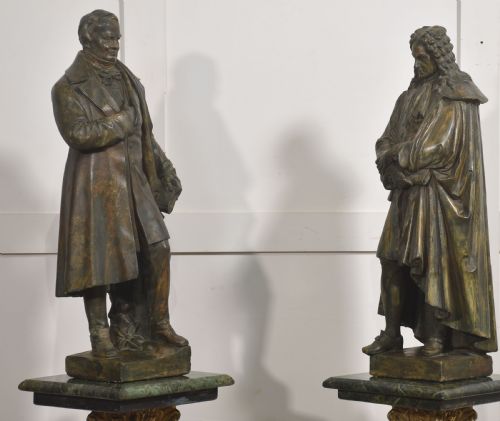
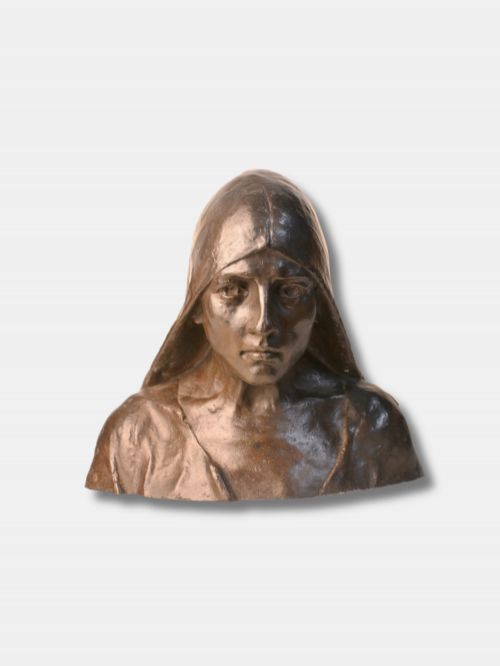
Victorian figurative bronze sculpture spans mythological figures, literary heroes, labourers, and portrait busts produced across the nineteenth century. You will encounter studies originating from British, French, and Italian foundries, reflecting varied academic and realist traditions.
The objects take diverse forms beyond standalone figures, including table lamps, candlesticks, and decorative vases incorporating human statuary. Many pieces celebrate the human shape through classical allegory or gritty realism, depicting figures from ancient deities to farm workers.
Makers ranged from prominent sculptors whose models were cast in limited editions to commercial foundries producing popular decorative figures. Signatures appear frequently on bases, tying individual works to known artists of the period.
What varies in quality
The depth and integrity of the original patination significantly influence the visual impact of the piece. A carefully maintained surface preserves the subtle tonal shifts intended by the foundry, while heavy wear or poor over-painting diminishes the definition of the sculpture.
Victorian Figurative Bronze Sculpture Retail Price Guide 2026
Typical asking prices for victorian figurative bronze sculpture among the pieces listed under this phrase on Sellingantiques today, from the lower quarter to the upper quarter. They describe what is for sale here now, not the wider market.
Listings feature diverse nineteenth-century materials including cast bronze, spelter, terracotta, and chalkware alongside marble bases.
Frederic Leighton·F. Milliot·August Moreau·Emile Jespers·Pietro Calvi·Lavergne·Eugene Laurent
The Victorian Figurative Bronze Sculpture Glossary
- Bronze
- An alloy of copper and tin prized for its tensile strength and ability to hold fine detail in casting. It develops a stable natural oxidation over time.
- Spelter
- A zinc alloy commonly utilised as a less costly alternative to bronze in nineteenth-century decorative figures. It is frequently given a bronze-colored finish.
- Patina
- The surface coloration and sheen developed naturally through age or applied chemically by the foundry. It protects the metal and defines the contours of the sculpture.
- Lost-wax casting
- A traditional method where a wax model is melted out of a ceramic mould to leave a cavity for molten metal. This technique permits high fidelity in figurative work.
- Chasing
- The manual process of refining a raw metal casting with chisels and punches. Skilled artisans use it to sharpen textures and remove casting seams.
Victorian Figurative Bronze Sculpture: Frequently Asked Questions
How do I distinguish bronze from spelter?
Bronze is heavier, rings with a clearer tone when tapped gently, and shows a warm reddish or golden hue where the metal is exposed beneath the patina. Spelter is lighter, softer to the touch, and tends to reveal a dull grey metal beneath any worn surface finish.
Examining the underside or areas of friction often reveals the true nature of the material. Spelter is also more brittle than bronze and prone to snapping under stress.
What is the significance of foundry marks?
Foundry stamps and artist signatures validate the origin and period of a sculpture, connecting the piece to specific workshops in Paris, London, or Italy. They provide evidence of professional production standards.
Unsigned pieces remain common and can still possess high artistic merit, but signed works by documented makers carry clearer historical attribution.
Why do some figures have marble bases?
Marble plinths added stability to tall or top-heavy compositions while elevating the status of the bronze figure. They were standard additions in nineteenth-century display pieces.
The stone chosen often complemented the colour of the patination, ranging from black Belgian marble to variegated red and green varieties.