

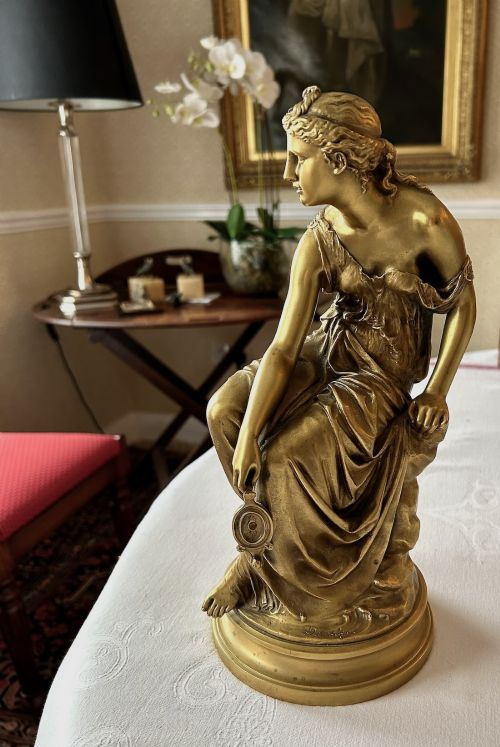
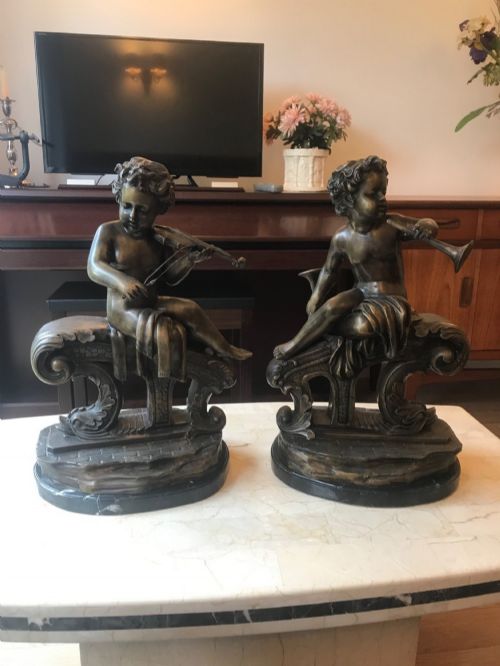
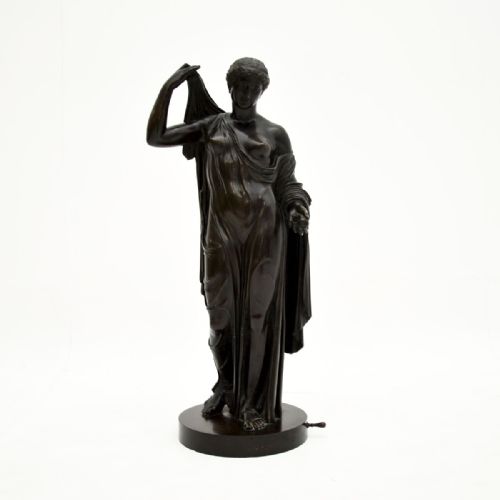
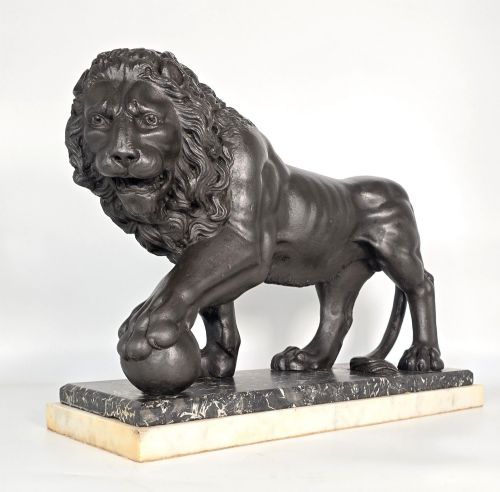
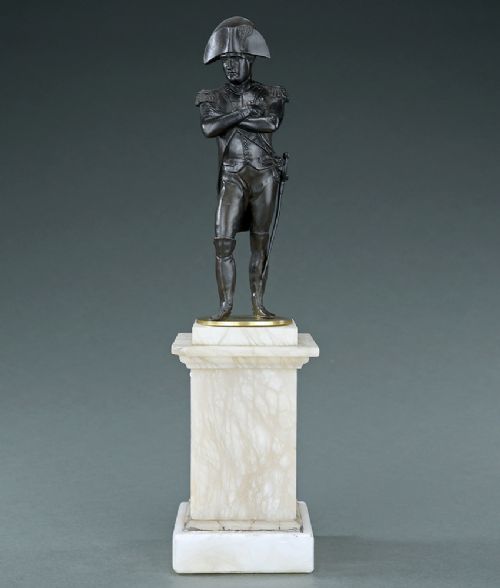


Nineteenth Century Bronze Figurine
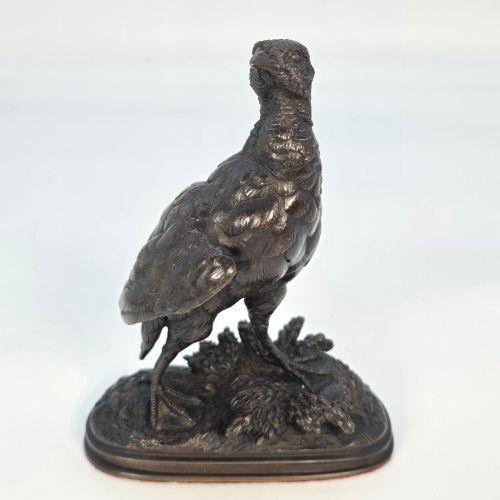
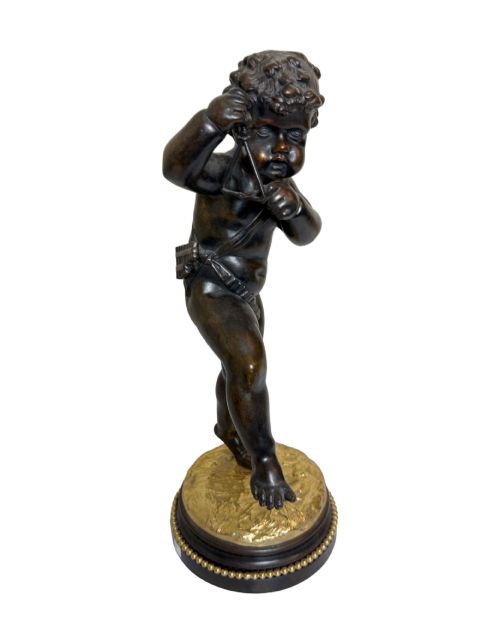
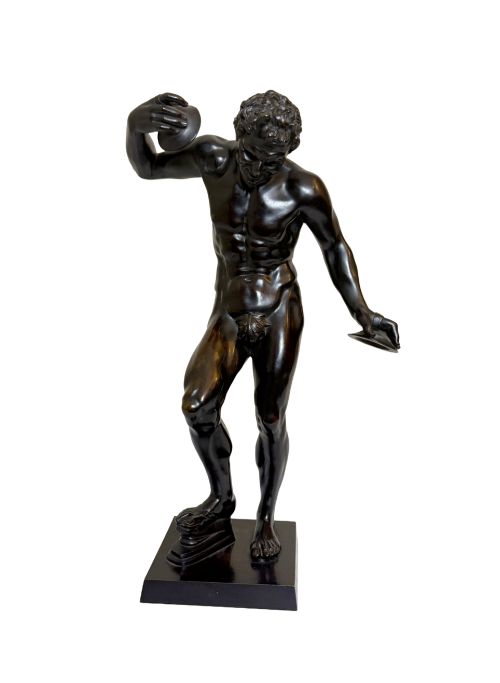
A nineteenth century bronze figurine brings classical figures, animal studies and literary subjects into focus through cast metal.
Nineteenth Century Bronze Figurine
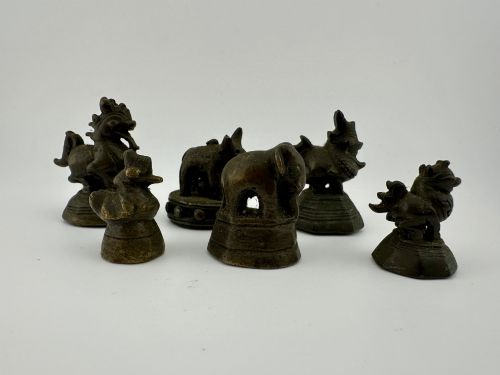
A nineteenth century bronze figurine represents sculpted metal subjects ranging from classical figures and mythological characters to animal studies and historical portraits. These pieces often take the form of small-scale sculptures, mantel clock figures, desk accessories or Grand Tour souvenirs collected during European travels.
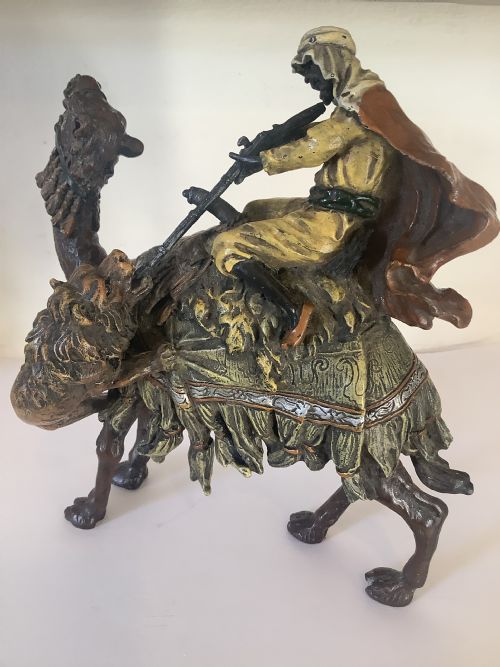
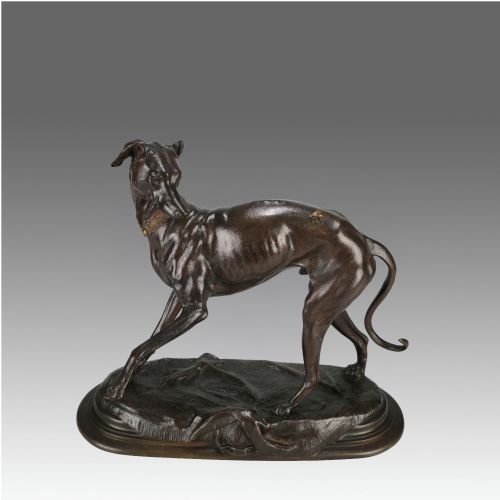
Most examples originate from French workshops, Italian foundries and Meiji period Japanese studios, spanning decorative classical subjects to realistic animalier compositions. Buyers encounter patinated bronze, gilt bronze and cold-painted variants mounted upon marble plinths, wood bases or stone stands.
How they were made
Foundries utilised traditional casting methods to pour molten bronze into moulds, capturing intricate details in drapery, musculature, feathers and surface textures. Artisans then applied chemical patination, cold-painting or mercury gilding to achieve deep colour variations across the metal surface.
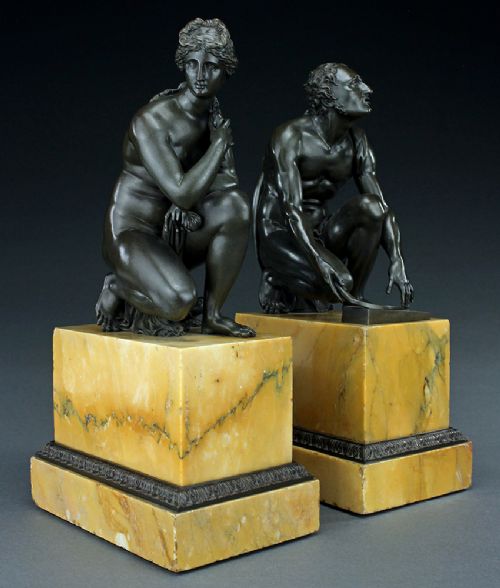
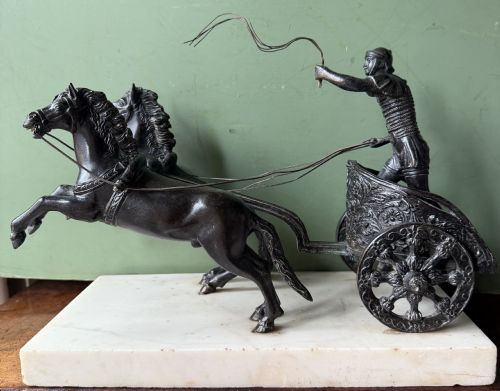
Many works combine metal with contrasting natural materials, mounting figures securely onto Siena marble, white marble or coromandel-wood plinths. Stamp marks, foundry seals and signatures are frequently chased or punched directly into the bronze base.
Nineteenth Century Bronze Figurine Retail Price Guide 2026
Typical asking prices for nineteenth century bronze figurine among the pieces listed under this phrase on Sellingantiques today, from the lower quarter to the upper quarter. They describe what is for sale here now, not the wider market.
Among the creatures cast in metal, a rhinoceros beetle and a fighting pair of tiger cubs demonstrate the Victorian appetite for unusual subjects.
What varies in quality
The integration between the sculpture and its heavy marble or stone plinth demonstrates workshop standards, alongside the clarity of foundry stamps, signatures and maker marks pressed into the metal.
Etienne-Henri Dumaige·Alfred Barye·Franz Bergman·Emile Guillemin·Georges Van Der Straeten·Victor Peter·Jean Jules Salmson·P. J. Mene·Barbedienne·Louis Auguste Moreau·Auguste Nicholas Cain
The Nineteenth Century Bronze Figurine Glossary
- Grand Tour
- A traditional trip through Europe undertaken by upper-class scholars and collectors to acquire classical antiquities and souvenir bronzes. These miniature copies of ancient sculptures formed the core of many nineteenth-century cabinet collections.
- Patinated bronze
- Metal treated with chemical solutions to produce a controlled surface colour ranging from deep brown to greenish black. This coating protects the underlying alloy and heightens sculptural depth.
- Animalier
- A nineteenth-century French artistic movement focusing on realistic depictions of animals in motion or repose. Sculptors observed wild and domestic creatures closely to capture authentic anatomy and behaviour.
- Ormolu
- Ground gold amalgamated with mercury and applied to a bronze base through heat diffusion, producing a brilliant golden finish. Also known as gilt bronze, it decorated mantel clocks and luxury ornaments.
- Meiji period
- The era of Japanese history spanning from 1868 to 1912, noted for exceptional metalwork including realistic animal okimono and patinated bronze studies. Japanese foundry techniques during this time influenced European decorative arts.
Nineteenth Century Bronze Figurine: Frequently Asked Questions
What is a grand tour bronze?
A grand tour bronze is a small souvenir sculpture purchased by travellers visiting classical sites in Italy and Greece during the nineteenth century.
These pieces typically depict famous ancient statues, mythological figures or architectural models cast in patinated bronze, often mounted on marble bases.
How do I clean a bronze figurine?
Cleaning requires only a soft, dry cloth to remove dust from the surface without disturbing the original patina.
Water, abrasives and chemical polishes should be avoided entirely because they strip away historical finishes and damage the metal.
What is cold painted bronze?
Cold painting involves applying natural pigments to an unheated bronze casting, which is then dried rather than fired in a kiln.
This technique produces vivid colours on bird and human figures, though the paint remains delicate and sensitive to handling.
Why are marble bases used?
Marble bases provide structural stability to heavy metal figures and offer an elegant visual contrast to dark patinated bronze.
Siena marble, white marble and variegated stone plinths also reflect the classical architectural styles popular during the nineteenth century.