



Antique Bronze Narcissus
An antique bronze narcissus captures the refined taste of the Grand Tour, offering a classic classical figure for any mantelpiece or study.
Antique Bronze Narcissus
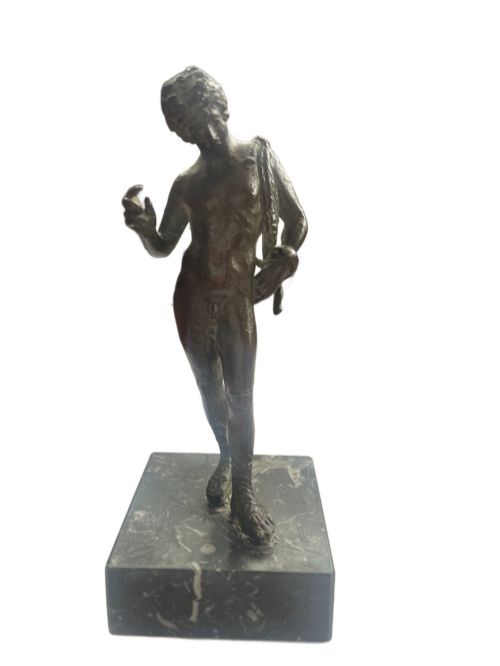
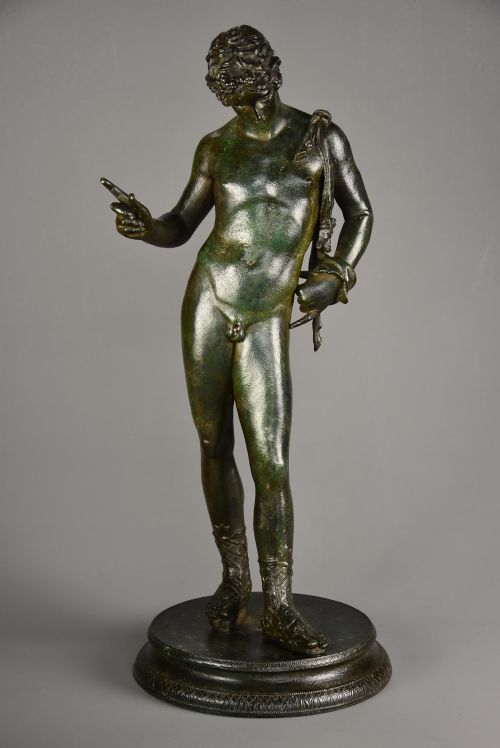
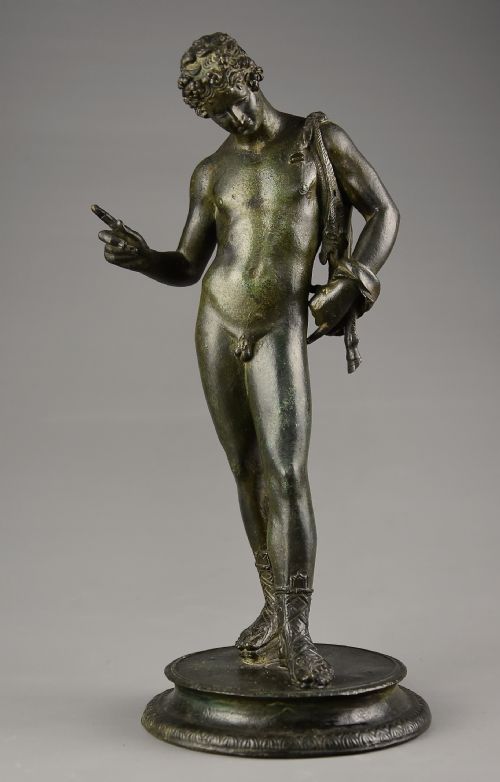
When you search for an antique bronze narcissus, you are looking at nineteenth-century sculptures produced in Italy as souvenirs for travellers on the Grand Tour. These works replicate ancient Roman originals discovered in Pompeii, portraying the mythological youth or Dionysus.
The most common pieces on this page are Neapolitan cast bronze figures standing on various bases. They reflect the classical revival styles popular during the late nineteenth century.
Collectors encounter these sculptures mounted directly on stone or metal plinths. The physical form ranges from small tabletop statuettes to larger souvenir figures.
How they were made
These sculptures are produced using traditional casting methods in bronze. Workshops applied patination techniques to achieve dark green or varied tonal finishes on the metal surface.
Selected examples incorporate contrasting natural materials such as fossil marble or standard marble for the bases. The combination of patinated bronze and polished stone creates a characteristic nineteenth-century decorative aesthetic.
Antique Bronze Narcissus Retail Price Guide 2026
Typical asking prices for bronze narcissus among the pieces listed under this phrase on Sellingantiques today, from the lower quarter to the upper quarter. They describe what is for sale here now, not the wider market.
Victorian travellers frequently debated whether their souvenir youth was admiring his reflection or pouring wine.
What varies in quality
The standard of chasing and finishing on the bronze surface distinguishes different examples. Finer casts retain crisp anatomical details and facial expressions derived from the original archaeological finds.
The choice and preparation of the supporting base also alter the overall character of the piece. Heavy fossil marble plinths and careful patination indicate higher workshop ambition.
Michele Amodio
The Antique Bronze Narcissus Glossary
- Grand Tour
- A traditional trip through Europe undertaken by upper-class Europeans in the eighteenth and nineteenth centuries to study classical art. Souvenirs from this journey include bronze sculptures purchased in Italy.
- Patinated Bronze
- Metal treated with chemicals to produce a specific surface colour, often dark green or brown. This finish mimics the aged appearance of ancient artefacts.
- Neoclassical
- A style of art and architecture inspired by the classical art and culture of ancient Greece and Rome. It dominates the design vocabulary of nineteenth-century tourist bronzes.
- Fossil Marble
- A type of limestone containing visible ancient fossils, used frequently for sculpture bases during the Victorian period. It provides a heavy and decorative mount for bronze figures.
Antique Bronze Narcissus: Frequently Asked Questions
What is an antique bronze narcissus?
These pieces are nineteenth-century bronze sculptures made in Italy as souvenirs for travellers touring classical sites. They replicate famous ancient statues discovered in Pompeii and Herculaneans.
Most portray the mythological figure of Narcissus or Dionysus, cast in metal and given a dark or green patinated finish to resemble ancient metalwork.
How were these bronzes displayed?
Travellers placed these sculptures on desks, tables or dedicated display cabinets in their homes to signal their cultural education and travels.
Many figures are permanently fixed to marble or fossil marble bases that elevate the metalwork and provide stability.
Are they Narcissus or Dionysus?
Nineteenth-century makers and contemporary dealers often use both names interchangeably for the same classical statue type. The figure is modeled after an antique original found in Pompeii.
While early excavations named the youth Narcissus, later classical scholarship frequently identifies the same iconography as Dionysus.
How do I date an antique bronze narcissus?
Most surviving examples date from the nineteenth century, particularly the decades around eighteen-eighty and eighteen-ninety. Stylistic clues include the type of green or dark patination and the character of the marble base.
Souvenirs from this period reflect the height of Grand Tour manufacturing in Naples and other Italian art centres.