

Patinated Bronze Desk Ornament
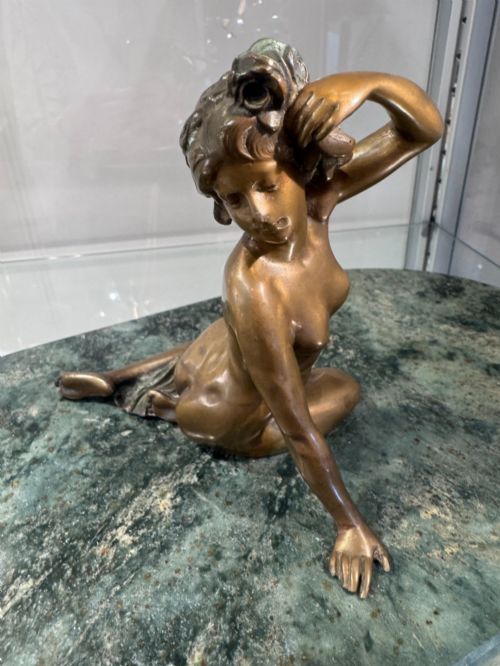
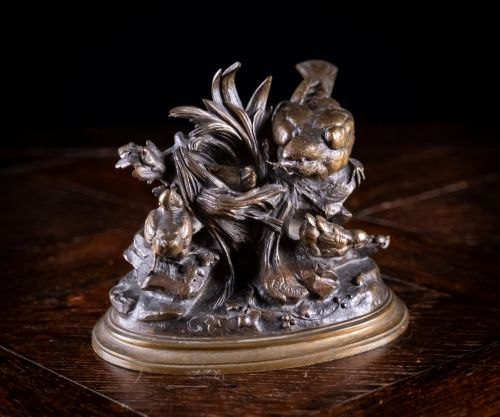
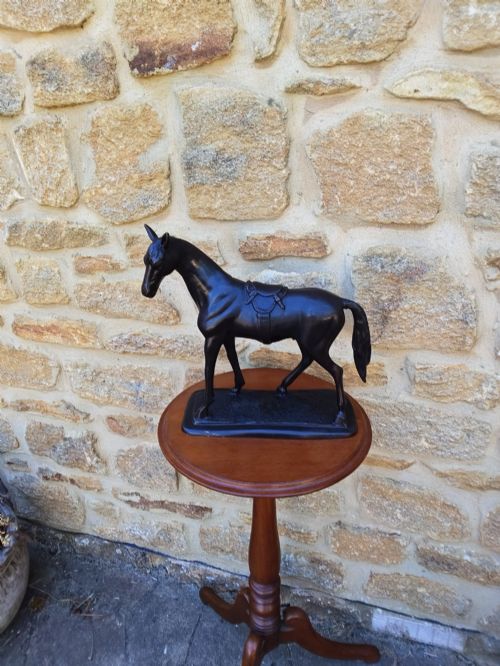
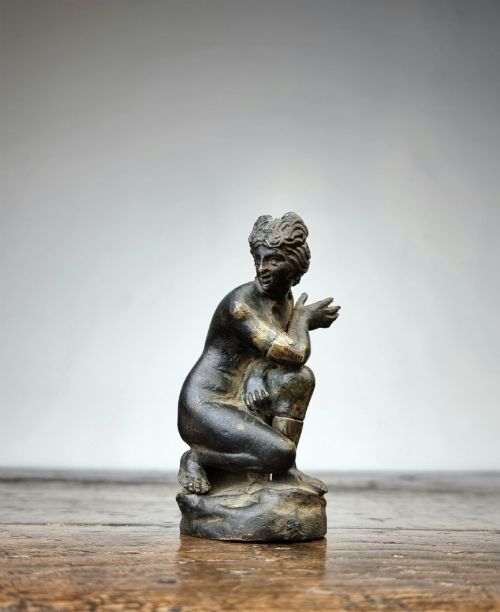
A patinated bronze desk ornament brings tactile weight and classical foundry work to a writing table, offering miniature animals, figures and architectural models.
Patinated Bronze Desk Ornament
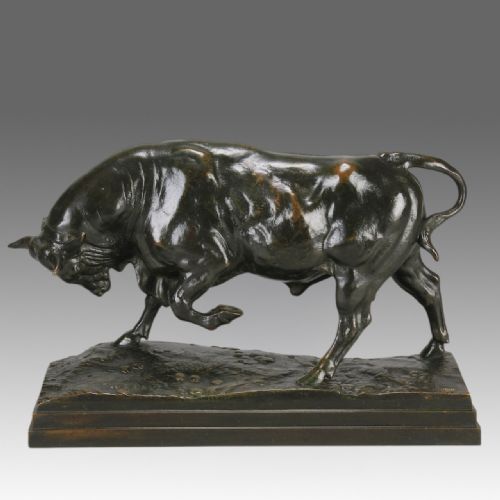
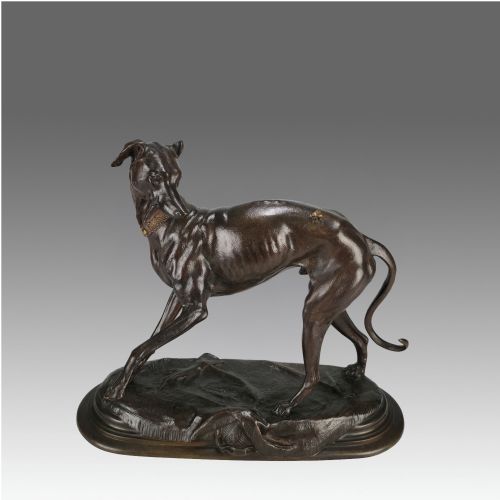
A patinated bronze desk ornament comprises small sculptures, statuettes and inkwells cast in metal and shaped into figures, animals or architectural models. These pieces draw heavily on French Animalier, Art Deco, Art Nouveau and Grand Tour traditions spanning from the seventeenth century through to the mid twentieth century.
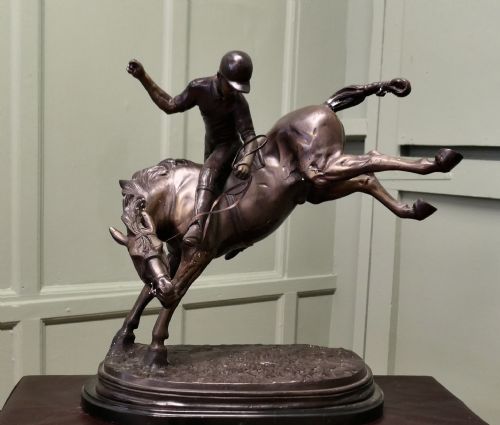
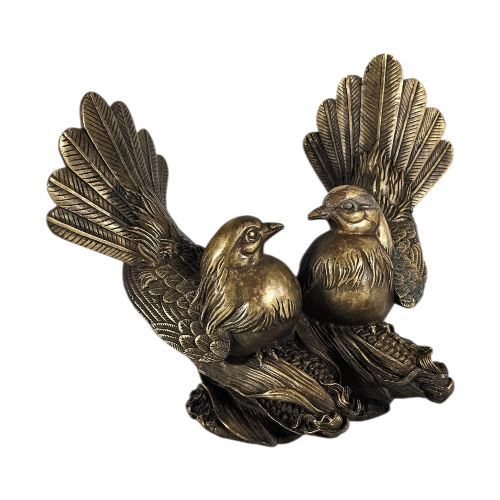
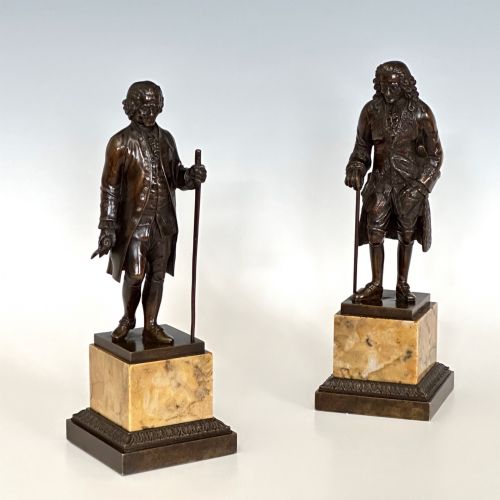
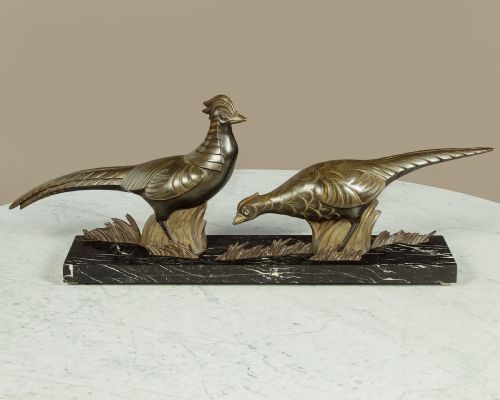
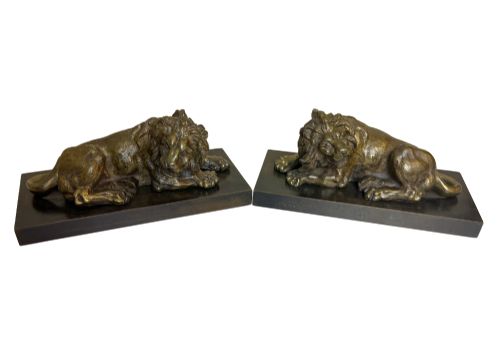
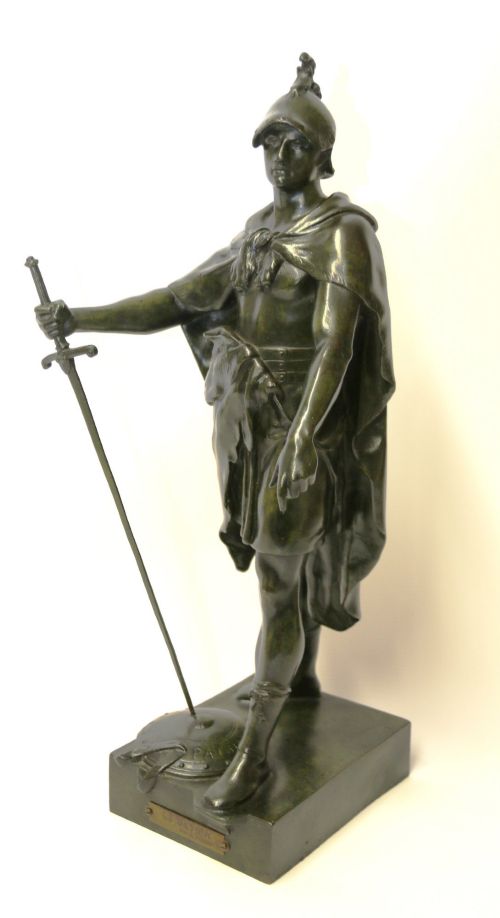
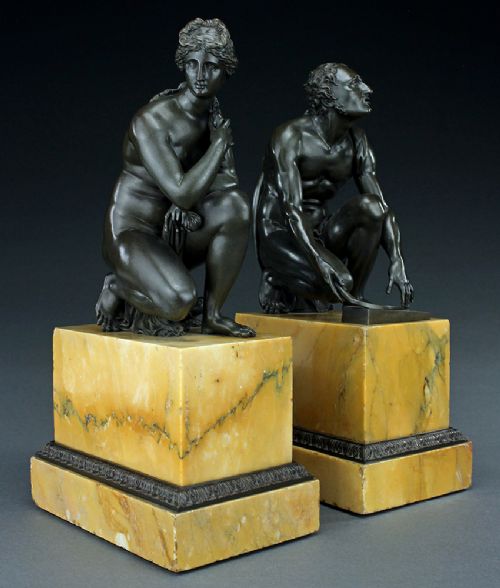
Buyers encounter subjects ranging from crouching classical deities and historical philosophers to sporting dogs, birds and lions. Many examples incorporate integral stone mounts such as marble or onyx bases that elevate the metalwork.
French and Austrian studios dominate the selection, alongside Italian Grand Tour souvenirs and English Victorian interpretations. The prevailing format is a cabinet-sized bronze intended to sit upon a desk or tabletop.
Materials and casting
Foundries utilised traditional bronze casting methods, frequently applying chemical treatments to produce a dark patina across the surface of the metal. Alternative compositions including spelter and patinated metal appear alongside solid bronze.
Mounts and integral plinths were fashioned from contrasting natural stones such as Siena marble and onyx to support the metal figures. Artisans chased and finished the cast surfaces by hand to define musculature, drapery and feather details.
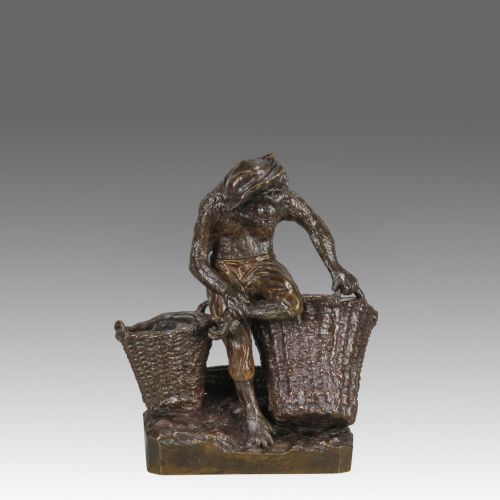
A bronze frog sits ready to leap from a Parisian workshop desk.
Evaluating the casting
The nuance of the patination determines visual depth, ranging from flat applied colour to rich, layered chemical tones that interact with ambient light. The integration between the bronze figure and its stone base also signals workshop standard.
Émile Louis Picault·Antoine Louis Barye·Christophe Fratin·Alfred Barye·Isadore Bonheur·Clovis Masson·Barbedienne
The Patinated Bronze Desk Ornament Glossary
- Patinated bronze
- Bronze that has been treated with chemical acids to produce a coloured surface layer. This finish protects the metal and defines the shadows.
- Animalier
- A nineteenth-century artistic movement dedicated to the realistic portrayal of animals. Sculptors in this tradition focused closely on anatomical movement and behaviour.
- Grand Tour
- A traditional trip through Europe undertaken by upper-class scholars and collectors. Travellers frequently purchased small bronzes of classical monuments and antiquities as souvenirs.
- Spelter
- An alloy of zinc and lead cast as a cheaper alternative to bronze. It is often painted or chemically finished to resemble heavier metal.
- Chasing
- The manual finishing of a raw metal casting using small punches and hammers. This process refines textures and removes casting flaws.
Patinated Bronze Desk Ornament: Frequently Asked Questions
How do I clean a patinated bronze desk ornament?
Dust the surface gently with a soft, dry brush to remove particles without disturbing the chemical finish. Avoid abrasive cloths, water or chemical polishes that can strip the patination away.
Apply a very thin microcrystalline wax if the metal requires protection against atmospheric moisture. Buff the wax off lightly with a clean cloth after application.
Are these pieces solid bronze or plated?
The listings comprise solid cast bronze alongside alternative metal alloys such as spelter. Foundry practises varied depending on the workshop and the intended cost of the object.
Weight, surface temperature to the touch and inspection near felt or unmounted bases help distinguish solid metal. Descriptions specify the material composition where recorded.
Why do some bronzes have stone bases?
Stone bases provided stability for slender or top-heavy figures placed on furniture and desks. Siena marble and onyx were favoured by European foundries for their visual contrast with dark metal.
Mounts also served an aesthetic function during the Art Nouveau and Art Deco periods, anchoring the sculpture within a geometric composition. Many figures were cast specifically to fit these integral plinths.
How can I tell a nineteenth-century cast from a later one?
Nineteenth-century casts typically display hand-chased surface details and heavier, more complex patination layers. Foundries marked their work with stamps, cachets or signatures that correspond to historical operational dates.
Later reproductions often exhibit softer detail lines and simplified underside construction. Comparing the casting crispness to documented workshop examples clarifies the period.