


Dark Bronze Jardiniere
A dark bronze jardiniere brings heavy metal plant display into a room, offering nineteenth-century Japanese craftsmanship to interior spaces.
What a dark bronze jardiniere is
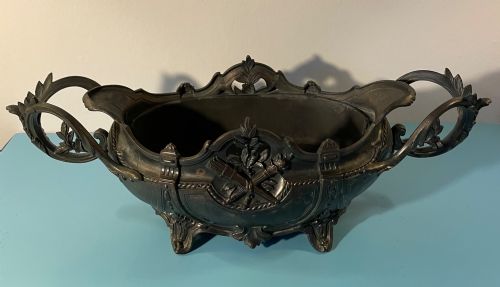
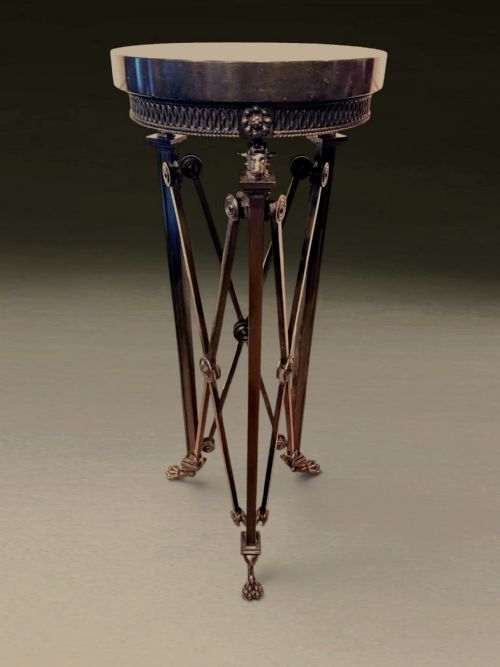
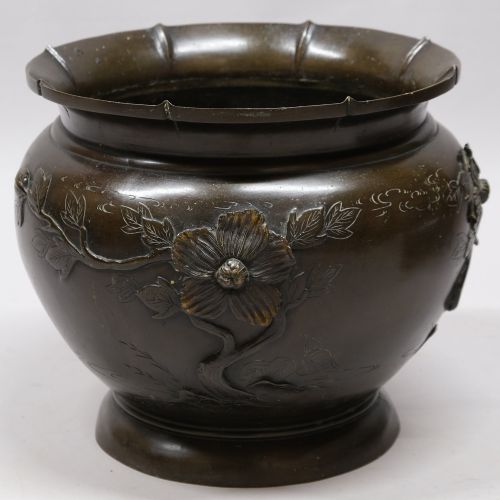
When you search for a dark bronze jardiniere, you encounter heavy nineteenth-century metal vessels designed to hold plants and floral arrangements. The examples on this page span the Victorian era, the late Edo period, and the Meiji period, originating from Japanese workshops.
The forms on this page appear as planters, jardiniere vessels, and large bronze vases configured for botanical display. Most pieces date from the nineteenth century, including specific dates around eighteen-fifty and eighteen-sixty.
Buyers meet both single vessels and paired items within these listings, reflecting the decorative arts exported from Japan during the nineteenth century. These objects function simultaneously as plant holders and sculptural metalwork.
How they were made
The construction relies entirely on bronze metalwork, cast and shaped in Japanese workshops during the Edo and Meiji periods. Artisans utilised traditional metal casting techniques to form the heavy bodies of the jardiniere vessels.
Surface finishing creates the dark bronze coloration characteristic of these planters and vases, achieved through metal treatment rather than surface paint. The weight of the material reflects nineteenth-century casting standards.
Retail Price Guide 2026
Typical UK retail prices for dark bronze jardiniere, calculated from the Sellingantiques database of over a million retail prices indexed since 2003. This retail price guide relies exclusively on Sellingantiques data; no external sources or auction records are used, so the figures do not describe the wider market.
Nineteenth-century metalworkers occasionally gave heavy bronze planters a second life as indoor tree pots.
What varies in quality
Quality in a dark bronze jardiniere rests upon the crispness of the casting and the tactile presence of the metal. Superior pieces demonstrate confident handling of form and scale, particularly among large nineteenth-century examples.
The distinction between standard utility vessels and finer decorative pieces lies in the articulation of the bronze surface. Heavier casting and deliberate proportions separate the more ambitious Japanese workshop output from simpler forms.
The Dark Bronze Jardiniere Glossary
- Jardiniere
- An ornamental pot or stand for holding plants or flowers. These nineteenth-century examples are cast in bronze.
- Meiji Period
- The era in Japanese history lasting from eighteen-sixty-eight to nineteen-twelve, associated with many bronze pieces on this page.
- Edo Period
- The period in Japanese history preceding the Meiji era, represented here by late-period pieces dating around eighteen-fifty.
- Suiban
- A shallow Japanese basin used for displaying cut branches or floral arrangements. These metal vessels share forms with jardiniere planters.
- Ikebana
- The traditional Japanese art of flower arrangement. Vessels on this page frequently relate to these botanical practices.
Frequently Asked Questions
What is a dark bronze jardiniere used for?
These nineteenth-century bronze vessels serve primarily to hold potted plants and floral displays within a room. Their heavy metal construction provides a stable base for substantial botanical arrangements.
Historically, Japanese workshops created these pieces for both domestic display and export to Victorian markets. Today, buyers utilise them for interior plant styling or as standalone decorative objects.
How old are these bronze jardiniere planters?
The pieces listed on this page date from the nineteenth century, specifically spanning the Victorian era and the Japanese Edo and Meiji periods. Several items reference specific dates around eighteen-fifty and eighteen-sixty.
This places the manufacture of these bronze vessels firmly in the middle and later decades of the nineteenth century. Japanese craftsmanship from this era defined the export market for decorative metalwork.
Where were these bronze pieces made?
These jardiniere vessels originate from Japan, produced during the Edo and Meiji periods. Japanese metalworkers utilised bronze casting techniques to create these heavy decorative planters.
The influence of Japanese design reached Victorian buyers through nineteenth-century trade and export. This connection explains the presence of Meiji period bronze in European and British collections.
How do I style a bronze jardiniere at home?
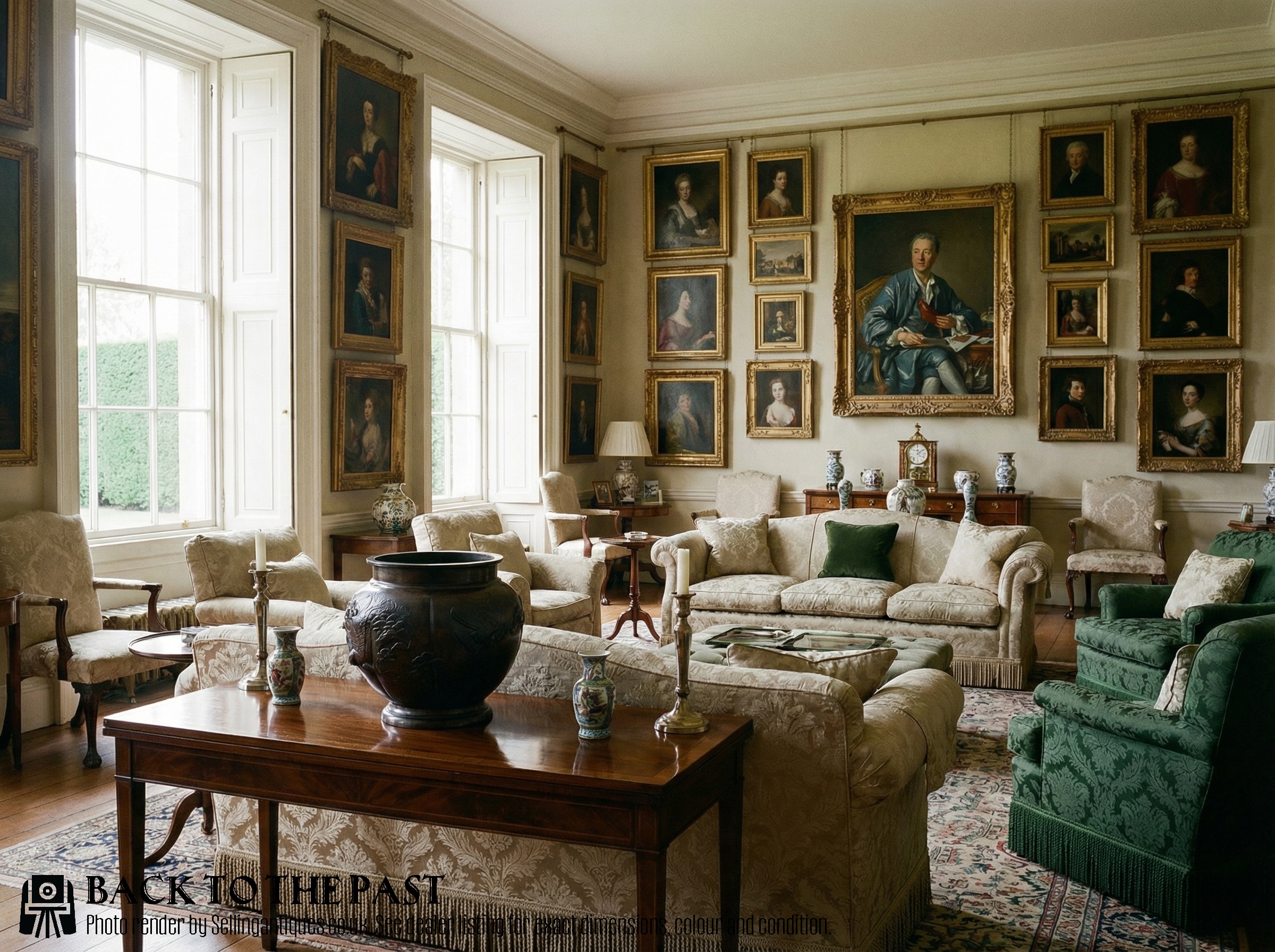
A bronze jardiniere requires a sturdy surface due to the heavy metal weight of nineteenth-century Japanese pieces. Placing the vessel where natural light highlights the dark bronze surface enhances its visual impact.
You can use the jardiniere for large house plants or traditional floral displays. The dark metal finish pairs well with timber furniture and neutral interior palettes.