


Daisy Makeig Jones Ceramic
Daisy Makeig Jones ceramic pieces combine intricate fantasy scenes with striking lustre glazes.
Daisy Makeig Jones Ceramic
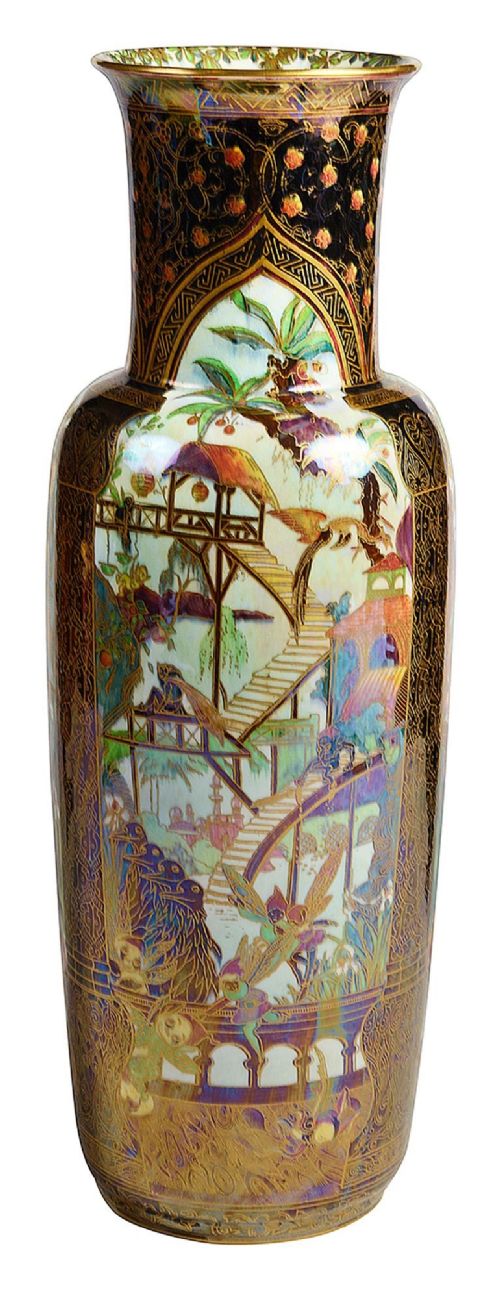
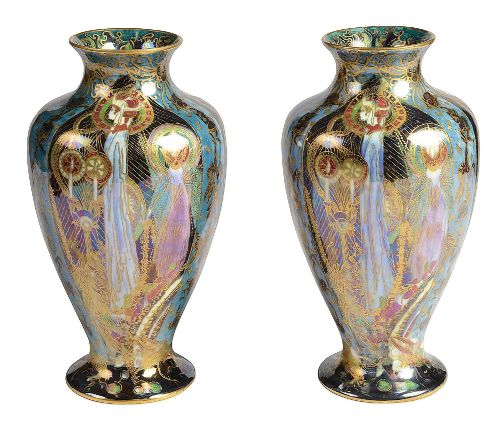
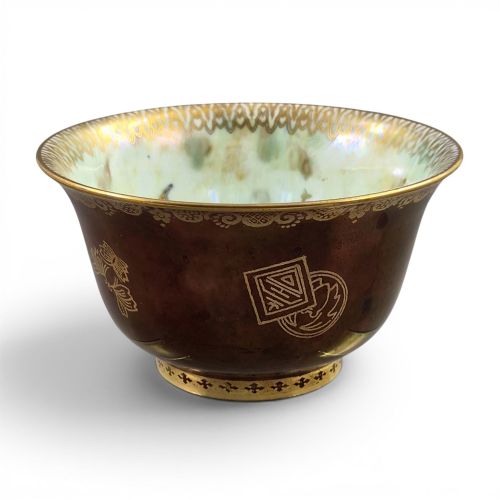
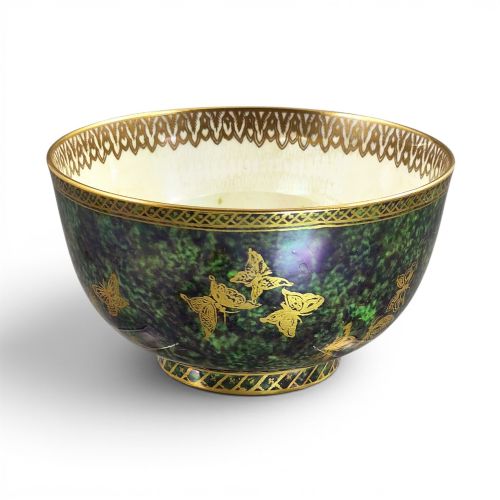
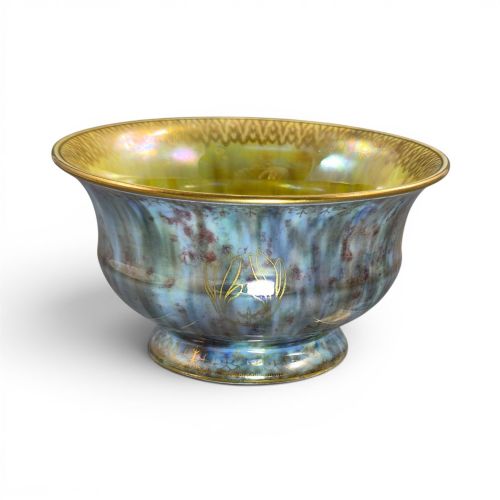
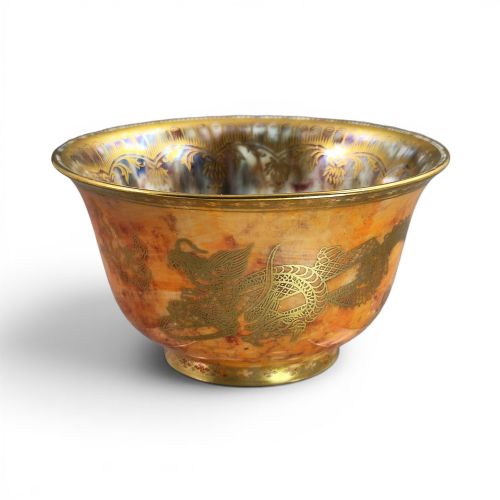
When you search for daisy makeig jones ceramic, you encounter pieces originating from the Edwardian period through the 1920s. The selection consists principally of decorative bowls, vases, and miniature cups produced by Wedgwood.
Octagonal and baluster forms dominate the inventory alongside standard bowls and vases. Designs span Fairyland patterns and traditional dragon or butterfly motifs.
How they were made
Makers utilised porcelain and bone china as the primary bases for these forms. Artisans applied lustre glaze to achieve shimmering, iridescent surfaces across the bodies.
Gilding, gold leaf, and gold gilt provide metallic accents and outlines on the ceramic bodies. Detailed pictorial designs are painted over the glazed surfaces.
Daisy Makeig Jones Ceramic Retail Price Guide 2026
Typical asking prices for daisy makeig jones ceramic among the pieces listed under this phrase on Sellingantiques today, from the lower quarter to the upper quarter. They describe what is for sale here now, not the wider market.
Some miniature cups manage to squeeze an entire mythical dragon onto a tiny ceramic surface.
What varies in quality
The complexity of the decorative scheme separates standard wares from elaborate examples. Fairyland and celestial dragon designs demand extensive artistic precision compared to simpler butterfly patterns.
The application of gold leaf and lustre glaze determines the visual depth of each object. Rich colour saturation in the mottled glazes enhances the overall presentation.
Wedgwood
The Daisy Makeig Jones Ceramic Glossary
- Lustre Glaze
- A type of ceramic glaze that produces an iridescent metallic sheen. It reflects light in shifting hues.
- Bone China
- A soft-paste porcelain incorporating bone ash. It provides a durable and translucent white body.
- Baluster
- A cylindrical furniture or vessel support that swells toward the base. This shape appears on several tall vases.
- Octagonal
- A geometric form possessing eight sides. Several bowls utilise this angular shape.
Daisy Makeig Jones Ceramic: Frequently Asked Questions
What is daisy makeig jones ceramic?
These items are decorative ceramic vessels and bowls designed by Daisy Makeig-Jones for Wedgwood.
They date from the Edwardian era up to the 1920s and incorporate lustre glazes.
How were these ceramics used?
The pieces served primarily as decorative items for display within Edwardian and early twentieth century interiors.
Forms such as octagonal bowls, baluster vases, and miniature cups functioned as ornamental centerpieces.
How do I identify a fairyland pattern?
Fairyland patterns depict imaginative scenes involving mythical creatures, fairies, and intricate landscapes.
They often combine rich lustre glazes with extensive gold leaf detailing.
What materials make up these objects?
Makers constructed the bodies using porcelain and bone china.
Surfaces feature lustre glaze finished with gilding, gold leaf, and gold gilt.