


Cut Glass Centerpiece
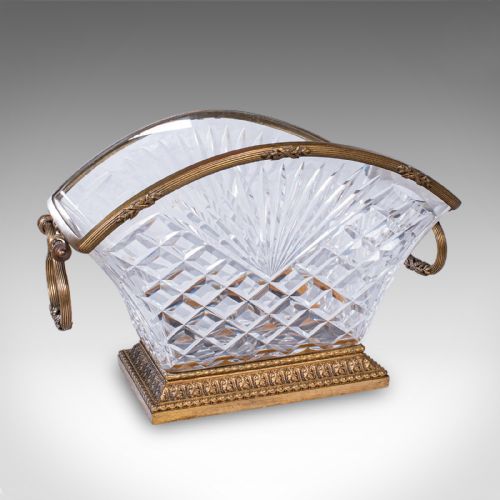
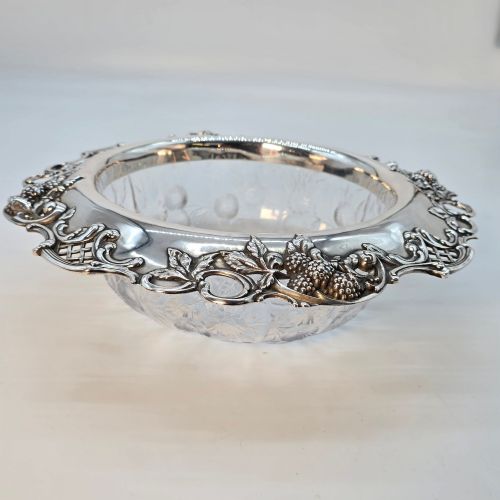
A cut glass centerpiece anchors a formal dining table, catching the light through heavy crystal bowls and elaborate metal mounts.
Cut Glass Centerpiece
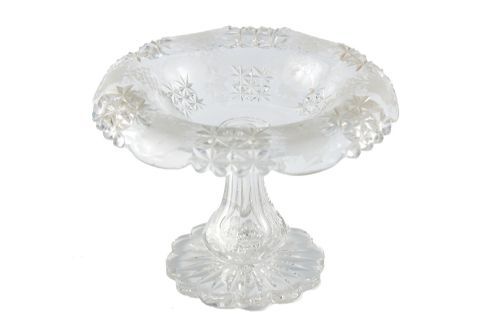
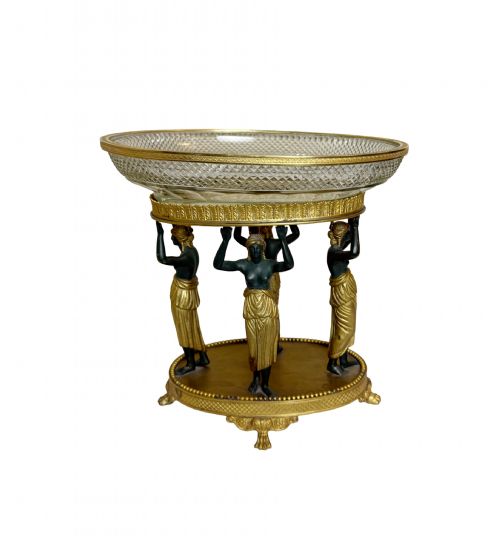
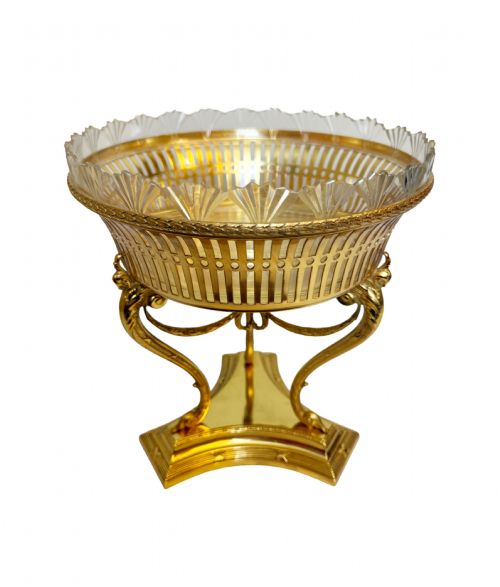
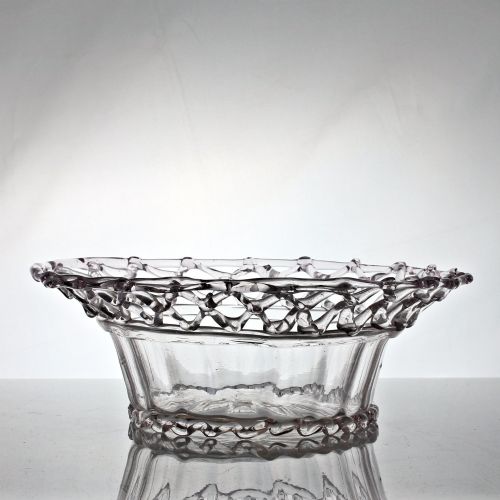
A cut glass centerpiece functions as a grand decorative focal point for tables, taking the form of deep bowls, baskets, and comport stands designed to hold fruit or flowers. The selection spans distinct periods from the Georgian era through the Victorian and Edwardian decades, reaching into Art Deco designs.
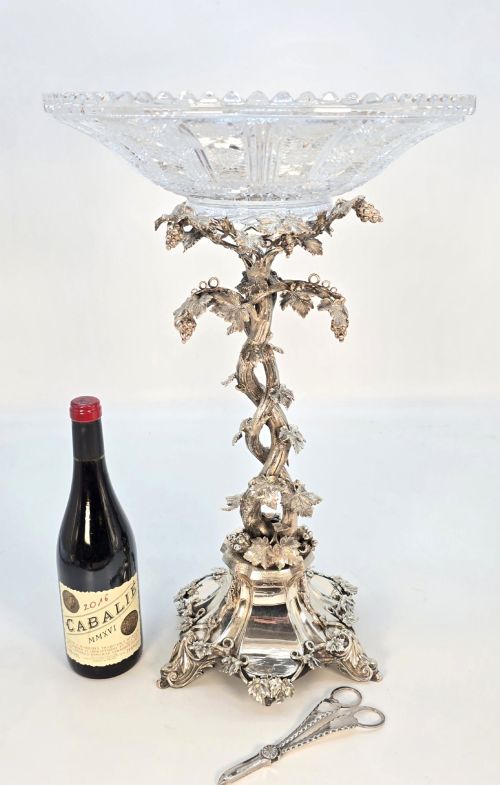
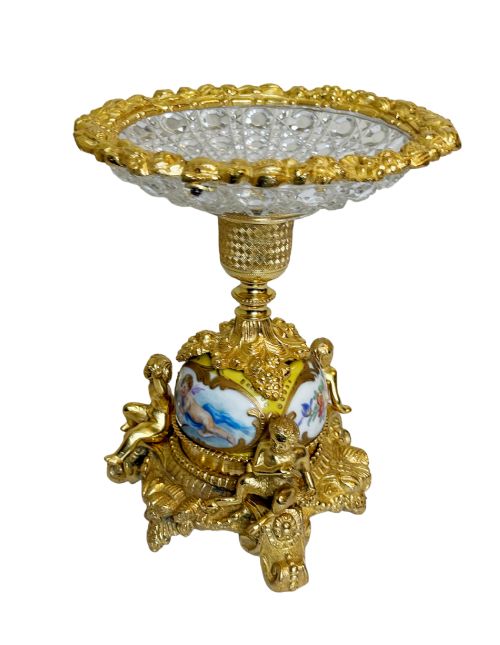
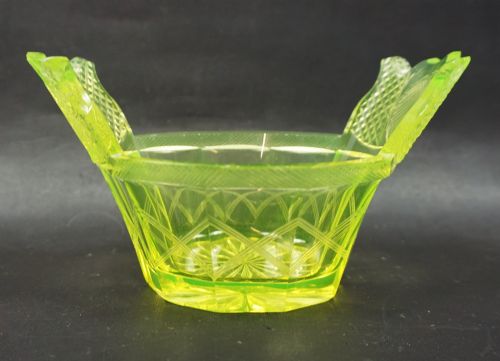
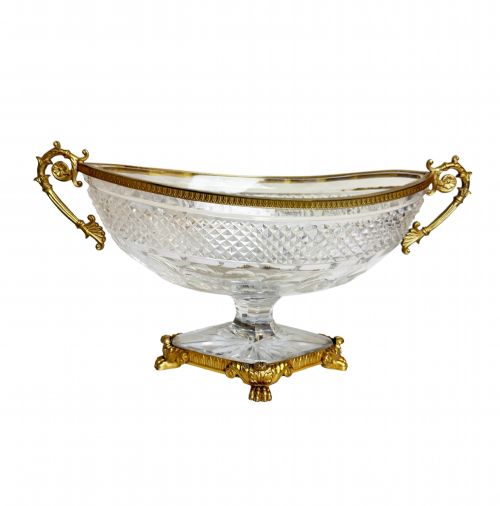
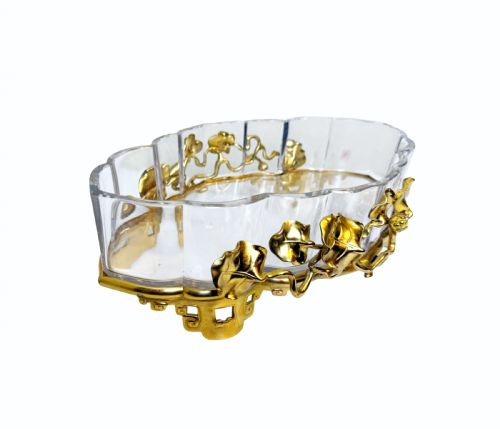
Most examples pair a heavy glass vessel with a metal frame, ranging from cast silver plate and sterling silver to gilt bronze and ormolu. Buyers frequently encounter nineteenth-century English and French pedestal bowls alongside vibrant coloured glass pieces from Belgian makers.
Beyond standard table centrepieces, the category encompasses related dining table elements such as silver-plated cruet sets with cut glass bottles and multi-branched candelabra. These items reflect formal nineteenth and early twentieth-century dining customs where tables required substantial decorative centrepieces.
How they were made
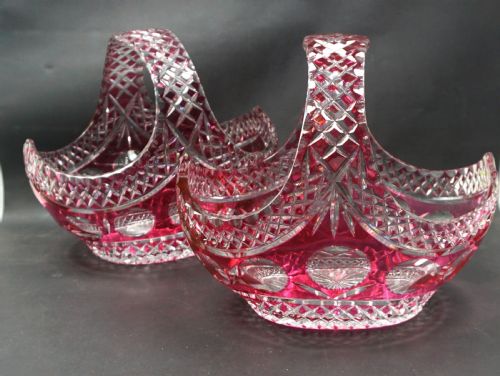
Glass vessels begin as hand-blown or moulded lead crystal, subsequently finished on a wheel where artisans cut deep geometric, fluted, or faceted patterns into the clear or overlaid surface. Coloured pieces often utilise cased glass techniques, layering vibrant hues like cobalt blue, emerald green, or ruby red over clear crystal before cutting back to reveal the contrast.
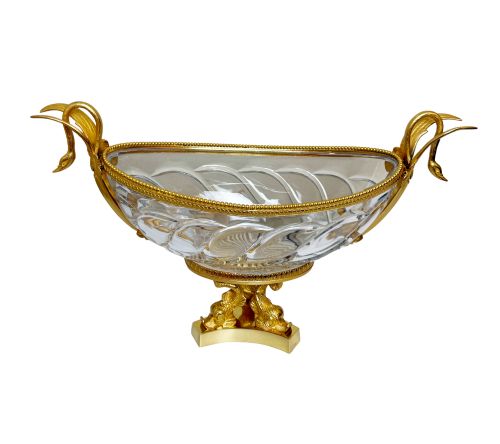
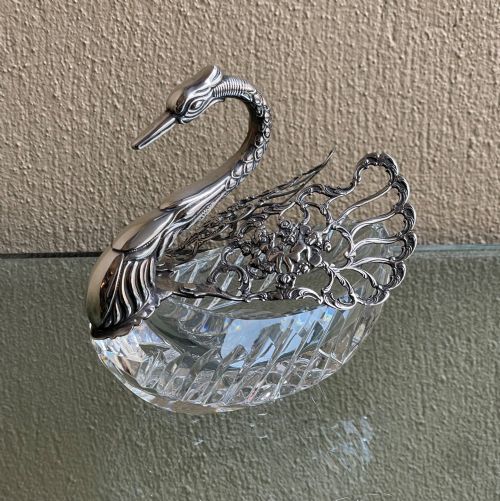
Metal mounts and frames involve casting techniques, utilising bronze, ormolu, silver plate, or sterling silver to create intricate scrollwork, cherubs, swan figures, and architectural stands. These metal structures are engineered to securely cradle heavy glass bowls, baskets, and liners.
Several Victorian designs incorporate heavy metal swans gazing permanently into deep crystal ponds, ready to serve.
What varies in quality
The weight and depth of the glass cutting separate standard items from superior works, with fine pieces exhibiting crisp, sharp facets that refract light intensely without surface waviness. The clarity of the crystal itself, free from bubbles or cloudiness, dictates the baseline value of the bowl.
The craftsmanship of the metal mount defines the upper tier of the market, where chased details, substantial gilt bronze, or solid sterling silver frames indicate high-status workshops. Integral harmony between the glass insert and its metal stand, rather than mismatched replacements, preserves the integrity of the piece.
Tiffany & Co.·Val St. Lambert·Thomas Bradbury·Elkington & Co·Charles Graffart·Joseph Simon
The Cut Glass Centerpiece Glossary
- Ormolu
- Gilded bronze mounts popular in French Empire and Victorian decorative arts. This technique applies a gold-mercury amalgam to bronze, producing a rich metallic sheen.
- Comport
- A raised decorative pedestal bowl or dish used for serving fruit or sweets on a dining table. They typically feature a wide shallow basin elevated on a sturdy foot or stem.
- Cruet set
- A matched collection of glass bottles or cruets held within a metal frame for dispensing condiments. These sets frequently utilise cut glass bottles fitted with silver-plated or sterling silver mounts.
- Over crystal glass
- A technique where a layer of coloured glass is fused over a clear crystal base. Artisans then cut through the coloured layer to expose the clear glass underneath.
- Jardiniere
- An ornamental pot or stand designed to hold live plants or floral arrangements. In this context, they often incorporate cut glass liners within heavy bronze or plated frames.
Cut Glass Centerpiece: Frequently Asked Questions
What is a cut glass centerpiece used for?
These large vessels served as the visual anchor of formal dining tables, traditionally piled high with fresh fruit, flowers, or sweetmeats during large banquets and dinner parties.
Today, they function as striking decorative accents on sideboards, large dining tables, or entrance hall consoles where their heavy crystal and metal mounts catch the ambient light.
How do I identify a Georgian centerpiece?
Georgian pieces, dating roughly from the late eighteenth to the early nineteenth century, typically exhibit heavy lead crystal with hand-cut flutes, diamonds, and substantial polished pontil marks on the base. They often feature simple, elegant proportions without the heavy ornamentation seen later in the century.
Metal components from this era usually consist of Sheffield plate or early silver plate, displaying softer patinas and simpler classical lines influenced by Regency and Neoclassical styles.
Can I use these bowls for serving food?
Most antique bowls are safe for holding dry foods, fruit, or wrapped sweets, provided the glass is clean and free from internal cracks or unstable repairs. However, highly acidic foods should be avoided, particularly with pieces featuring older metal mounts or lead-heavy crystal.
Pieces paired with delicate ormolu frames or silver plating require careful hand washing rather than immersion in hot water or dishwashers to protect the metal finishes.
How do I distinguish Victorian from Edwardian styles?
Victorian centerpieces tend to be ornate, heavy, and dramatic, frequently incorporating elaborate silver-plated frames, cobalt blue or cranberry glass, and figures like cherubs or swans. The cutting is often deep and complex, reflecting a preference for rich display.
Edwardian examples often lean toward lighter proportions, cleaner lines, and brighter sterling silver mounts. The glass cutting during this later period can be finer and more precise, aligning with early twentieth-century tastes.