
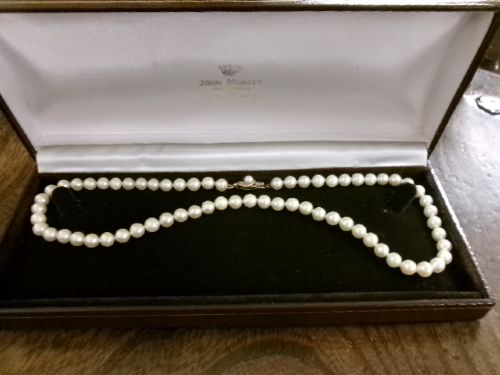
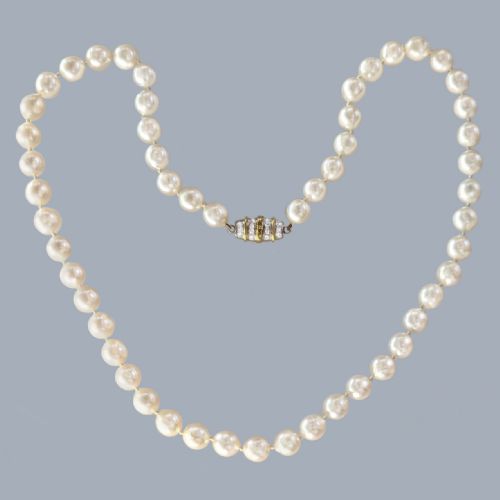
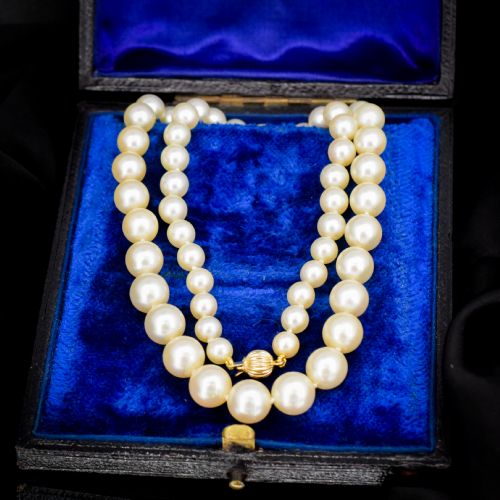
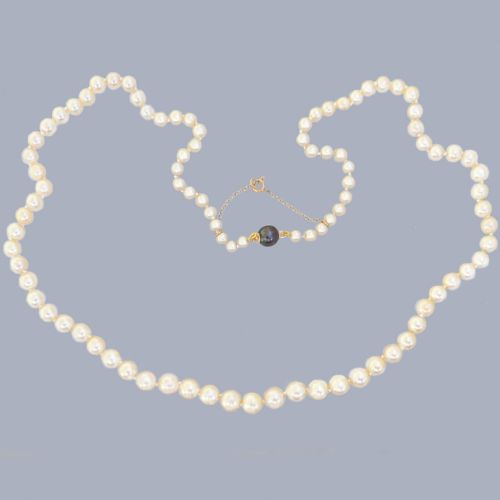
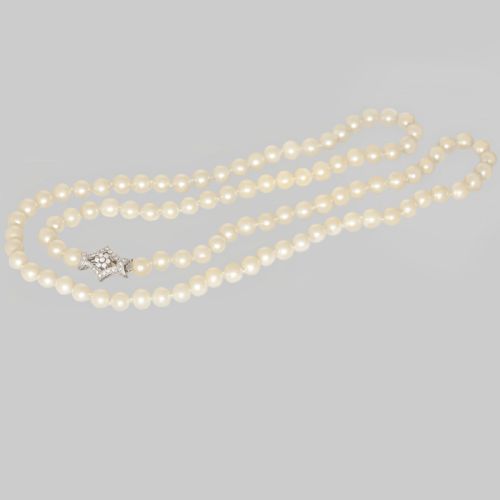


Cultured Pearl Strand Necklace
A cultured pearl strand necklace brings together lustrous pearls and precious metal clasps, offering a classic design that has remained wearable through multiple decades.
Cultured Pearl Strand Necklace
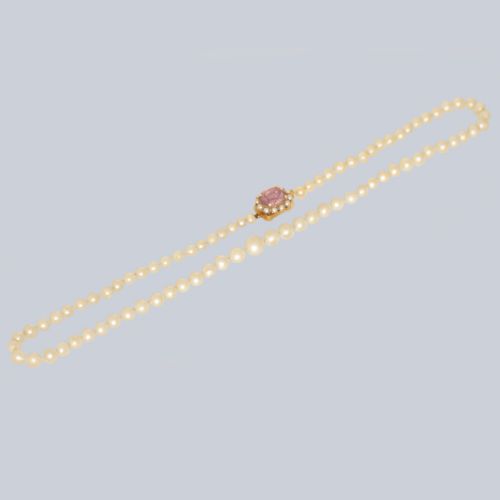
The pieces on this page span from the Edwardian era and 1920s Art Deco period through the 1930s, 1940s, 1950s and 1960s Mid-Century styles. Single and multi-strand configurations appear alongside varied clasp designs.
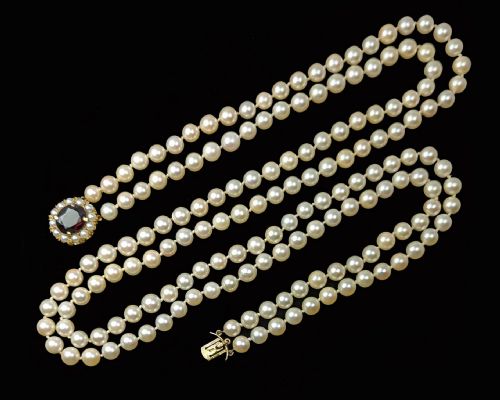
Makers and designers of these necklaces frequently utilised gemstones such as diamonds, sapphires, rubies, garnets, amethysts and tourmalines within the clasp settings. Many strands demonstrate evidence of being restrung to ensure structural longevity.
How They Were Made
The construction of a cultured pearl strand necklace relies on durable silk thread or similar specialist cord to string the pearls individually. Hand knotting between each pearl prevents friction and keeps the strand intact if the cord breaks.
Clasps are fashioned from 9ct gold, 14ct gold, 18ct white or yellow gold, and silver, often incorporating box, barrel or tongue mechanisms. Precious stones are flush, bezel, or claw set into these metal mountings to serve as focal points.
Listings feature cultured pearl strand necklace examples from the Edwardian period through to the 1960s, paired with 9ct gold, 18ct gold, and silver.
What Varies in Quality
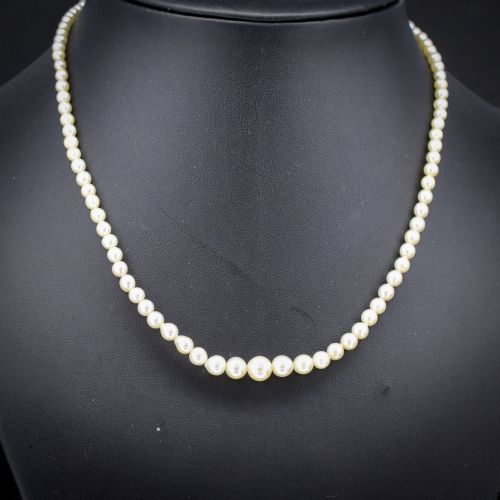
The uniformity of the pearl lustre, shape and surface smoothness determines the overall quality of a cultured pearl strand necklace. Graded size progression along a graduated strand also influences the visual harmony of the piece.
Clasp complexity and the quality of the accompanying gemstone settings separate standard items from finer examples. The presence of precious stones like diamonds and sapphires, alongside certified pearls, marks out the upper tier of the range.
Mikimoto·Cropp and Farr
The Cultured Pearl Strand Necklace Glossary
- Cultured Pearl
- A pearl created by inserting a nucleus into an oyster or mollusc to stimulate pearl formation. These dominate the mid-century and vintage pearl market.
- Graduated Strand
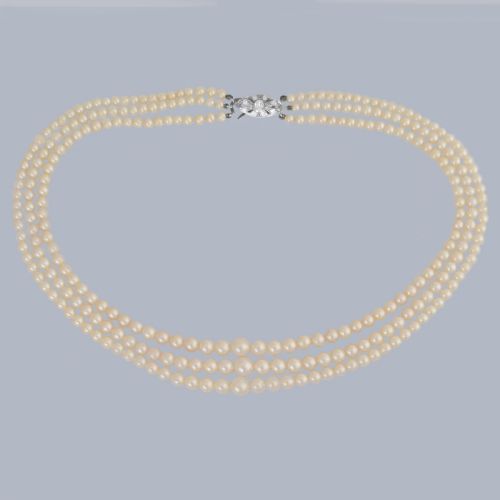
- A pearl necklace where the beads increase progressively in size from the ends toward the centre pearl. This layout is typical of vintage and antique designs.
- Hand Knotted
- A stringing method where an individual knot is tied in the thread between every pearl. This stops the pearls from rubbing together or scattering if the strand breaks.
- Saltwater Pearl
- A pearl grown in marine pearl oysters rather than freshwater mussels. These are often associated with high lustre and specific historical periods.
- Box Clasp
- A secure jewellery fastening where a curved metal tongue clicks into a hollow box. It is frequently hidden beneath a decorative gemstone face.
Cultured Pearl Strand Necklace: Frequently Asked Questions
How can I tell the period of a pearl necklace?
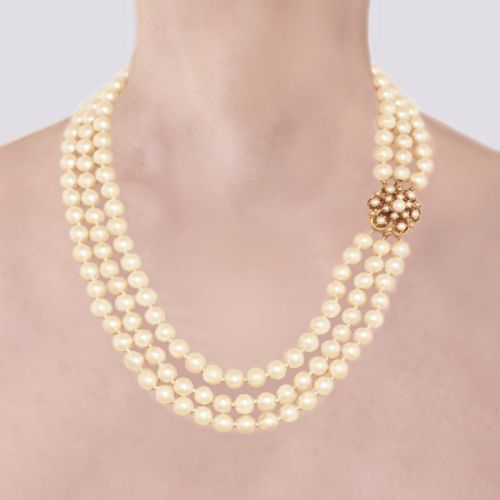
Dating relies heavily on the style of the clasp and the mounting materials, such as 1920s Art Deco geometric designs or 1950s floral gold motifs. Hallmarks stamped on the metal clasps provide definitive assay office dates and years.
Examining the stringing technique and paperwork like AnchorCert certificates can also confirm the era. Graduated layouts and specific clasp gems point directly to mid-century manufacturing trends.
Why do these necklaces need restringing?
Silk thread weakens over decades of wear, stretching or collecting residue that threatens the integrity of the strand. Restringing replaces the worn cord with fresh thread to secure the pearls safely.
Many vintage and antique necklaces have been recently restrung by specialists to maintain their longevity. Regular inspection of the knots near the clasp helps prevent accidental breakage.
What is the difference between single and multi-strand necklaces?
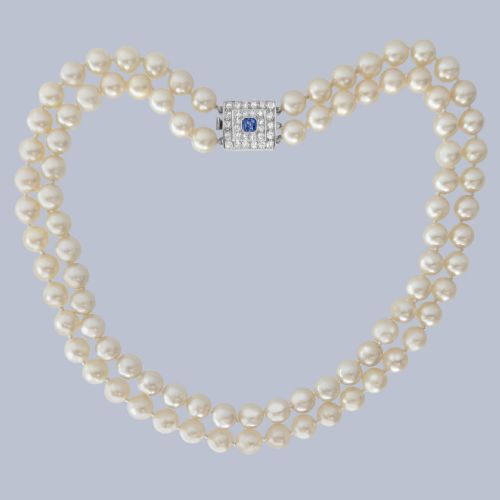
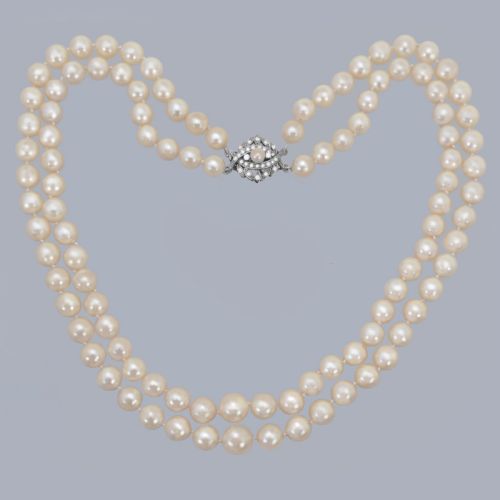
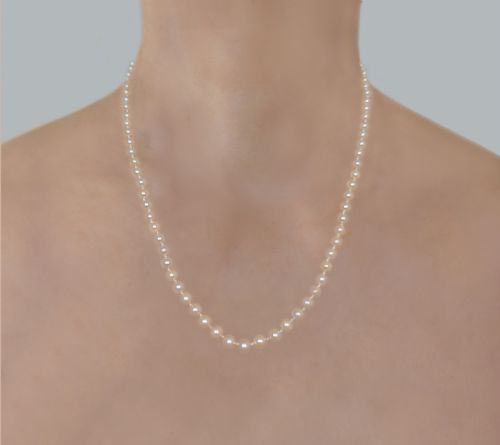
A single cultured pearl strand necklace consists of one line of pearls, offering a subtle and understated look. Double and triple strands use two or three parallel lines attached to unified clasps for a much bolder presence.
Multi-strand versions often incorporate more elaborate gold and gemstone clasps to balance the weight of the additional rows. Both styles appear frequently across mid-century and earlier twentieth-century jewellery.