



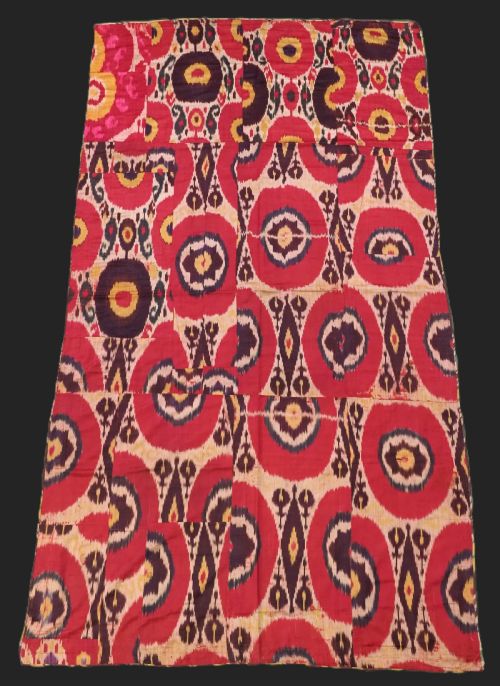
Crimson Tribal Textile
A crimson tribal textile brings the rich woven heritage of Central Asian and Persian nomads directly into modern interior spaces.
Crimson Tribal Textile
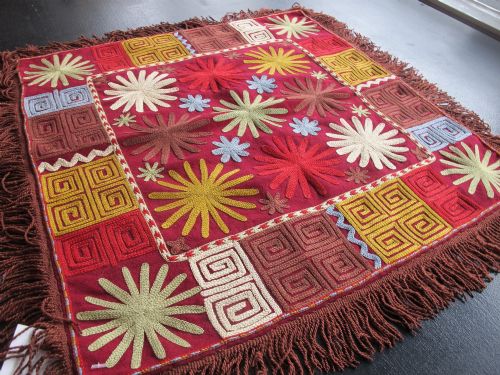
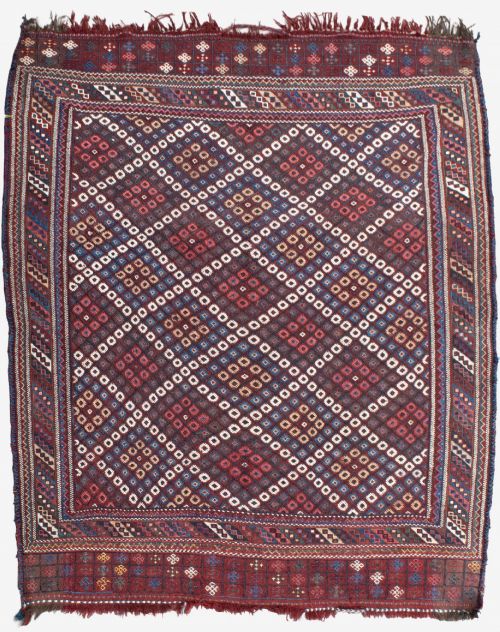
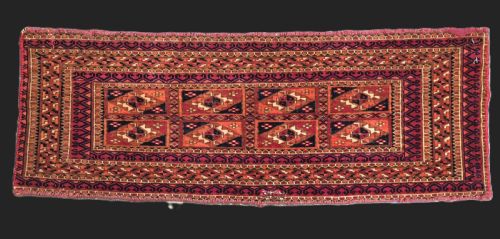
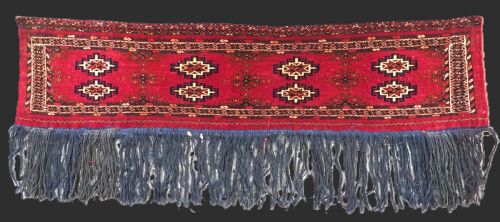
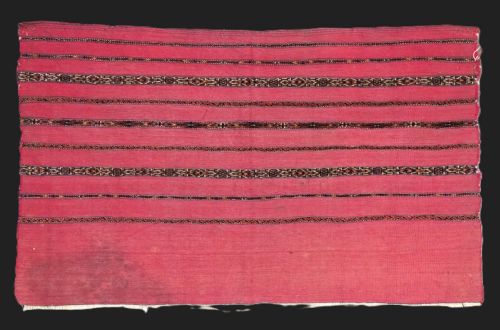
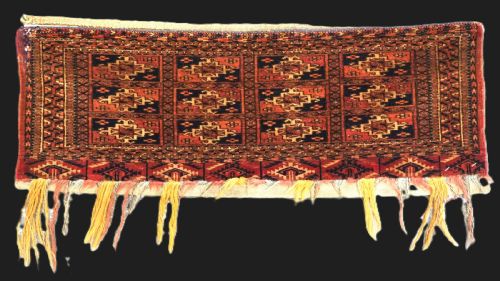
A crimson tribal textile represents the woven artistry of nomadic and settled groups across Central Asia and Persia, created from the mid nineteenth century into the early twentieth century. When searching for a crimson tribal textile, buyers encounter traditional forms such as storage bag faces, tent bands, cushions, and embroidered panels produced by Turkmen tribes, Uzbek makers, and Afshar weavers.
The selection centres heavily on Turkmen weaving subgroups like the Tekke, Yomut, Saryk, and Ersari, alongside Uzbek suzanis and Lakai embroideries. These items functioned originally as utilitarian objects for nomadic life, including tent furnishings, dowry items, and horse covers, rather than decorative art for Western walls.
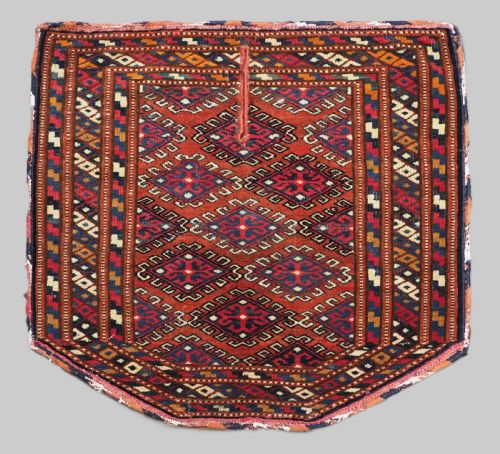
Surviving examples span from small personal bags and fragment panels to complete storage sacks with original plain weave backs and hanging loops attached. Their deep red and madder crimson grounds establish a strong visual anchor that defines this category of antique textile.
What Varies in Quality
Quality separates along the precision of the knotting or embroidery and the clarity of the drawing within the primary motifs. Finer weaves demonstrate tighter knot counts per square inch and sharper delineation of guls, hooked polygons, and secondary border patterns.
The vibrancy and saturation of the natural dye palette also dictate grade, with superior examples maintaining deep, even crimson tones without muddy discoloration. Preservation of original structural elements, such as plain weave backs, complete borders, and functional hanging loops, elevates the status of a surviving piece.
Crimson Tribal Textile Retail Price Guide 2026
Typical asking prices for crimson tribal textile among the pieces listed under this phrase on Sellingantiques today, from the lower quarter to the upper quarter. They describe what is for sale here now, not the wider market.
Several storage bags retain their original plain weave backs and hanging loops, ready to resume duties last performed in a Turkmen tent.
The Crimson Tribal Textile Glossary
- Chuval
- A large tent storage bag produced by Turkmen tribes to hold bedding and household belongings. These are frequently found today as trimmed faces rather than complete sacks.
- Torba
- A smaller storage bag utilised across Turkmen tent interiors for smaller domestic items. They often display repeated primary guls and geometric borders.
- Gul
- An octagonal medallion or primary tribal crest repeated across Turkmen rugs and bag faces. Different tribes utilised distinct gul designs to signal lineage and origin.
- Suzani
- An embroidered textile panel originating from Uzbekistan, stitched with silk thread on a cotton or linen ground. They traditionally formed part of a bride's dowry.
- Sofreh
- A flatwoven spread or cloth utilised for dining or ritual purposes during nomadic meals. They feature minimalist geometric compositions reflecting their utilitarian roots.
- Mafrash
- A rectangular storage chest or bedding bag face woven by nomadic groups. Fragments of these containers preserve the dense patterns characteristic of nineteenth-century tribal work.
Crimson Tribal Textile: Frequently Asked Questions
What is a tribal textile?
A tribal textile is a hand-woven or embroidered item produced by nomadic or village communities for daily utility, ceremonial use, or dowries.
These pieces utilise traditional materials like wool, cotton, and natural dyes to create durable items such as storage bags, saddle covers, and decorative wall panels.
How were tribal bags used?
Nomadic groups utilised storage bags inside portable tents to organise bedding, clothing, and domestic provisions.
Larger sacks functioned as stationary containers, while smaller torbas and personal bags hung against lattice walls to keep belongings secure.
How do I identify Turkmen weaving?
Turkmen weaving is identified by deep crimson or brick-red colour fields paired with repeating octagonal motifs known as guls.
Subgroups like the Tekke, Yomut, and Saryk display specific variations in border geometry, knot density, and secondary ornamentation.
How should I display a textile?
Textiles can be mounted onto padded boards covered in neutral fabric to distribute weight evenly across the structure.
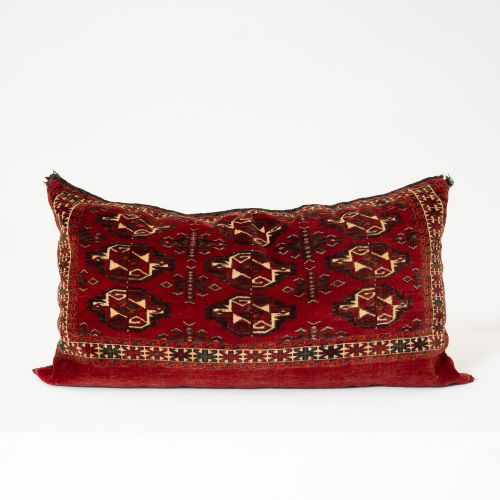
Alternatively, smaller fragments and cushion covers integrate easily into modern seating arrangements or flat display surfaces away from direct sunlight.