

Cream Upholstered Accent Chairs
These cream upholstered accent chairs bring period seating into modern rooms, drawing on centuries of cabinet-making traditions to offer both support and style.
Cream Upholstered Accent Chairs
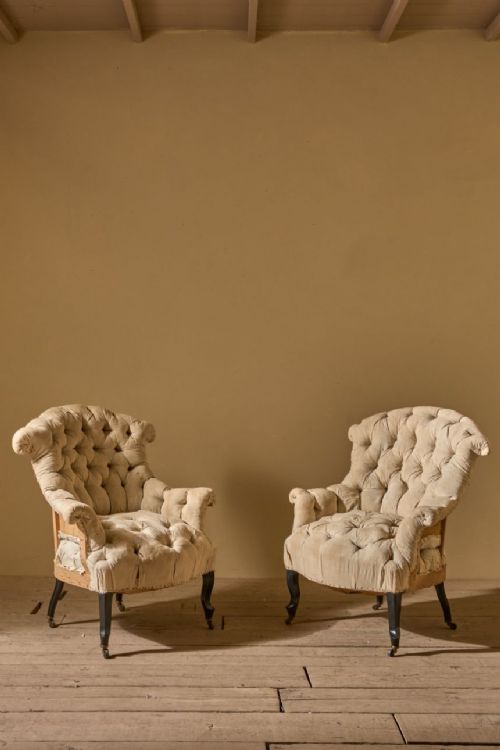
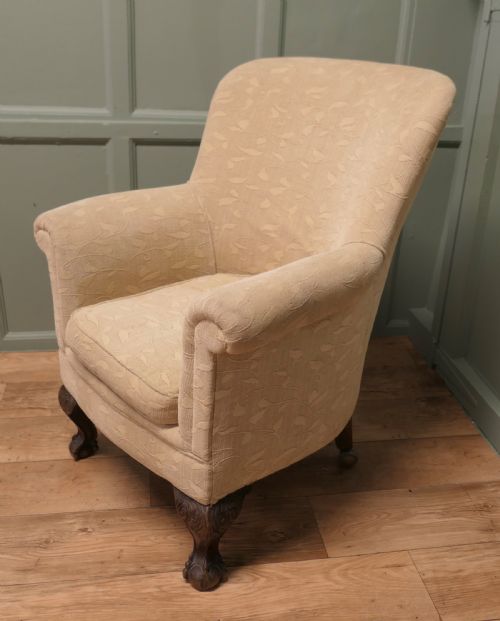
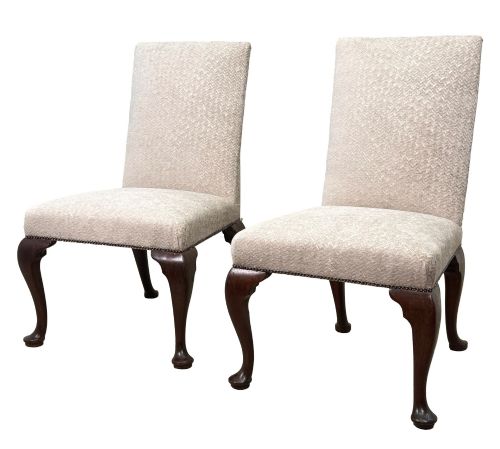
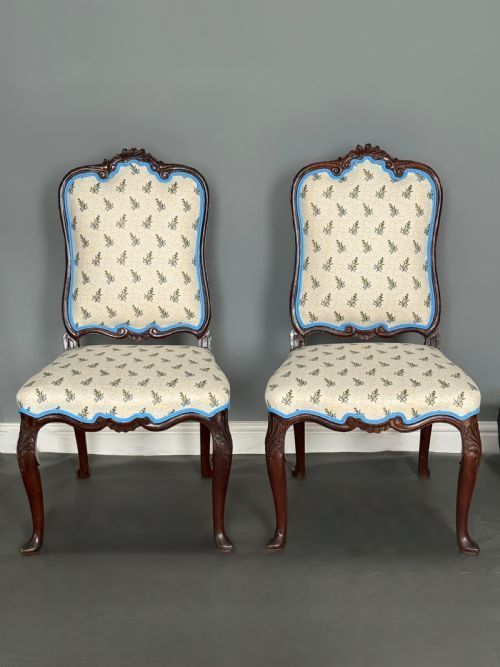
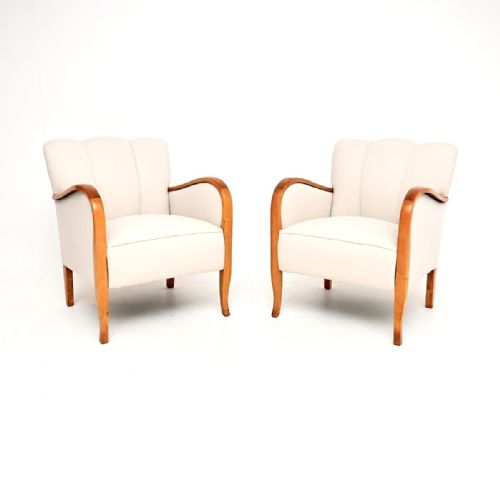
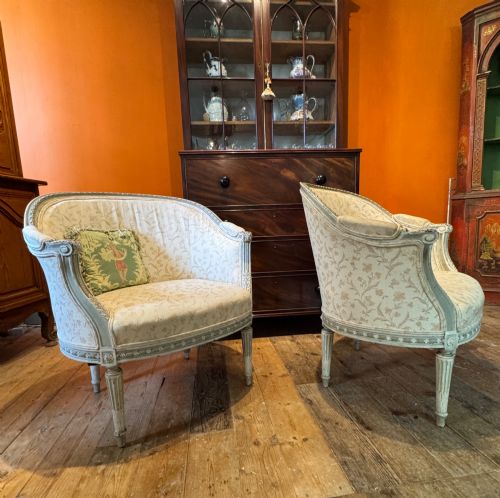
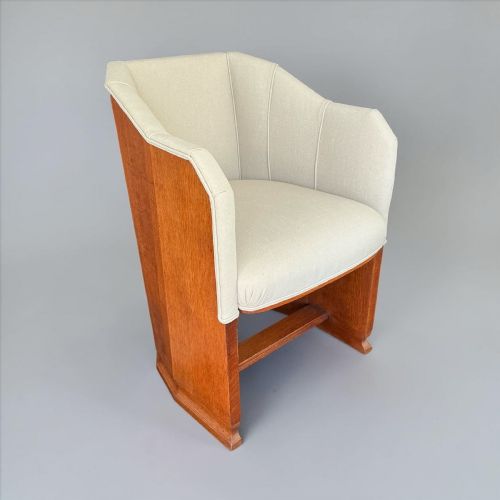
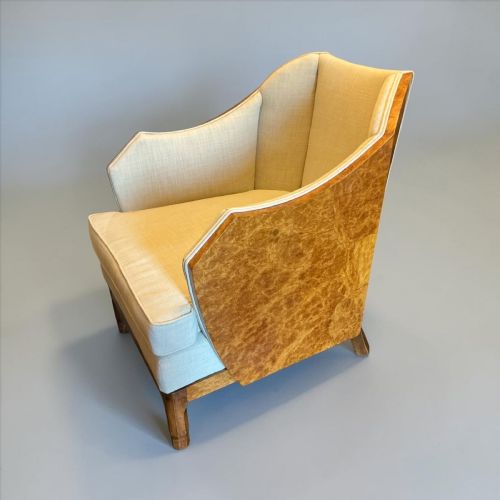
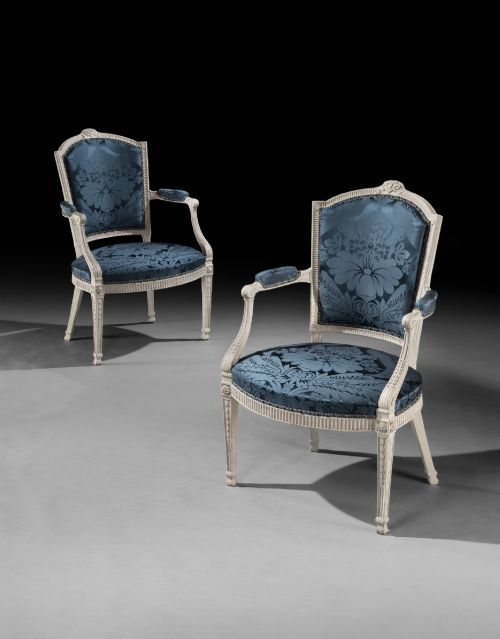
Cream upholstered accent chairs encompass a diverse selection of seating forms, ranging from early Georgian side chairs to Art Deco bedroom chairs and French armchairs. Buyers searching for cream upholstered accent chairs will encounter numerous regional variations, including English mahogany library chairs, Swedish birch armchairs, and French bergere tub chairs.
Materials and Construction
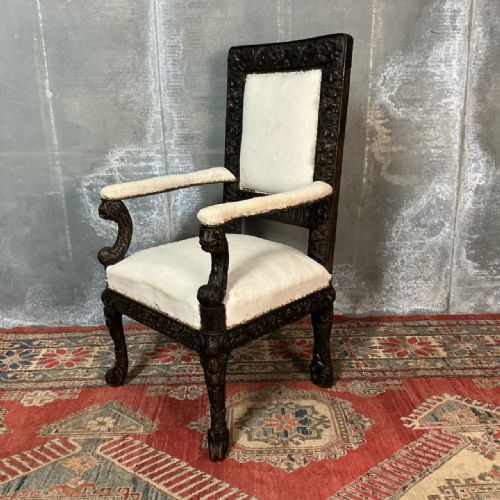
Frames are constructed from dense timbers such as walnut, mahogany, oak, satin birch, elm, and goncalo alves, often enhanced with carved details, ormolu mounts, or original paint and parcel gilt finishes. These structural elements provide the durable foundation required to support traditional textile and fabric upholstery.
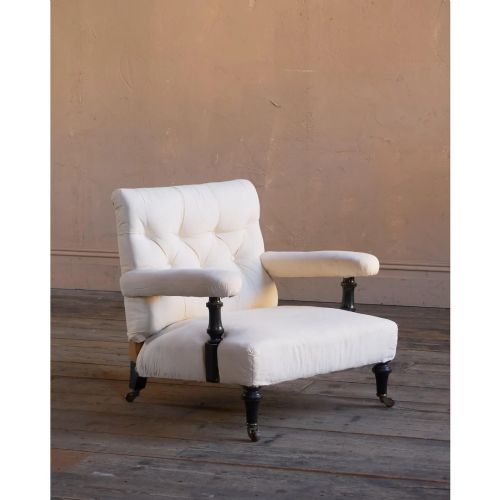
Upholstery techniques rely on historical textile applications, visible in pieces newly upholstered in calico alongside those retaining older linen coverings. Brass accents, including decorative tacks and hardware, complete the construction of chairs designed for drawing rooms, bedrooms, and libraries.
Several chairs arrive with proportions so generous they practically invite a nap rather than a polite conversation.
Assessing Quality
Quality rests upon the integrity of the timber frame, the crispness of hand-carved ornamentation, and the fidelity of historical style revivals such as Neoclassical, Baroque, or Chippendale designs. Superior examples maintain structural soundness alongside harmonious proportions, whether in large library seating or compact bedroom chairs.
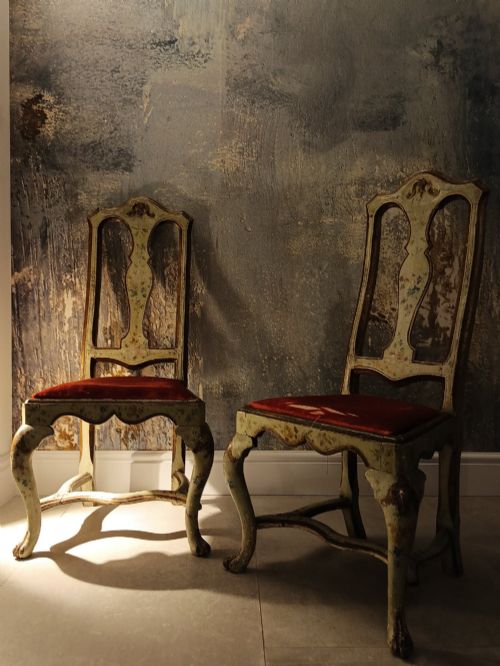
The sophistication of secondary materials - such as fire-gilt bronze ormolu mounts on Empire revival pieces or select satin birch grain - distinguishes standard workshop production from exceptional cabinet-maker output. Original surface treatments, including aged paint and gilt, further separate pieces retaining untouched patination from later alterations.
Howard and Sons·Mellier and Co·Bath Cabinet Makers
The Cream Upholstered Accent Chairs Glossary
- Bergere
- An enclosed upholstered armchair with wooden frames exposed around the upholstered back and sides. This French form often includes a loose seat cushion.
- Fauteuil
- An open-armed upholstered armchair originating in France, featuring exposed wooden arms and a padded back. The armrests typically curve outward to accommodate formal dress.
- Ormolu
- Gilt-bronze decorative mounts applied to furniture frames, particularly prominent on French Empire and revival pieces. This technique utilises ground gold amalgamated with mercury.
- Slipper chair
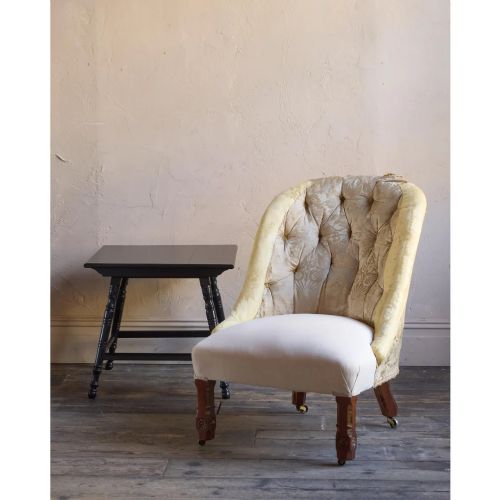
- A low-seated bedroom chair traditionally used by ladies while dressing. The shortened legs place the seat closer to the floor for ease of use.
- Parcel gilt
- A finishing method where specific carved details or mouldings are partially covered in gold leaf while the underlying wood or paint remains visible.
Cream Upholstered Accent Chairs: Frequently Asked Questions
How do I identify a Georgian armchair?
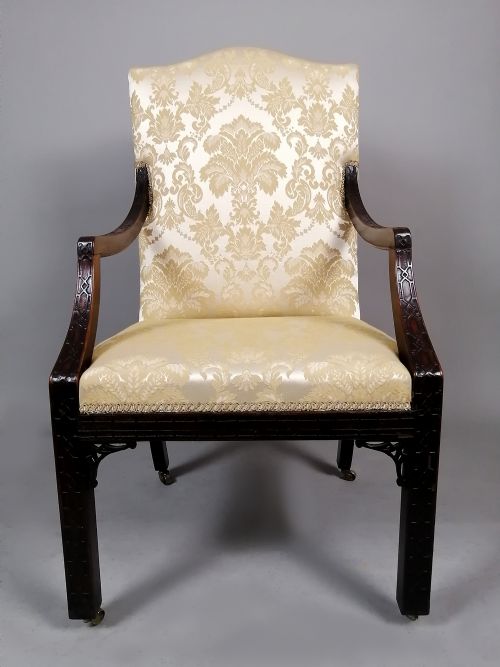
Georgian armchairs display distinct period characteristics such as mahogany or walnut frames, carved cabriole legs, or straight chair rails influenced by Chinese Chippendale or Hepplewhite designs. These pieces date from the eighteenth century and emphasise architectural symmetry combined with durable joinery.
Makers of this era focused on proportion and comfort, creating library and salon seating designed to complement formal domestic interiors. Examining the underside and timber grain helps confirm the eighteenth-century origin.
Where should I place a French bergere chair?
French bergere chairs suit living rooms, studies, or large bedrooms where their enclosed upholstered sides and low proportions provide comfortable seating. Their decorative wooden frames allow them to function as standalone accent pieces rather than matching suite components.
Pairing two matching armchairs near a fireplace or window creates a balanced seating arrangement. Their historical aesthetic complements both traditional period rooms and contemporary spaces.
What is the difference between an armchair and a side chair?
Armchairs feature structural armrests designed to support the sitter's arms, resulting in a wider frame suited for primary seating or relaxation. Side chairs lack arms, making them more compact and easily tucked against walls or paired with desks and dressing tables.
Both forms utilise upholstered seats and backs, but their intended placement within a room differs according to their scale. Side chairs offer versatility in tighter spaces where arm clearance is restricted.
How do Art Deco chairs differ from Victorian ones?
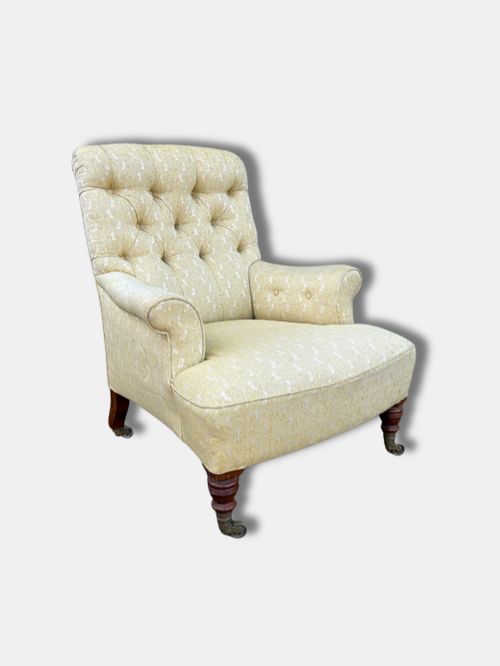
Art Deco chairs from the 1930s favour streamlined geometric forms, satin birch veneers, and minimal ornamentation that reflects modern industrial design. In contrast, Victorian pieces from the nineteenth century feature heavily carved walnut frames, button upholstery, and ornate revival styles.
Victorian seating prioritises elaborate surface decoration and dense padding, whereas Art Deco design emphasises smooth silhouettes and exotic woods. Recognising these structural silhouettes clarifies the date of manufacture.