


Cream Giltwood Mirrors
Cream giltwood mirrors bring pale elegance and carved warmth to a room, catching the light across centuries of French and English design.
Cream Giltwood Mirrors
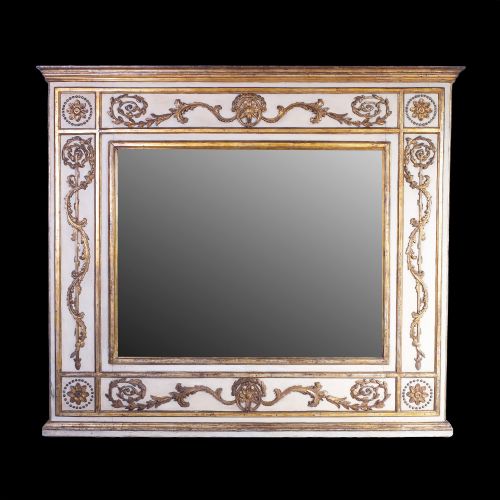
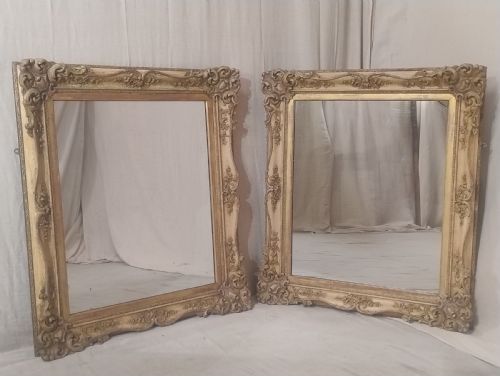
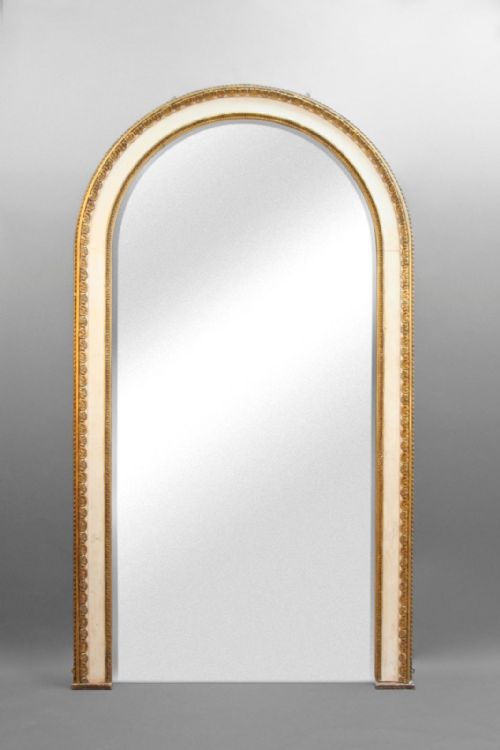
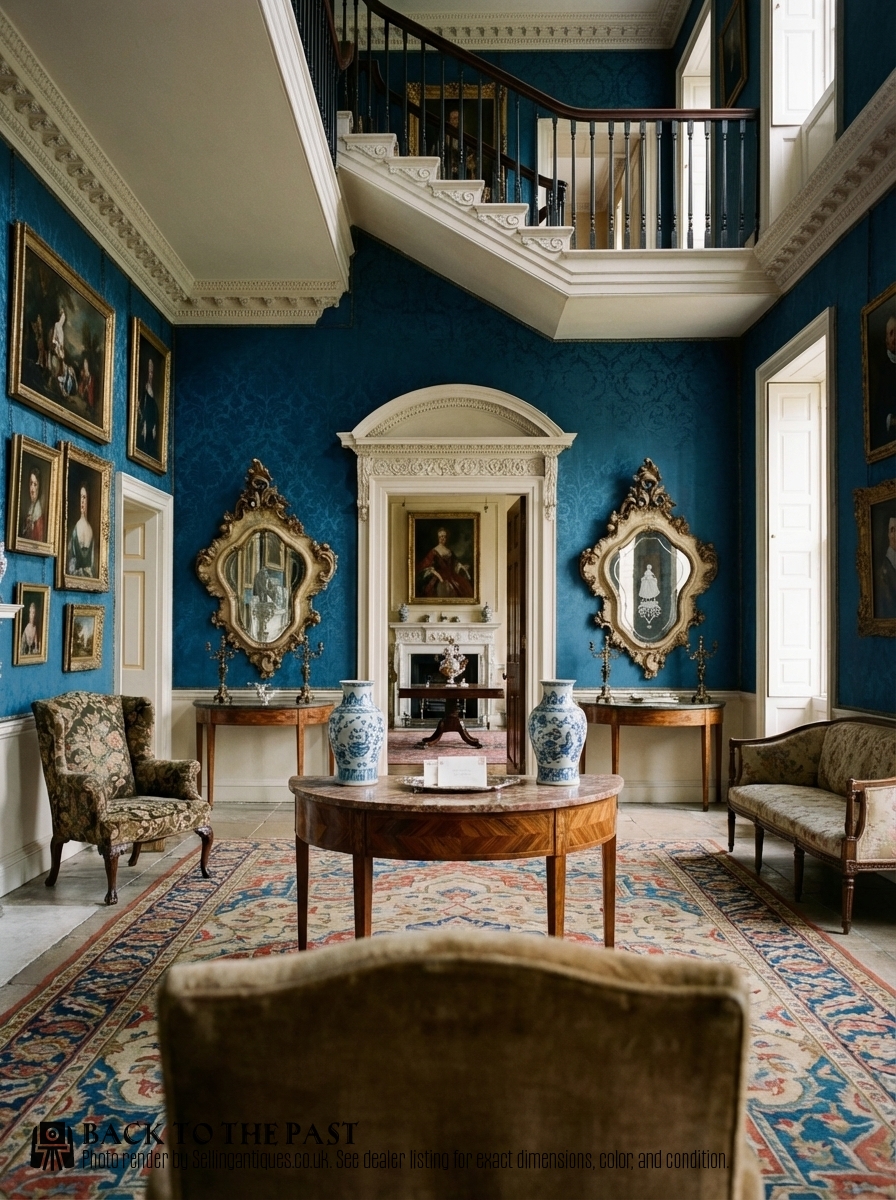
Cream giltwood mirrors combine painted cream surfaces with gilded highlights, creating a softer presence than standard bright gold frames. Buyers seeking cream giltwood mirrors will encounter substantial overmantel and pier mirrors alongside decorative trumeau panels.
The selection ranges from nineteenth-century English and French examples to Italian Venetian rococo style pieces and eighteenth-century Adam period designs. Wall mirrors and pairs of large mirrors dominate the forms, often incorporating carved wood and gesso structure.
French Rococo Revival and Regency styles appear frequently, showing the enduring appeal of scrolled decoration and architectural framing. These pieces function as dramatic focal points above fireplaces or console tables.
Materials and construction methods
Craftsmen built these frames using timber and applied gesso, which accepted intricate carving and smooth paint finishes. Gold leaf or parcel gilding was then applied to specific raised details to contrast against the cream painted wood.
Mirror glass was set within these ornate wooden structures, frequently retaining original silvering or showing characteristic age spots. The combination of paint, gold leaf, and carved gesso defines the physical substance of each piece.
Several mirrors include matching console tables, offering a complete nineteenth-century ensemble for your hallway.
Judging quality and craftsmanship
Quality rests in the crispness of the carved detail and the depth of the gesso work beneath the paint and leaf. Finer examples show deliberate restraint and balanced proportions rather than heavy, indistinct moulding.
The integration of the painted cream ground with the parcel gilding indicates the maker's hand, where superior surfaces age gracefully together. Scale also dictates desirability, with large pier and overmantel formats demanding greater structural joinery.
The Cream Giltwood Mirrors Glossary
- Giltwood
- Wood carved and coated with gold leaf or metal leaf. This forms the shimmering highlights seen across the frames.
- Gesso
- A plaster mixture applied to wood surfaces to create a smooth base for carving and gilding. It allows for sharp, intricate relief work.
- Trumeau
- A decorative wall mirror paired with a painted panel or painting above the glass. These originate primarily from French interior design.
- Overmantel mirror
- A large horizontal mirror designed specifically to hang above a fireplace mantel. They often feature architectural framing to anchor the chimney breast.
- Parcel gilt
- A finishing technique where only specific portions of an object are gilded, leaving the underlying paint exposed. This creates a restrained, dual-tone appearance.
Cream Giltwood Mirrors: Frequently Asked Questions
How do I hang a heavy overmantel mirror safely?
Large overmantel mirrors carry substantial weight from their timber and gesso frames, requiring professional wall anchors fixed directly into masonry or secure stud work.
Position the mirror at a height that reflects the room's central light sources while safely distributing the load across multiple sturdy brackets.
Where should I place a pier mirror?
Pier mirrors traditionally hang on the narrow wall space between two windows, designed to bounce natural light back into the room.
Placing one above a console table creates a balanced focal point in a hallway or drawing room.
Are these mirrors French or English?
The selection includes both French and English pieces, alongside Italian and Swedish examples, each reflecting local cabinet-making traditions.
French pieces often lean towards Rococo Revival and Empire styles, while English examples frequently follow Regency and Adam designs.