



Cream Floral Vase
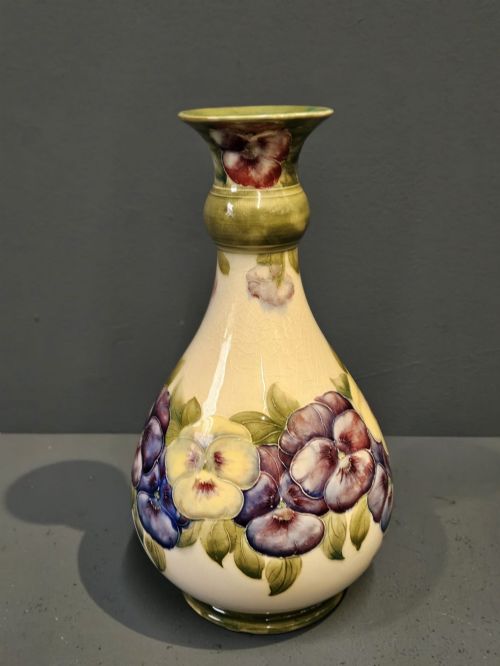
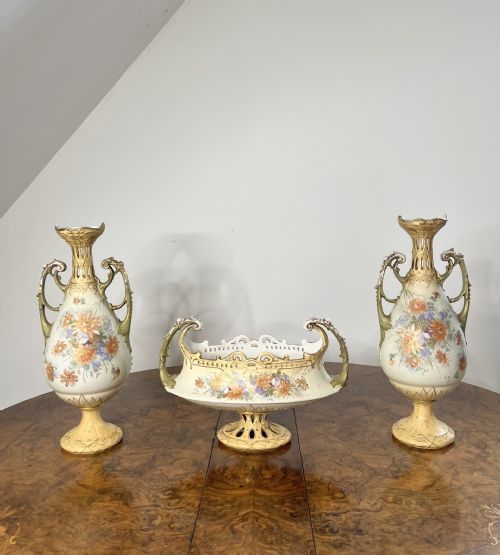
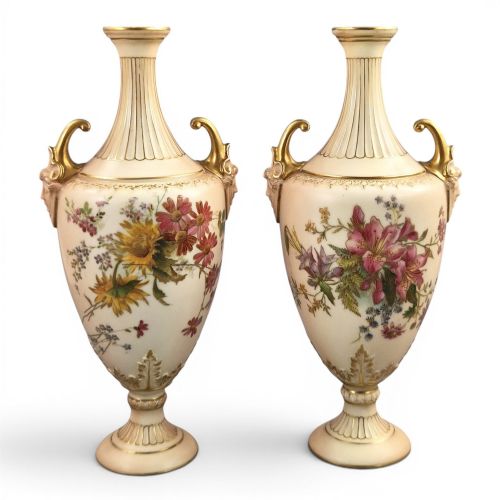
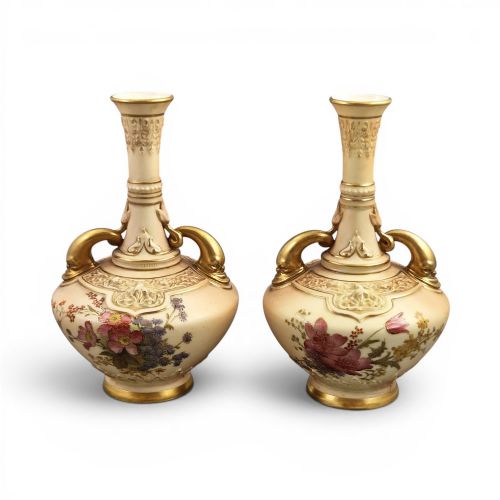
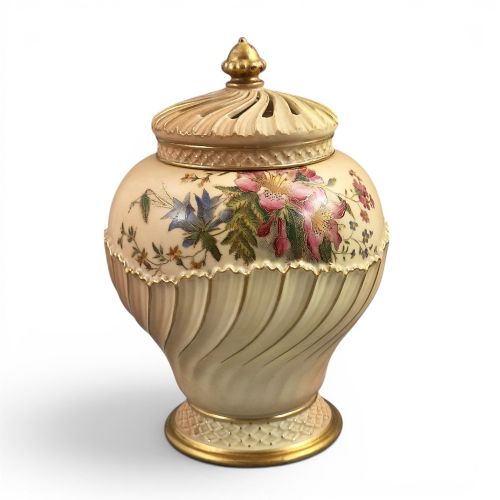
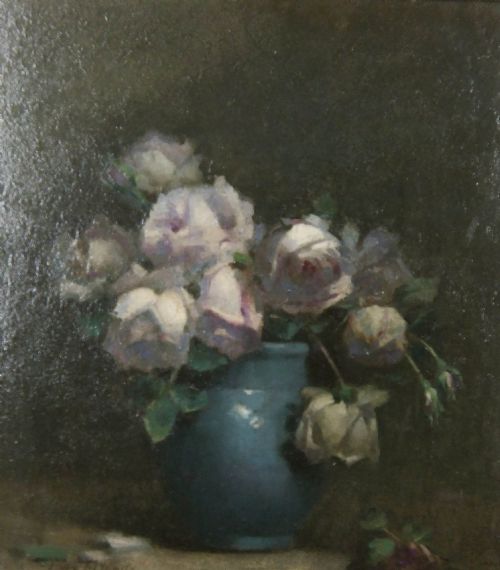
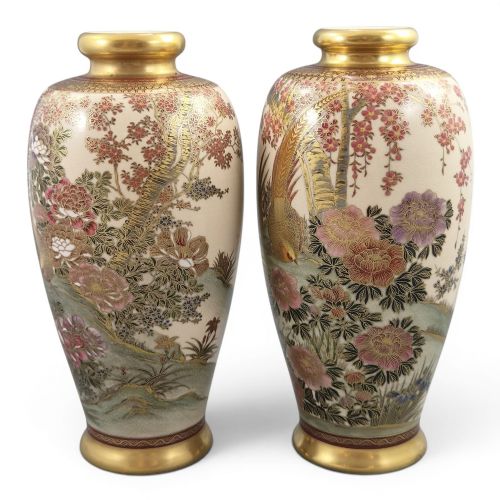
These cream floral vase examples bring together porcelain, earthenware, and fine painting from the late nineteenth and early twentieth centuries.
Cream Floral Vase
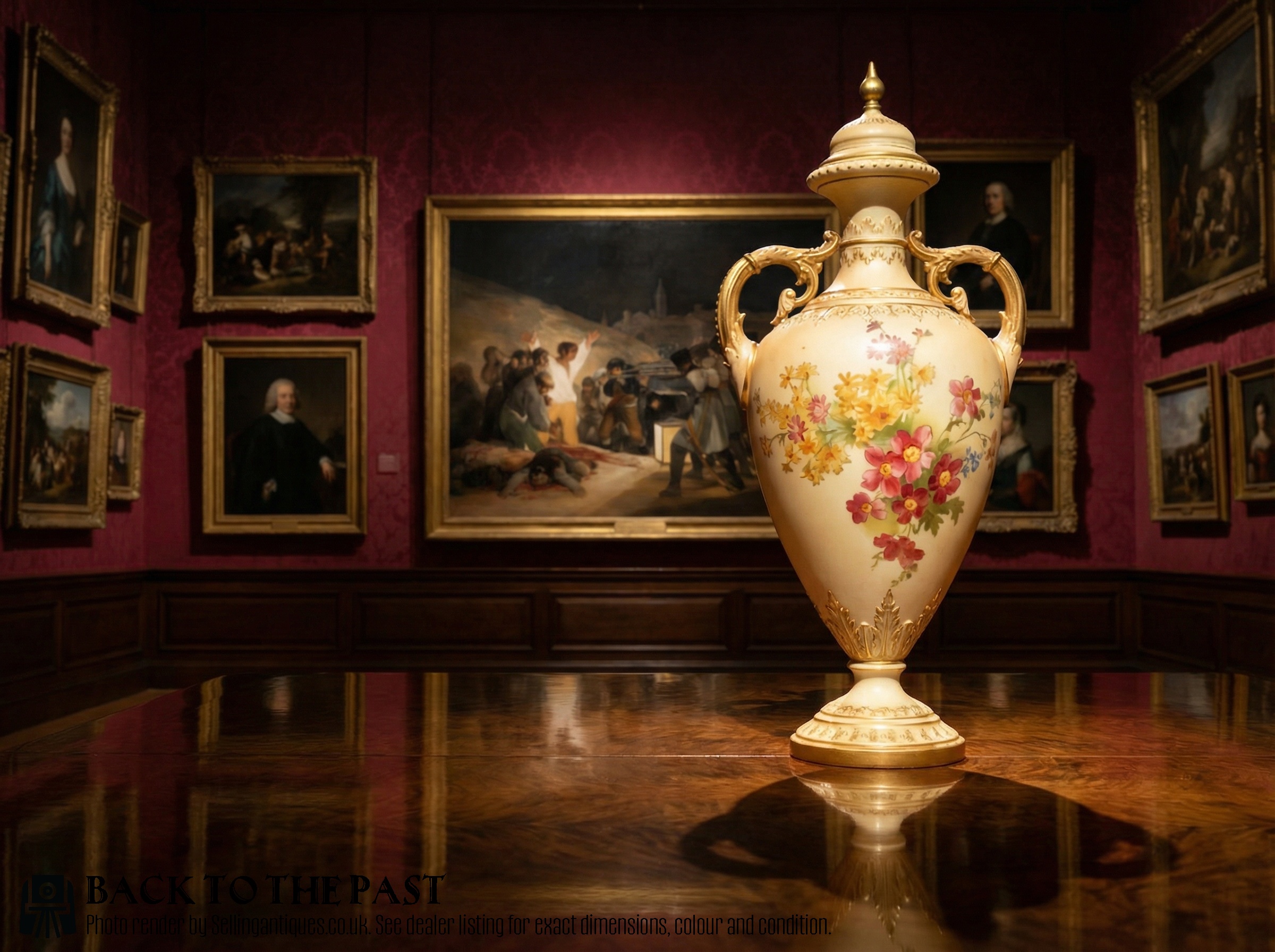
A cream floral vase typically takes the form of a ceramic vessel decorated with painted botanical motifs against a pale or blush ivory ground. You will frequently encounter examples from British factories such as Royal Worcester and Doulton, alongside Japanese Satsuma wares from the Meiji and Edwardian periods.
The selection ranges from cabinet pieces and spill vases to larger ovoid shapes, ewers, and garniture sets. These items reflect the Victorian and Edwardian enthusiasm for floral illustration, often combining delicate hand-painted roses, chrysanthemums, or wisteria with gilding.
Beyond ceramics, the broader tradition also encompasses Persian and Iranian wool rugs featuring traditional vase and flower designs, as well as oil paintings depicting floral still life compositions.
How they were made
Makers utilised porcelain and earthenware bodies, shaped either by throwing on a wheel or casting in moulds to achieve forms like dolphins, cornucopias, and slender beaker necks. Surfaces were then coated with specialised glazes, including the distinct blush ivory body popularised by Worcester.
Decoration relied heavily on hand-painted enamel colours and gold leaf application, frequently fired multiple times to fix the metallic gilding and delicate floral details. Japanese pieces combined intricate crackle glazes with dense enamels and raised gold work.
What varies in quality
Quality rests upon the precision of the hand-painted brushwork and the artistic confidence behind the floral composition. The finest ceramic pieces display subtle tonal shading in petals and leaves, executed by named artists rather than factory apprentices.
The handling of auxiliary elements such as pierced handles, gilt mounts, and modelled dolphin bases also separates standard production from exhibition-grade works. Crisp detail in the moulding and sparing, well-preserved application of gold leaf indicate superior craftsmanship.
Royal Worcester·Doulton Burslem·Moorcroft McIntyre·Meissen·Kinkozan·Ernst Wahliss
The Cream Floral Vase Glossary
- Blush ivory
- A softly tinted, matte cream porcelain body developed by Royal Worcester in the late nineteenth century. It provided an ideal warm background for hand-painted floral decoration.
- Garniture set
- A matching group of three or five vases and jars designed to be displayed together on a mantelpiece or sideboard. They typically comprise a central piece flanked by smaller matching vessels.
- Satsuma
- Japanese earthenware pottery characterised by a fine, ivory-coloured crackle glaze richly decorated with enamels and gilding. Production flourished during the Meiji period for both domestic and export markets.
- Ewer
- A large jug with a wide spout and looped handle, originally intended for pouring water but frequently produced in ceramic as a purely decorative ornamental vase.
- Spill vase
- A tall, slender vessel designed to hold slender wooden spills used for lighting fires or candles. They were decorative fixtures on nineteenth-century tables and mantelpieces.
Cream Floral Vase: Frequently Asked Questions
What periods do these pieces date from?
The pieces span the late nineteenth century through to the early decades of the twentieth century. You will find Victorian, Edwardian, and Meiji period examples.
Production methods during these eras shifted between traditional handcrafting and expanding factory output, giving rise to distinct artistic movements from Art Nouveau to Orientalism.
How were these vases used originally?
Many ceramic vessels functioned as ornamental mantelpiece ornaments, garniture sets, or spill holders for fireplace matches. Larger ewers and urns served purely as decorative focal points in formal rooms.
Textile examples such as Kashan and Kirman rugs were woven to bring traditional garden and floral motifs directly into domestic room spaces.
How do I care for antique ceramic vases?
Dust ceramic surfaces gently with a soft, dry cloth to protect delicate hand-painted enamel and gold leaf details. Avoid using liquid cleaners or soaking pieces, as moisture can penetrate older glazes and bodies.
Keep vessels away from direct sunlight to preserve the vibrancy of the painted floral pigments over time.
How can I tell different factory styles apart?
British works from factories like Royal Worcester often rely on naturalistic floral sprays set against pale ivory grounds, sometimes accented with moulded handles. Japanese Satsuma ceramics display denser patterns with distinctive crackle glazes and raised gold work.
Examining the base marks and understanding regional decorative traditions helps clarify the origin of each piece.