


Cream Ceramic Figure
A cream ceramic figure brings tactile warmth and sculptural presence to a room, offering enduring artisanal detail from the Victorian era and beyond.
Cream Ceramic Figure
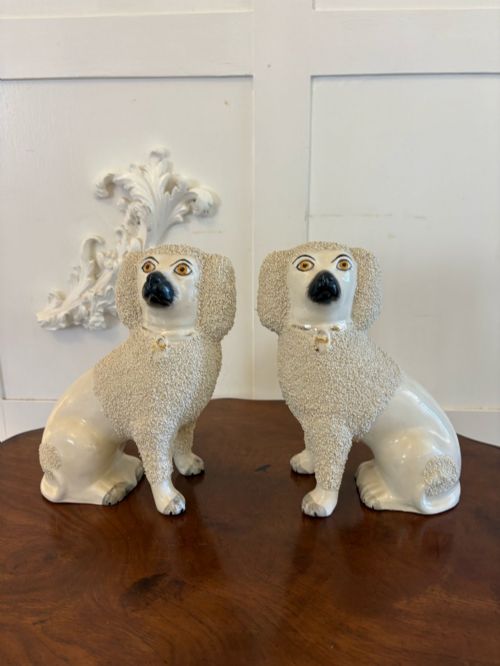
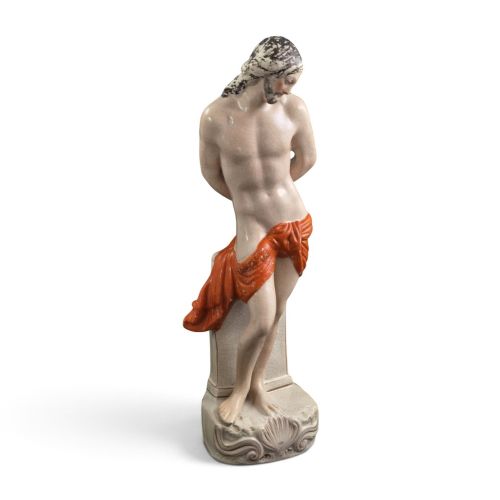
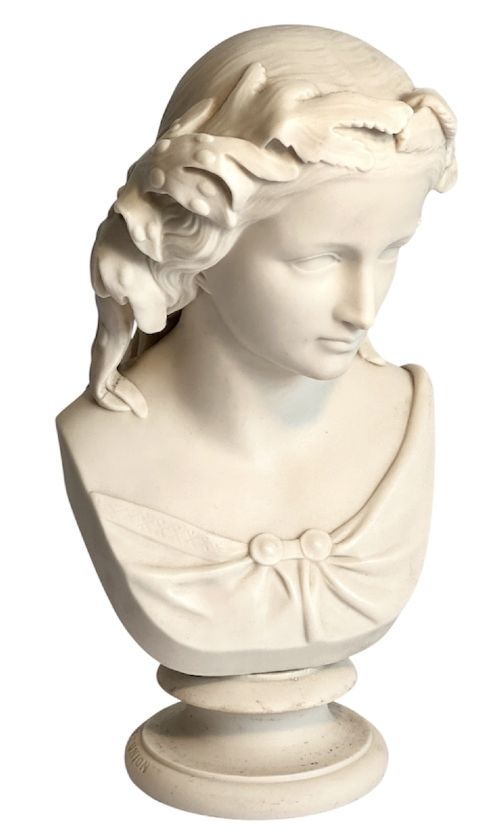
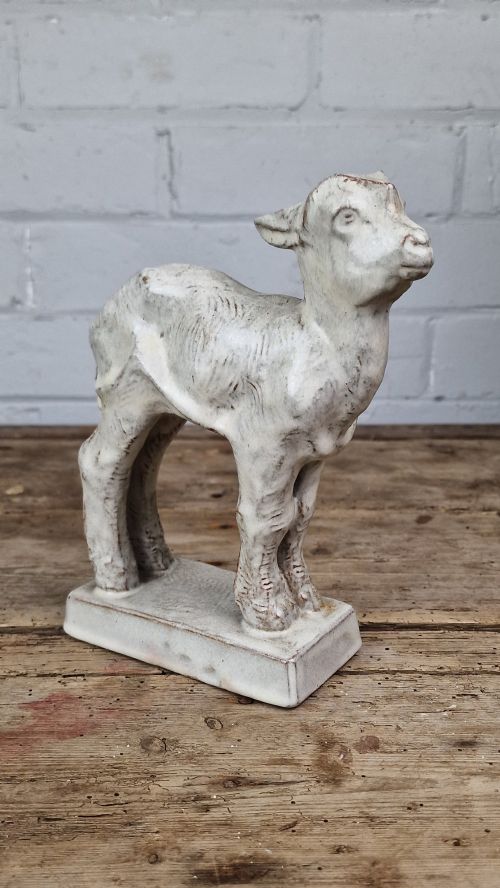
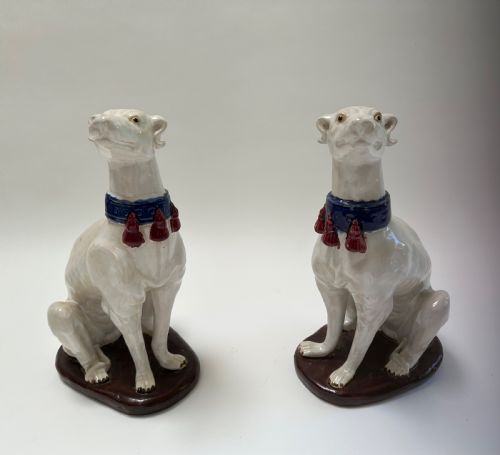
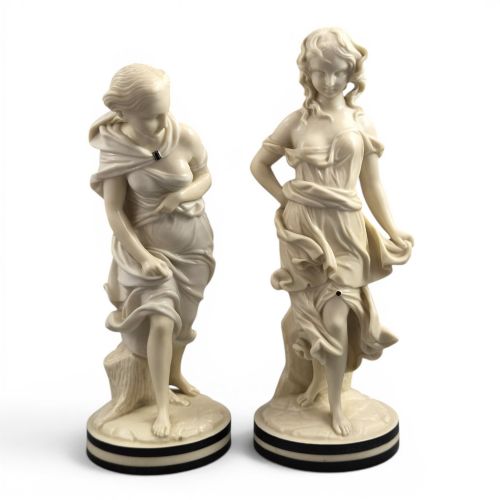
When you search for a cream ceramic figure, you encounter modelled clay objects spanning classical busts, animal studies, and human subjects. These works capture sculptural forms in neutral, pale finishes that suit traditional and eclectic interiors alike.
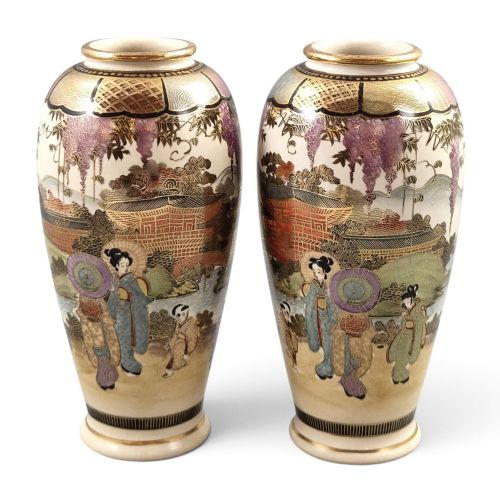
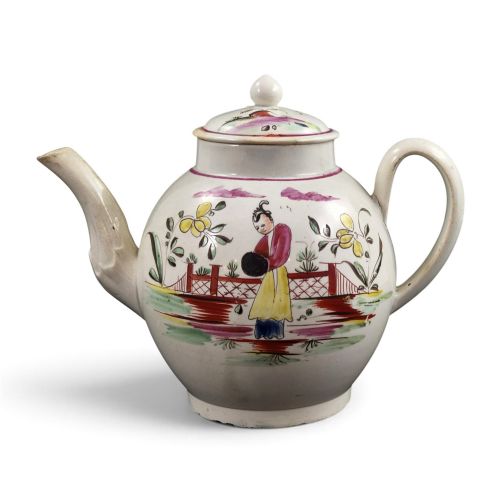
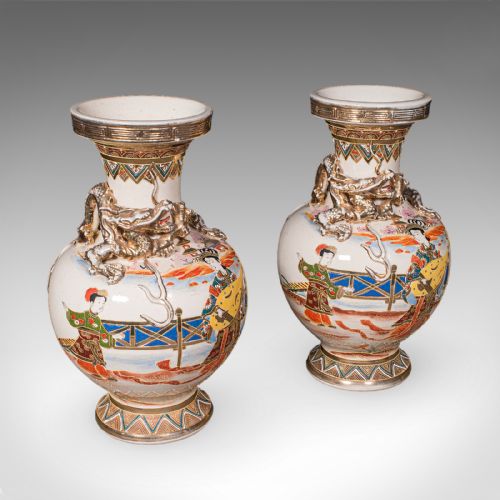
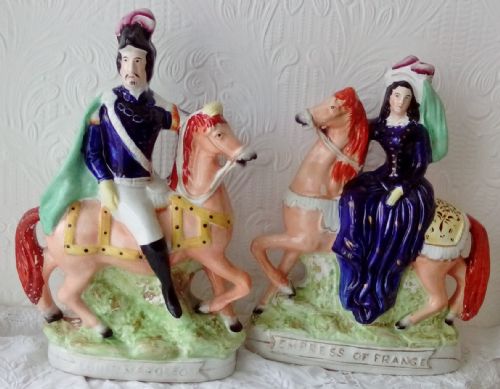
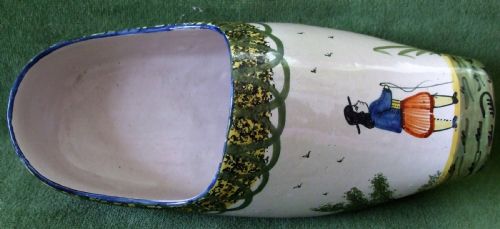
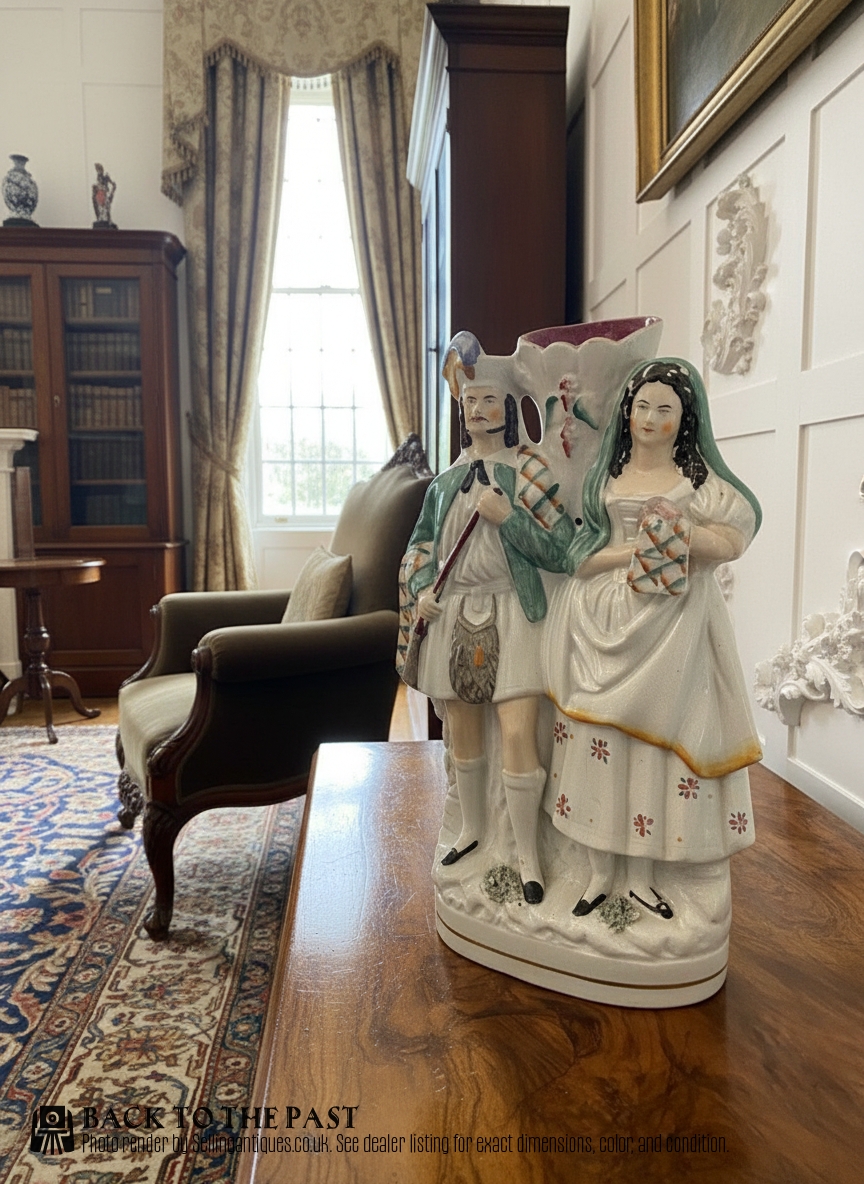
The selections on this page draw predominantly from nineteenth-century Staffordshire pottery, continental porcelain works, and Japanese earthenware traditions. Figures appear as standalone sculptures, decorative pairs, and applied elements on functional vessels.
Makers ranged from large British factories to independent international studios, producing everything from rustic earthenware animals to refined parian deities. Each piece reflects the moulding and glazing standards of its specific period of origin.
Materials and Construction Methods
Potters shaped these objects using earthenware, stoneware, and specialised porcelain bodies such as parian ware and soft-paste compositions. Artisans pressed clay into moulds or shaped it by hand before applying slips, enamels, and transparent or opaque glazes.
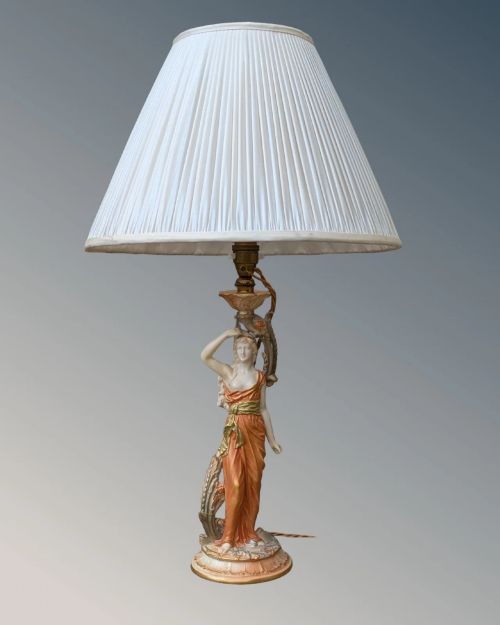
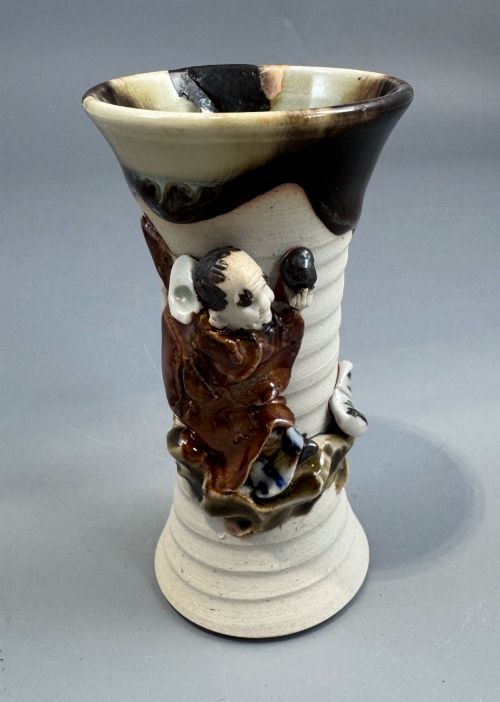
Object forms featured across these listings include baluster vases, figural table lamps, animal studies, and classical portrait busts.
Evaluating Form and Execution
The sophistication of the ceramic body and the uniformity of the glaze application further distinguish finer works from standard commercial output. Subtle tonal variation in enamel and well-executed surface painting elevate decorative impact.
Royal Worcester·P. Ipsens Enke·Volkstedt Richard Eckert
The Cream Ceramic Figure Glossary
- Parian Porcelain
- A fine-grained unglazed porcelain developed to imitate marble, frequently utilised for nineteenth-century classical busts and figures. Its matte surface captures subtle musculature and drapery folds.
- Earthenware
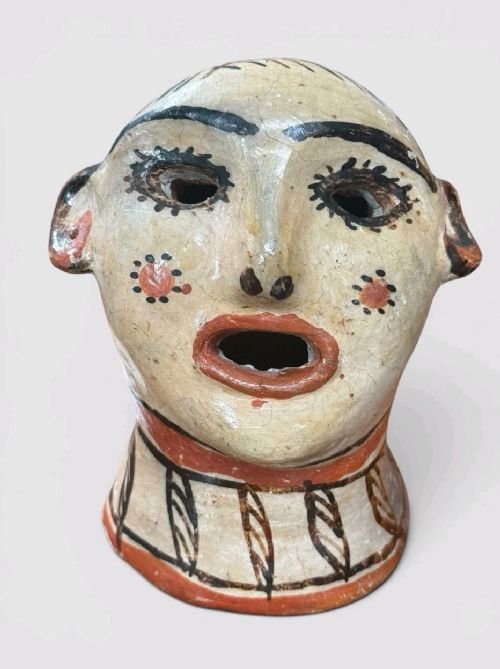
- Porous pottery fired at lower temperatures, commonly used for British Staffordshire figures and folk art. It requires a glaze to achieve watertightness.
- Bisque
- Unglazed ceramic fired once to a porous state, favoured for delicate portrait figures and sculptural groups. It provides a soft, chalky texture.
- Enamel
- Vitreous composition fused to the ceramic surface during a secondary firing to add colour and detail. It allows for precise facial expressions and patterned garments.
- Okimono
- A Japanese decorative carving intended for display in an alcove or on a shelf, often produced in ceramic or ivory during the Meiji period.
Cream Ceramic Figure: Frequently Asked Questions
How should I clean my ceramic figure?
Dust ceramic surfaces gently using a soft, dry brush to prevent accumulation in crevices and modelled details.
Avoid submerging antique pieces in water, especially if they feature enamel or unglazed biscuit surfaces that might absorb moisture.
Where were these figures traditionally displayed?
Staffordshire figures typically occupied mantelpieces in nineteenth-century parlours, serving as colourful domestic ornaments.
Japanese okimono and European decorative busts were placed on side tables, cabinets, and dedicated display shelves to showcase refined taste.
How do I distinguish parian ware from standard porcelain?
Parian ware has a distinct matte texture that closely resembles carved marble rather than the glossy sheen of glazed porcelain.
It was specifically formulated in the nineteenth century to give affordable portrait busts the appearance of classical carved stone.
What distinguishes Victorian earthenware from later pieces?
Victorian earthenware often exhibits hand-painted underglaze colours and robust moulding typical of Staffordshire cottage potteries.
Later twentieth-century figures tend to show more uniform casting techniques and different stylistic influences, such as Art Deco geometry.