


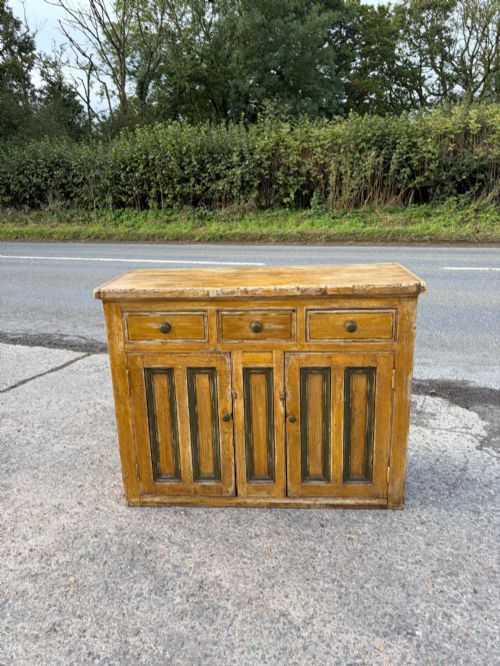
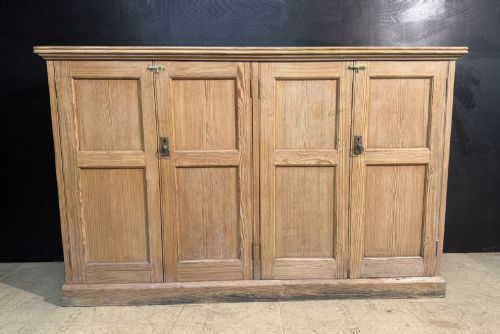
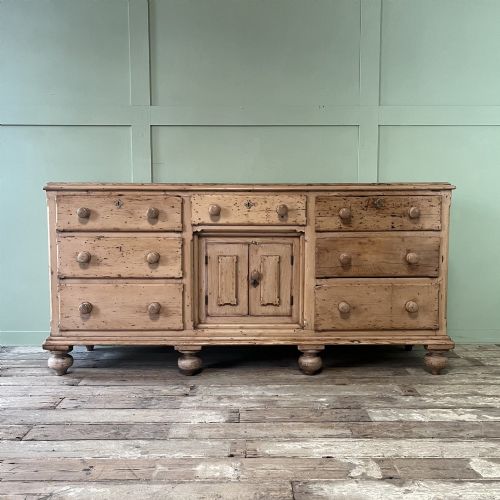
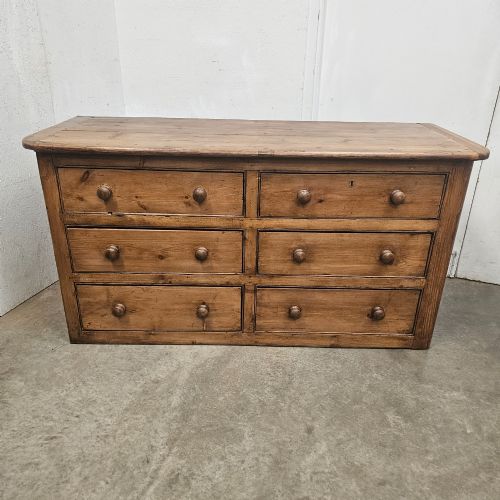

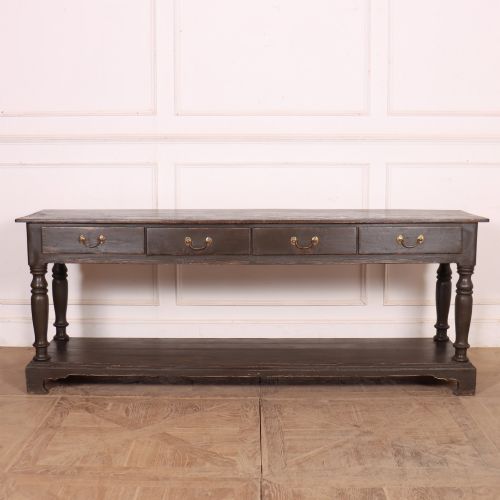
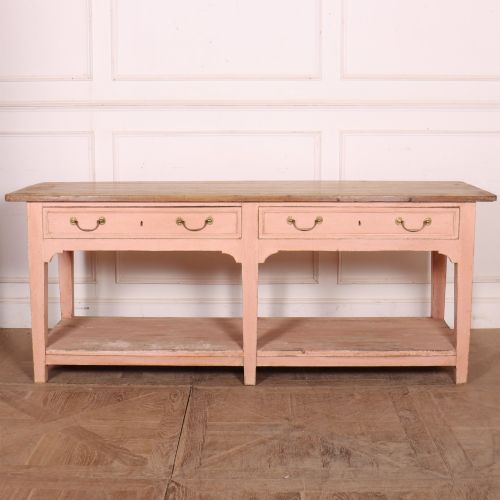
Country Pine Dresser Base
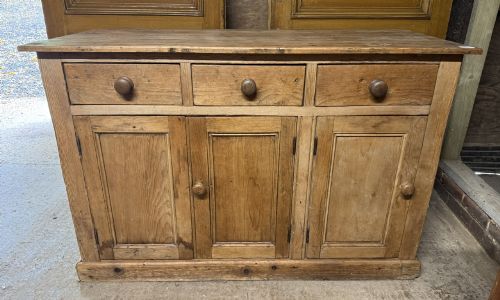
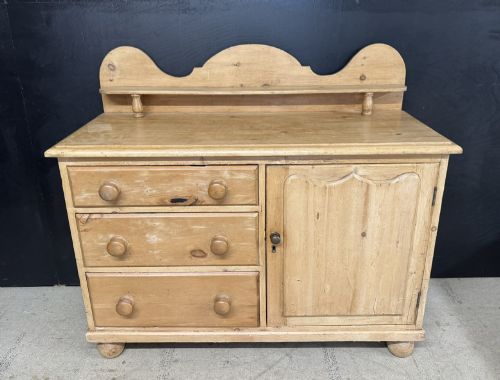
A country pine dresser base brings utilitarian utility and rustic warmth to a kitchen or dining room, offering ample surface space alongside deep drawers and lower cupboards.
Country Pine Dresser Base
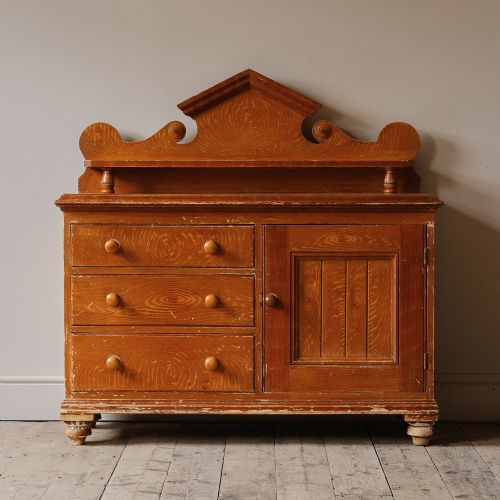
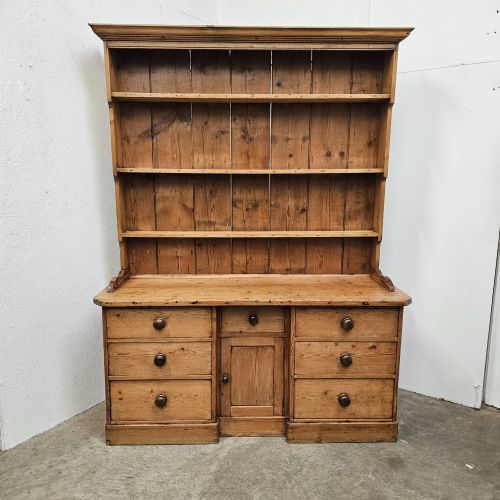
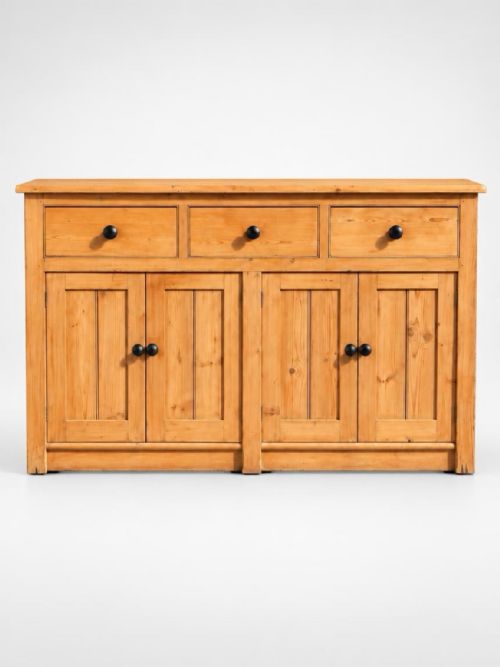
A country pine dresser base serves as a low storage unit designed originally for practical use in farmhouses, country houses, and domestic kitchens. These pieces typically combine a flat timber top surface for food preparation or serving with a configuration of drawers and lower cupboards enclosed by panelled doors.
The selections available range from 18th century Georgian and Queen Anne examples to more robust 19th century Victorian and Edwardian iterations. Common regional variants include Welsh, Scottish, Irish, and West Country pieces, alongside English country house and continental styles.
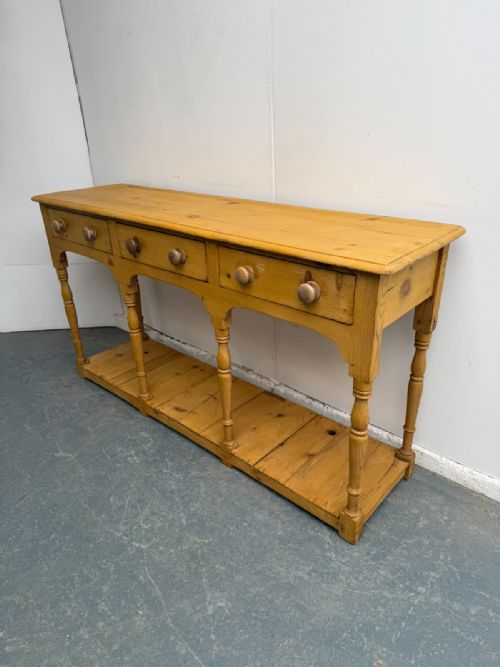
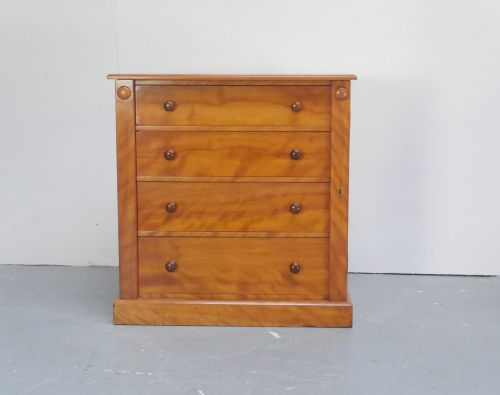
While many listings focus strictly on dedicated dresser bases, related forms such as kitchen dressers, potboard dressers, housekeeper cupboards, and serving tables frequently appear within this category. Buyers will encounter both stripped waxed pine and versions retaining original or later painted finishes.
Materials and Construction
Construction relies heavily on solid pine, occasionally paired with secondary timbers like sycamore, elm, or poplar for drawer linings and internal framing. Iron hinges, brass handles, and glass elements appear selectively on hardware and cabinet doors depending on the specific period and regional workshop.
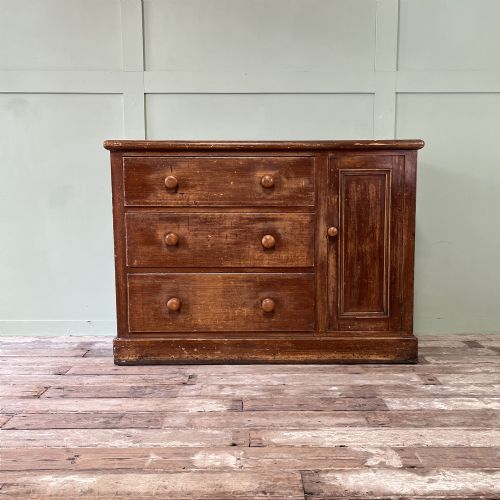
Surface treatments divide between traditional wax finishes that highlight the natural grain of the timber and historical layers of paint. Many pieces display original paintwork, while others show evidence of stripping or preparation for new waxing or painting.
Country Pine Dresser Base Retail Price Guide 2026
Typical asking prices for country pine dresser base among the pieces listed under this phrase on Sellingantiques today, from the lower quarter to the upper quarter. They describe what is for sale here now, not the wider market.
Certain historic pieces include integrated dog kennel recesses, proving that our ancestors liked to keep the household hound warm and close to the pots.
Assessing Quality and Character
Quality rests upon the integrity of the original construction, timber selection, and the survival of early or untouched surfaces. Pieces exhibiting honest wear from decades of domestic service often hold greater character than heavily restored examples.
The Country Pine Dresser Base Glossary
- Potboard dresser
- A traditional open-shelf dresser or base featuring a low slatted bottom shelf, known as a potboard, positioned near the floor for storing heavy pots and pans.
- Dog kennel dresser
- A specific vernacular form featuring an open central recess flanked by banks of drawers or cupboards, originally designed to house a small domestic dog.
- Waxed pine
- Timber treated with traditional soft wax to nourish the wood and produce a mellow, tactile sheen rather than a glossy modern varnish.
- Potboard
- A slatted or boarded lower shelf set between the legs of a dresser base, traditionally utilised for storing heavy kitchen earthenware.
- Vernacular furniture
- Items made by local craftsmen using regional traditions and readily available native timbers rather than following strict metropolitan stylistic dictates.
Country Pine Dresser Base: Frequently Asked Questions
What is a country pine dresser base used for?
These low cabinets serve primarily as practical sideboards, kitchen islands, or serving tables. They offer a generous top surface for food preparation or display alongside enclosed lower storage for tableware and provisions.
In modern interiors, buyers utilise them in kitchens, hallways, and dining rooms to introduce functional storage while retaining a rustic aesthetic.
How do I tell an 18th century base from a Victorian one?
Eighteenth century examples, including Georgian and Queen Anne pieces, often display softer hand-planed surfaces, pegged joinery, and specific regional proportions associated with West Country or Welsh workshops. Victorian pieces tend to be heavier in scale with machine-sawn elements and standardised drawer construction.
Examining the internal drawer linings, backboards, and fastener types helps reveal the manufacturing era and regional origin.
Should I choose painted or waxed pine?
Waxed pine highlights the natural grain and warm golden tones of the aged timber, fitting traditional and minimalist rustic schemes alike. Painted pine preserves historical layers of colour and offers a softer, more decorative presence within a room.
Many period pieces retain traces of original paint or were designed to be repainted to suit domestic colour schemes.
Are these pieces suitable for modern kitchens?
Pine dresser bases adapt readily to contemporary kitchen spaces, functioning effectively as freestanding islands, breakfast bars, or auxiliary storage units. Their durable timber tops withstand daily domestic use while providing character missing from modern fitted cabinetry.
Care should be taken to protect antique surfaces from excessive moisture and heat.