



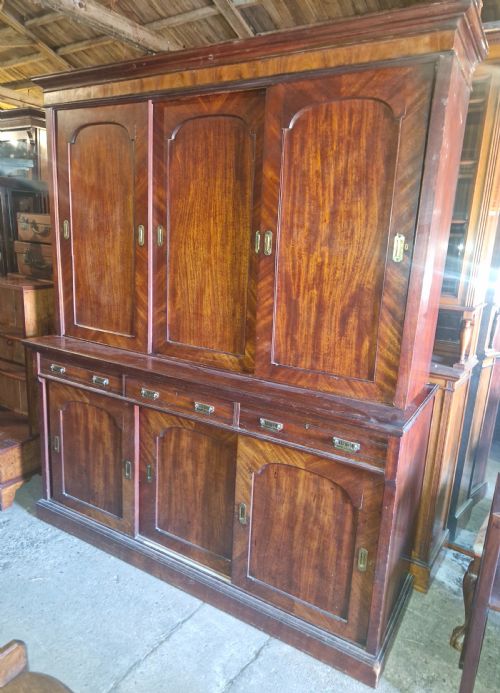
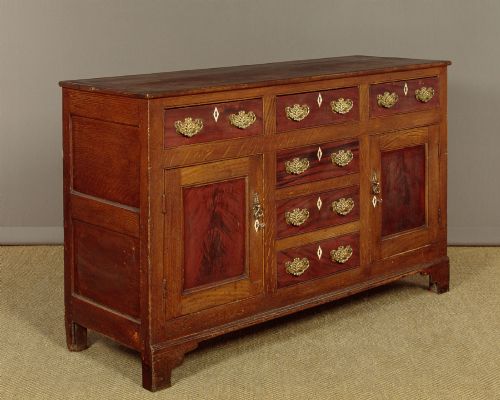
Country House Dresser
A country house dresser anchors a room with timber weight and practical surface area, offering open shelving or deep lower drawers for daily service.
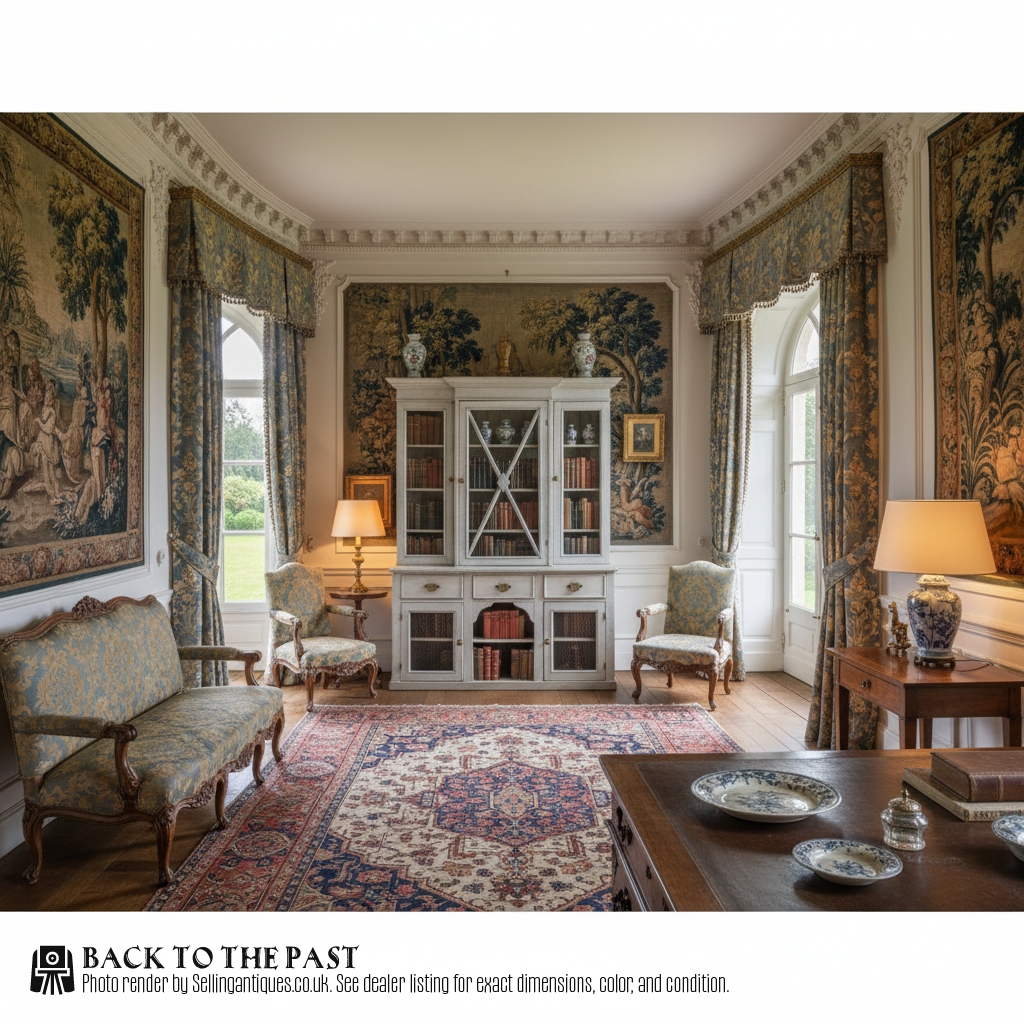
Country House Dresser
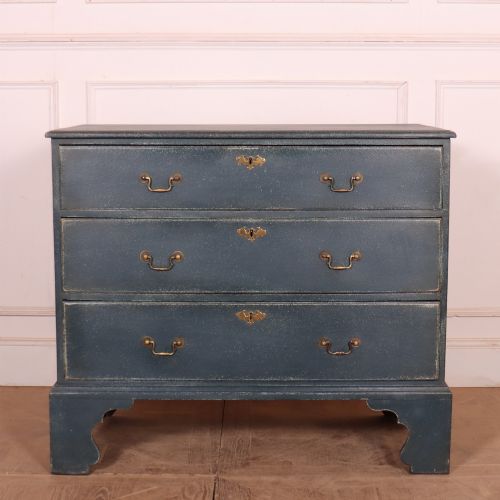
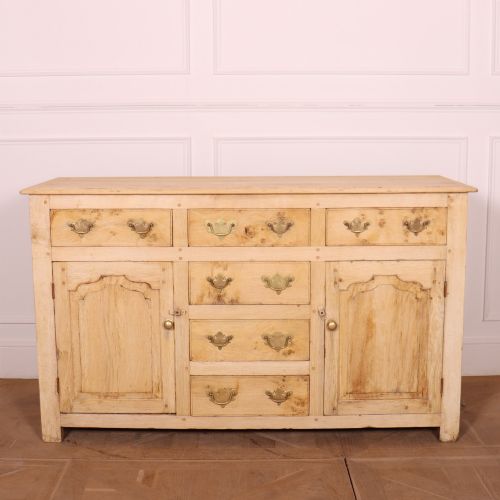
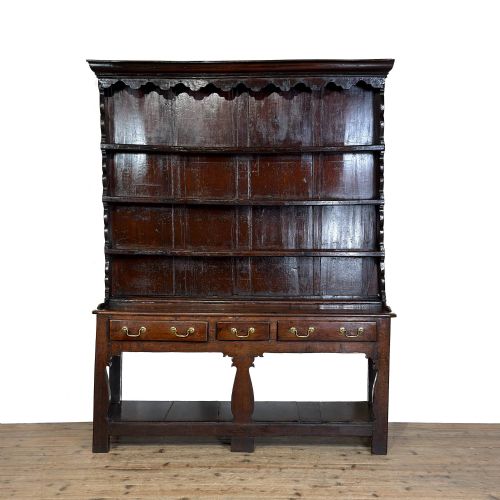
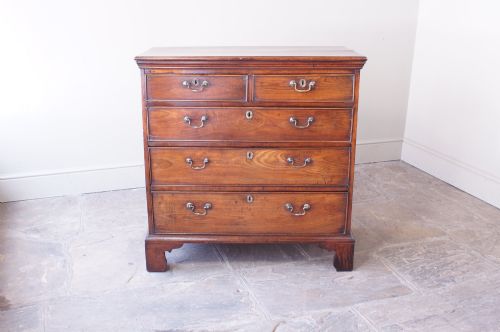
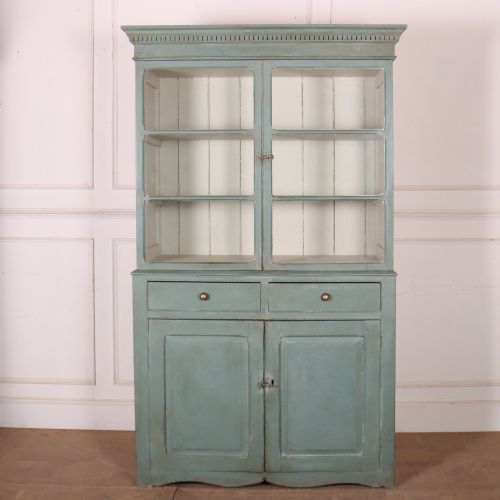
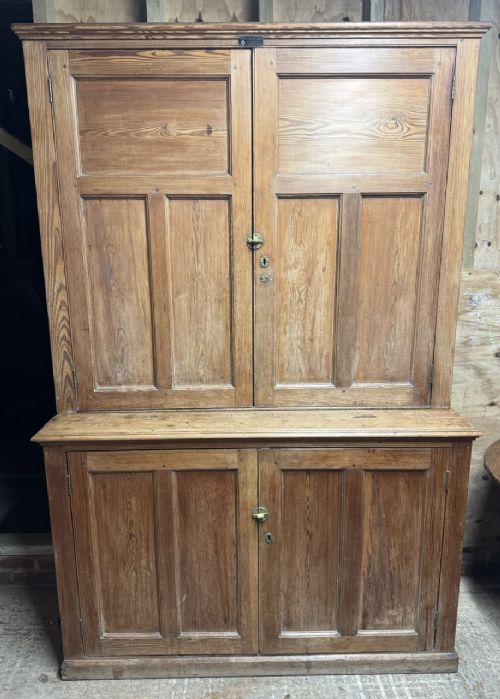
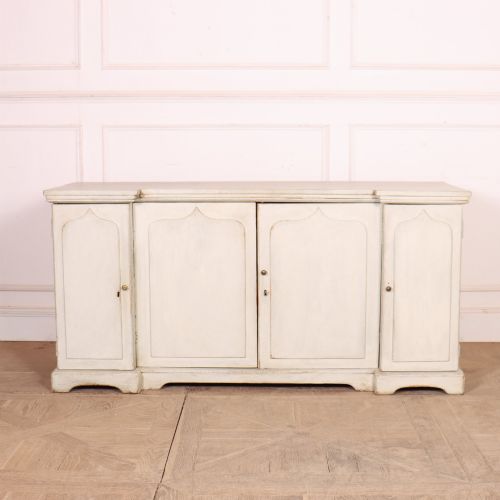
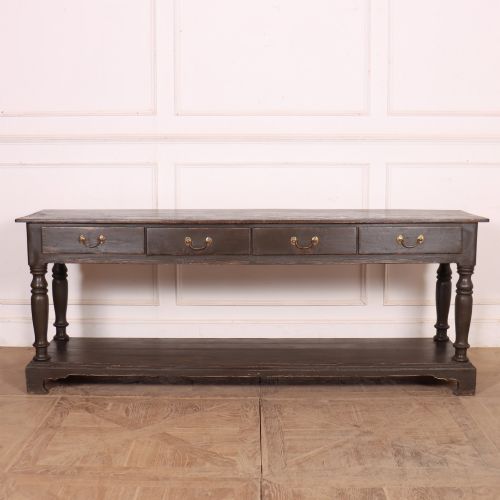
A country house dresser combines a substantial lower sideboard or base with open plate racks or upper cabinetry, designed for domestic utility in large rural properties. These items range from Georgian and Victorian oak iterations to painted pine pieces originating from Wales, England, Ireland, and France. Buyers most frequently encounter sturdy oak or painted timber bases from the eighteenth and nineteenth centuries, often featuring open shelving or enclosed cupboards.
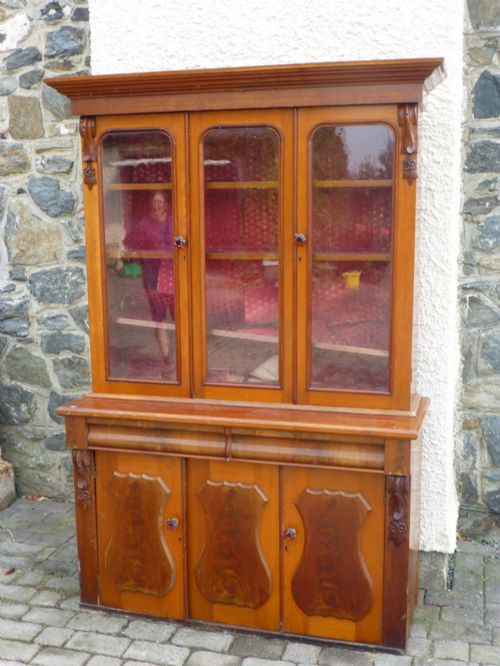
The form developed as a functional workspace and storage unit for kitchens and estate offices, housing crockery, dry stores, and household linen. Regional variations include Welsh dressers with characteristic boarded potboards and Shropshire or Scottish variants incorporating breakfront drawers or glazed upper bookcase sections. These functional domestic items now serve as focal storage furniture in modern interiors.
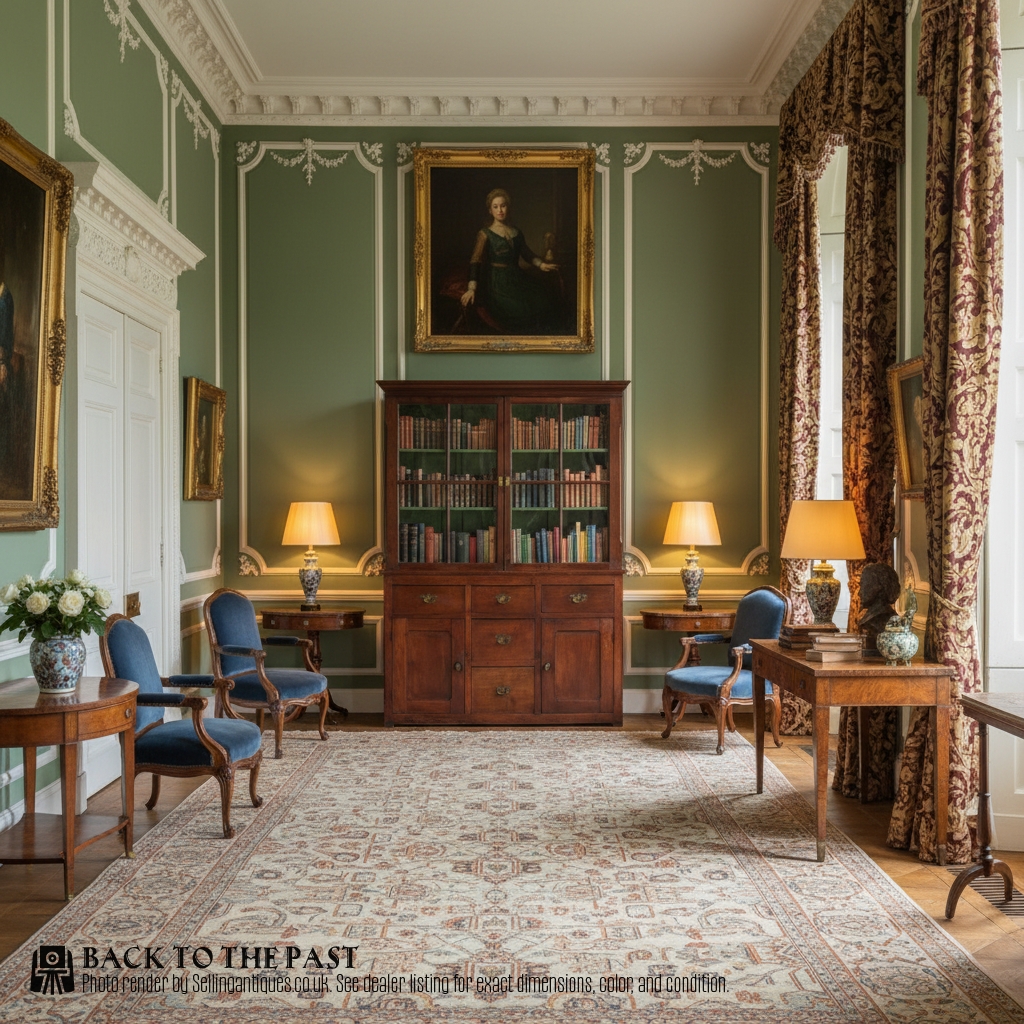
How they were made
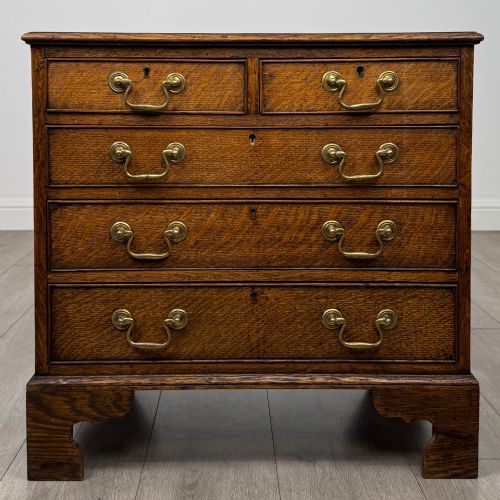
Cabinet makers built these pieces primarily using native timbers such as oak, pine, elm, and fruitwood, often pairing structural oak frames with secondary softer woods for internal framing. Surfaces were either left to develop a natural waxed patina or finished with historic paint layers, ranging from original lead-based pigments to later decorative schemes. Iron and brass hardware, including drop handles and butterfly hinges, secured doors and drawers assembled with traditional hand-cut dovetails.
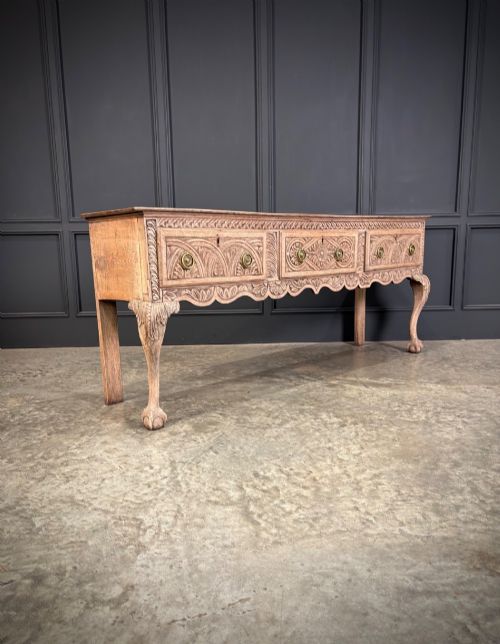
Upper display racks were typically pegged or jointed directly into the lower dresser base, though many lower bases survive independently as serving tables or enfilades. Timber selection often reflected local availability, resulting in sturdy Welsh oak configurations, French fruitwood cupboards, and pine carcases destined for utilitarian estate rooms.
Country House Dresser Retail Price Guide 2026
Typical asking prices for country house dresser among the pieces listed under this phrase on Sellingantiques today, from the lower quarter to the upper quarter. They describe what is for sale here now, not the wider market.
One recorded nineteenth-century Welsh dresser arrived directly from an operational Snowdon cafe, carrying decades of local history in its timber.
What varies in quality
Quality rests in the proportion of the timber, the integrity of the original construction, and the survival of untouched surfaces like early paint or deep historic wax patination. Superior examples display thoughtful grain selection in primary woods, harmonious drawer arrangements, and minimal timber replacement over centuries of domestic use. Lesser quality often involves later alterations to upper racks, heavily sanded surfaces that strip away age, or mismatched hardware replacements.
The distinction between regional vernacular work and grander estate pieces shows in the sophistication of mouldings, the thickness of timber boards, and the retention of original potboards or backboards. Pieces retaining their original configuration of open shelves and base cupboards command stronger interest than adapted combinations.
The Country House Dresser Glossary
- Dresser base
- A low sideboard cabinet featuring drawers and cupboards without the upper plate rack. These surfaces functioned as serving tables or workspace counters in large kitchens.
- Potboard
- An open slatted lower shelf fitted between the legs of a dresser. This surface traditionally held heavy earthenware pots and copper vessels.
- Plate rack
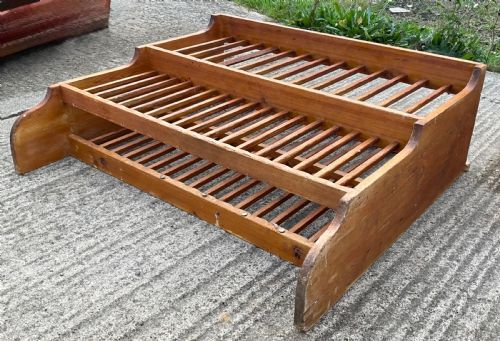
- The upper shelving unit attached to a dresser base featuring grooved plate rails and vertical boards. It was designed to display ceramic plates upright.
- Enfilade
- A long sideboard or low cabinet with multiple doors in a continuous line. This form originates from French provincial dining rooms and domestic offices.
- Breakfront
- A piece of furniture where the central section projects forward from the flanking outer cabinets. This layout creates depth and architectural presence on large case pieces.
Country House Dresser: Frequently Asked Questions
Where did these dressers stand?
These large storage units stood principally in country house kitchens, sculleries, and estate offices where domestic staff prepared meals and managed household stores. They provided heavy-duty storage for daily earthenware, linens, and provisions.
Over time, many migrated from working service areas into dining rooms and large living spaces as homeowners began to prize their substantial timber presence and display capacity for decorative ceramics.
How do I care for old pine?
Historic pine and softwood furniture responds best to gentle cleaning with a soft, dry cloth and occasional applications of traditional beeswax to nourish dry timber. Avoid modern liquid polishes that can degrade historic painted surfaces or soften old wax.
Keep these timber pieces away from direct heat sources and severe humidity fluctuations to prevent wood shrinkage, warping, or cracking in the historic joints.
Are the upper racks original?
Many lower dresser bases survived centuries of use separated from their original upper plate racks, leading to marriage pieces where shelves were added later. Collectors look for consistent timber ageing, matching wear patterns, and integrated peg construction between the upper rack and lower base.
Even when separated, dresser bases function admirably as standalone sideboards, serving tables, or low console units in contemporary reception rooms.
How do I identify regional styles?
Regional characteristics often show in the choice of timber, structural proportions, and local cabinet-making traditions. Welsh pieces frequently utilise thick native oak with boarded potboards, while Irish and Northern English variants often employ painted pine with deep lower cupboards.
French provincial examples typically feature fruitwood construction and fielded panel doors, distinguishing them from rectilinear English estate office cabinets and Georgian country house designs.