

Country House Chairs
Country house chairs bring relaxed, lived-in comfort and sturdy vernacular craftsmanship into modern living spaces.
Country House Chairs
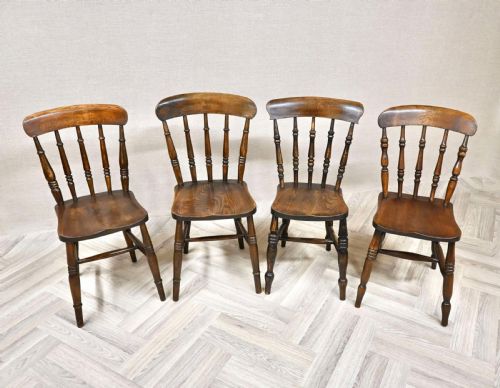
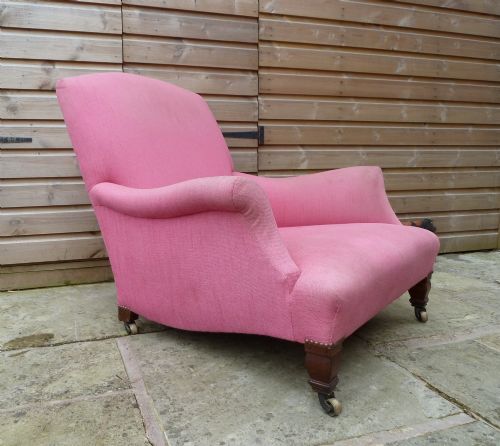
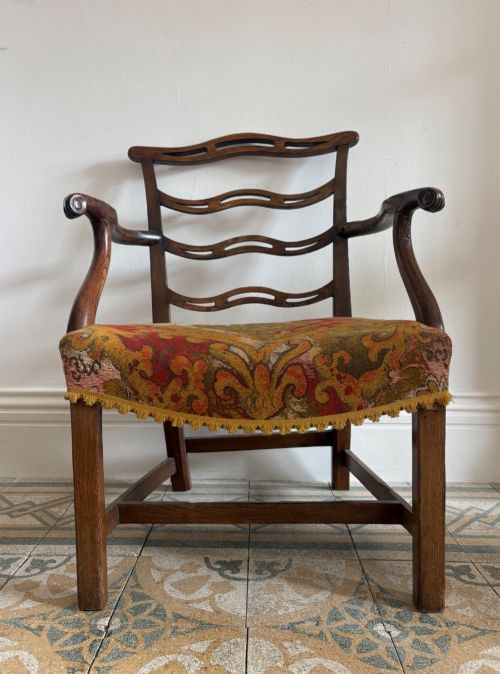
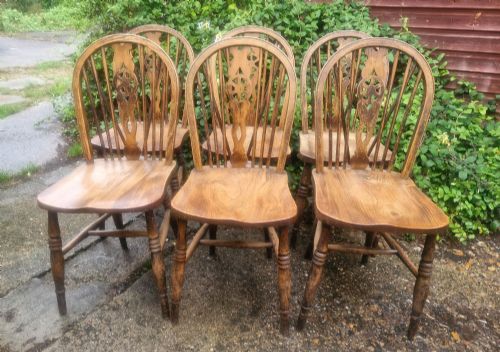
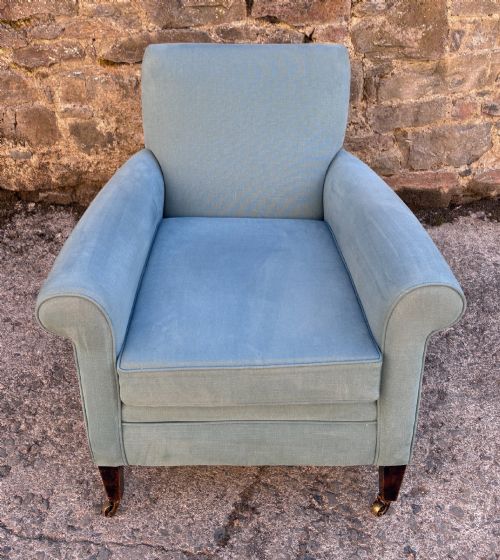
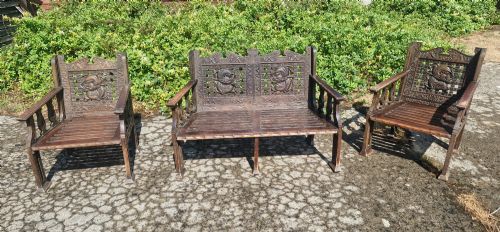
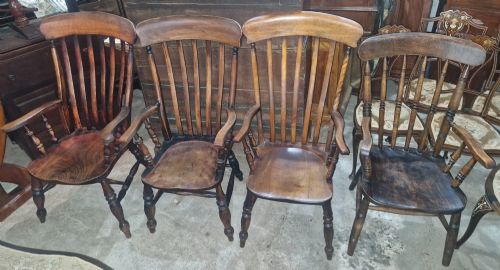
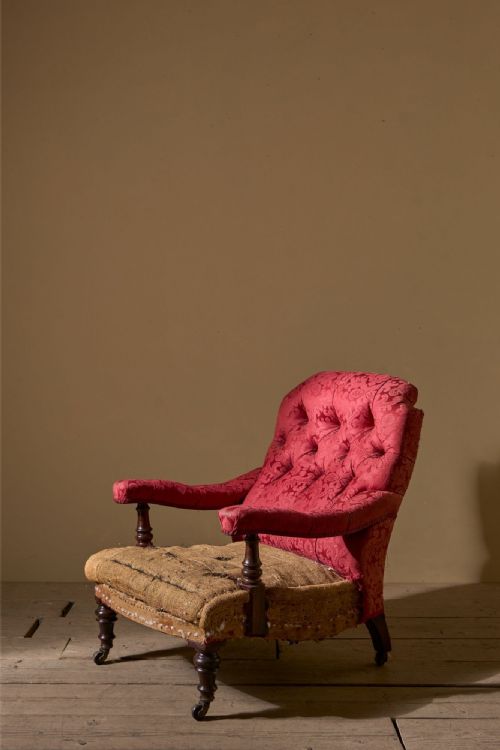
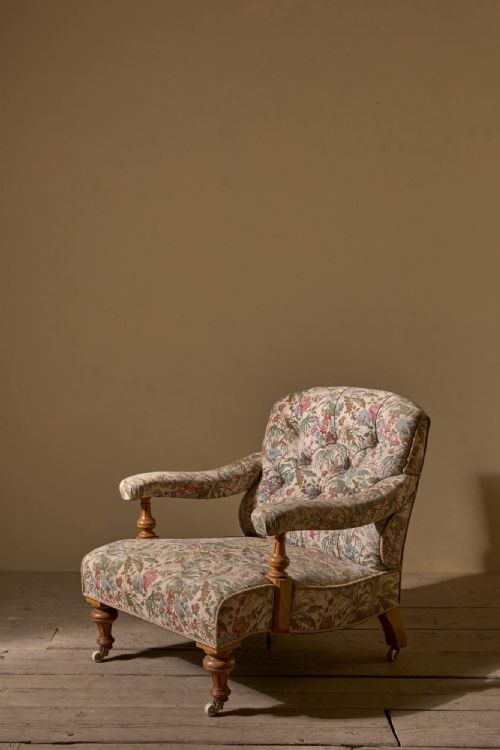
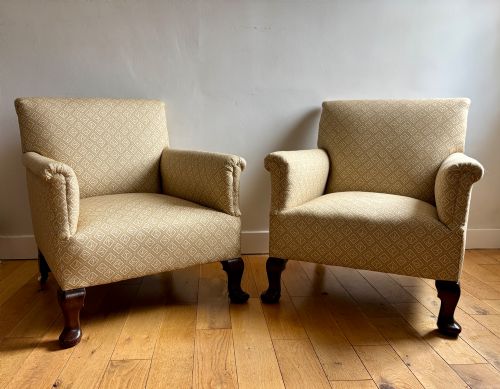
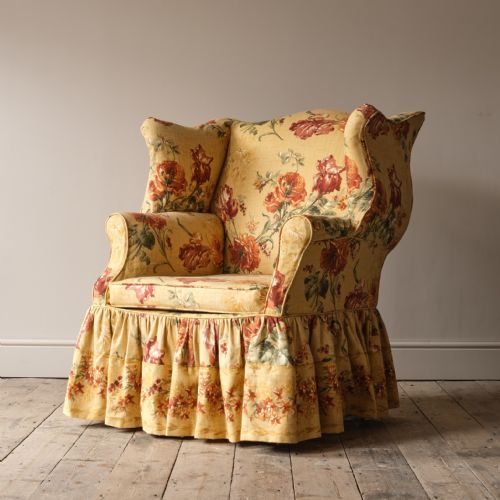
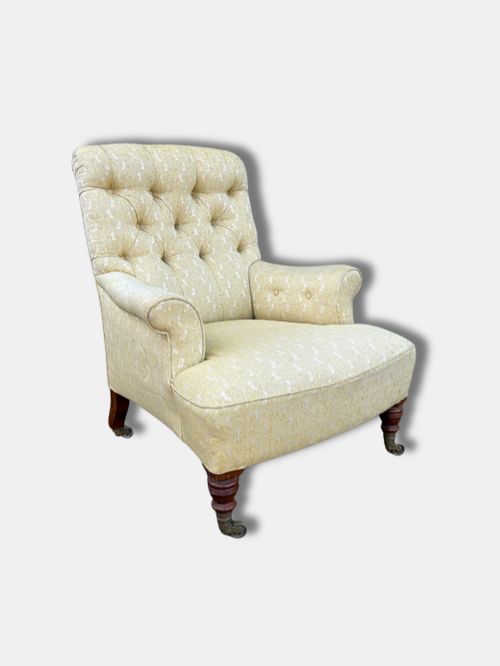
When searching for country house chairs, buyers encounter a diverse mix of vernacular seating, from robust kitchen Windsors to deep-seated upholstered armchairs. These pieces originated in grand estates, farmhouses, and provincial homes, reflecting a practical approach to domestic comfort across the eighteenth, nineteenth, and early twentieth centuries.
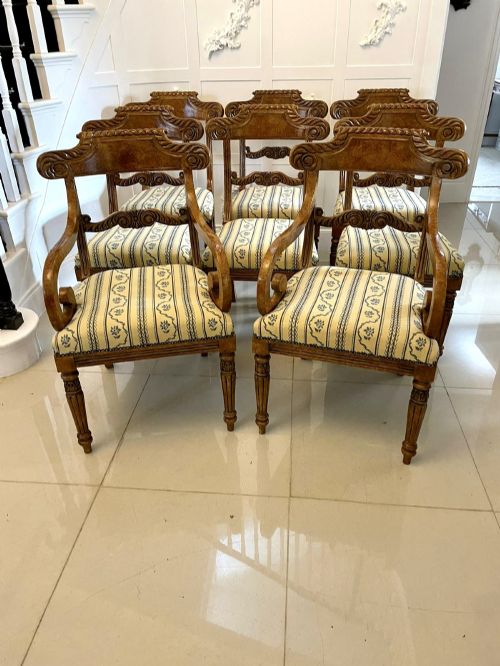
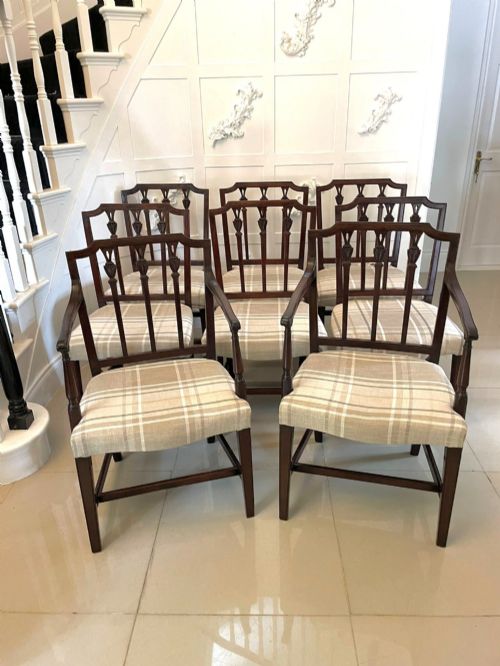
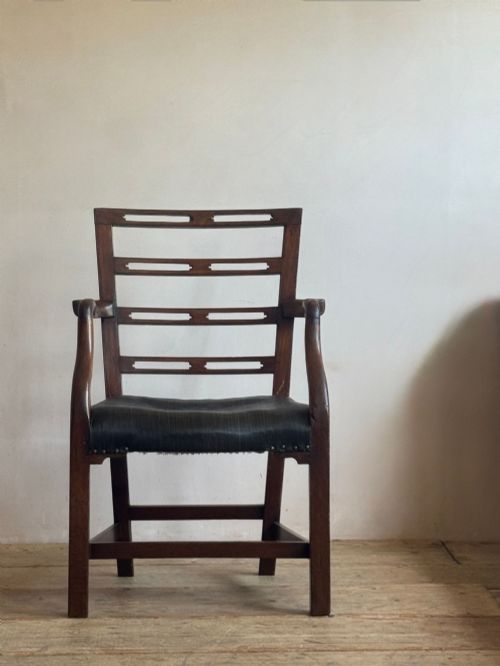
The selections available range from sturdy elm and beech ladderbacks to grand mahogany dining sets and oversized upholstered lounging seats. Many examples show the marks of heavy daily use, blending formal stylistic influences with straightforward regional joinery.
Buyers frequently find matched sets of kitchen and dining chairs alongside singular library armchairs and club chairs designed for deep relaxation. This category bridges the gap between formal period elegance and rural utility.
Materials and construction
Makers relied heavily on native British timbers, selecting elm, oak, ash, and beech for their strength and flexibility in vernacular frames. Windsor seating often combines multiple woods, utilising bent ash for hoops and solid elm for sculpted seats.
Upholstered pieces employ traditional webbing, springs, and stuffing, finished in textiles such as leather, calico, tapestry, and chenille twill. Frame construction ranges from simple pegged joints in rustic ladderbacks to complex mahogany and walnut joinery in formal dining suites.
Country House Chairs Retail Price Guide 2026
Typical asking prices for country house chairs among the pieces listed under this phrase on Sellingantiques today, from the lower quarter to the upper quarter. They describe what is for sale here now, not the wider market.
Several armchairs come designated as bothy chairs, suggesting even country house staff enjoyed a comfortable seat after a hard day.
Assessing quality and authenticity
Quality in these chairs rests upon the integrity of the original timber and the honesty of the construction. Pieces retaining their original unclipped turnings, patinated surfaces, and uncompromised joinery stand at the upper end of the scale.
The depth of the stuffing and the durability of the internal framing dictate the comfort and longevity of upholstered seating. Lesser examples suffer from unsympathetic modern replacements or structural fatigue from centuries of hard service.
Howard and Sons·Whytock and Reid·Morison and Co·SF Cullen·Holland and Sons·Gillows
The Country House Chairs Glossary
- Windsor
- A traditional wooden chair featuring a solid sculpted seat into which the legs and back spindles are wedged directly. These forms are frequently found in kitchen and farmhouse settings.
- Ladderback
- A chair style characterised by horizontal slats set between the vertical uprights of the backrest. These pieces often feature rush or wooden seats.
- Wingback
- An armchair featuring side panels designed to shield the sitter from draughts and trap heat from a fireplace. They appear frequently in nineteenth-century country house interiors.
- Bergere
- An enclosed armchair with upholstered seat and back, featuring exposed wooden framing and woven cane panels on the sides. They offer a lighter aesthetic than fully padded club chairs.
- Carver
- An open armchair designed for the head of a dining table, matching a set of side chairs. They provide wider seats and supportive armrests.
Country House Chairs: Frequently Asked Questions
How do I clean antique leather upholstery?
Wipe surfaces gently with a dry or slightly damp cloth to remove surface dust without stripping natural oils. Avoid harsh chemical cleaners that damage the historic grain.
Apply a specialist leather balsam sparingly if the hide shows dryness. Test any treatment on a hidden area first.
Can I use country house dining chairs daily?
Solid wooden chairs built from elm, oak, and beech remain exceptionally durable for everyday meals. Check that the joints remain tight before putting them into regular service.
Upholstered variants require more care, particularly regarding the internal webbing and springs. Rotate seating usage to preserve antique textiles over time.
What is the difference between a Windsor and a ladderback?
Windsor chairs utilise a thick solid wooden seat base with turned spindles inserted into bored holes. Their backs often incorporate a central splat or a bentwood bow.
Ladderbacks feature a frame constructed from vertical posts connected by horizontal wooden slats. Their construction relies on pegged mortise and tenon joints rather than socketed spindles.
How do I date a nineteenth-century armchair?
Examine the timber species, turning styles, and underframe construction methods for period indicators. Hand-sawn marks and traditional joinery point towards earlier nineteenth-century manufacture.
Compare the upholstery style and spring systems against documented cabinetmaker archives. Maker stamps on castors or rear legs provide definitive chronological markers.