


Classic Wooden Chairs
Classic wooden chairs bring warmth and history to any room, offering enduring craftsmanship in mahogany, elm, beech, and walnut.
Classic Wooden Chairs
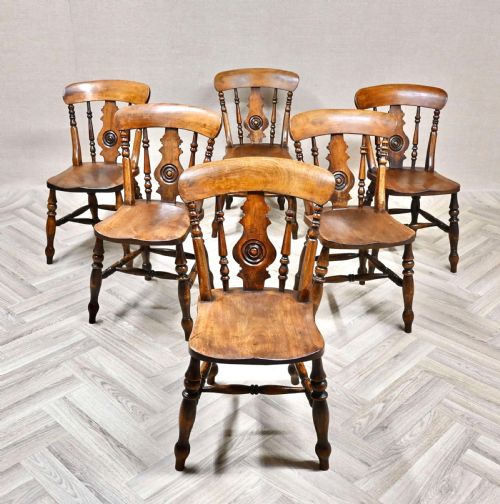
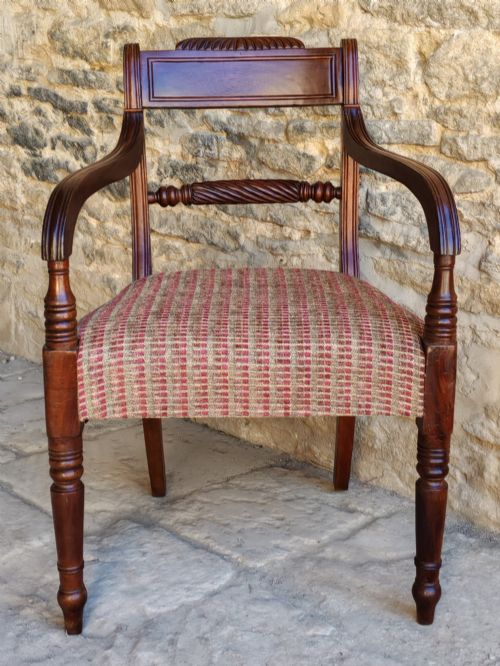
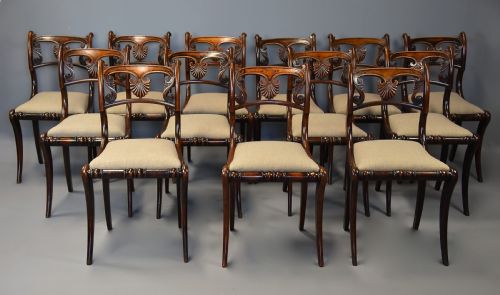
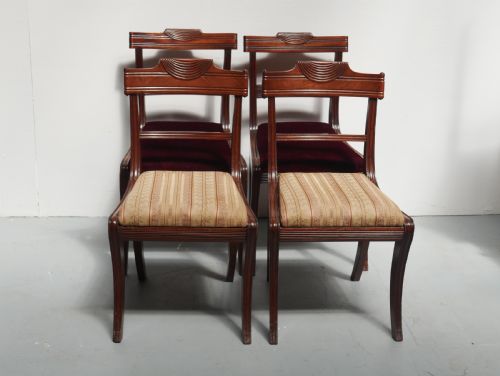
Classic wooden chairs span multiple periods including Georgian, Regency, Edwardian, and the early twentieth century, taking the form of dining chairs, carvers, armchairs, and elbow chairs. Buyers searching for classic wooden chairs encounter diverse regional and stylistic expressions, from nineteenth-century kitchen windsors to formal mahogany dining sets.
The selection here encompasses specific regional designs such as Victorian country models alongside sophisticated urban creations influenced by George III, Queen Anne, and Sheraton revival aesthetics. Individual seating pieces range from large French carved walnut bergere armchairs to simple stickback open armchairs.
How they were made
Craftsmen shaped these seating pieces using traditional timbers such as mahogany, beech, elm, and simulated rosewood, often combining solid hardwoods with applied decorative veneers. Structural frames frequently incorporate turned or carved wooden components joined by traditional woodworking methods.
Upholstered variations integrate supportive internal webbing and stuffing finished with various textiles, including velvet, fabric, and specialised upholstery fabric. Decorative enrichment relies on hand-carved wooden details, simulated grain painting, and polished timber surfaces.
Listings feature woods including mahogany, elm, beech, satinwood, and simulated rosewood across dining chairs and armchairs.
What varies in quality
Quality rests upon the selection of timber and the precision of the joinery, where tightly fitted joints distinguish superior work from utilitarian construction. The crispness of hand-carved details and the harmony of proportions reveal the maker's skill and ambition.
Original surface finishes and the survival of matching sets elevate the desirability of specific examples. Alterations, replaced components, and subsequent re-upholstery influence the historical integrity of each piece.
The Classic Wooden Chairs Glossary
- Carver
- An armchair, typically designed to sit at the head of a dining table or to match a set of single dining chairs. These pieces often feature scrolling armrests integrated into the wooden frame.
- Stickback
- A chair construction utilising multiple turned wooden spindles inserted directly into the seat and top rail. This method forms a sturdy and lightweight support.
- Bergere
- An enclosed upholstered armchair featuring wooden sides and an exposed wooden frame. French examples frequently showcase detailed carving along the crest rail.
- Elbow chair
- A seating piece equipped with short armrests designed to support the elbows. They frequently accompany larger dining sets as head chairs.
Classic Wooden Chairs: Frequently Asked Questions
How do I clean antique wooden chairs?
Dust regularly with a soft, dry cloth to prevent the accumulation of dirt on the polished timber surfaces. Avoid harsh chemical cleaners that can strip historic finishes.
Nourish dry wood occasionally with an appropriate microcrystalline wax, applied sparingly and buffed gently. Protect upholstered sections according to the specific fabric requirements.
Can I mix different styles around a dining table?
Combining distinct styles creates a layered interior look, provided the heights and wood tones share a visual harmony. Matching carvers at the table ends with simpler side chairs along the flanks is a traditional approach.
Ensure that seat heights remain consistent to guarantee comfort for diners sharing the table. Balance formal Regency chairs with simpler country designs for an eclectic arrangement.
What is a Windsor chair?
A Windsor chair is a traditional seating form constructed with a solid wooden seat into which the legs and back spindles are separately joined. This method yields a durable structure without relying on a conventional box frame.
Kitchen windsors often feature distinct bow backs and sculpted seats designed for daily utility. These chairs showcase regional variations in turning patterns and wood selection.