
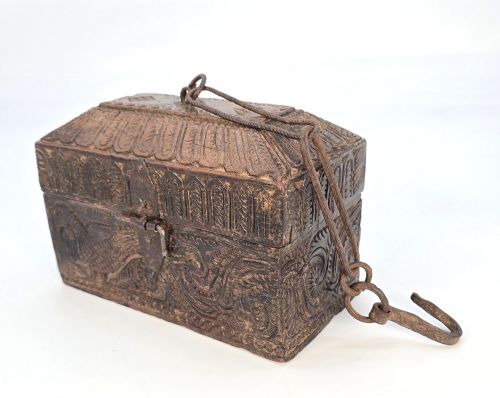


Colonial Indian Wooden Box
A colonial indian wooden box brings together distant craft traditions and utilitarian design, offering practical storage with intricate historical character.
Colonial Indian Wooden Box
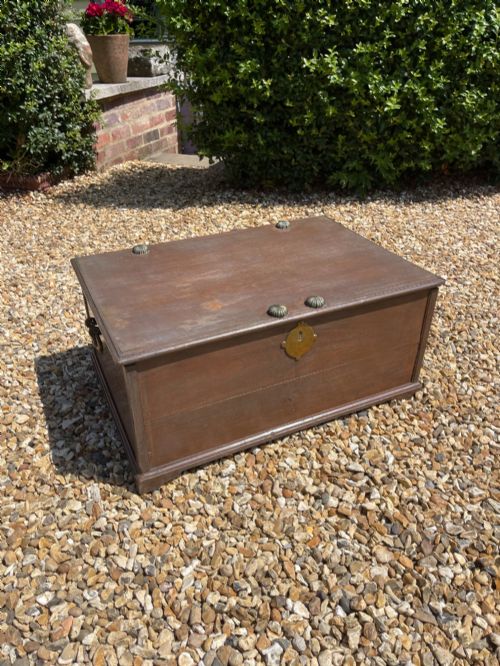
When searching for a colonial indian wooden box, buyers encounter items produced during periods spanning from the eighteenth century through to the early twentieth century. The selection encompasses various styles including Anglo-Indian, Victorian Colonial, and Regency.
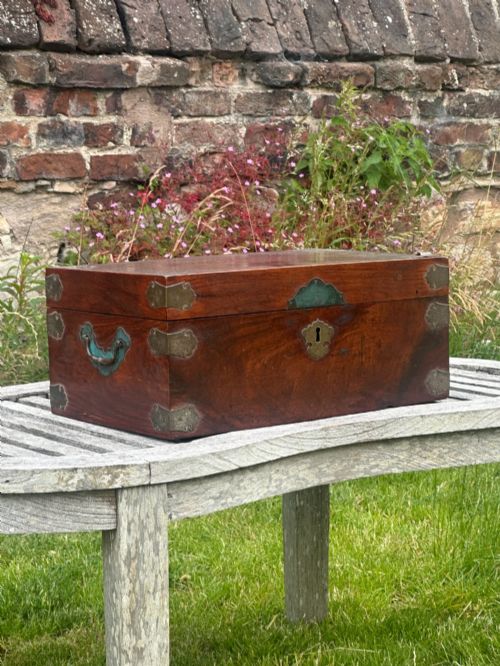
The objects take multiple functional forms, ranging from large blanket chests, campaign trunks, and merchants chests down to smaller items like writing slopes, jewellery caskets, and stationery boxes.
How they were made
Maker workshops utilised dense tropical timbers such as teak, padouk, ebony, camphor wood, and satinwood. These durable woods were selected to withstand travel and climatic shifts.
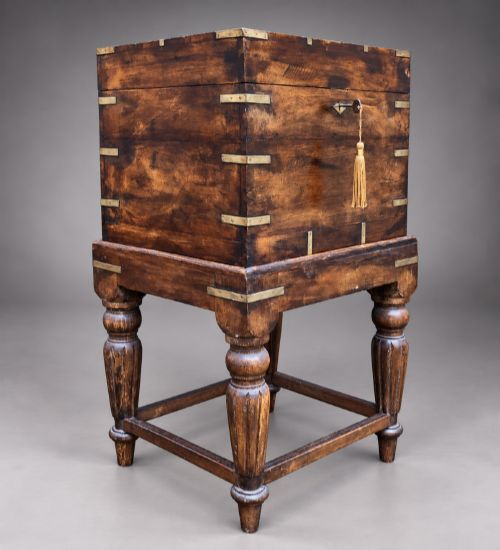
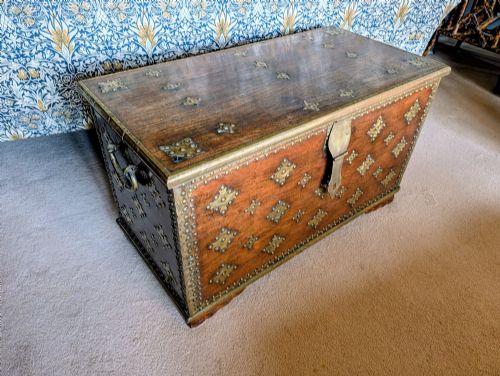
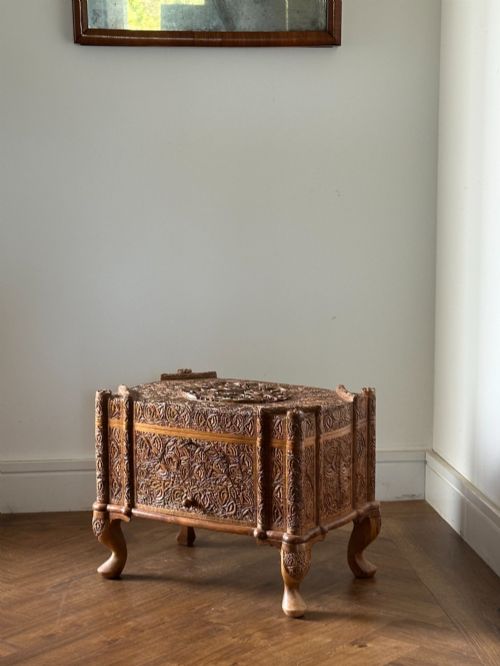
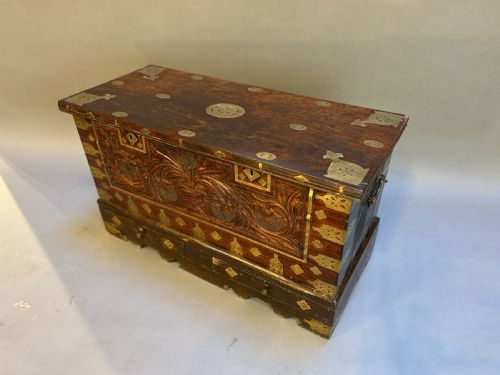
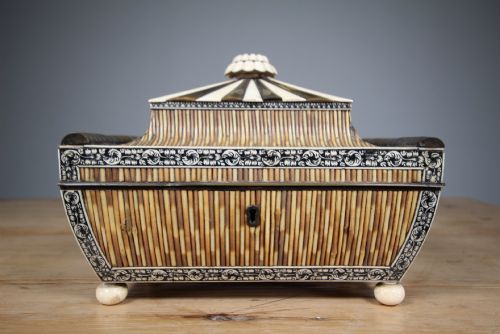
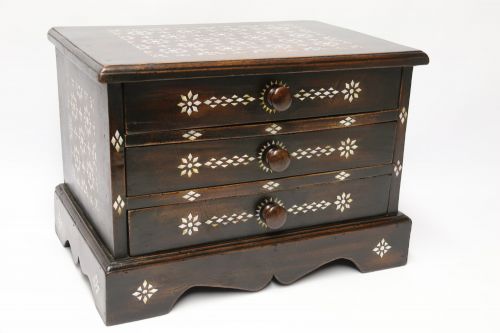
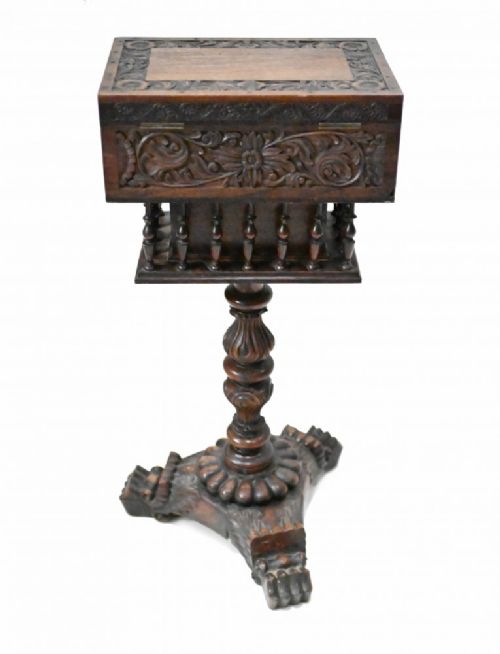
Construction frequently incorporated contrasting decorative elements including bone or ivory inlay, porcupine quill work, intricate carved details, and substantial brass or iron bindings and strapwork.
Several trunks retain secret compartments originally intended for hiding letters and hidden currency from prying eyes.
What varies in quality
The standard of carving and the precision of inlaid details dictate the refinement of a piece. Finer examples display deeply undercut foliage or geometric patterns executed without splitting the dense timber.
Original hardware, such as heavy brass corner mounts, campaign handles, and functional locking mechanisms with matching keys, elevates the integrity of the piece compared to later replacements.
The Colonial Indian Wooden Box Glossary
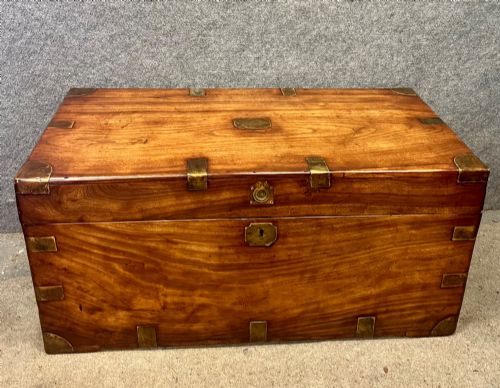
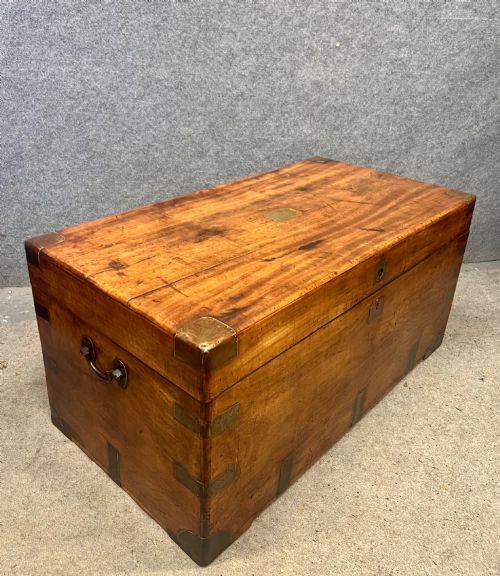
- Campaign trunk
- A sectional storage chest designed for military officers on the move, typically fitted with recessed brass handles and corner brackets. These pieces disassemble or stack for transport.
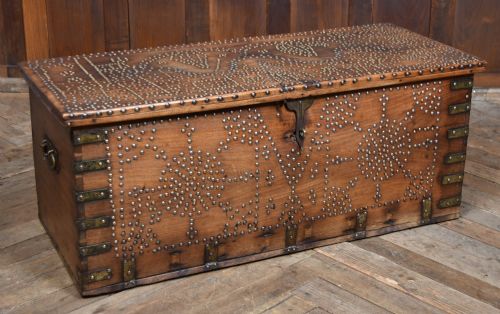
- Zanzibar chest
- A heavy storage box featuring distinctive brass studding, strapwork, and a domed or flat lid reflecting trade routes between India and East Africa. They were constructed primarily from teak or hardwood.
- Writing slope
- A portable slant-topped desk that opens to reveal compartments for inkwells, pens, and stationery. They often include secret drawers beneath the writing surface.
- Padouk
- A heavy, durable reddish-brown timber utilised extensively in Anglo-Indian furniture making. It darkens gracefully over time with exposure to light.
Colonial Indian Wooden Box: Frequently Asked Questions
What is a Zanzibar chest?
A Zanzibar chest is a robust storage trunk characterised by heavy brass bindings, intricate studwork, and often a central partitioned drawer. These pieces were built for maritime trade and domestic use.
They rely on dense hardwoods like teak and padouk to endure heavy handling and sea voyages, making them durable focal points for modern interiors.
How do I care for camphor wood?
Camphor wood requires minimal maintenance, needing only an occasional dusting and avoidance of direct, harsh sunlight. The timber naturally releases a characteristic aromatic scent.
Keep these trunks away from direct heat sources to prevent the wood from drying out or splitting over time.
What is porcupine quill work?
Porcupine quill work involves arranging alternating dark and light quills into geometric patterns across the wooden surface of boxes and caskets. This technique originates primarily from nineteenth-century Ceylon.
The delicate quills are set against contrasting woods like ebony or satinwood to create striking decorative patterns.
How are campaign boxes different?
Campaign boxes feature recessed brass hardware designed to prevent damage during military transport and travel. The flush fittings protect the corners and edges from impact.
Their robust construction makes them practical for everyday use as coffee tables or bedside storage units.