



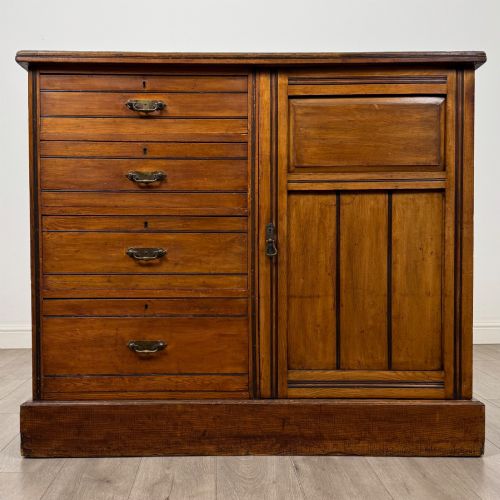

Collector Chest of Drawers
A collector chest of drawers holds tiny specimens safely.
Collector Chest of Drawers
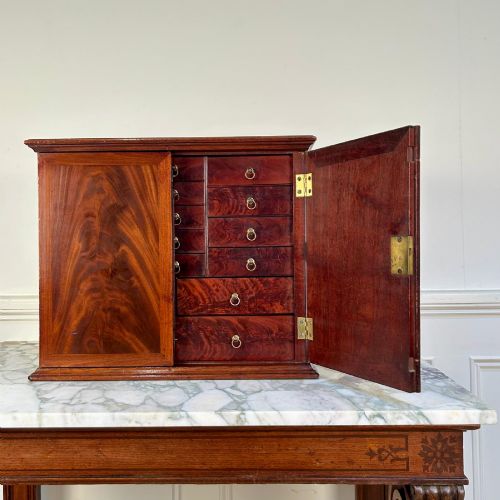
A collector chest of drawers serves to house small specimens, insects, and miniatures. These pieces scale down domestic furniture into compact tabletop or cabinet formats.
Mahogany, walnut, oak, and pine form the primary carcasses of these cabinets. Examples span from the Georgian period through the Victorian era and into the early twentieth century.
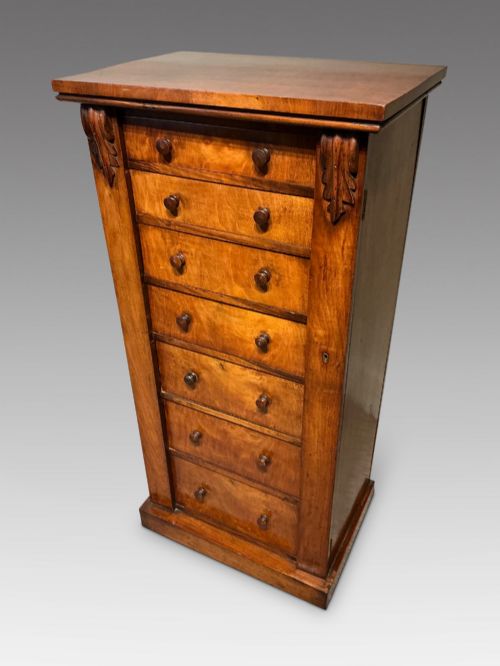
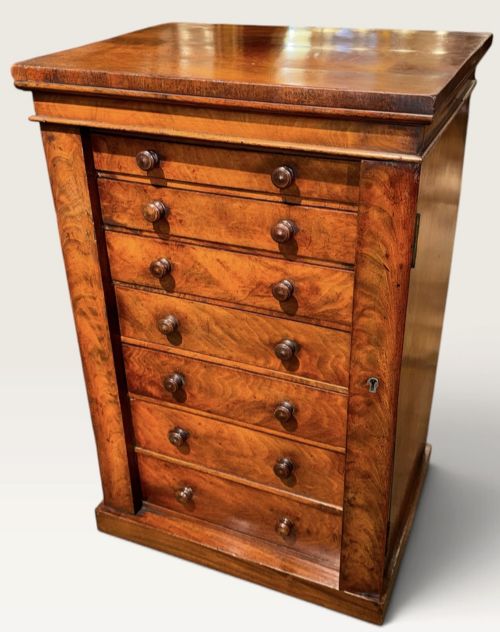
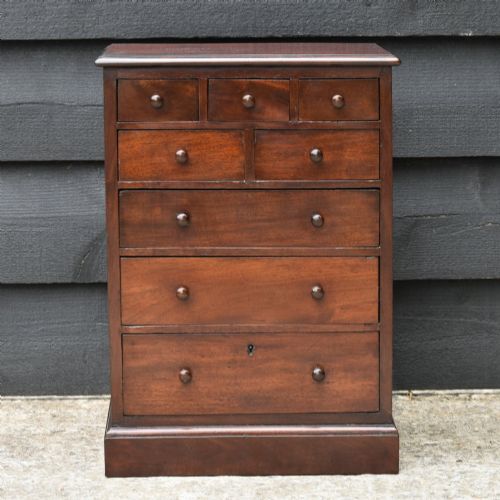
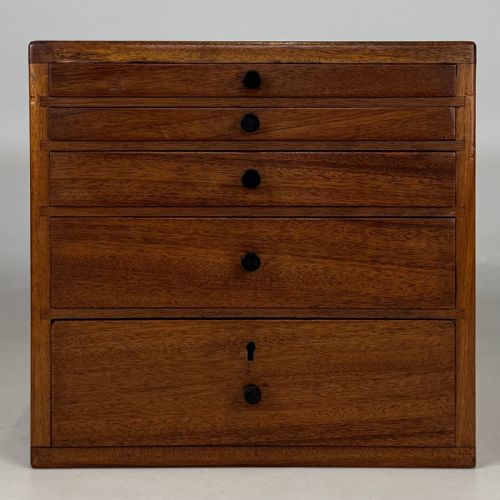
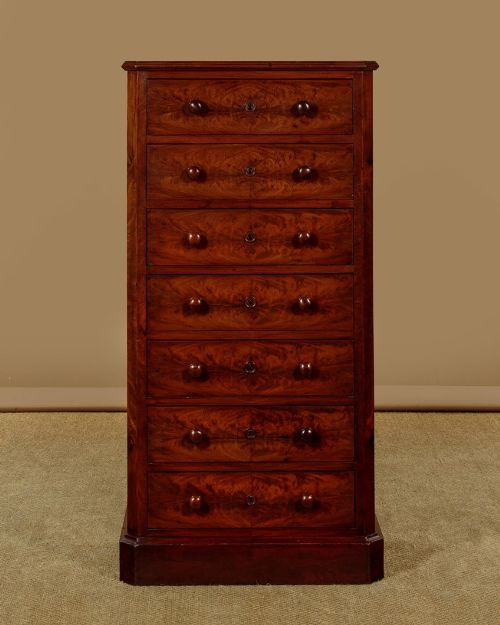
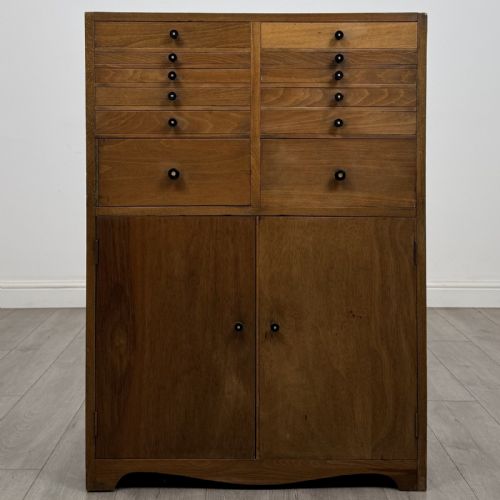
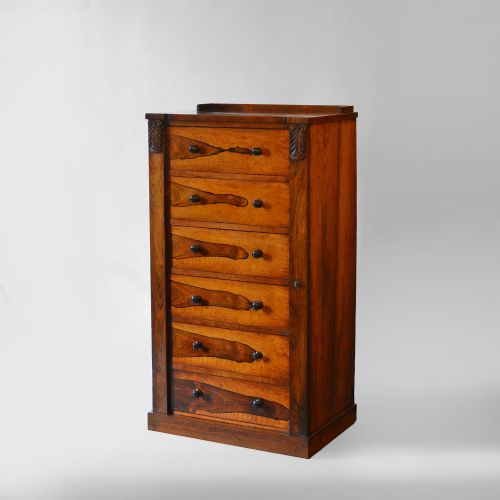
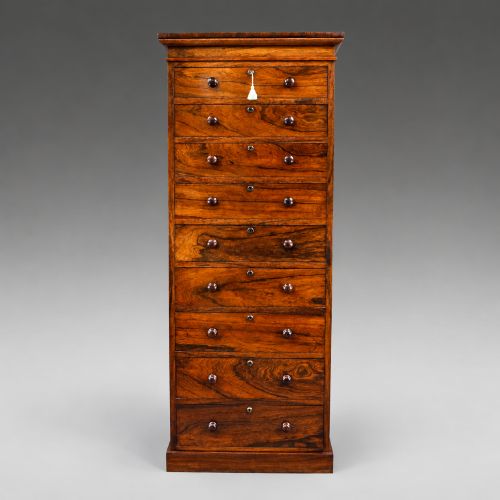
The layout typically involves numerous shallow drawers designed for careful sorting. Some formats incorporate locking mechanisms like Wellington styles or protective internal cupboard doors.
Construction and Materials
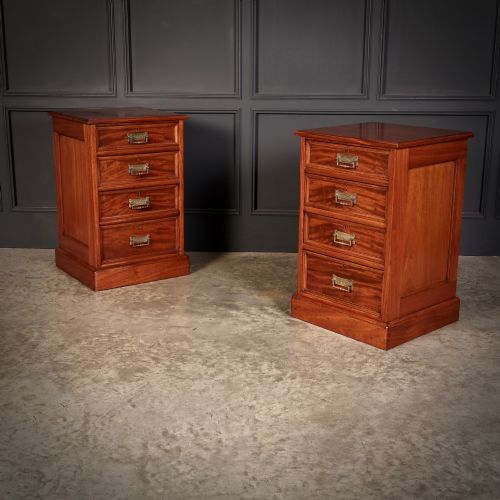
Cabinet makers utilised dense hardwoods such as mahogany and walnut alongside softer pine and oak. Brass hardware frequently appears on drawer pulls, handles, and locking stiles.
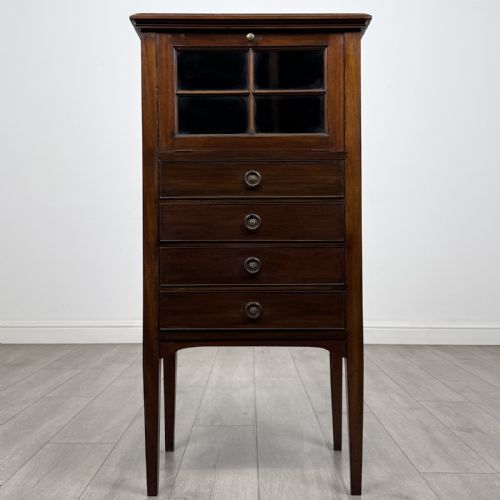
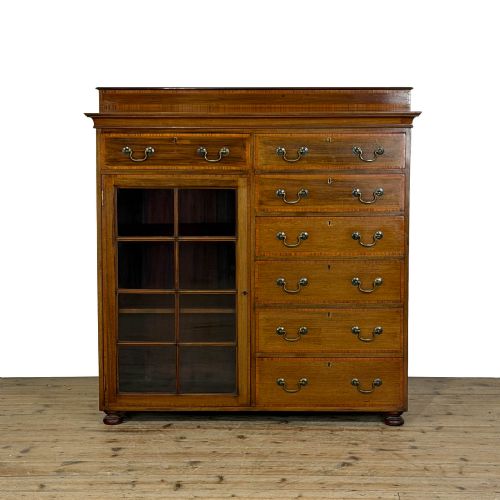
Glass is integrated into specific cabinet doors or internal frames to display contents securely. Precision joinery ensures that multiple shallow drawers slide evenly within the main structure.
Collector Chest of Drawers Retail Price Guide 2026
Typical asking prices for collector chest of drawers among the pieces listed under this phrase on Sellingantiques today, from the lower quarter to the upper quarter. They describe what is for sale here now, not the wider market.
Some tiny drawers still hold the faint, ghostly scent of old camphor and nineteenth-century insect pins.
Standards of Execution
The refinement of the timber selection dictates the visual weight of the piece, with figured grains and exotic veneers marking higher tiers of production. Secondary woods used inside the drawer construction reveal the diligence of the workshop.
Hardware fidelity also separates standard utilitarian banks from bespoke commissions. Original brass locks, escutcheons, and flush handles elevate the integrity of a piece.
Watkins and Doncaster·James Gardner·H W Caslon
The Collector Chest of Drawers Glossary
- Wellington chest
- A vertical chest of drawers secured by a hinged locking stile that fastens down the side. This design prevents unauthorized access to the contents.
- Specimen cabinet
- A specialised piece of furniture built with numerous shallow drawers for natural history items. These often feature glass tops or dust-proof internal lips.
- Bank of drawers
- A utilitarian multi-drawer housing unit built for storage or sorting. These appear in workshops, offices, and domestic collector spaces.
- Apprentice piece
- A small-scale model demonstration created by a woodworker proving mastery. These miniatures mirror full-sized furniture joints and proportions.
Collector Chest of Drawers: Frequently Asked Questions
What were collector chests used for?
These cabinets stored delicate natural history specimens, insects, fossils, and small curiosities. The numerous shallow drawers protected fragile items from dust and light.
Naturalists and gentleman collectors kept them in studies to organise growing collections. Miniature variations also functioned as apprentice demonstrations or jewellery storage.
How do I date a collector chest?
Dating relies on timber choices, construction methods, and hardware styles. Georgian pieces favour solid mahogany with hand-cut dovetails, while Victorian examples often introduce walnut and oak.
Twentieth-century iterations incorporate pine or manufactured framing. Maker labels inside drawers or stamped locks provide definitive chronological markers.
What is a Wellington chest?
A Wellington chest is a tall, narrow set of drawers featuring a locking side pilaster. Swinging this hinged wooden bar across the drawer edges secures the entire stack.
This mechanism offered secure storage for valuable specimens or documents. The style emerged in the nineteenth century and remains highly collectible.
Are these chests always made of mahogany?
Mahogany is common, but makers utilised a broad range of timbers. Walnut, golden oak, pine, and birds-eye maple appear across different periods.
Softer woods like pine typically served for utilitarian or regional workshop pieces. Hardwoods were reserved for finer domestic specimen cabinets.