








Cobalt Red Ceramic Dish
A cobalt red ceramic dish brings rich hand-painted pigment and intricate traditional patterns straight to a display cabinet or table.
Cobalt Red Ceramic Dish
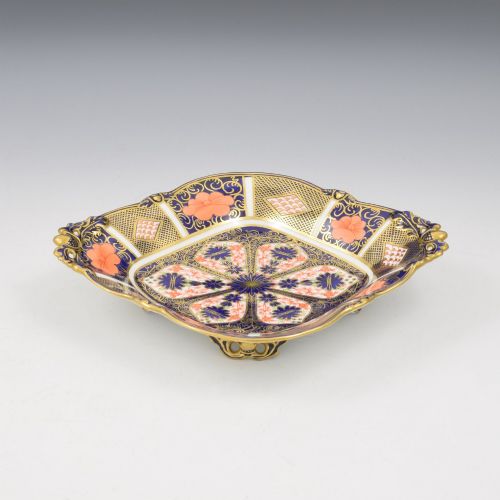
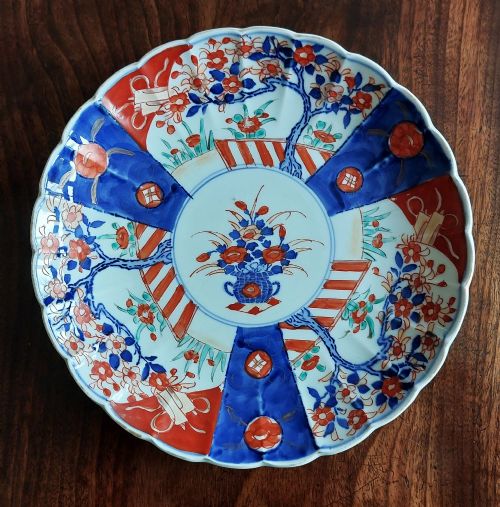
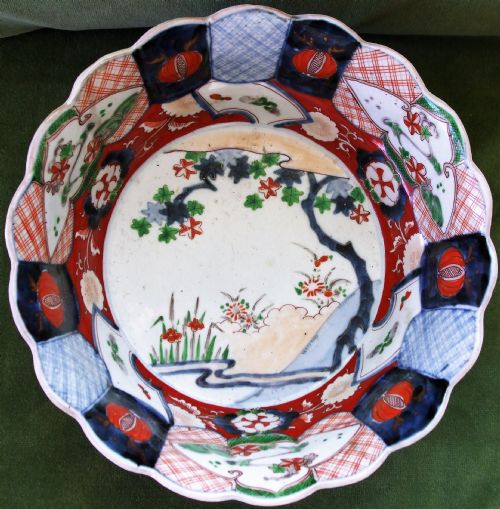
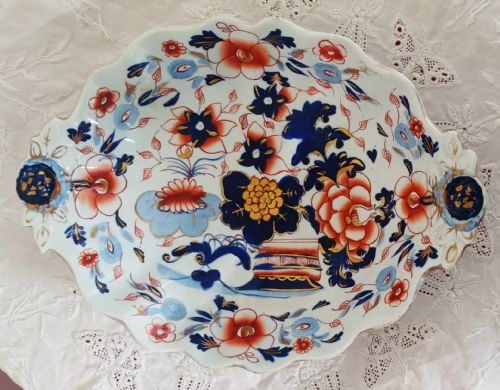
When searching for a cobalt red ceramic dish, a buyer encounters a focused selection of decorative plates, bowls, and chargers originating from Japanese Imari workshops and English makers. These pieces span the nineteenth century, the Victorian era, and the early twentieth century.
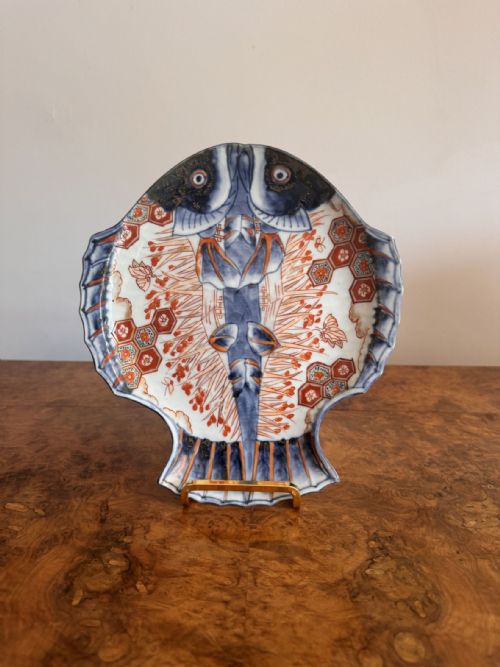
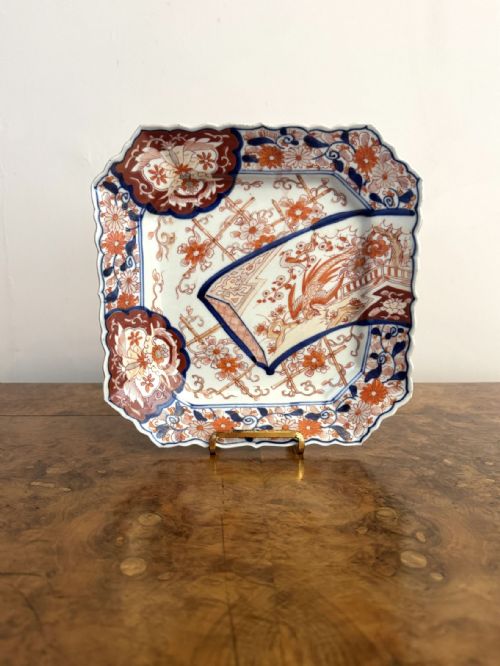
The version most commonly met on this page is the Japanese Imari porcelain dish or charger, often featuring scalloped edges, hexagonal shapes, or fish forms. Alongside these, English ironstone and bone china items produced in the Georgian and later styles appear in the listings.
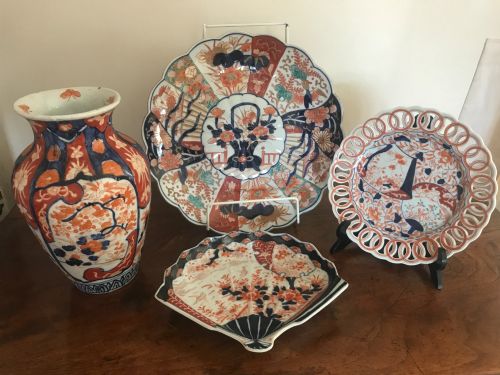
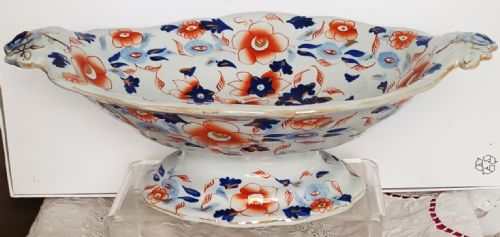
Forms range from small display dishes and serving trays to large wall plates and footed comports. Many incorporate traditional motifs such as exotic birds or depictions of the Seven Lucky Gods.
How they were made
Potters shaped porcelain, bone china, and ironstone into chargers, plates, and bowls before applying underglaze blue and iron red pigments alongside enamel and gilt highlights. Gold leaf and gilding were frequently added to accent the surface details.
Firing techniques in both Japanese kilns and English potteries achieved the dense, durable ceramic bodies characteristic of these serving and display vessels. Artisans hand-painted intricate motifs directly onto the glazed surfaces, utilising contrasting tones for visual depth.
Cobalt Red Ceramic Dish Retail Price Guide 2026
Typical asking prices for cobalt red ceramic dish among the pieces listed under this phrase on Sellingantiques today, from the lower quarter to the upper quarter. They describe what is for sale here now, not the wider market.
Listings feature items spanning the Victorian era, the Meiji period, and the nineteenth century, utilising porcelain, bone china, ironstone, and gold leaf.
What varies in quality
The refinement of the hand-painted brushwork distinguishes superior examples from simpler production wares. Crisp definition in motifs such as exotic birds or figures indicates skilled artisan execution.
The preservation of gilt highlights and enamel colours over decades of handling influences the overall character of each ceramic piece. Symmetry in moulded forms like scalloped edges and hexagonal plates further marks the upper tier.
The Cobalt Red Ceramic Dish Glossary
- Imari
- A style of Japanese porcelain originating from the port of Imari, traditionally characterised by a palette of underglaze blue, iron red, and gilt. This aesthetic was later adopted by various English potteries.
- Charger
- A large decorative plate or dish, typically intended for display on a wall or sideboard rather than for practical dining use. These pieces often showcase the most elaborate painted designs.
- Comport
- A raised dish or bowl used for serving fruit or sweetmeats, standing upon a distinct foot or pedestal. They appear in both low and footed varieties.
- Bone china
- A type of porcelain composed of clay mixed with bone ash, producing a strong, translucent white body suitable for fine decoration. It became a staple of nineteenth-century English manufacture.
- Gilding
- The application of gold leaf or powdered gold to the surface of ceramic wares to highlight rims and patterns. It provides a metallic contrast to the underlying cobalt and red pigments.
Cobalt Red Ceramic Dish: Frequently Asked Questions
What is a cobalt red ceramic dish?
A cobalt red ceramic dish is a decorative plate, bowl, or charger finished with characteristic blue, red, and gilded pigments. These items draw heavily from traditional Japanese Imari styles and nineteenth-century English equivalents.
Buyers often select them to add traditional pattern and colour to interior displays. The category encompasses everything from small cabinet plates to large wall-hanging chargers.
How were Imari dishes used?
Historical Imari pieces served both functional dining purposes and prominent display roles within the home. Large chargers were frequently set upright on sideboards or hung upon walls to catch the light.
Smaller bowls and plates accommodated serving duties or acted as decorative centrepieces on dining tables. Today, most owners utilise them primarily for visual display.
How do I care for antique porcelain?
Antique porcelain and ironstone require gentle handling and should be washed by hand in lukewarm water using mild soap. Avoid soaking pieces with gilt highlights or enamel decoration to preserve the painted surfaces.
Display them away from direct sunlight and secure wall chargers firmly with appropriate hardware. Proper placement prevents accidental knocks in busy rooms.
How are Japanese and English Imari different?
Japanese Imari porcelain typically dates from the Edo and Meiji periods, featuring distinct regional clays and hand-mixed mineral pigments. English interpretations, such as those in ironstone or bone china, adapted the palette for domestic Victorian tastes.
Examining the foot ring, paste density, and specific brushwork helps identify the origin of an individual piece. Both traditions maintain a strong focus on cobalt blue and iron red coordination.