




Cobalt Porcelain Plate
A cobalt porcelain plate brings deep blue pigment and crisp white ceramic together, offering centuries of decorative tradition for your home.
Cobalt Porcelain Plate
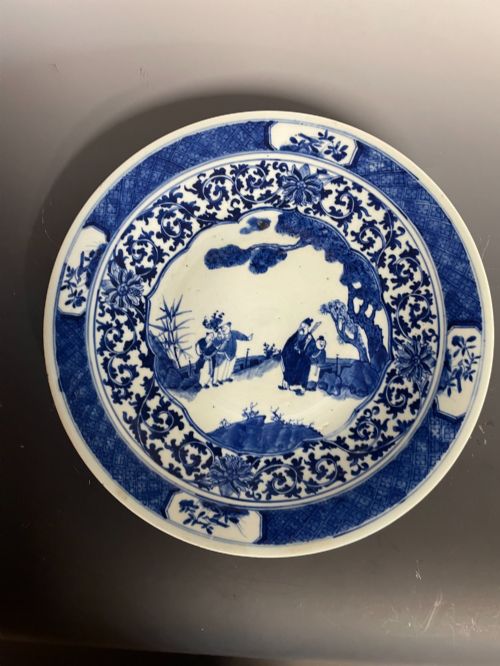
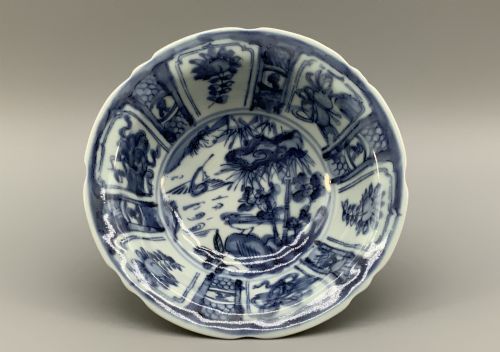
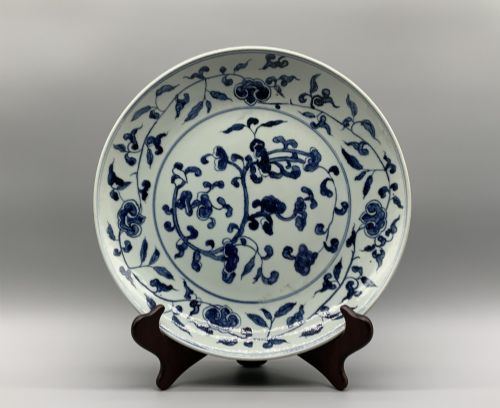
When you search for a cobalt porcelain plate, you encounter items ranging from eighteenth-century chargers to twentieth-century cabinet pieces. The selection includes decorative dishes, bowls, and platters spanning diverse global origins.
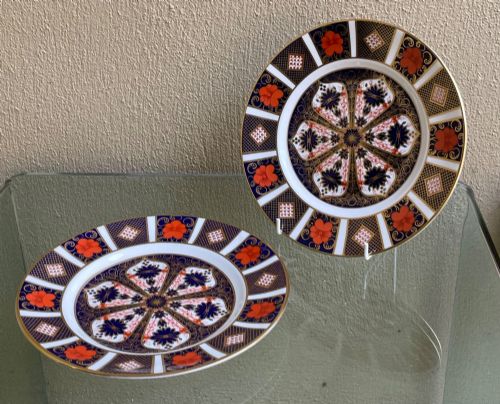
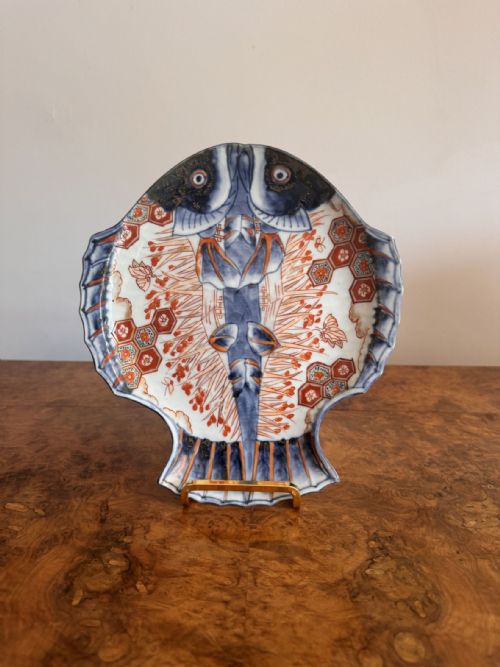
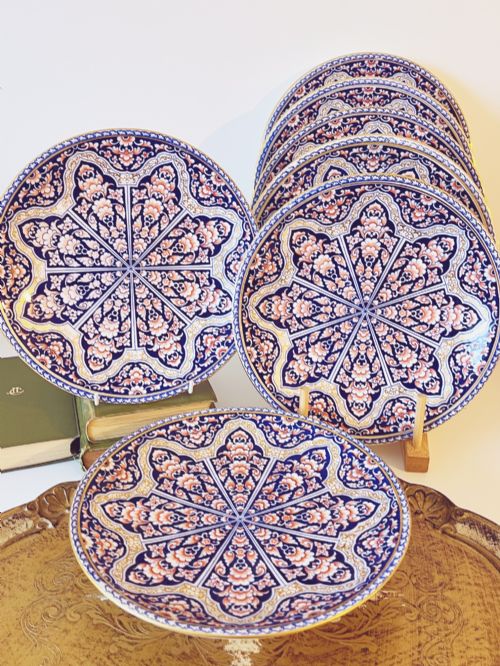
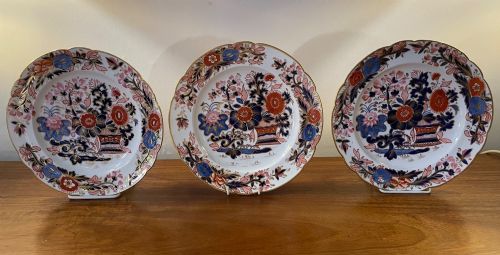
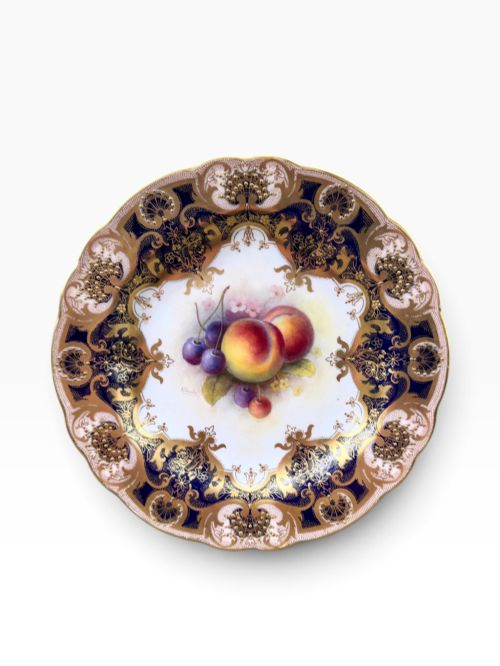
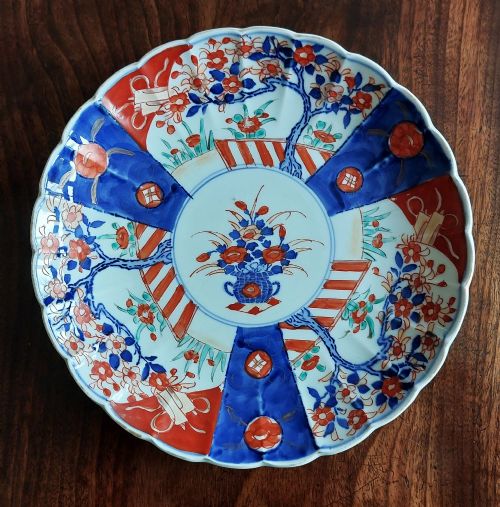
You are most likely to meet Japanese Imari plates from the Meiji period and British bone china cabinet plates on this page. These pieces vary from scalloped display dishes to large chargers made for formal dining rooms.
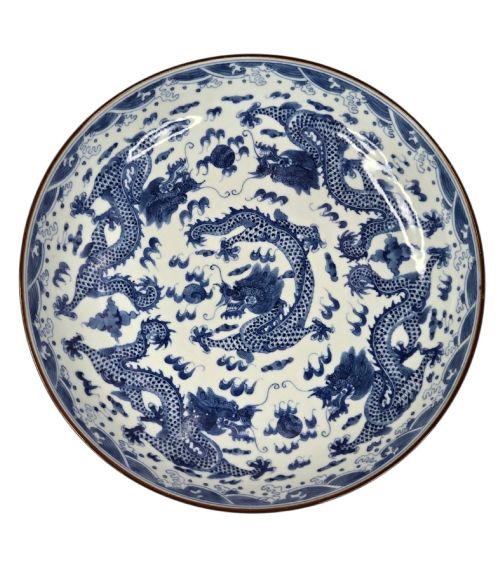
The assortment reaches across multiple centuries, showing styles from Qing Dynasty dragons to Art Deco English porcelain. Each item demonstrates the enduring appeal of blue and white ceramic work.
Materials and technique
Potters applied cobalt underglaze pigments to the ceramic body before firing, ensuring the blue colour fused permanently with the glaze. This technique produced sharp motifs that resisted fading over generations of use.
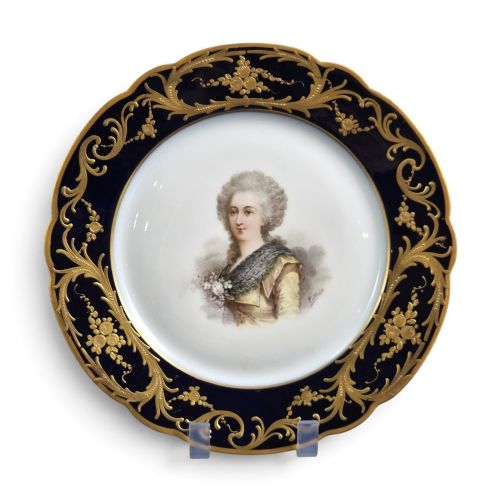
Makers often added gold leaf and gilding over the glaze to highlight specific details on cabinet plates and chargers. Bone china and porcelain bodies provided the smooth, durable foundation required for detailed hand painting.
Judging quality
The distinction between standard items and exceptional pieces lies in the precision of the brushwork and the depth of the cobalt glaze. Superior examples display controlled pigments that neither bleed into the white ground nor appear flat and lifeless.
Hand-painted details by known artists on cabinet plates elevate the standard of manufacture. Well-defined mouldings on scalloped edges and fish or shell shapes reflect greater skill among the makers.
Royal Crown Derby·Royal Worcester·John Davenport of Longport·Hicks and Meigh
The Cobalt Porcelain Plate Glossary
- Cobalt Underglaze
- A blue metallic oxide pigment applied to pottery before the final glaze and firing. This method protects the pigment beneath a glossy protective layer.
- Cabinet Plate
- A decorative ceramic dish intended for display on a wall or in a cabinet rather than for serving food. These pieces frequently feature detailed painted scenes or gilded borders.
- Charger
- A large decorative plate used historically beneath other courses or displayed upright on a sideboard. They measure considerably wider than standard dining plates.
- Imari Palette
- A decorative style combining underglaze blue with iron red, gold, and secondary colours. Originating in Japan, this aesthetic heavily influenced European potteries.
Cobalt Porcelain Plate: Frequently Asked Questions
What is a cobalt porcelain plate used for?
These pieces served practical dining functions in earlier centuries, though many surviving examples were made strictly for display. Chargers and cabinet plates were positioned on walls or sideboards to show wealth and artistic taste.
Today, collectors use them to add historical colour and pattern to dining rooms and living spaces. They suit plate racks, wall mounts, and enclosed display cabinets.
How do I care for antique porcelain?
Wash antique pieces by hand using warm water and a mild detergent, avoiding dishwashers entirely. Harsh chemicals and abrasive sponges can damage delicate gilding and enamel decoration over time.
Keep them away from direct sunlight if they feature sensitive enamel colours that might fade. Secure wall-mounted chargers with proper plate hangers designed for heavy ceramics.
How do I identify Japanese Imari?
Japanese Imari pieces typically combine deep cobalt blue underglaze with iron red and gold overglaze. The patterns often incorporate floral motifs, exotic birds, and brocade designs.
Many examples date from the Meiji period or earlier, showing distinct greyish or white porcelain bodies. Scalloped edges and unconventional shapes like fish or shells are also common.
What is the difference between porcelain and bone china?
Traditional porcelain uses fine white clay fired at high temperatures to create a dense, vitreous material. It often displays a slightly bluish or greyish tinge where the glaze pools.
Bone china incorporates animal bone ash into the ceramic paste, producing a warmer, whiter, and slightly translucent body. British potteries utilised bone china extensively for nineteenth and twentieth-century cabinet plates.