





Cobalt Porcelain Display Dishes
Cobalt porcelain display dishes are striking decorative pieces bringing rich blue pigments and intricate ceramic forms into interiors.
Cobalt Porcelain Display Dishes
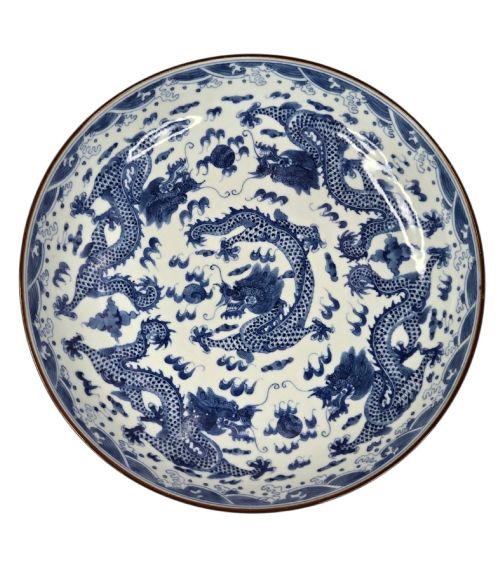
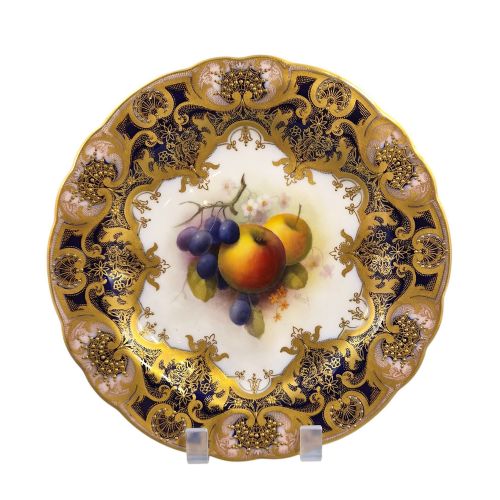
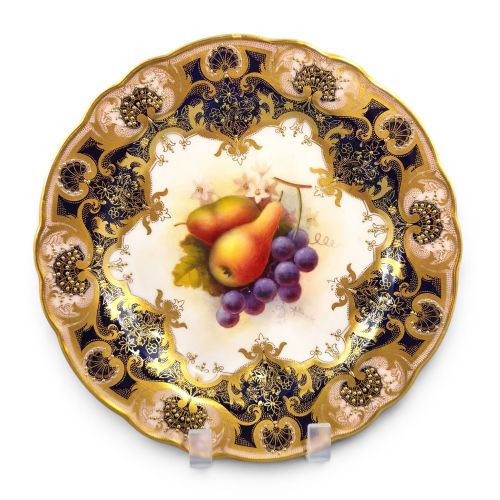
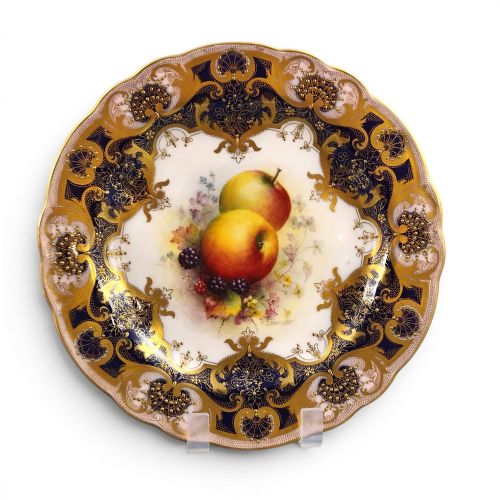
Cobalt porcelain display dishes encompass decorative plates, cabinet plates, chargers, and bowls designed primarily for visual appreciation rather than daily dining. These objects span periods from the eighteenth century through the mid-twentieth century, originating from European factories and Japanese export kilns.
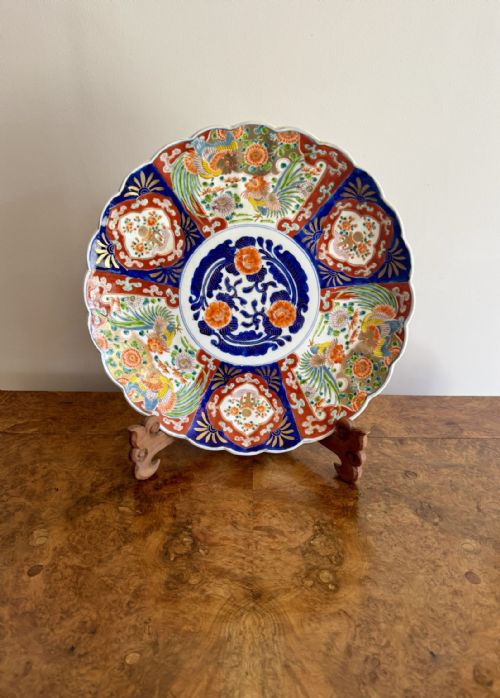
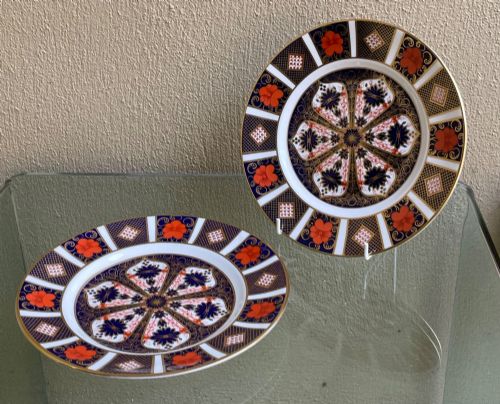
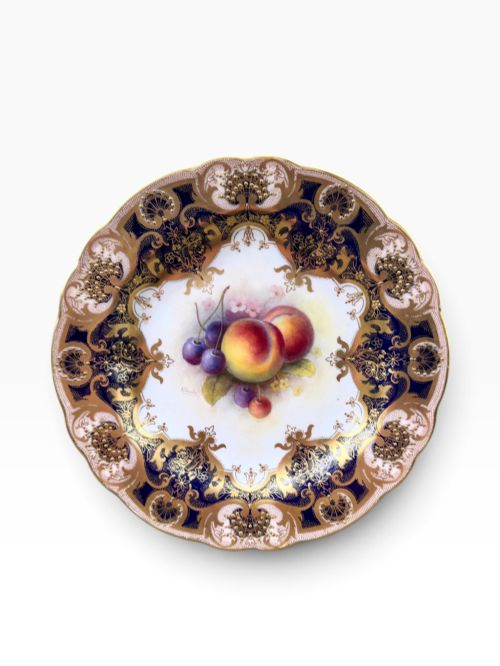
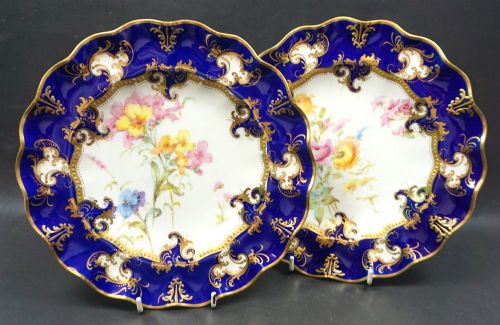
The selection on this page relies heavily on nineteenth-century Japanese Imari productions alongside British factory output from Royal Worcester, Royal Crown Derby, and Coalport. Forms range from standard circular cabinet plates to large scalloped chargers, hexagonal dishes, and square display plates.
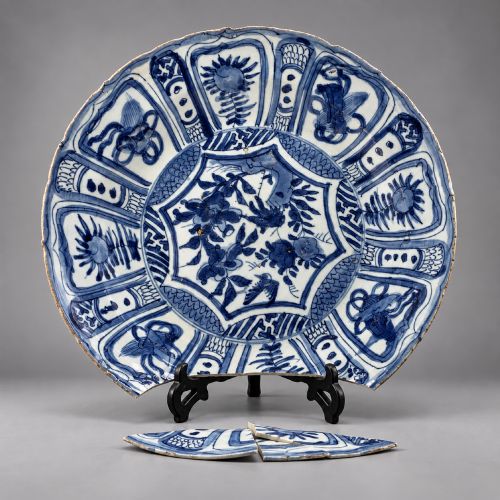
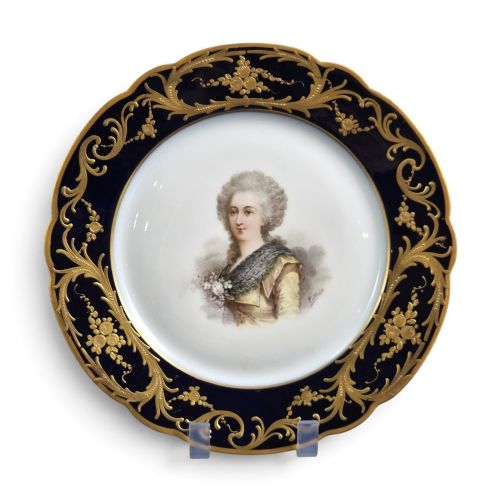
European interpretations include French Sèvres-style portrait plates and Delft chargers, demonstrating how diverse cultural traditions utilised deep cobalt pigments. Buyers encounter everything from simple blue and white export wares to densely patterned Imari compositions featuring iron red and gold.
How they were made
Makers utilised porcelain and bone china bodies, applying cobalt underglaze pigments before the final high-temperature firing to achieve durable blue tones. This underglaze technique ensured the cobalt remained protected beneath a clear glossy glaze layer.
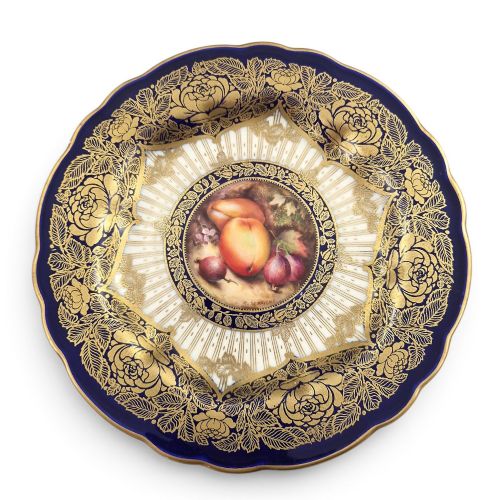
Many examples received secondary surface enrichment through enamel painting, gold leaf application, and meticulous gilding after the initial glaze firing. Artisans then subjected these pieces to lower-temperature kilns to fuse the delicate metallic gold and polychrome enamels to the surface.
Listings feature porcelain, bone china, and enamel materials across the eighteenth, nineteenth, and twentieth centuries.
What varies in quality
Quality in cobalt porcelain display dishes depends on the crispness of the underglaze cobalt painting and the precision of the hand-applied details. Superior pieces display deep, controlled blue lines without blurring, alongside finely executed enamel work and generous gilding.
The complexity of the ceramic form also dictates quality, separating standard round plates from labor-intensive scalloped, hexagonal, or square moulded shapes. Signed artist works from renowned English manufacturers represent the pinnacle of decorative execution within this category.
Royal Worcester·Royal Crown Derby·Coalport
The Cobalt Porcelain Display Dishes Glossary
- Cobalt Underglaze
- A blue pigment applied to raw ceramic bodies before glazing and firing. This method locks the colour permanently beneath the glassy surface.
- Cabinet Plate
- A decorative ceramic dish intended for display in a cabinet or on a wall rather than for practical table use.
- Imari
- A Japanese export porcelain style featuring deep cobalt blue and iron red combined with gilt highlights. The tradition influenced numerous European factories during the nineteenth century.
- Charger
- A large decorative plate or platter used primarily for presentation or display. These substantial pieces often command central visual focus in a room.
- Gilding
- The application of gold leaf or powdered gold paint to ceramic surfaces for ornamental effect. Artisans frequently used this technique to accentuate rims and motifs.
Cobalt Porcelain Display Dishes: Frequently Asked Questions
What is a cobalt porcelain display dish?
These items are decorative ceramic plates and chargers characterised by deep blue cobalt pigments. They were produced for visual display in domestic interiors.
Craftsmen shaped them into various forms including circular, scalloped, and square geometries. Their primary function was aesthetic appreciation rather than serving food.
How do I display these dishes?
Collectors typically exhibit these pieces using wall mounts or dedicated plate stands inside cabinets. Their strong visual patterns require thoughtful placement to complement surrounding decor.
Many examples feature hanging holes or wide rims designed to support secure mounting hardware. Grouping different shapes creates an engaging wall arrangement.
How do I identify Japanese Imari pieces?
Japanese Imari items feature a distinct palette combining cobalt blue underglaze with iron red and gold highlights. The decorative schemes often incorporate floral and avian motifs.
These pieces emerged in large quantities during the Meiji period and late nineteenth century. Their dense ornamentation sets them apart from simpler blue and white wares.
What distinguishes European factory plates?
European makers such as Royal Worcester and Coalport focused on hand-painted botanical or figurative scenes. Artists frequently signed their painted works directly onto the porcelain surface.
These items often utilise fine bone china blanks with elaborate gilt borders. They reflect distinct European revival styles and Victorian aesthetic preferences.