
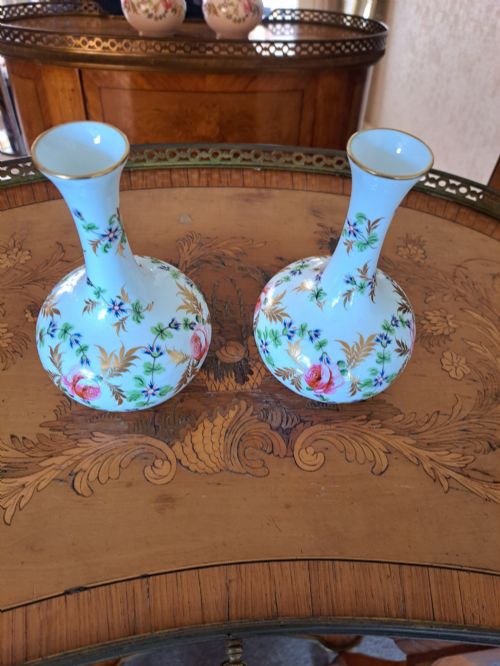


Edwardian Crown Derby China
Edwardian crown derby china brings richly patterned Imari palettes and delicate porcelain forms into the home.
Edwardian Crown Derby China
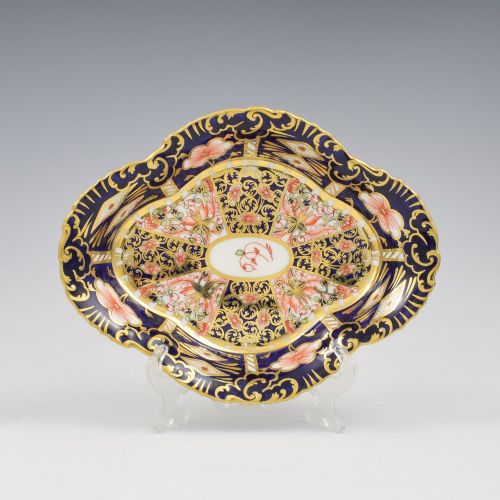
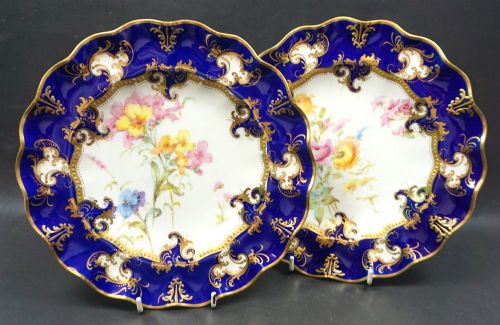
Edwardian crown derby china encompasses decorative vases, cabinet plates, teacups and saucers, and serving dishes that display traditional forms. These pieces bridge late Victorian tastes and twentieth-century elegance through careful ceramic production.
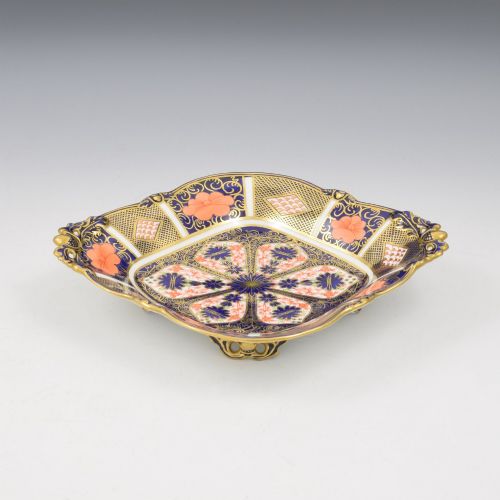
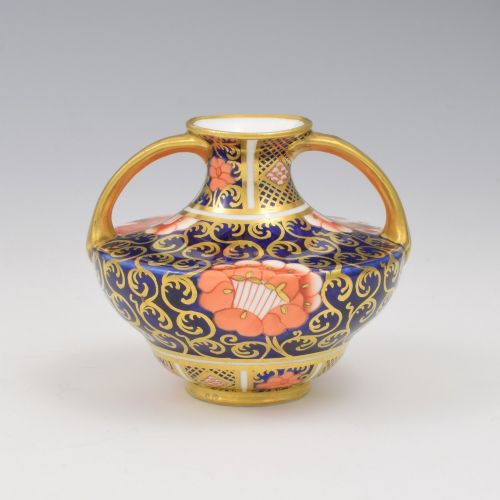
Imari patterns dominate the available selections, bringing deep blues and iron reds together with bright accents. Vases, twin-handled urns, and miniature vessels provide most of the encounters for collectors browsing this section.
How edwardian crown derby china was made
Bone china and porcelain form the bright white bodies of these vessels, providing a smooth surface for detailed enamel painting. Firing techniques achieved the fine walls seen in cabinet plates and miniature bud vases.
Gold leaf, gilding, and enamel work are applied over the fired body to create the rich linear detailing characteristic of Imari patterns. Painters and gilders completed these decoration stages by hand.
Listings feature items spanning from the nineteenth century through the Edwardian era up to nineteen forty, incorporating bone china, porcelain, and gold leaf.
What varies in quality
The precision of the enamel brushwork and the crispness of the gilt lines separate standard utilitarian items from finer decorative plates and urns. Hand-painted flourishes by named artists or specific pattern numbers introduce distinct levels of craftsmanship.
The complexity of the moulded porcelain form, such as pierced serving trays or twin-handled urns, dictates the skill required during the initial shaping and firing stages.
John Ford·Albert Gregory·Darlington·F Garnett
The Edwardian Crown Derby China Glossary
- Imari
- A decorative style using deep cobalt blue, iron red, and extensive gold gilding inspired by Japanese exports. This palette defines the majority of the patterns found on these ceramic pieces.
- Bone china
- A type of porcelain incorporating bone ash to improve strength and translucency. It provides the smooth white base for intricate enamel painting.
- Gilding
- The application of gold leaf or gold paint to ceramic surfaces. It highlights rims, handles, and pattern outlines.
- Cabinet plate
- A decorative ceramic plate intended for display rather than dining use. These pieces often feature complex painted scenes or dense border patterns.
Edwardian Crown Derby China: Frequently Asked Questions
How should I clean edwardian crown derby china?
Wash these ceramic pieces gently by hand using lukewarm water and mild soap to protect the delicate enamel and gold gilding. Avoid placing them in dishwashers or using abrasive sponges that might wear away the surface decoration.
Dry each item thoroughly with a soft cloth before returning it to a cabinet or display shelf. Proper handling prevents accidental chips to the fine porcelain rims and handles.
Can I use these plates for dining?
While these items are sturdy enough for occasional use, cabinet plates and decorated service dishes are primarily designed for display and light serving. Regular heavy use can wear down the hand-applied gold leaf and enamel patterns over time.
Many collectors prefer to exhibit these pieces in glass cabinets or on plate stands to preserve their decorative condition. Gentle handling ensures the historical patterns remain vibrant for future generations.
How do I identify Imari patterns?
Imari designs are instantly recognisable by their distinct combination of underglaze cobalt blue and iron red, heavily enriched with gold gilding. These patterns often feature floral and geometric motifs arranged in symmetrical panels.
Examining the underside of the porcelain usually reveals maker marks and specific pattern numbers that help date the piece. Comparing these details against known records confirms the exact design lineage.
Where is the best place to display vases?
Place bud vases and twin-handled urns on stable surfaces away from direct sunlight to prevent any fading of the enamel colours. Mantlepieces, sideboards, and enclosed display cabinets provide secure locations that highlight their detailed forms.
Ensure the surrounding space allows the rich gold leaf and blue tones to stand out without visual clutter. Keeping them out of high-traffic areas also protects slender ceramic necks and handles from accidental knocks.