



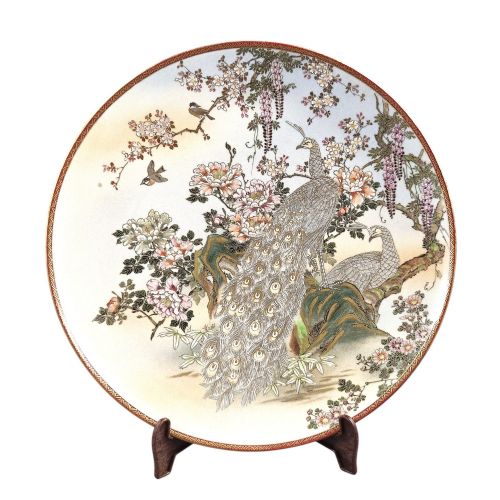


Gilded Floral Decorative Plates
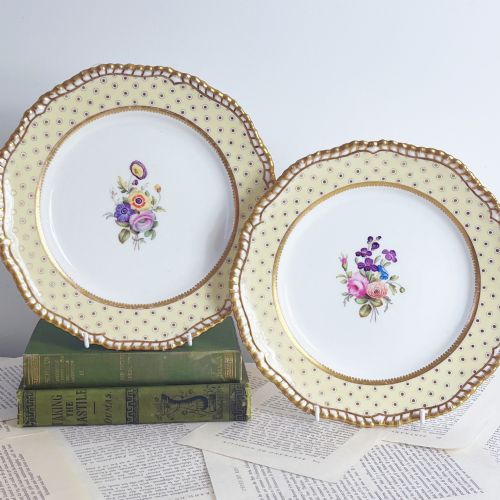
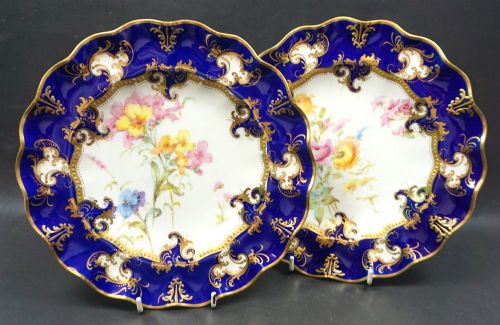
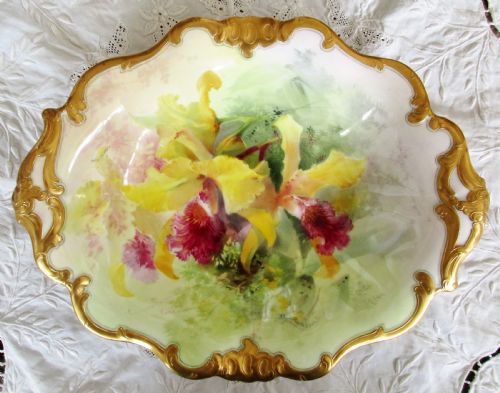
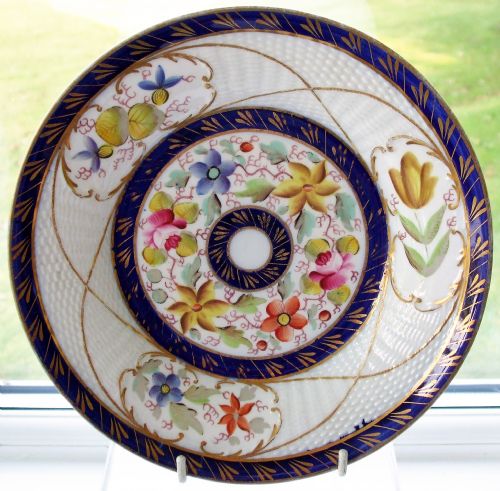
These gilded floral decorative plates bring together hand-painted botanical motifs and rich metallic detailing across various periods.
Gilded Floral Decorative Plates
These gilded floral decorative plates span multiple centuries, ranging from eighteenth-century English and French porcelain to nineteenth-century Japanese Imari chargers and twentieth-century bone china.
Buyers looking for this search phrase frequently encounter cabinet plates, dessert plates, and large circular dishes designed primarily for display rather than everyday dining.
The selection includes wares originating from major European porcelain houses alongside East Asian pieces featuring traditional hand-painted floral designs.
Materials and technique
Potters shaped these objects from porcelain, bone china, and earthenware, applying glazes before incorporating hand-painted floral imagery.
Craftsmen applied gold leaf, gilding, and gilt accents to borders and edges, often combining raised enamel work with delicate brushwork.
Listings incorporate porcelain, enamel, and earthenware across Georgian, Victorian, and twentieth-century periods.
Standards of execution
Superior examples display precise, detailed hand-painting on the floral subjects and meticulous application of the gold leaf or tooling.
The standard depends on the crispness of the porcelain body, the complexity of the painted design, and the historical significance of the maker.
Spode·Royal Crown Derby·Royal Doulton·Minton·Royal Worcester·Wedgwood·Rockingham
The Gilded Floral Decorative Plates Glossary
- Imari
- A style of Japanese porcelain featuring distinct blue, iron red, and gilt decoration.
- Cabinet plate
- A decorative dish intended for display in a cabinet or on a wall rather than for practical table use.
- Gilding
- The application of gold leaf or gilt paint to accent ceramic surfaces and borders.
- Bone china
- A type of porcelain composed of bone ash, feldspathic material, and kaolin, known for its strength and translucency.
Gilded Floral Decorative Plates: Frequently Asked Questions
How should I display cabinet plates?
These plates suit wall mounting with specialised hangers or placement in glass-fronted display cabinets to protect the gilt surfaces.
Keeping them out of direct sunlight preserves the hand-painted enamels and gold leaf over time.
Are these plates meant for food?
Most pieces catalogued as cabinet dishes or decorative chargers serve a purely ornamental function rather than a culinary one.
Historic glazes and metallic elements on antique wares can react poorly to modern detergents and cutlery.
How do I identify Japanese Imari?
Japanese Imari pieces typically combine underglaze cobalt blue with iron red and copious gold detailing in dense floral or geometric patterns.
Edo period and Meiji era examples often show characteristic crackle or variation in the white porcelain ground.
What periods do these pieces cover?
The selection ranges from eighteenth-century European factories and Japanese Edo examples through Victorian and Edwardian productions.
Nineteenth-century items form a large portion of the available porcelain and earthenware forms.