



Cobalt Blue White Jug
A cobalt blue white jug is a striking ceramic vessel that brings rich colour and historic character to any interior.
Cobalt Blue White Jug
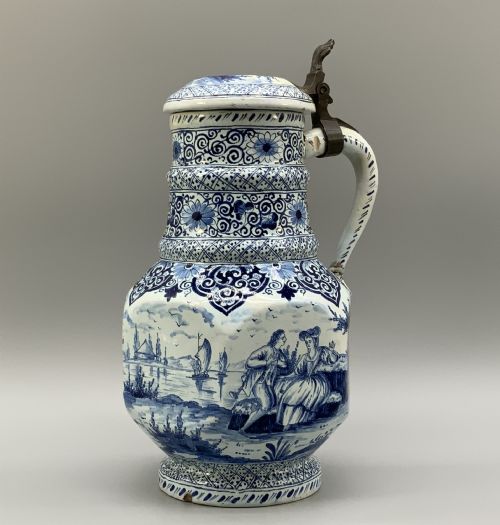
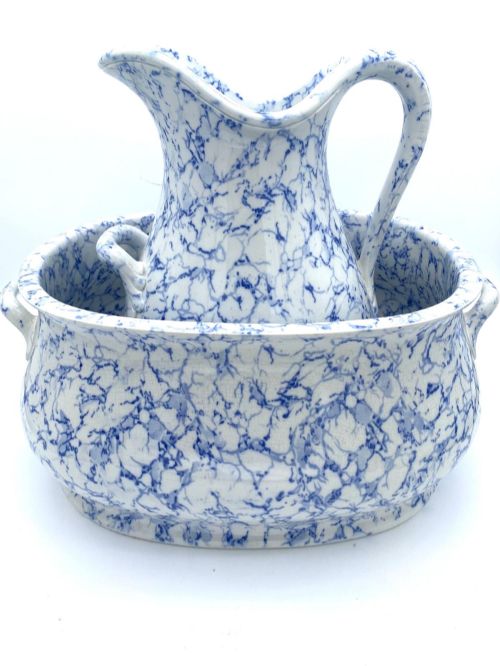
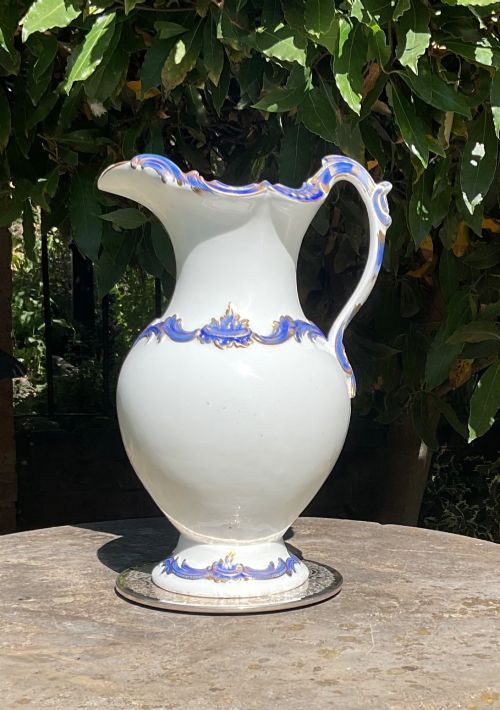
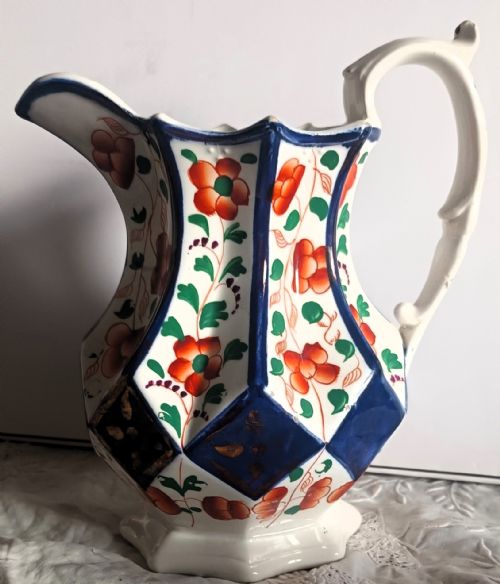
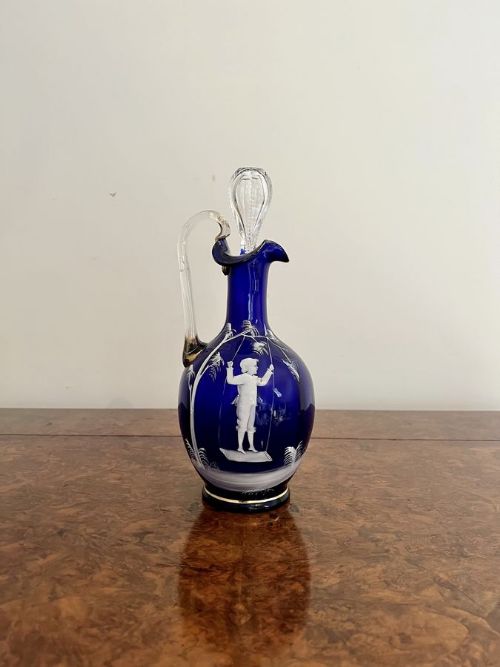
A cobalt blue white jug encompasses a diverse array of ceramic forms, from 18th-century Dutch Delftware and English delftware to Victorian ironstone and porcelain examples. Buyers seeking this phrase encounter pieces ranging from large water jugs and basins to salesman's sample plaques, Toby jugs, and transitional mask head vessels.
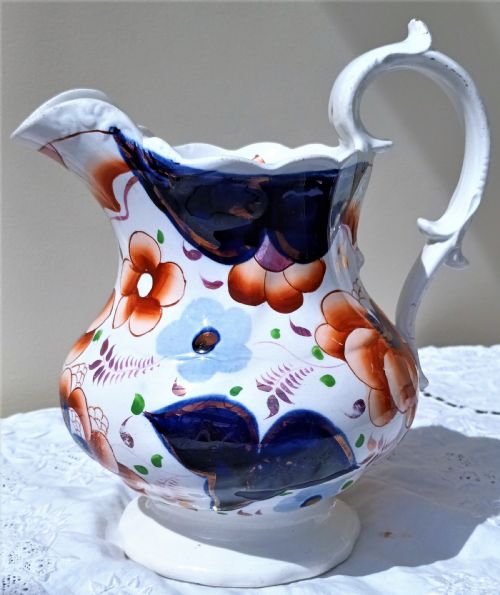
The selection reflects global manufacturing traditions, including Georgian historical transferware, Gaudy Welsh patterns, Parian ware, and Japanese Arita porcelain. These objects served functional roles in households and wash sets while offering decorative appeal through traditional blue and white painting.
How they were made
Potters shaped these vessels using earthenware, porcelain, and ironstone, applying tin-glaze, enamel, or standard glaze to seal the ceramic body. Cobalt oxide provided the intense blue pigment, which withstood high firing temperatures and fused with the glaze.
Makers utilised transfer printing, hand painting, and moulding techniques to achieve intricate designs such as the Pine Cone decoration or historical views. Some pieces incorporated pewter lids, copper lustre details, or gilt highlights to enhance the finished ceramic.
Listings feature pieces spanning from the 17th century through the Victorian era, incorporating earthenware, porcelain, and tin-glazed earthenware.
What varies in quality
Quality rests in the clarity of the cobalt pigment and the precision of the brushwork or transfer printing applied to the ceramic body. Finer examples display crisp detail in patterns like floral motifs or architectural scenes without blurring in the glaze.
The sophistication of the potting and the preservation of original elements, such as pewter lids or delicate spouts, define the upper tier of these pieces. Smooth glaze surfaces and well-balanced forms distinguish superior production from standard utilitarian wares.
Minton·Masons Ironstone·Caughley Coalport·Mary Gregory
The Cobalt Blue White Jug Glossary
- Tin-glazed earthenware
- Earthenware covered with a tin-oxide opacified glaze that provides a white background for painted cobalt decoration. This technique is typical of early Delftware production.
- Transfer printing
- A method of applying a detailed design to pottery by pressing a paper sheet printed with metallic oxide pigment onto the ceramic surface. It allowed complex pictorial scenes to be replicated consistently.
- Ironstone
- A heavy, durable type of feldspathic earthenware patented in the 19th century. It resists chipping and served as a strong body for large jugs and basins.
- Parian ware
- A fine bisquelike porcelain developed in the 19th century to imitate carved marble. It provides a smooth, matte finish well suited for sculpted jugs.
- Gaudy Welsh
- A style of pottery characterised by colourful enamel decoration over cobalt blue transfer print, often featuring copper lustre accents. It gained popularity during the Victorian period.
Cobalt Blue White Jug: Frequently Asked Questions
How are cobalt blue white jugs dated?
Dating relies on stylistic markers, ceramic bodies, and manufacturing techniques recorded in the piece descriptions. Earthenware bodies with tin glaze typically point to earlier centuries, while ironstone and transfer-printed porcelain align with the Victorian era.
Specific pattern names, factory marks, and accompanying hardware like pewter lids also help narrow the production period. Comparing glaze characteristics and decorative motifs provides further context for a jug's age.
Were these jugs used for water?
Many larger examples served practical functions within wash sets for personal hygiene and household water transport. Jugs paired with matching basins held water for washing hands and faces in bedrooms before modern plumbing.
Other variations, such as wine bottles, Toby jugs, and decorative pitchers, fulfilled roles in serving beverages or display. Their dual utility as functional items and decorative objects ensured widespread domestic use.
How do I care for antique jugs?
Antique ceramics require gentle handling and placement away from direct sunlight and sudden temperature fluctuations. Dusting with a dry, soft cloth prevents particulate buildup on the glaze.
Immersion in water or cleaning with harsh chemical detergents should be avoided to protect vulnerable glazes, enamel details, and metallic highlights like gilt or copper lustre.
What distinguishes Delftware from Victorian ironstone?
Delftware employs a porous earthenware body covered in a tin-opacity glaze that supports hand-painted cobalt designs. These pieces often exhibit the softer forms and characteristic glaze textures of earlier periods.
Victorian ironstone offers a denser, heavier ceramic body designed for durability and mass production. Ironstone pieces frequently utilise transfer printing to achieve precise, repeatable patterns across utility wares.