
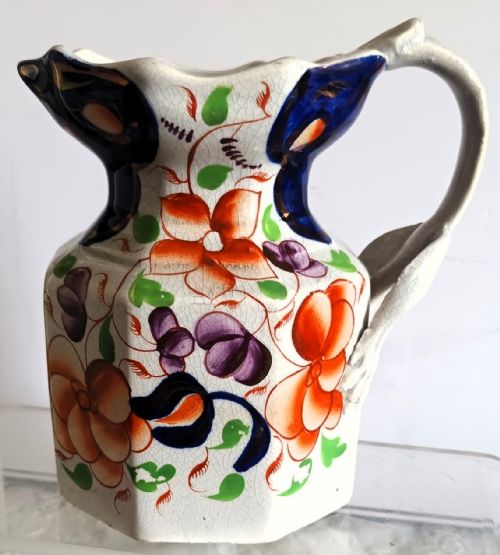
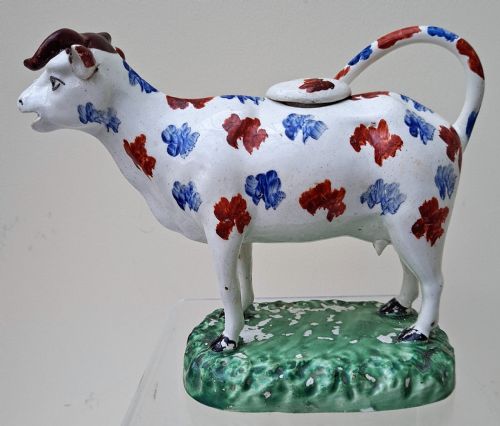


Vintage Ceramic Milk Pitcher
These vintage ceramic milk pitcher selections bring genuine period character to the table, offering both practical utility and fine historic design.
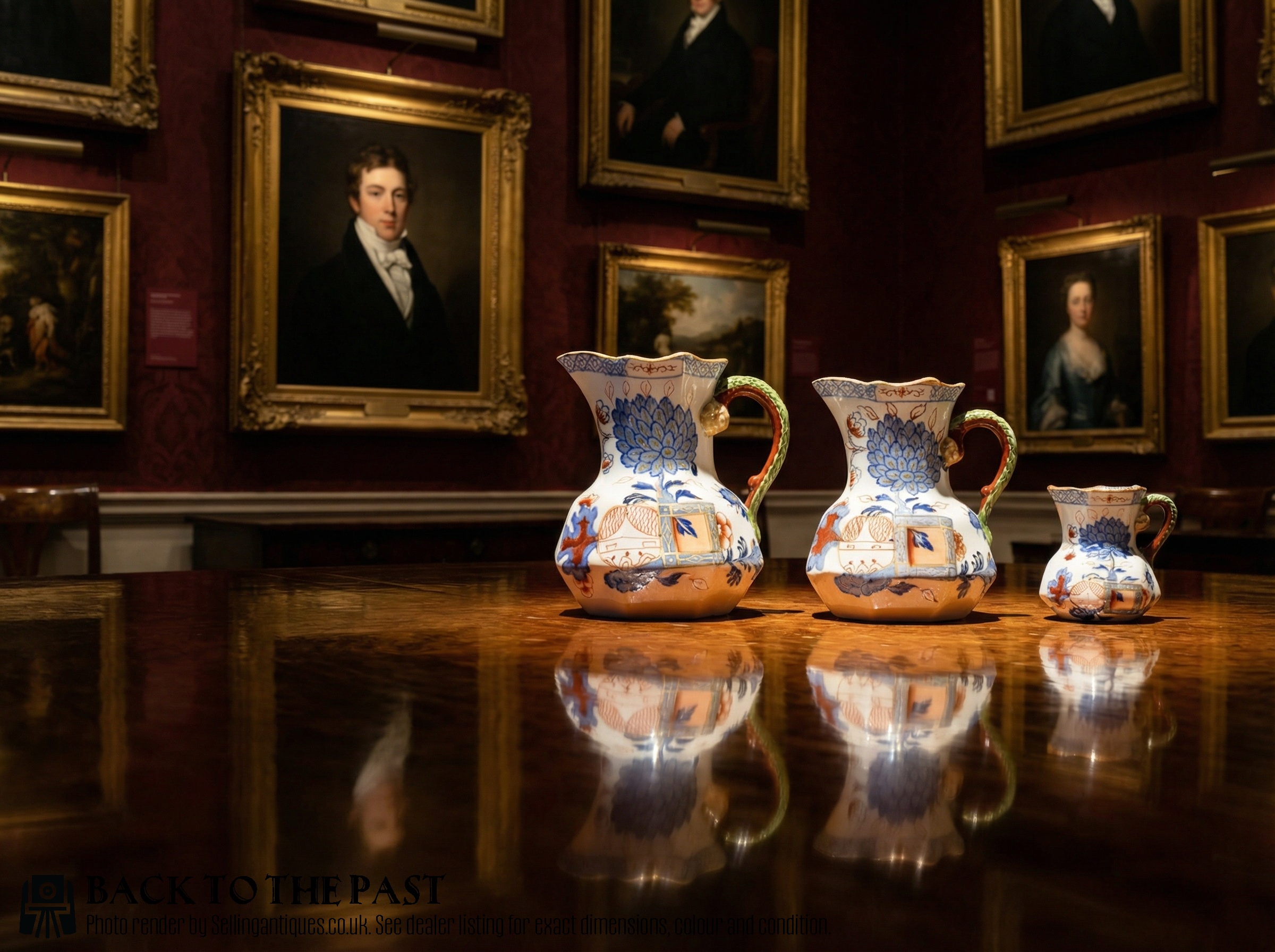
Vintage Ceramic Milk Pitcher
When searching for a vintage ceramic milk pitcher, collectors encounter a diverse range of historic forms spanning the eighteenth, nineteenth, and early twentieth centuries. These pieces encompass utilitarian creamers, decorative jugs, and novelty cow creamers originating from prominent English and European potteries.
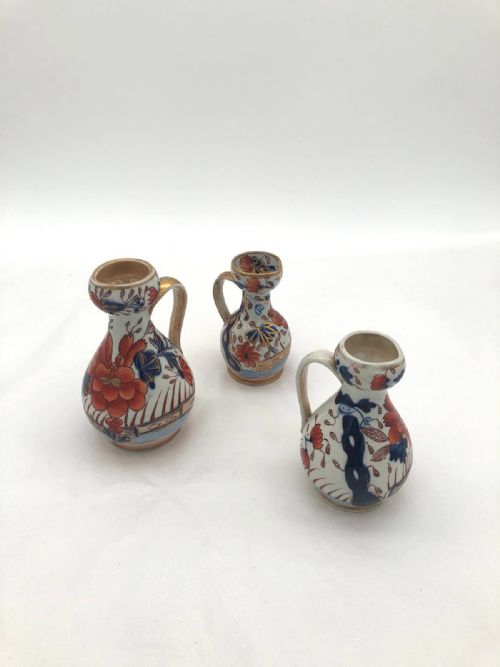
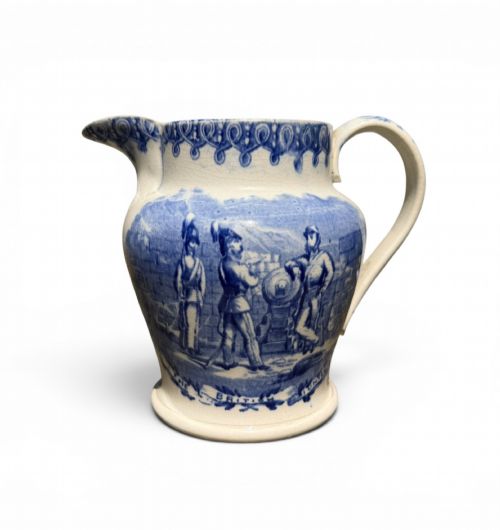
The selections available lean heavily towards nineteenth-century Staffordshire productions, alongside Georgian creamware, porcelain armorial pieces, and twentieth-century painted ironstone. Buyers frequently find transfer-printed patterns, hand-painted floral motifs, and moulded ironstone hydra shapes among the listed items.
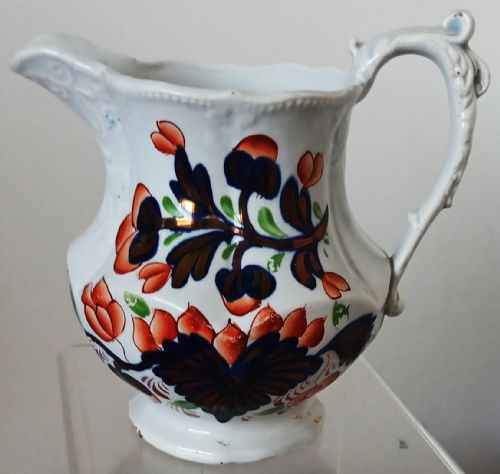
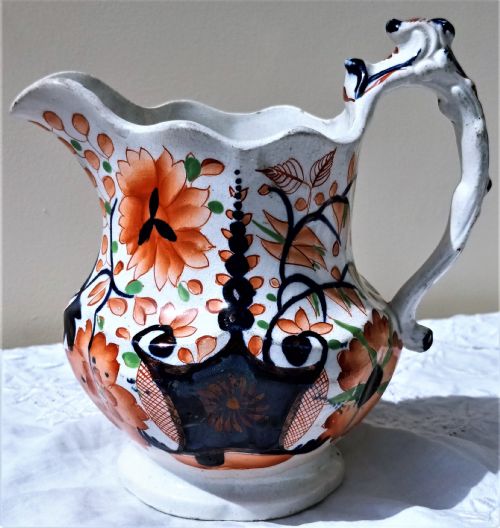
Traditional English styles dominate the inventory, showcasing regional patterns such as Gaudy Welsh alongside classic earthenware and pearlware bodies. Each vessel reflects the domestic requirements of its period, functioning primarily for table service while demonstrating distinct regional craftsmanship.
Materials and construction methods
Potters utilised earthenware, ironstone, porcelain, and creamware as the primary bodies for these vessels, applying lead or tin glazes to seal the porous clay. Ironstone provided a robust, dense alternative to traditional earthenware, whilst fine porcelain allowed for delicate, thin-walled forms suited to Georgian tea service.
Decoration relied on hand-painted enamels, purple transfer printing, lustre pigments, and occasional gilt detailing fired over or under the glaze. Moulding techniques created specific profiles such as the classical hydra shape or faceted surfaces, frequently finished with applied handles and hand-finished rims.
Several cows stand ready to pour tea from their mouths, proving that Georgian humour belonged firmly on the breakfast table.
Assessing quality in historical pitchers
Quality rests upon the crispness of the moulded detail and the precision of the hand-painted or transfer-printed decoration. Finer pieces exhibit clean glaze application without excessive pooling or kiln debris, alongside well-proportioned handles and balanced spouts.
The reputation of the maker heavily influences distinction, with pieces originating from established manufactories such as Chamberlain Worcester, Mason's, or Royal Worcester demonstrating superior paste composition and artistic execution compared to anonymous vernacular wares.
Mason's Ironstone·Chamberlain Worcester·Royal Worcester·Livesley Powell and Co·Leeds Pottery·Copeland Spode·Crown Derby·Meissen
The Vintage Ceramic Milk Pitcher Glossary
- Creamware
- A fine earthenware developed in the eighteenth century, characterised by a pale yellowish-cream glaze over a refined cream-coloured body.
- Ironstone
- A durable, heavy ceramic patented in the early nineteenth century that bridges the gap between earthenware and porcelain.
- Pearlware
- An improved earthenware body featuring a bluish-tinted glaze designed to mimic the appearance of Chinese export porcelain.
- Lustreware
- Pottery decorated with a metallic glaze that produces an iridescent sheen, often applied in copper, silver, or purple tones.
- Cow creamer
- A hollow ceramic vessel in the form of a cow, filled through an aperture on the back and poured via the mouth.
- Armorial
- A ceramic design featuring painted or transferred family coats of arms, common on bespoke eighteenth-century porcelain services.
Vintage Ceramic Milk Pitcher: Frequently Asked Questions
How do I date an antique ceramic jug?
Dating relies on stylistic markers, paste composition, and glaze characteristics typical of specific manufacturing periods. Potters often utilised specific transfer patterns or backstamps that align with known production eras.
Examining the base and handle construction also provides crucial evidence regarding whether a piece originates from the Georgian, Victorian, or later periods.
Were cow creamers used daily?
These novelty vessels served primarily as whimsical table ornaments for formal tea service rather than rough daily utility. Their unusual filling and pouring mechanism made them conversation pieces for Georgian and Victorian hosts.
Despite their decorative nature, they remained fully functional containers for serving cream or milk to guests.
What is Gaudy Welsh pottery?
Gaudy Welsh refers to a colourful style of earthenware produced during the nineteenth century, characterised by vibrant cobalt blue, iron-red, and copper lustre decoration. These wares were particularly popular in Welsh mining communities and rural households.
The patterns often featured stylized floral motifs, including the popular grape and pagoda designs seen on nineteenth-century jugs.
Can I use these pitchers for serving milk?
While historic ceramic pitchers were designed for table service, age and historic glaze composition suggest cautious handling today. Many collectors prefer to display these pieces rather than subject them to modern dishwashers and frequent culinary use.
Gentle hand washing is recommended if utilised for occasional serving to preserve the fragile enamel and lustre decorations.