


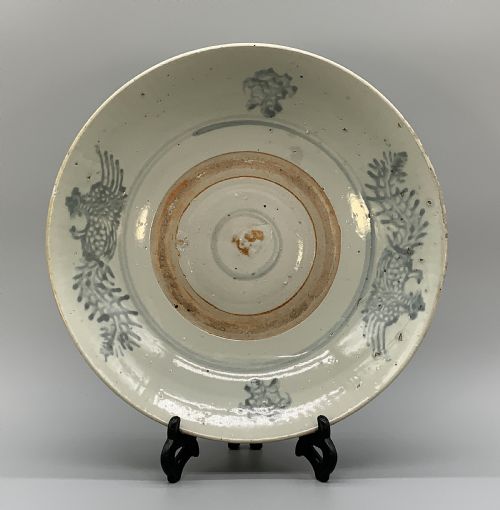

Cobalt Blue Serving Dish
A cobalt blue serving dish brings deep mineral colour and historic weight to the table, spanning English earthenware, Chinese export porcelain and Japanese Imari.
Cobalt Blue Serving Dish
A cobalt blue serving dish encompasses a broad spectrum of tableware designed for presentation and dining across the eighteenth, nineteenth and early twentieth centuries. Collectors encounter transferware platters, porcelain tureens, earthenware chargers and shaped Imari bowls originating from English, Chinese and Japanese kilns.
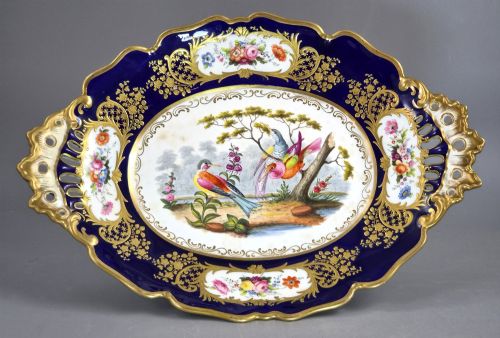
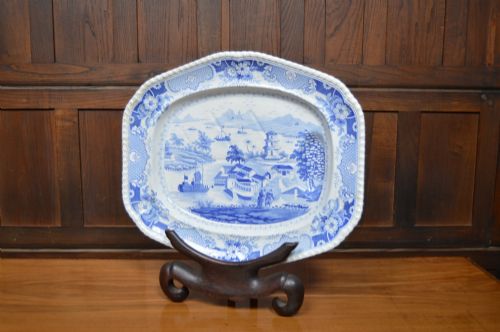
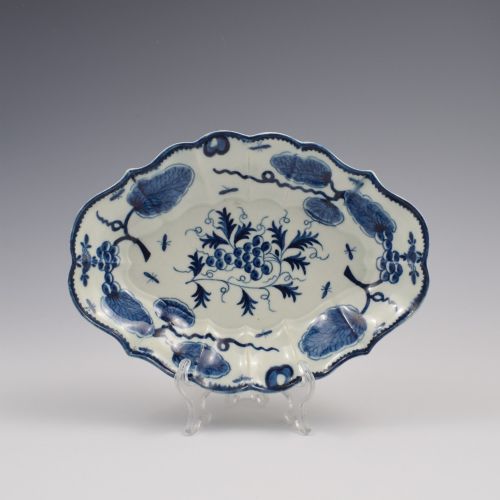
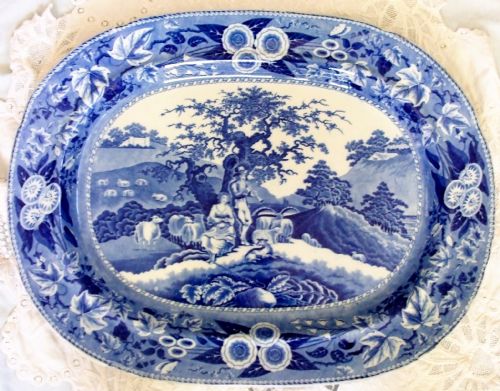
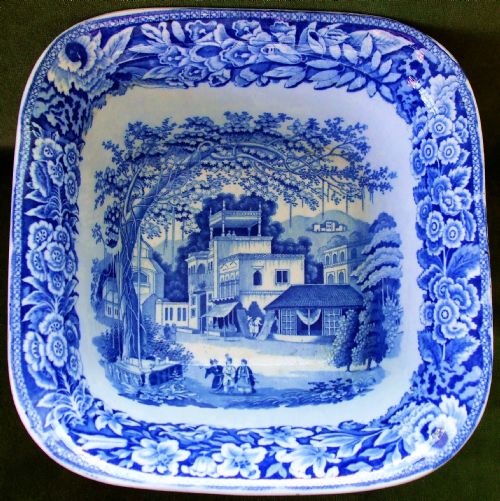
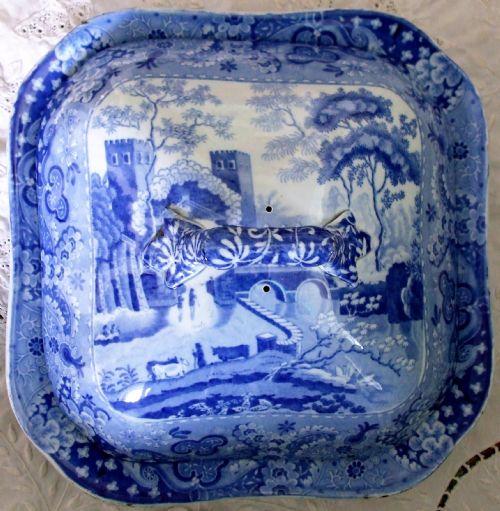
Transferware platters and vegetable tureens dominate the English selection, decorated with pastoral scenes or oriental patterns in rich blue pigment. Alongside these sit porcelain dessert dishes from factories such as Worcester, Coalport and Spode, alongside robust ironstone meat plates.
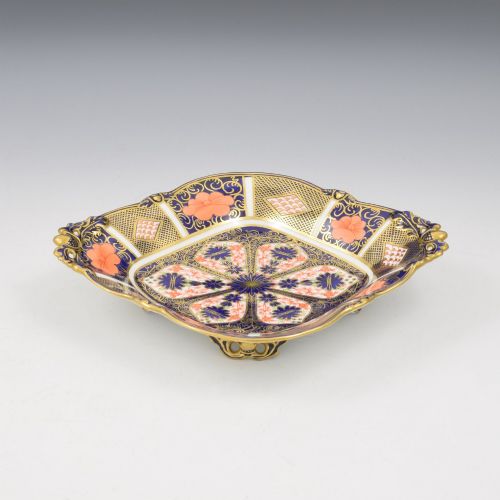
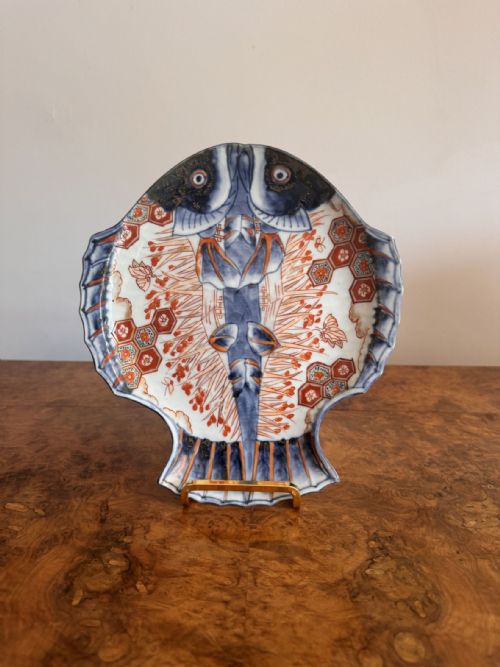
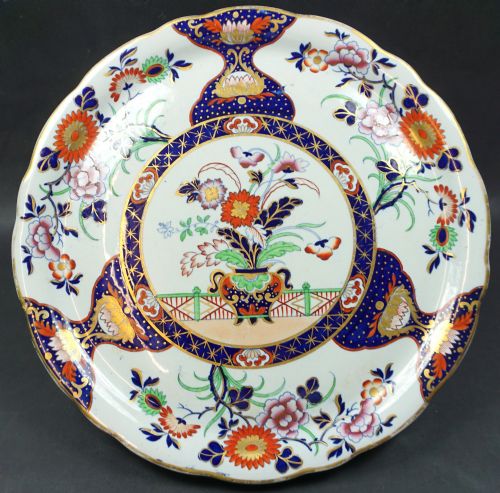
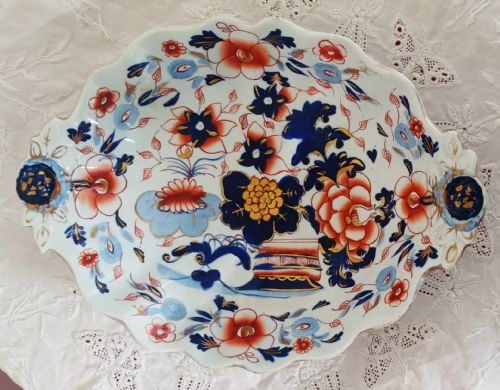
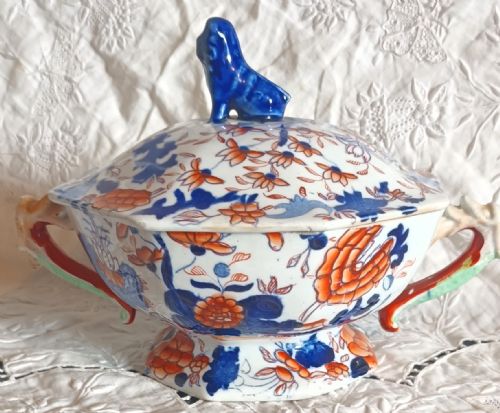
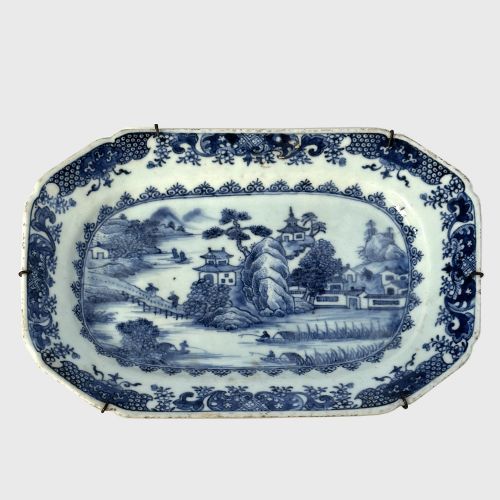
East Asian examples form a significant portion of the selection, particularly Japanese Imari pieces featuring cobalt blue underglaze paired with iron red and gold leaf. Chinese export platters and Delft chargers demonstrate the global reach of blue and white ceramics over successive centuries.
How they were made
Potters built these vessels using porcelain, earthenware, ironstone and ceramic bodies, often shaping them on a potter's wheel or pressing them into moulds to create octagonal, oval, boat-shaped or scalloped forms. Cobalt pigment was applied directly to the raw clay beneath the glaze or painted over an opaque tin glaze before firing.
Transfer printing revolutionised surface decoration by applying engraved paper patterns onto ceramic bodies, allowing intricate landscapes to cover large meat platters and tureens. Gilding and gold leaf highlights were frequently added on top of the glaze, requiring a subsequent low-temperature firing to fix the metal.
Listings feature porcelain, earthenware and ironstone across the eighteenth, nineteenth and early twentieth centuries, dominated by blue and white transferware and Japanese Imari.
What varies in quality
The crispness of the cobalt transfer print and the depth of the underglaze blue define the visual impact of a serving dish. Finer pieces display sharp lines without blurring or pooling of the pigment, whereas lesser examples show smudged borders and uneven colour saturation.
The complexity of the ceramic form itself distinguishes standard productionware from superior works. Pierced rims, moulded handles, scalloped edges and unusual fish or fan shapes demand advanced skill from the potter and mould-maker.
Royal Crown Derby·Coalport·Hicks And Meigh·Worcester·Mason And Sons·J And R Clews·Bow·Spode
The Cobalt Blue Serving Dish Glossary
- Cobalt Pigment
- A metallic oxide used to achieve deep blue colouring on ceramics that withstands high kiln temperatures without fading. It remains stable beneath transparent glazes.
- Transferware
- Pottery decorated by transferring a printed design from an engraved copper plate onto tissue paper and then onto the ceramic surface. This technique enabled mass production of detailed pictorial scenes.
- Imari
- A style of Japanese porcelain featuring cobalt blue and iron red, often enriched with gold leaf. Production centred on the port of Imari for export to European markets.
- Charger
- A large decorative plate or platter intended for ceremonial display or grand dining tables rather than individual service. They frequently measure over thirty centimetres across.
- Ironstone
- A heavy, durable type of earthenware patented in the nineteenth century to imitate porcelain. It resists chipping and bears transfer-printed or hand-painted patterns successfully.
Cobalt Blue Serving Dish: Frequently Asked Questions
How were cobalt blue serving dishes used?
These dishes served central functions at the dining table, holding joints of meat, vegetables, fish or sweet desserts for communal sharing. Large platters and tureens accommodated family meals, while smaller shaped dishes held side courses.
Beyond the dining room, many chargers and decorative bowls were displayed on sideboard dressers or hung on walls to showcase the richness of the blue pigment and intricate patterns.
How do I tell Chinese export from English pottery?
Chinese export porcelain possesses a finer, harder white body that often shows slight irregularities from high-temperature kiln firing. The cobalt blue sits smoothly beneath a clear, glossy glaze.
English pottery of the same eras typically relies on softer earthenware, ironstone or bone china bodies, frequently featuring transfer-printed topographical scenes rather than hand-pencilled oriental motifs.
What is Japanese Imari?
Japanese Imari describes porcelain made in the Hizen province and shipped through the port of Imari to European buyers. The aesthetic combines underglaze cobalt blue with contrasting iron red and gold leaf.
Motifs usually incorporate floral arrangements, brocade patterns and natural elements across scalloped, square or boat-shaped vessels.