

Cobalt Blue Oriental Vases
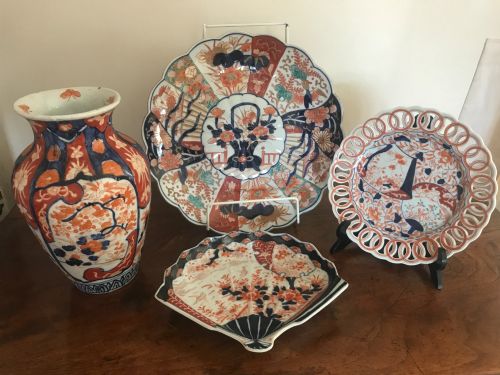
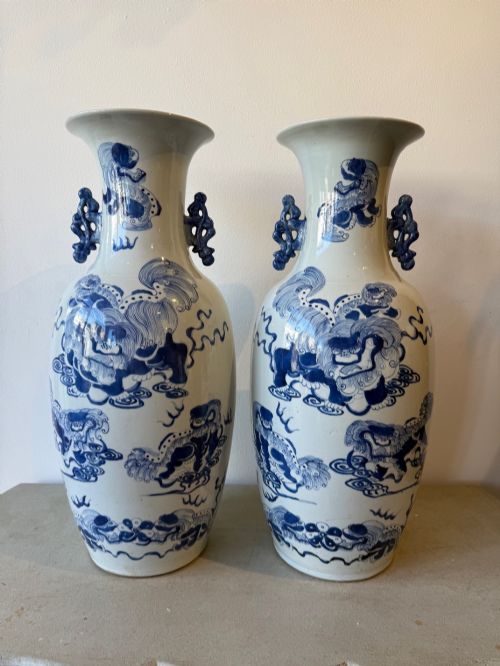
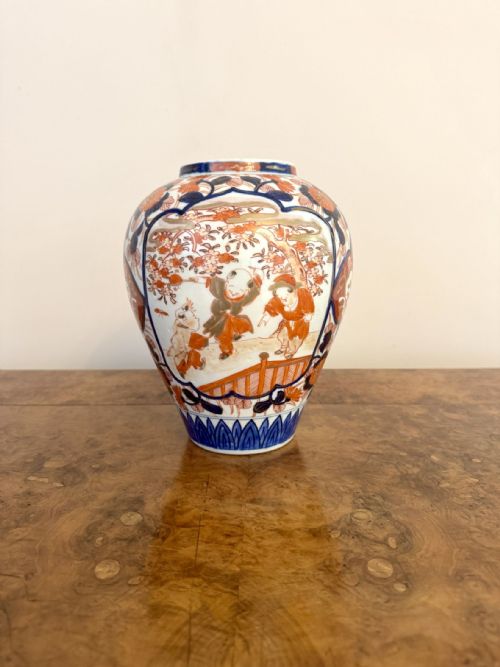
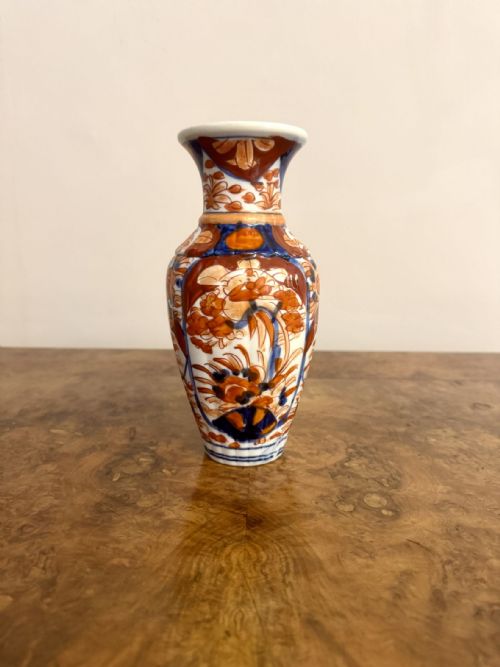
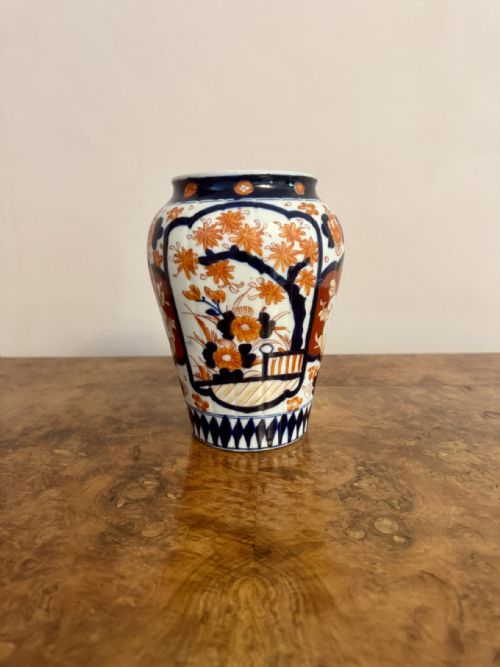
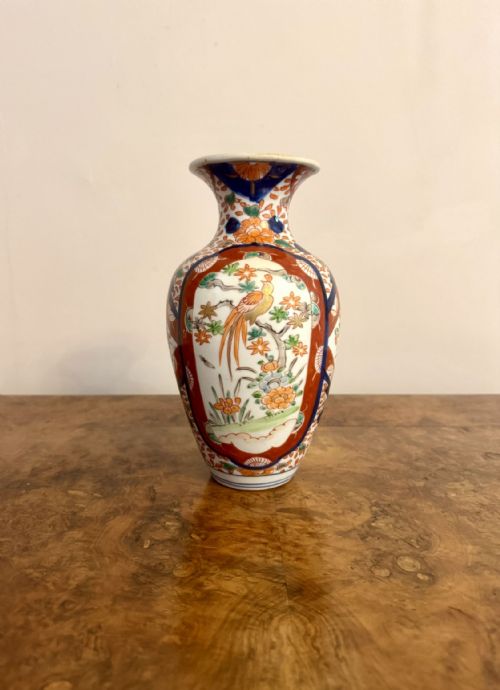
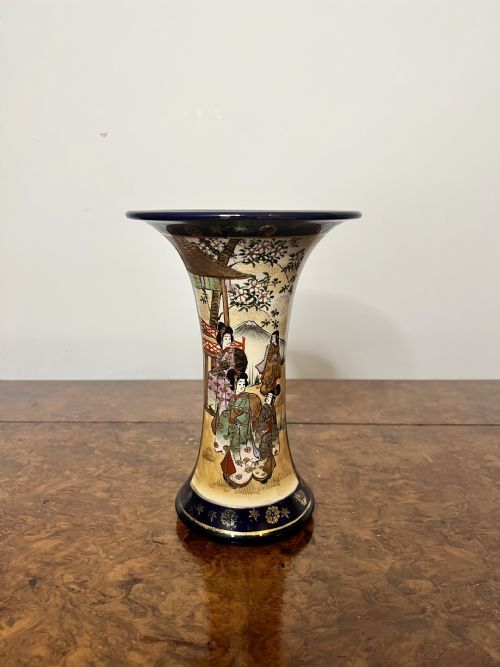
These cobalt blue oriental vases bring deep hues and intricate patterning to a room, spanning Japanese Imari, Satsuma, and Chinese blue and white traditions.
Cobalt Blue Oriental Vases
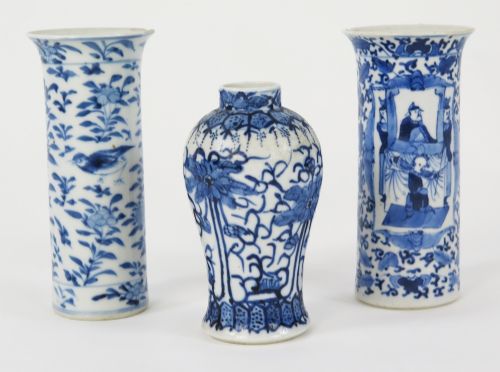
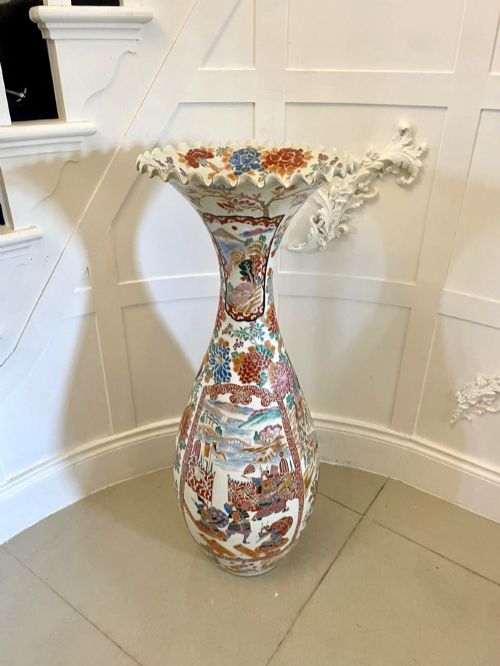
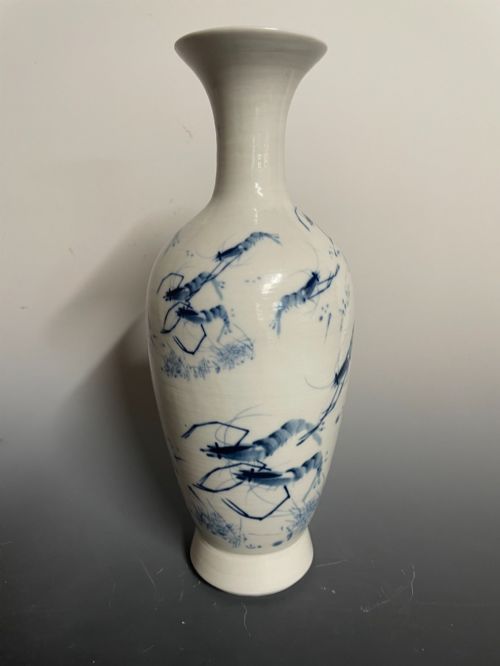
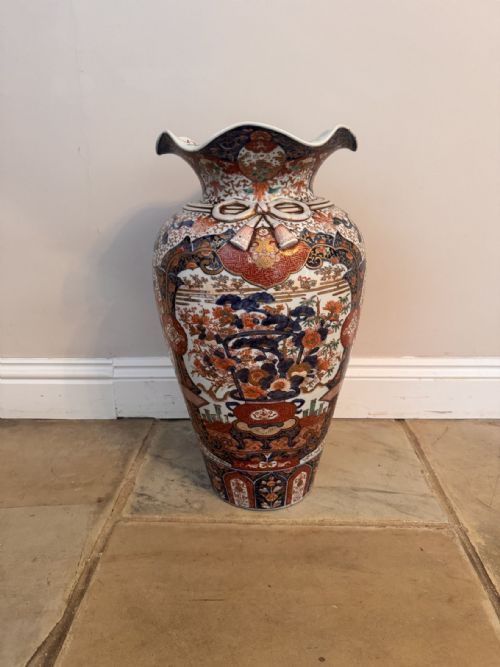
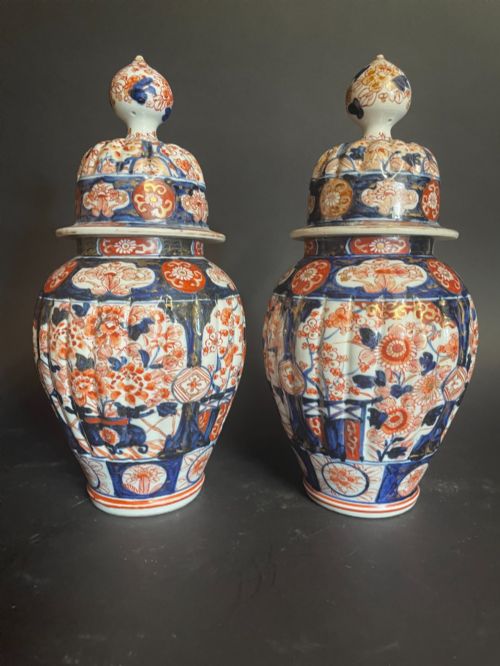
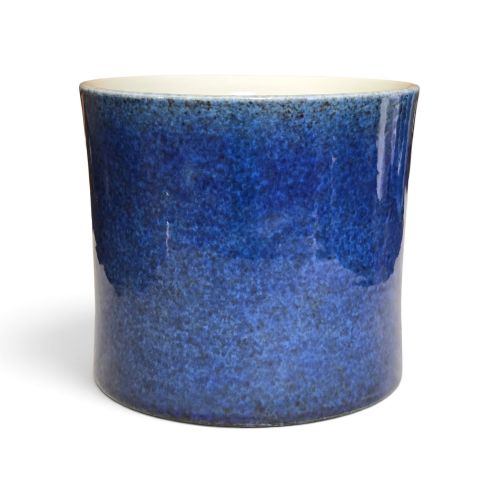
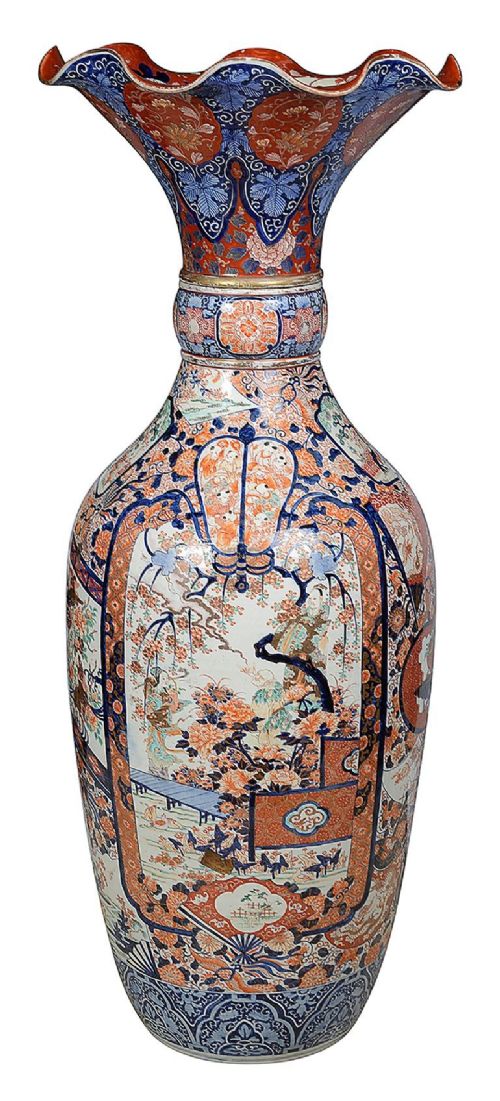
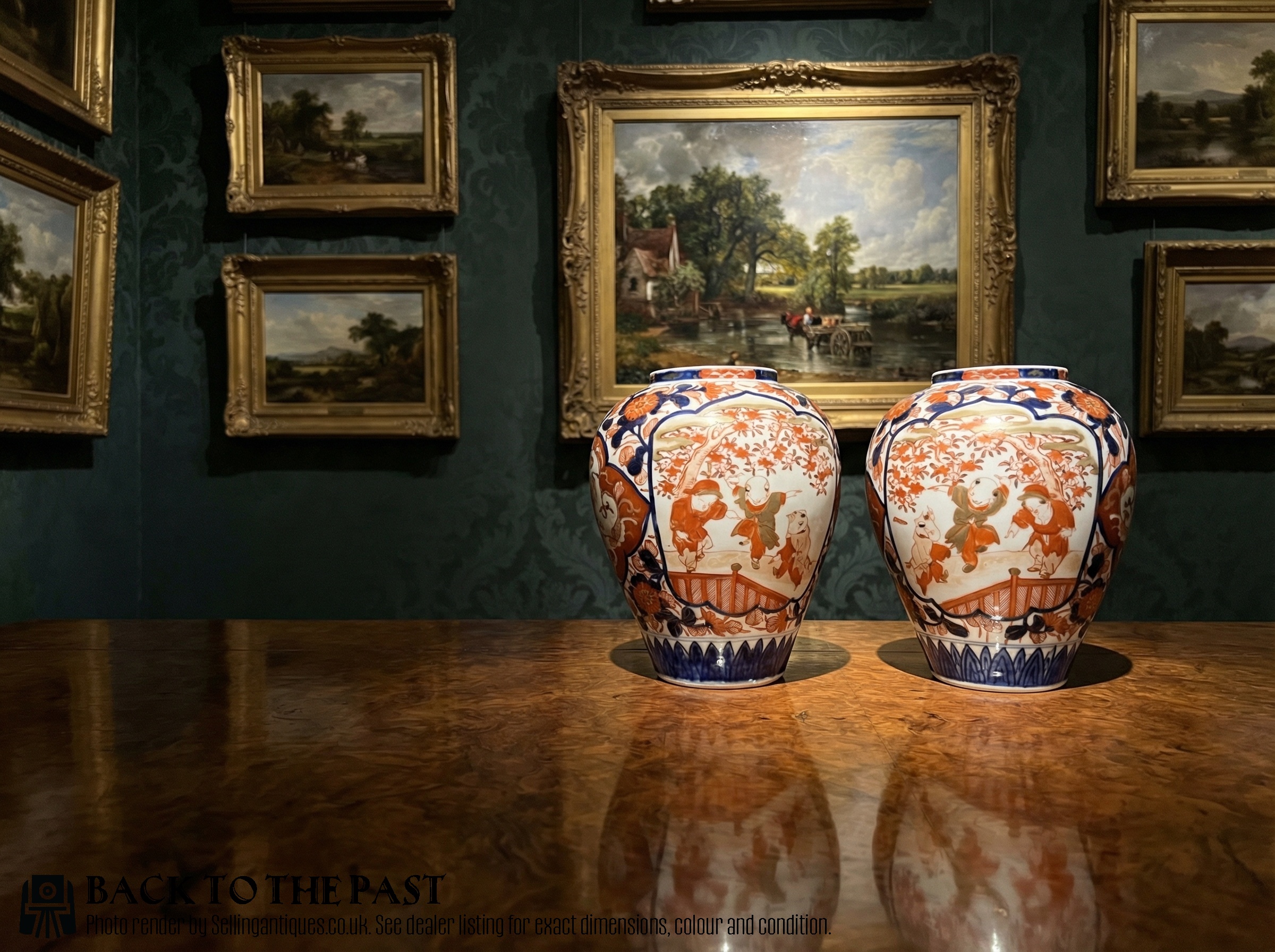
Cobalt blue oriental vases encompass a rich variety of ceramic forms, including large floor-standing vessels, ginger jars, brush pots, and bottle vases. The selection leans heavily towards Japanese Imari and Satsuma wares, alongside Chinese blue and white pieces originating from the seventeenth to the early twentieth century.
Buyers encounter numerous lidded jars, garnitures, and double-gourd shapes produced during the Meiji period and the Qing dynasty. These vessels served both decorative and functional roles in historic interiors, often displaying elaborate panels of figures, landscapes, or floral motifs.
Originating from distinct regional potteries and kilns across Japan and China, each piece reflects the prevailing aesthetic sensibilities of its era. Whether standing as a single imposing floor vase or forming part of a matched pair, the items bridge domestic utility and high craftsmanship.
What varies in quality
The sophistication of the hand-painted brushwork sets finer vessels apart, with master artisans achieving remarkable detail in facial expressions, robes, and natural foliage. Precision in the application of heavy gilt and raised enamel work further separates standard production wares from pieces destined for exhibition or export markets.
Consistency in the cobalt glaze determines much of the visual depth, where superior pieces exhibit an even saturation without pooling or running. The structural integrity of large forms, such as floor-standing vases and heavy garnitures, also reflects the skill of the potter in preventing distortion during high-temperature kiln firings.
Some towering floor-standing vases stand nearly five feet tall, demanding dedicated space and steady floorboards.
Kinkozan·Nanzan
The Cobalt Blue Oriental Vases Glossary
- Imari
- A style of Japanese export porcelain characterised by a distinctive palette of underglaze blue, iron red, and gold. It originated in Arita and gained immense popularity across Europe during the Edo period.
- Satsuma
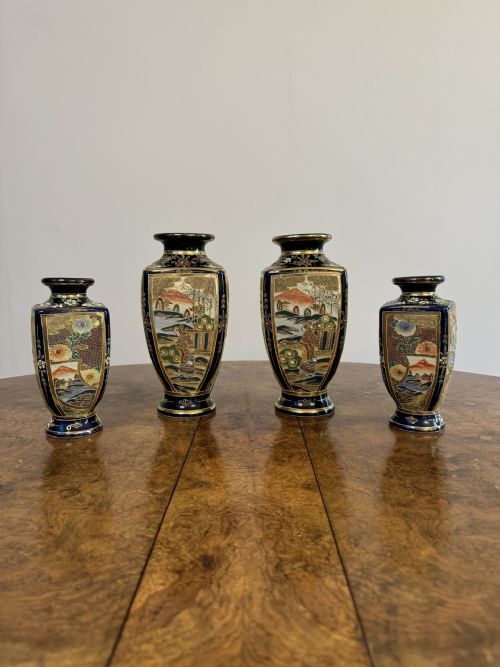
- A type of earthenware from Japan featuring a crackled ivory glaze decorated with polychrome enamels and extensive gilt work. These pieces often depict court figures, landscapes, and religious scenes.
- Moriage
- A decorative ceramic technique using slip trailed from a tube to build up raised patterns and dots. It creates a textured, tactile surface frequently highlighted with gold leaf.
- Meiji Period
- The era in Japanese history spanning from 1868 to 1912, marked by the opening of trade with the West. Ceramics from this time often combined traditional motifs with ambitious scale and intricate detail.
- Garniture
- A set of three or more matching vases and jars designed to be displayed together on a mantelpiece or cabinet. They typically feature graduated heights or complementary lid designs.
- Meiping
- A traditional Chinese vase form with a narrow neck, broad shoulders, and a tapering base. Originally designed for holding plum branches, the shape offers balanced proportions.
Cobalt Blue Oriental Vases: Frequently Asked Questions
How do I care for antique porcelain?
Antique porcelain and earthenware require gentle handling and stable indoor environments away from direct sunlight and sudden temperature shifts. Dusting with a soft, dry cloth is usually sufficient for regular maintenance.
Avoid using chemical cleaners or immersing pieces with delicate overglaze enamels and gold leaf in water, as moisture can damage vulnerable historical surfaces.
How do I distinguish Imari from Satsuma?
Imari wares are hard-paste porcelains typically decorated in underglaze cobalt blue, iron red, and gold with geometric and floral panels. They have a resonant ring when tapped and a smooth, vitrified body.
Satsuma pieces are made from earthenware, identifiable by a characteristic fine crackle glaze beneath intricate polychrome figures and raised moriage decoration.
Where were ginger jars used?
Ginger jars originally served as practical storage containers for spices, salt, and oils transported along trade routes in China. Over time, their pleasing proportions transformed them into decorative interior ornaments.
By the nineteenth century, European homes displayed these lidded vessels on tables and mantelpieces, often as part of larger matching garniture sets.