

Imari Patterned Pottery
Imari patterned pottery brings together rich enamel palettes and historic ceramic forms from Japanese and English workshops.
Imari Patterned Pottery
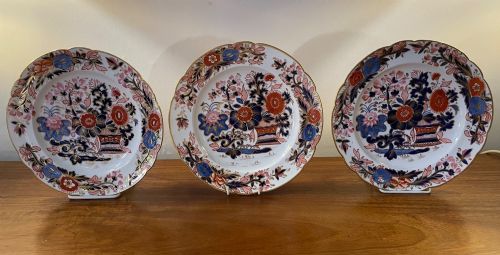
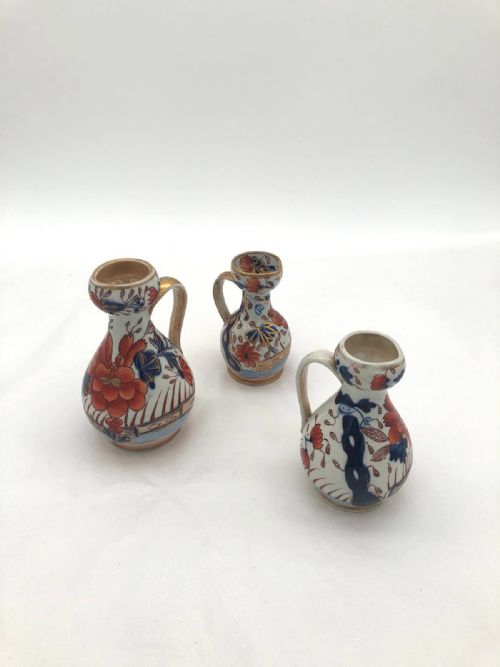
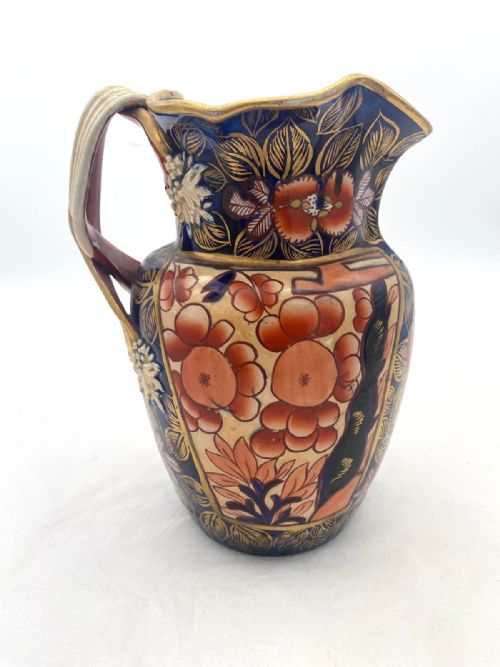
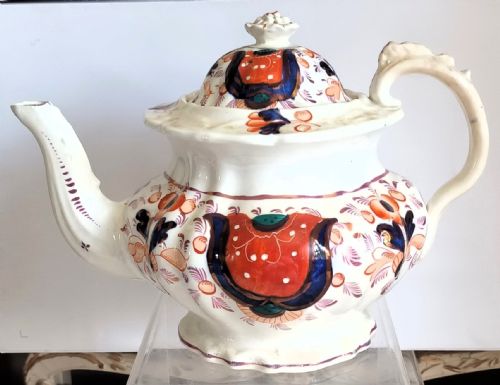
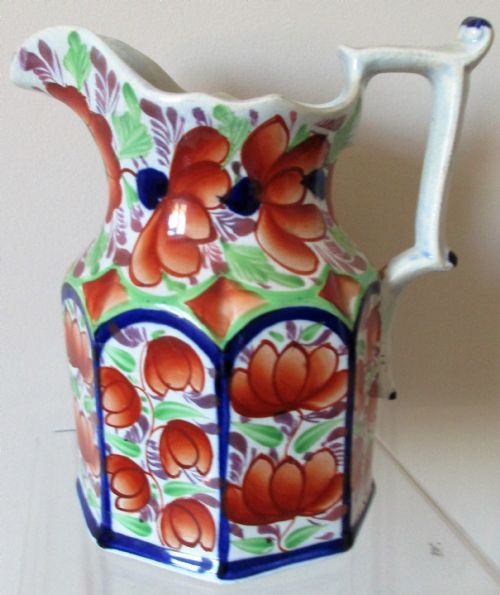
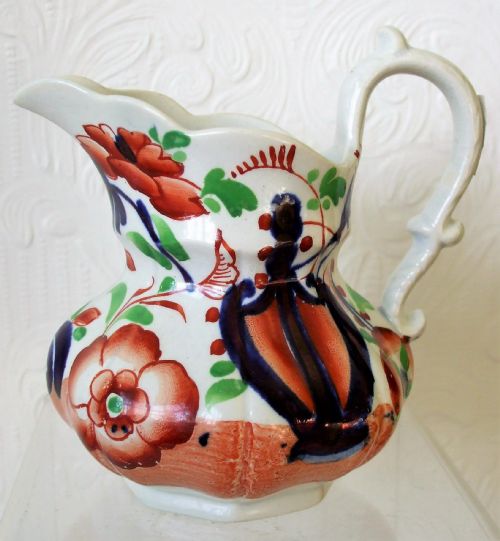
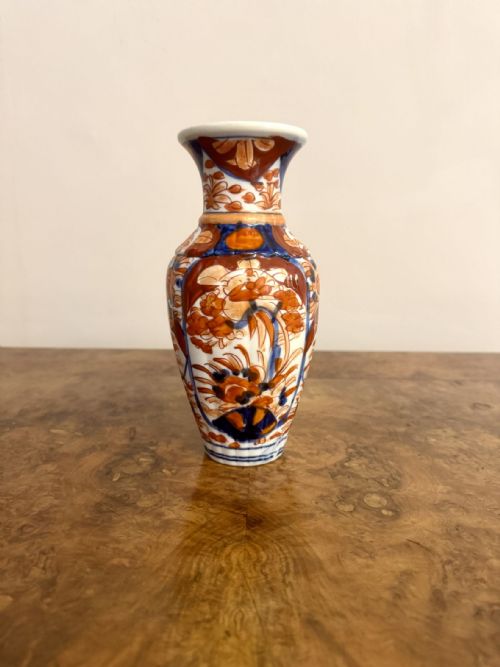
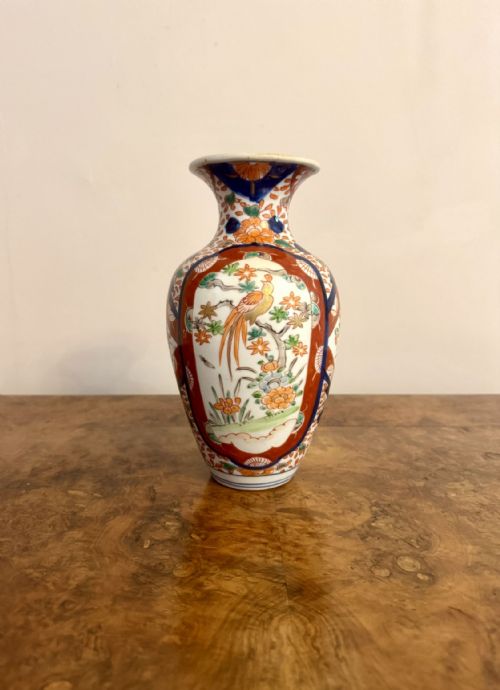
Imari patterned pottery spans 19th Century and Edwardian items, connecting traditional Japanese aesthetics with Georgian, Regency, and Victorian British production. When exploring imari patterned pottery, buyers encounter items ranging from Japanese vases and English ironstone jugs to decorative plates and footed bowls.
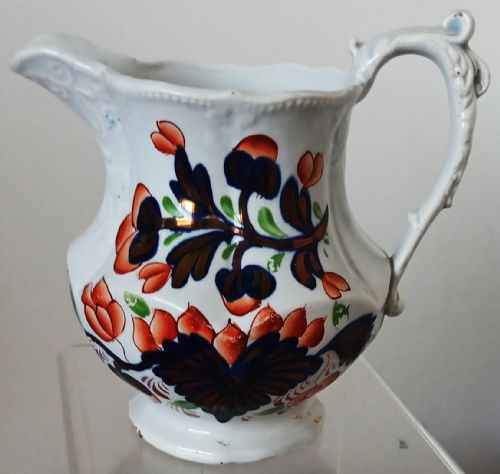
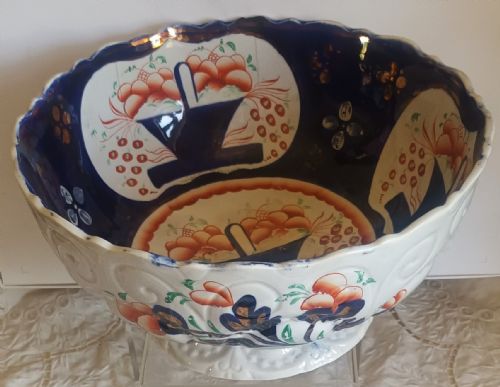
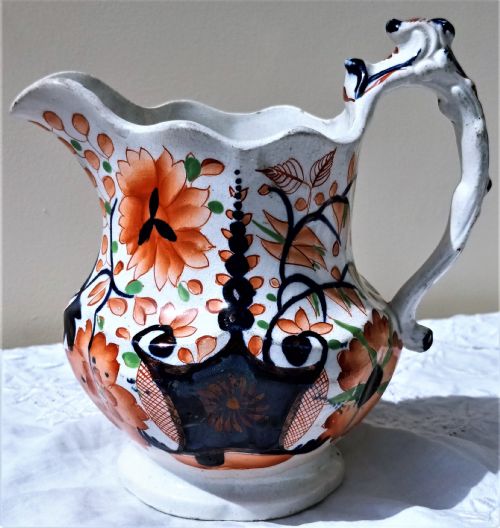
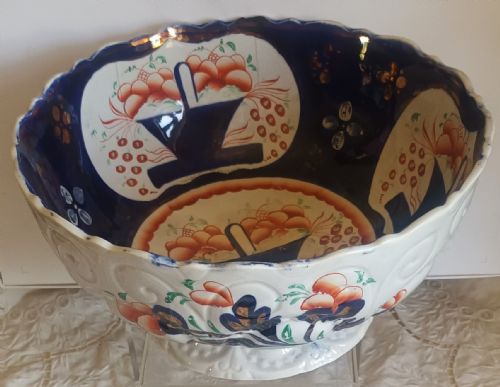
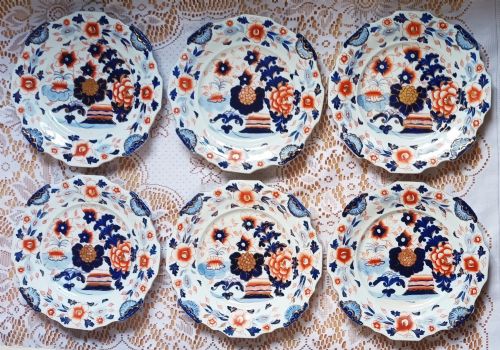
The selection on this page relies heavily on Victorian Gaudy Welsh earthenware patterns such as Pagoda, Gwent, and Basket of Flowers, alongside Mason's ironstone china and Royal Crown Derby porcelain. English potteries adopted these striking motifs to satisfy domestic demand for bold, decorated tablewares.
Vases, pitchers, and plates form the core of the available objects, originating from periods including 1800, 1850, 1870, 1880, and 1900. These pieces demonstrate a direct stylistic bridge between eastern design traditions and western ceramic manufacturing.
Methods and materials
Makers utilised durable ceramic bodies including ironstone, stoneware, earthenware, and porcelain, forming them into jugs, plates, and vases before applying detailed underglaze and overglaze decoration. Ironstone provided a robust foundation for heavy kitchen and table wares, while fine porcelain suited delicate cabinet pieces.
Enamel and glaze seal the painted surfaces, often accented with gold leaf or gilding to highlight specific patterns. Artisans built up complex designs like the Schoolhouse, Pagoda, and Japan patterns using vibrant pigments that required careful kiln firing to fix the colours.
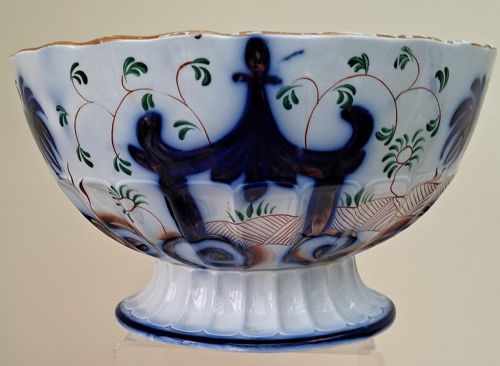
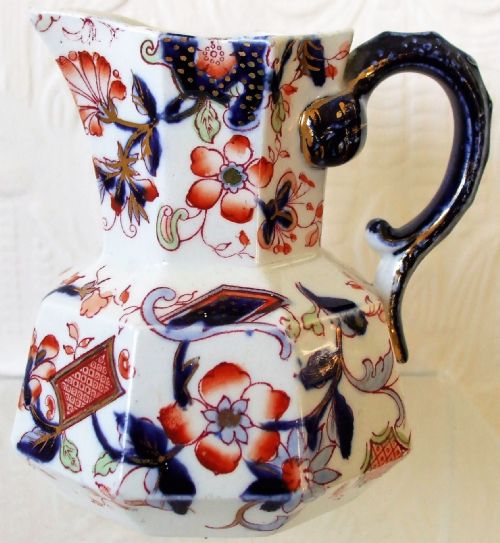
Object forms include octagonal jugs, pouch jugs, footed bowls, biscuit barrels, bud vases, and desert dishes across various British and Japanese traditions.
Assessment of quality
Quality rests upon the precision of the hand-painted enamels, the crispness of the transfer-printed outlines, and the preservation of any applied gilding or gold leaf. Superior examples display sharply defined motifs within patterns like Bethesda or Grape without blurring or smudging across the ceramic body.
The weight and stability of the ironstone or porcelain form also dictate standard, alongside the complexity of the vessel shape, such as octagonal jugs or footed bowls. Well-preserved pieces maintain intact glazes and bright enamel tones across both English earthenware and Japanese porcelain.
Mason's Ironstone·Royal Crown Derby·John Ridgway·Keeling and Co·Spode
The Imari Patterned Pottery Glossary
- Ironstone
- A dense, durable type of earthenware patented in the 19th Century to rival true porcelain. It offered high resistance to chipping and formed the body for many utilitarian and decorative jugs.
- Gaudy Welsh
- A style of colourful pottery made in Wales and England featuring rich cobalt blue, copper lustre, and red enamel. It frequently employed motifs like the Pagoda and Grape patterns.
- Enamel
- Opaque vitreous material fused to the ceramic surface during secondary low-temperature firing. It provides the vivid reds, blues, and greens characteristic of imari palettes.
- Gilding
- The application of gold leaf or gold paint to ceramic highlights and rims. It added a layer of visual opulence to formal dining plates and decorative vases.
- Hydra jug
- A specific vessel shape characterised by a serpent-handle and bulbous body. These jugs appeared frequently in Mason's ironstone productions during the 19th Century.
Imari Patterned Pottery: Frequently Asked Questions
What is imari patterned pottery?
Imari patterned pottery refers to ceramics decorated in the distinctive palette of iron-red, cobalt blue, and gold, originating in Japan and later interpreted by British potteries.
The style bridges eastern aesthetic traditions and 19th Century European manufacturing, appearing on everything from English ironstone jugs to Japanese porcelain vases.
How do I identify Gaudy Welsh pieces?
Gaudy Welsh pieces typically display hand-painted cobalt blue, copper lustre, and iron-red highlights on earthenware bodies. Look for familiar patterns such as Pagoda, Basket of Flowers, and Gwent.
These domestic tablewares were produced in large quantities during the Victorian era and remain popular collecting subjects today.
Were these items used daily?
Many ironstone jugs, stoneware plates, and earthenware bowls served practical functions in 19th Century homes for dining, pouring, and food preparation.
More ornate porcelain vases and decorative plates were primarily intended for display in Victorian and Edwardian reception rooms.
How do I care for antique pottery?
Antique ceramics require gentle handling and hand washing in lukewarm water without harsh detergents to protect the overglaze enamels and gilding. Avoid sudden temperature changes to prevent stress fractures in older ironstone and earthenware bodies.
Display vessels away from direct sunlight to preserve the vibrancy of the original enamel colours.
What periods are represented here?
The selection includes items spanning the Georgian, Regency, Victorian, and Edwardian eras, with specific dates reaching from 1800 through to 1900.
English ironstone and Japanese export pieces sit alongside one another, demonstrating the global exchange of ceramic styles throughout the 19th Century.