
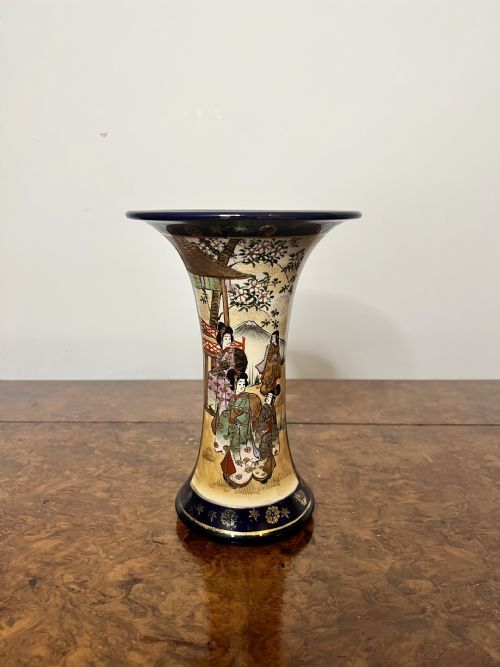


Cobalt Blue Japanese Vase
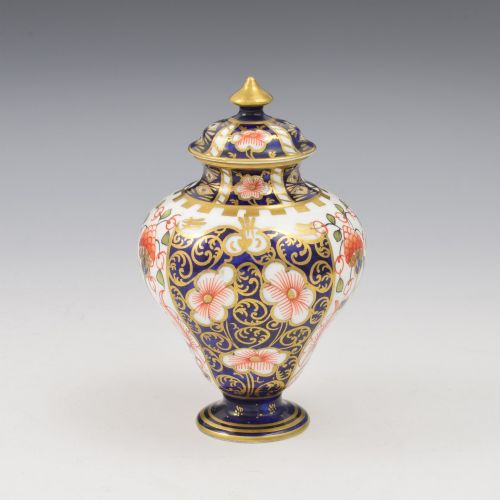
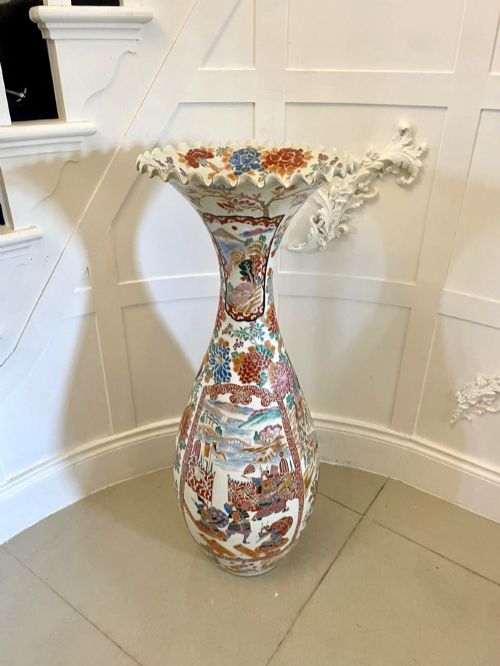
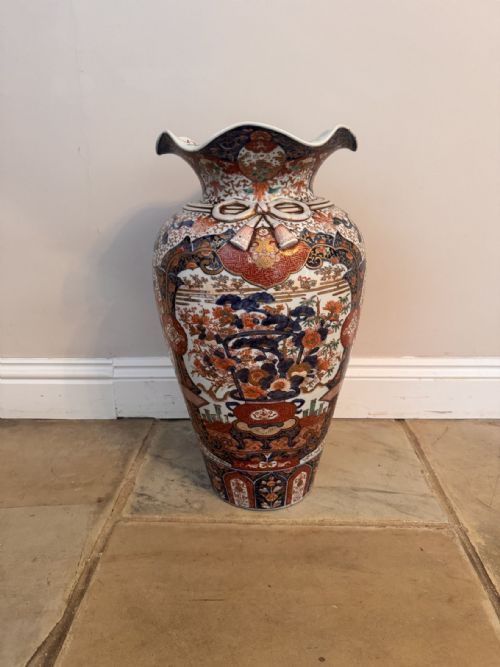
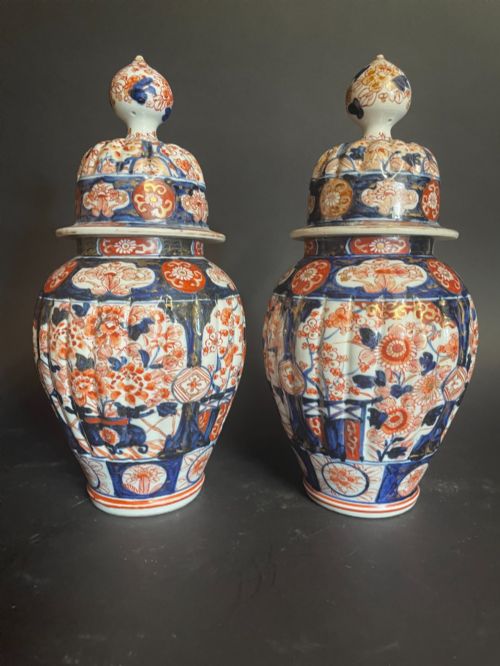
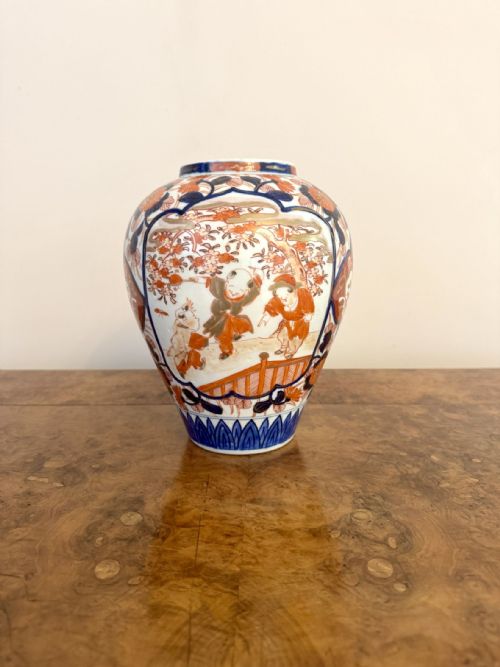
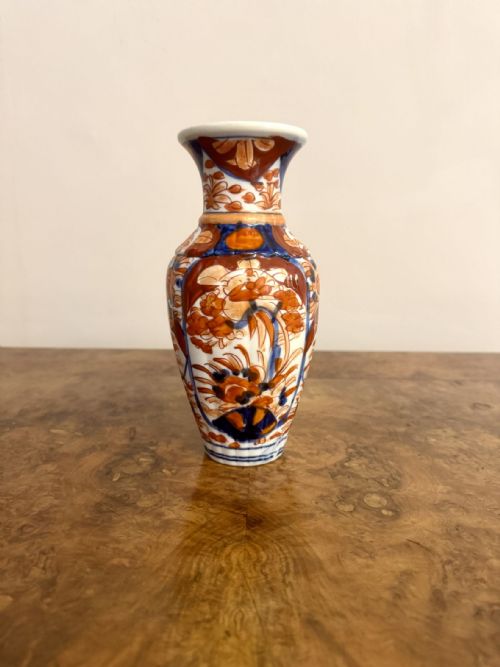
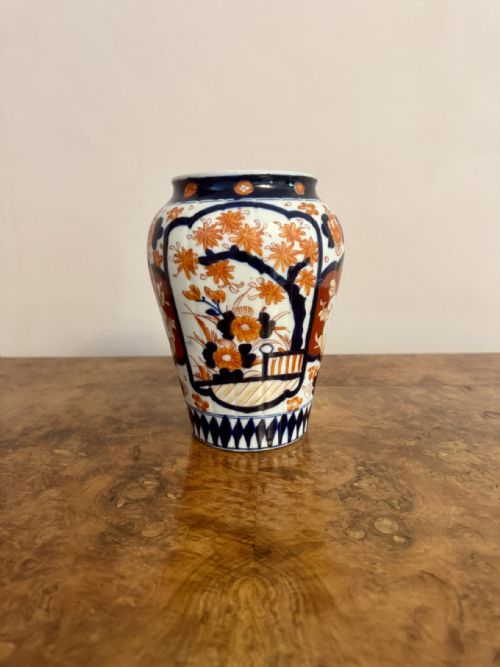
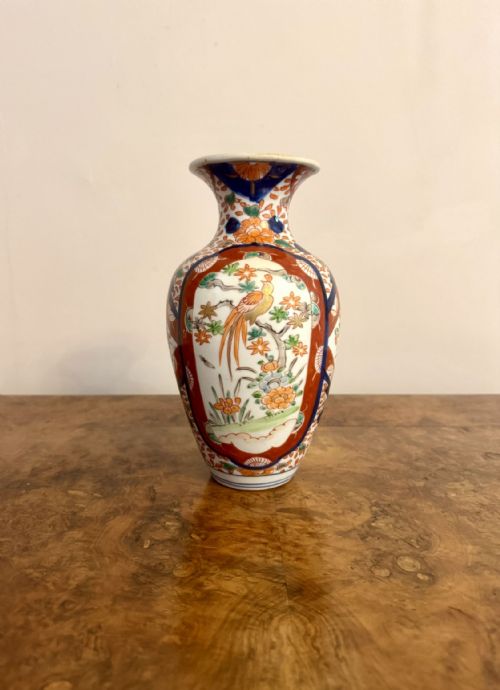
These cobalt blue japanese vase examples combine deep cobalt pigments with intricate metallic detailing, offering a striking focal point for traditional interiors.

Cobalt Blue Japanese Vase
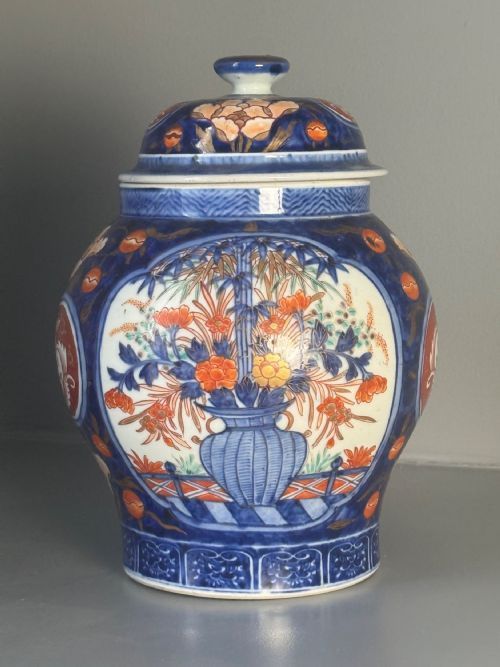
A cobalt blue japanese vase brings together traditional ceramic forms and rich underglaze pigments, frequently emerging from the Meiji and Edo periods. Buyers seeking a cobalt blue japanese vase typically encounter traditional floor-standing vessels, covered ginger jars, and decorative baluster shapes adorned with complex regional palettes.
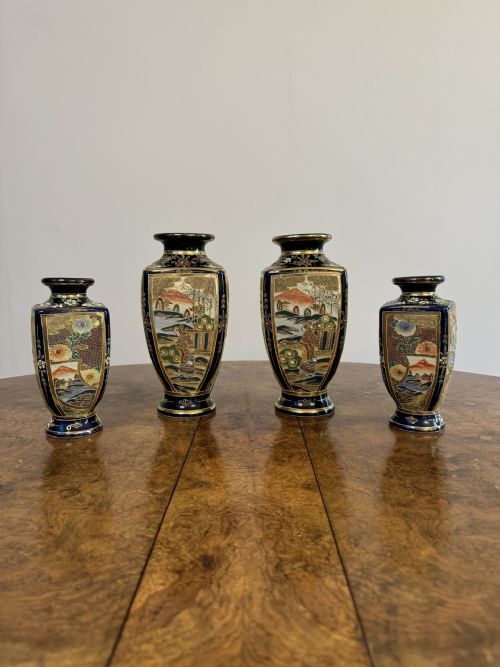
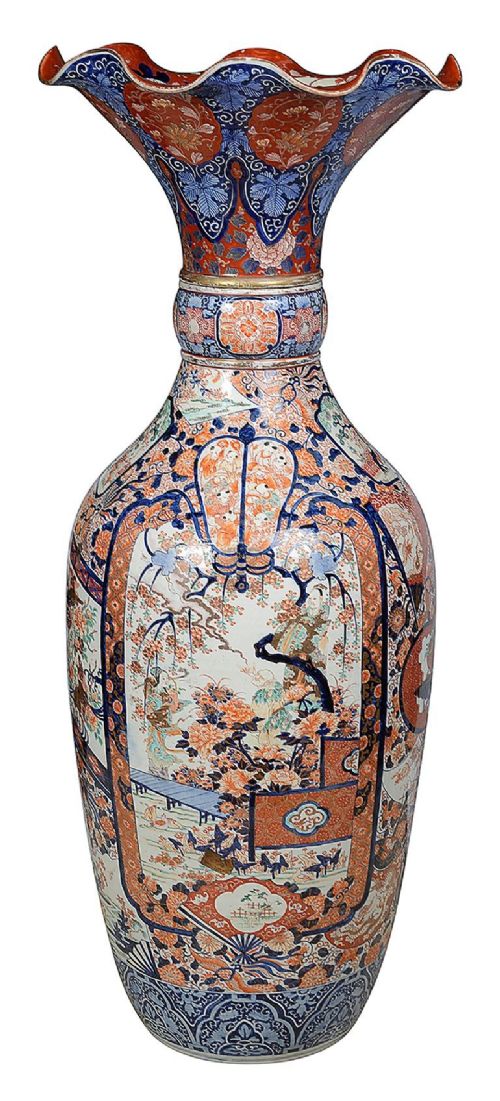
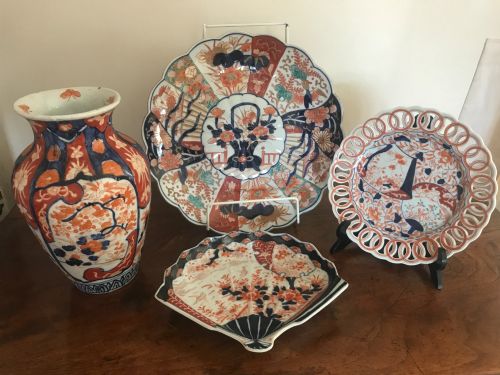
The selection here encompasses everything from diminutive bud vessels to large floor-standing containers and garnitures. Pieces often feature distinct Japanese Imari or Satsuma designs, reflecting centuries of ceramic manufacturing traditions.
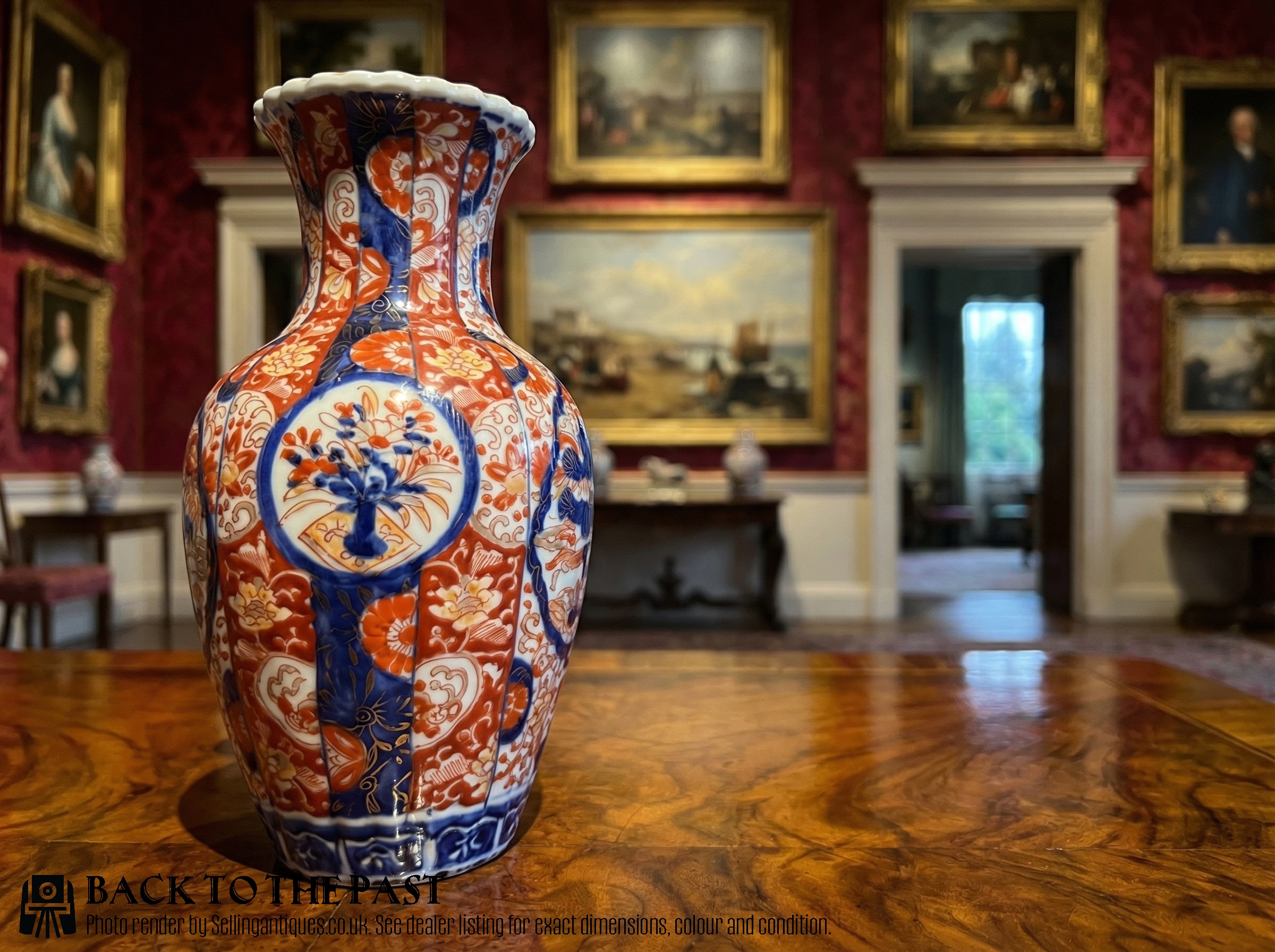
How they were made
Potters shaped these vessels from refined porcelain and earthenware before applying cobalt blue underglaze pigments and firing them at high temperatures. Artisans then frequently added layers of enamel, gold leaf, and gilt detailing over the glaze to build up rich surface patterns.
Techniques such as moriage were utilised to create raised relief decorations, adding a tactile element to court figures and landscape panels. Workshops combined these dimensional elements with meticulous hand-painted motifs across panels and borders.
The listings span from the 17th-century Edo period through to Edwardian interpretations, utilising porcelain, earthenware, enamel, and gold leaf.
What varies in quality
The standard of a cobalt blue japanese vase rests upon the precision of the hand-painted brushwork and the density of the gilding. Superior examples display crisp outlines within the Imari palette and carefully controlled enamel applications that sit evenly across the porcelain body.
Scale and ambition also divide the range, separating standard decorative jars from monumental floor-standing vessels and detailed Satsuma garnitures. The finesse found in raised moriage work and signed studio pieces distinguishes finer creations from standard workshop output.
Kinkozan·Nanzan·Stevenson and Hancock·Royal Crown Derby
The Cobalt Blue Japanese Vase Glossary
- Imari
- A style of Japanese porcelain decorated in underglaze blue, iron red, and gold, named after the port from which the wares were exported. This palette creates a vibrant contrast against the white porcelain body.
- Satsuma
- A type of earthenware originating from the Satsuma province, typically characterised by a ivory craquelure glaze and elaborate enamel or gilt decoration. These pieces frequently depict historical figures and dense floral scenes.
- Moriage
- A decorative ceramic technique using slip to build up raised designs and relief patterns before firing and painting. This method produces a textured surface often highlighted with gold leaf.
- Garniture
- A set of matching vases or jars designed to be displayed together on a mantelpiece or cabinet top. These arrangements usually consist of three or five graduated vessels.
- Baluster
- A vase form with a rounded body that tapers toward the base and swells near the centre. This classical shape provides a balanced canvas for complex panel decoration.
- Double Gourd
- A vessel shaped in two connected bulbous sections resembling a traditional water container. This silhouette appears frequently in nineteenth-century porcelain productions.
Cobalt Blue Japanese Vase: Frequently Asked Questions
How do I identify Satsuma ware?
Satsuma ceramics are generally earthenware bodies distinguished by a fine crackled glaze beneath colourful enamel and gilt decoration. They often showcase detailed figures, landscapes, and raised patterns rather than underglaze blue painting.
Potters from this tradition frequently incorporated rich surface textures, allowing collectors to separate them visually from standard porcelain Imari vessels.
What is an Imari palette?
The Imari palette relies on a specific combination of deep underglaze cobalt blue, iron red, and supplementary gilt highlights. This distinct colour scheme originated in Japan before influencing European ceramic factories.
Items decorated in this manner display high-contrast geometric and floral motifs across various forms, including ginger jars and baluster vases.
How were garnitures displayed?
Garnitures were arranged symmetrically across mantelpieces, sideboards, or large furniture tops to anchor a room's decorative scheme. A set typically consisted of three or five matching lidded and open vessels.
This method of display originated in Asian export traditions and later became central to grand European interiors.
What distinguishes Meiji period ceramics?
Meiji period ceramics reflect a surge in technical ambition and international export following the opening of Japanese trade ports. Workshops produced highly ornate works featuring dense gilding, refined moriage, and complex narrative scenes.
These pieces demonstrate a departure from earlier, simpler domestic wares toward elaborate decorative items intended for global display.