






Cobalt Blue Imari
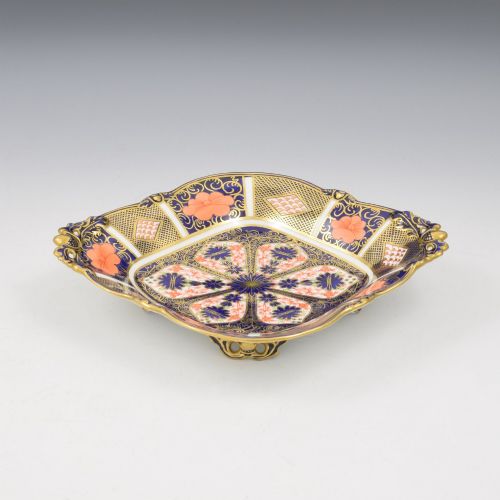
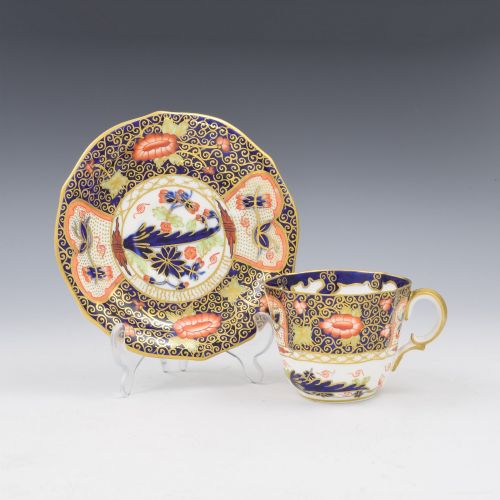
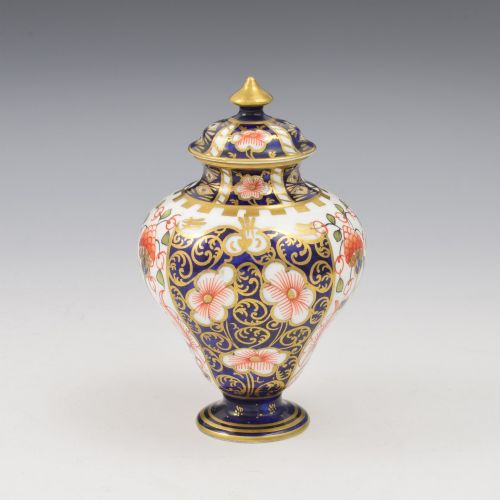
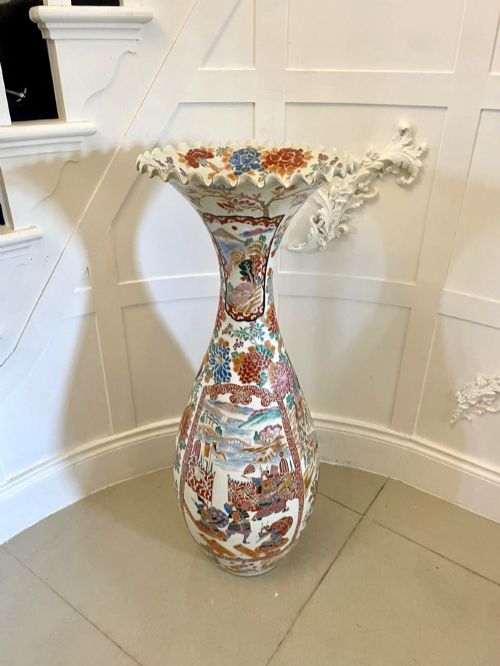
Cobalt blue imari brings together the rich palette of Japanese and English ceramics, offering bold decorative presence for a room.
Cobalt Blue Imari
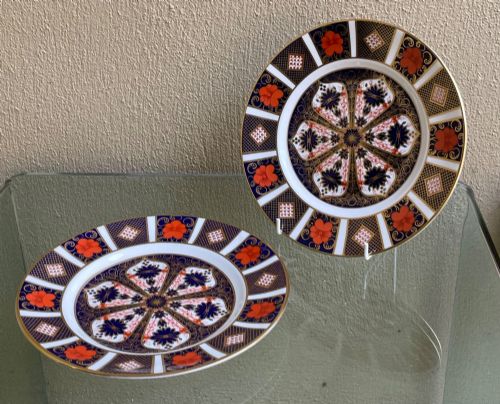
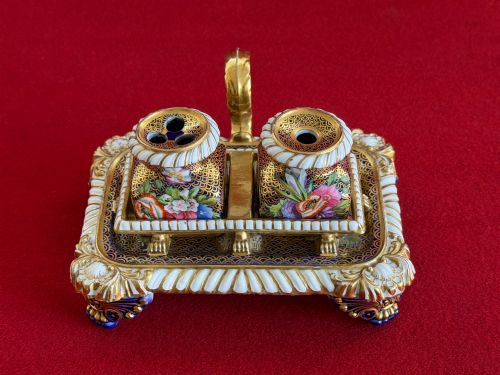
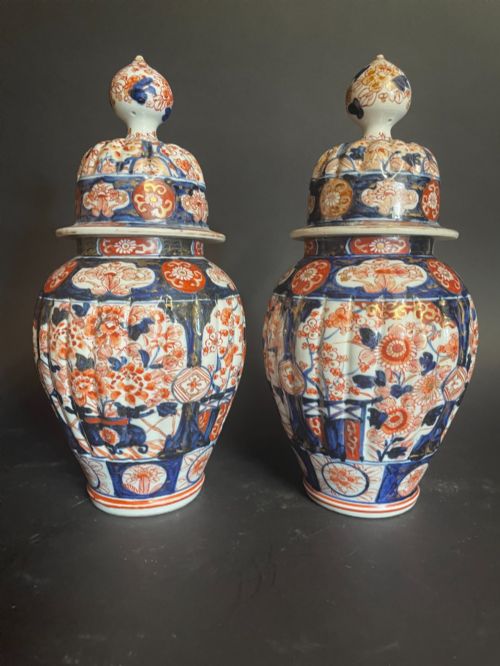
When you search for cobalt blue imari, you encounter a distinct group of ceramic objects defined by a characteristic palette of deep blue, iron red and gilt highlights. These pieces span Japanese export wares from the Meiji period alongside English interpretations produced by factories such as Royal Crown Derby and Mason's.
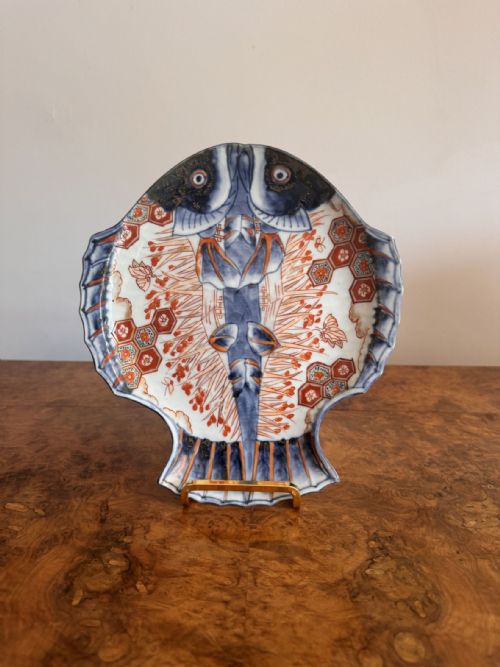
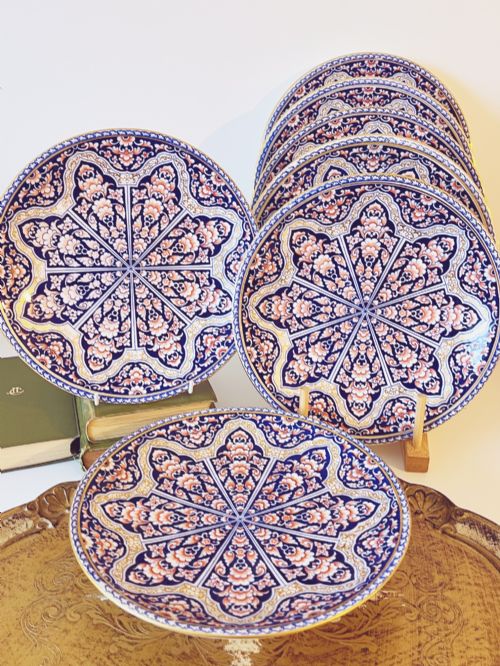
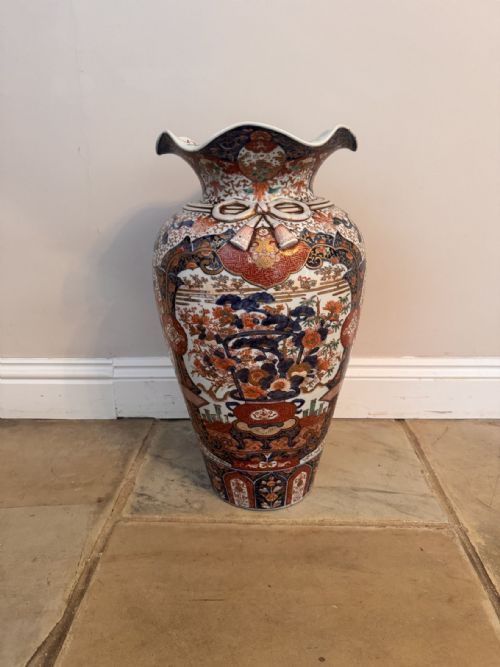
The selection on this page relies heavily on decorative plates, chargers, vases and jugs originating from the nineteenth century and the Edwardian era. Japanese examples often feature scalloped edges, fish shapes or intricate bird motifs, while English counterparts utilise ironstone and porcelain to adopt the style.
Buyers will find that items range from cabinet-size miniature vases and coffee cups to large floor-standing vessels and multi-piece dessert services. The grouping encompasses both direct Asian imports and domestic earthenware inspired by eastern designs.
Materials and manufacture
Makers utilised hard-paste porcelain, earthenware and ironstone as the primary bodies for these vessels, applying cobalt underglaze blue before firing the piece at high temperatures. Enamel colours and gold leaf were subsequently added in secondary low-temperature firings to build up the intricate surface decoration.
Japanese pieces frequently display the characteristic crisp body of Arita production, while English potteries adapted the aesthetic onto dense ironstone and fine porcelain bodies. Gilding and overglaze enamel work were meticulously hand-applied across both traditions to create the layered visual depth.
Listings feature items spanning the 19th century, Edwardian era and 1920s, utilising porcelain, ironstone, enamel and gold leaf.
Assessing quality
Quality in these ceramics rests upon the crispness of the underglaze blue painting and the precision of the hand-applied enamel and gold leaf details. Superior examples exhibit tightly controlled brushwork and rich, unblemished gilding that remains intact across complex surfaces.
The weight and finish of the ceramic body also distinguish the tier of a piece, with finer porcelain offering translucency and well-modelled forms such as scalloped rims or figural handles. Lesser items often show coarser body preparation and simpler, heavier application of the decorative palette.
Royal Crown Derby·Mason's Ironstone·John Davenport·Hicks and Meigh·Keeling and Co
The Cobalt Blue Imari Glossary
- Imari
- A style of ceramic decoration originating in Japan and widely copied in Europe, typically featuring cobalt blue, iron red and gilt. It takes its name from the port town used to ship Arita wares.
- Ironstone
- A heavy, durable type of earthenware patented in the nineteenth century by English potteries as a tough alternative to porcelain. It readily accepted transfer-printed and hand-painted imari patterns.
- Charger
- A large decorative plate intended for display on a wall or sideboard rather than for dining use. These items showcase the most ambitious painting in imari inventories.
- Meiji Period
- The era of Japanese history lasting from 1868 to 1912, associated with a surge in export ceramics tailored for Western tastes. Pieces from this time often display exceptional technical refinement.
- Comport
- A footed dish or bowl raised above the table surface, commonly found within nineteenth-century dessert services. They frequently feature prominently in imari palette ceramic sets.
Cobalt Blue Imari: Frequently Asked Questions
How do I date an imari piece?
Dating relies on factory marks, the composition of the ceramic body and the specific style of the enamel work. Nineteenth-century examples often feature handwritten pattern numbers or impressed factory stamps beneath the glaze.
English ironstone pieces from the Georgian and Victorian eras carry distinct backstamps, whereas Japanese Meiji items typically rely on aesthetic characteristics and export signatures rather than Western dating conventions.
Are these pieces safe to use daily?
Most antique imari ceramics are best reserved for display or light occasional use rather than heavy daily service. The overglaze enamels and delicate gold leaf can wear down with frequent washing and cutlery contact.
Plates, chargers and vases function primarily as decorative objects for sideboards and walls, while tea wares and jugs require gentle hand washing to preserve their painted surfaces.
How should I display large imari chargers?
Large chargers require sturdy plate hangers or dedicated display stands that securely support their weight without placing stress on the rim. Placing them on mantels or within cabinets protects them from accidental knocks.
Because these pieces feature vibrant cobalt blue and iron red tones, they provide a strong focal point when paired with neutral backgrounds and indirect lighting.