


Japanese Export Porcelain Bowl
A japanese export porcelain bowl carries centuries of kiln craft directly from far Eastern furnaces into British dining rooms and display cabinets.
Japanese Export Porcelain Bowl
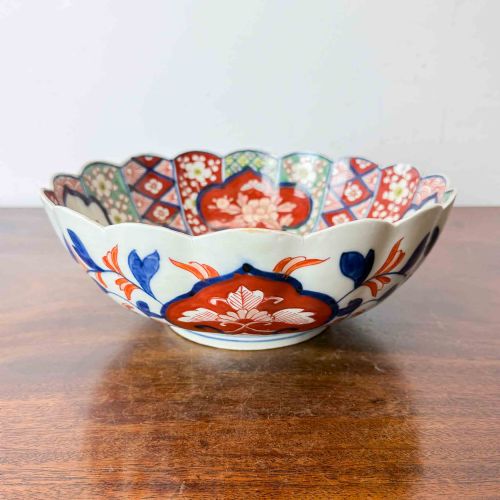
When you search for a japanese export porcelain bowl, you encounter a distinct category of ceramics produced in Japan specifically for overseas markets across multiple centuries. These vessels range from deep domestic serving forms to monumental decorative showpieces created during various historical eras.
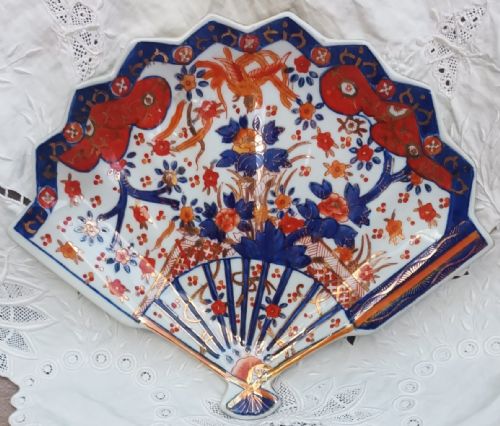
Forms vary from standard circular vessels to fluted profiles, scallop edge contours, and unusual hexagonal shapes. Alongside bowls, the selection occasionally includes related plates and shaving basins.
Materials and methods
Potters shaped these objects from fine porcelain and earthenware bodies before applying cobalt glaze and enamel decoration. Artisans then utilised gold leaf and gilding to highlight intricate surface details.
Kiln workers fired the pieces at high temperatures to vitrify the clay and fix the underglaze cobalt blue. Subsequent low-temperature firings set the polychrome enamels and applied surface gilt.
Listings feature porcelain, earthenware, enamel, and gold leaf spanning the 17th, 18th, 19th, and early 20th centuries.
Assessing quality in antique ceramics
Quality rests upon the crispness of the painted detail and the precision of the form, whether circular, fluted, or hexagonal. Superior examples display controlled brushwork in the cobalt glaze and enamel work without blurring.
The application of gold leaf and gilding dictates the finish of high-end vessels, where heavy or refined metallic detailing remains intact across the surface. Early examples from the Genroku or Edo periods demonstrate distinct potting weight compared to later Edwardian production.
Kinkozan Kyoto
The Japanese Export Porcelain Bowl Glossary
- Imari
- A traditional style of Japanese porcelain featuring a characteristic palette of underglaze blue, iron red, and gilt. It originated in Arita and was shipped through the port of Imari.
- Satsuma
- A type of earthenware from Satsuma province featuring a crackle glaze decorated with polychrome enamels and gold. These pieces often depict elaborate figurative scenes.
- Cobalt glaze
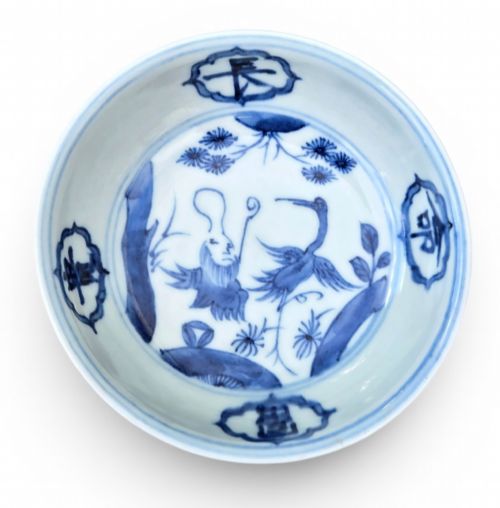
- An inorganic pigment applied under the glaze to produce a deep blue hue during high-temperature firing. It forms the foundation of blue and white decoration.
- Gilding
- The application of gold leaf or gold powder onto the ceramic surface to enrich the design. It is typically added in a final low-temperature firing.
- Meiji Period
- The era of Japanese history spanning from 1868 to 1912, known for intense artistic production aimed at Western export markets.
Japanese Export Porcelain Bowl: Frequently Asked Questions
How do I date an Imari bowl?
Dating relies on stylistic shifts, body weight, and the tone of the cobalt glaze and iron red enamels. Earlier pieces often show heavier potting and deeper underglaze tones compared to later outputs.
Examining the foot ring and the base provides further clues regarding the period of manufacture and kiln origin.
Were these bowls meant for food?
Many vessels served practical dining functions in Japanese households or Western residences before transitioning to purely decorative roles. Deep bowls and dishes handled various foodstuffs and liquids during meals.
Over time, collectors prized them primarily for display on sideboards and within cabinets rather than daily service.
What is a Black Ship plate?
Black Ship items refer to ceramics associated with the arrival of Western vessels in Japan, depicting foreign ships and figures in the design. These pieces capture a specific period of international trade and cultural exchange.
They are collected alongside matching bowls for their narrative historical artwork.
How should I clean antique porcelain?
Dusting with a dry, soft cloth is normally sufficient for maintaining the surface of glazed and gilded ceramics. Avoid harsh chemical cleaners or abrasive scourers that can damage delicate enamel and gold leaf.
Hand washing in lukewarm water with mild soap should be done infrequently and with great care.