
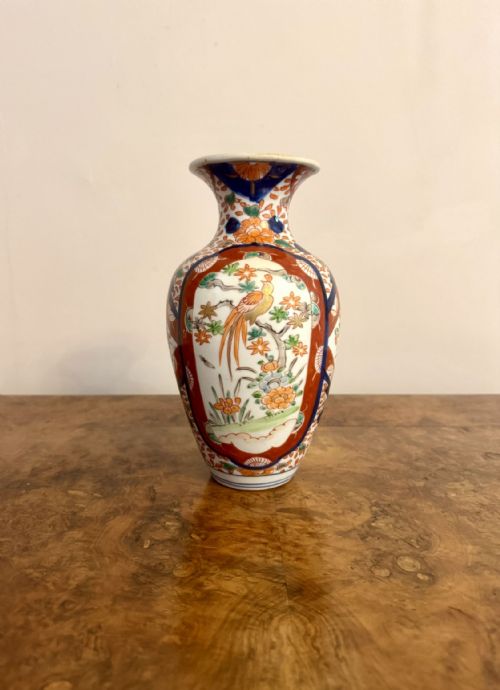


Cobalt Blue Imari Vase
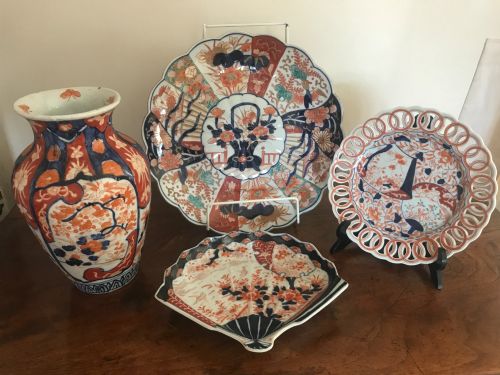
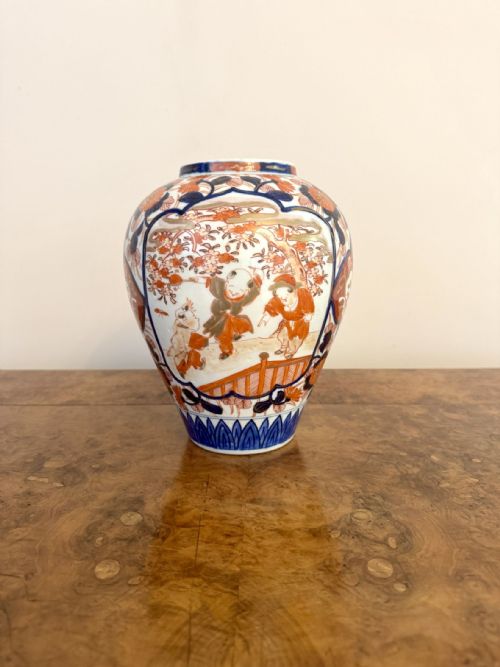
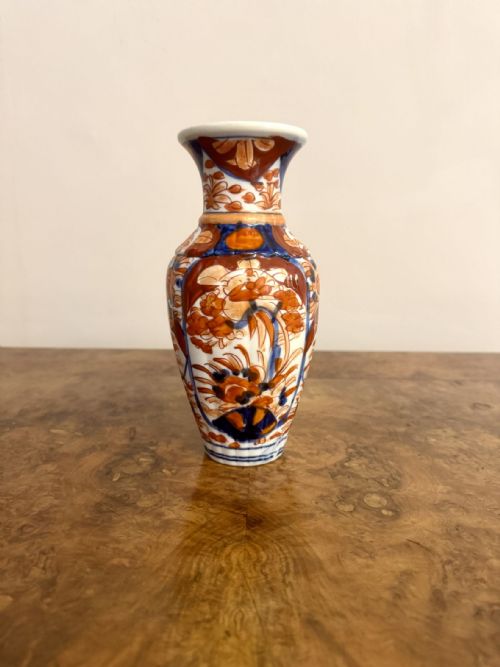
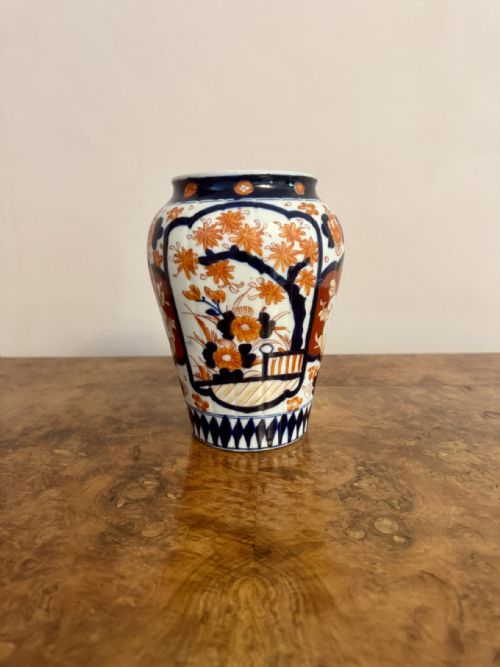
A cobalt blue imari vase brings together rich underglaze blue and iron-red enamel, offering a striking display piece for collectors of traditional ceramics.

Cobalt Blue Imari Vase
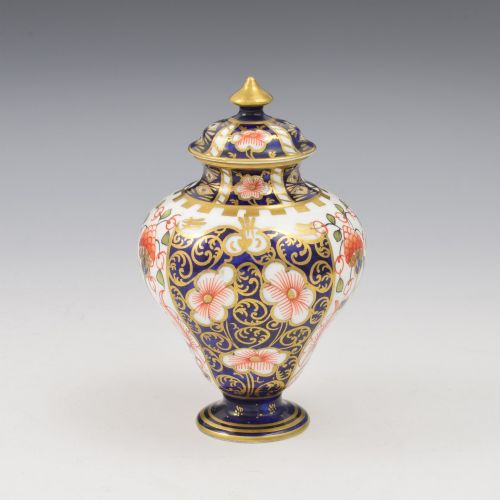
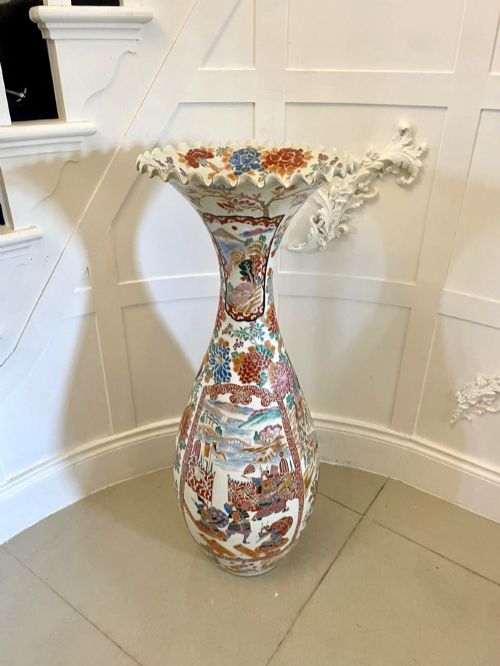
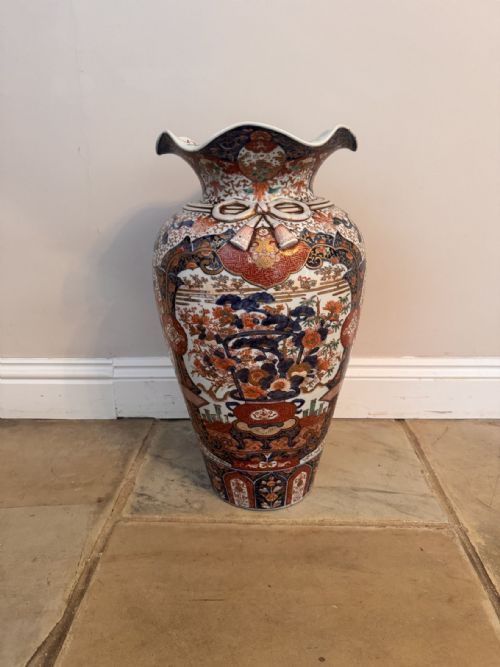
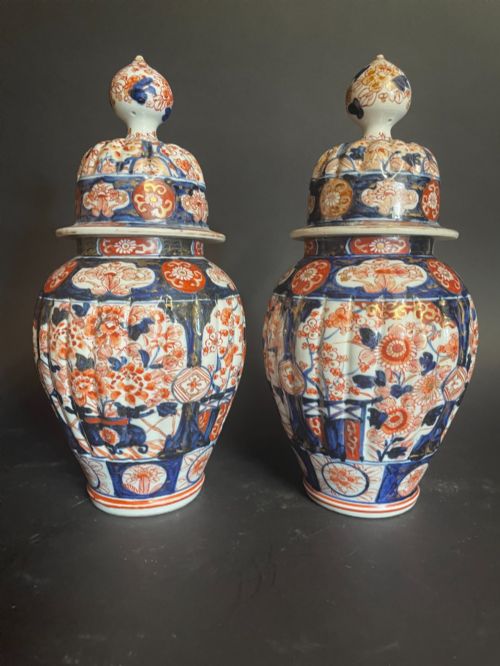
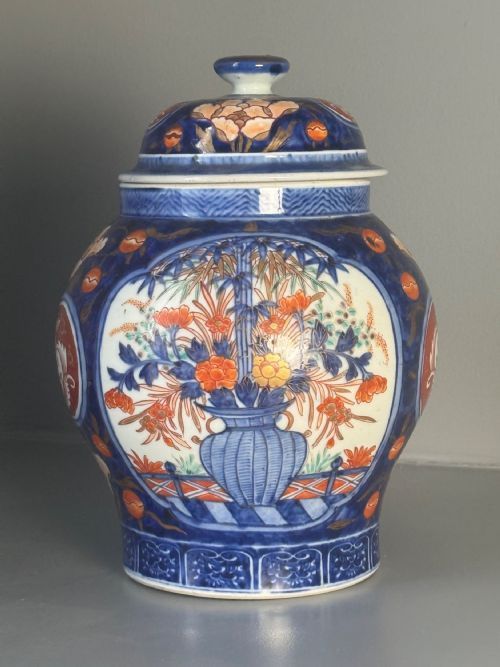
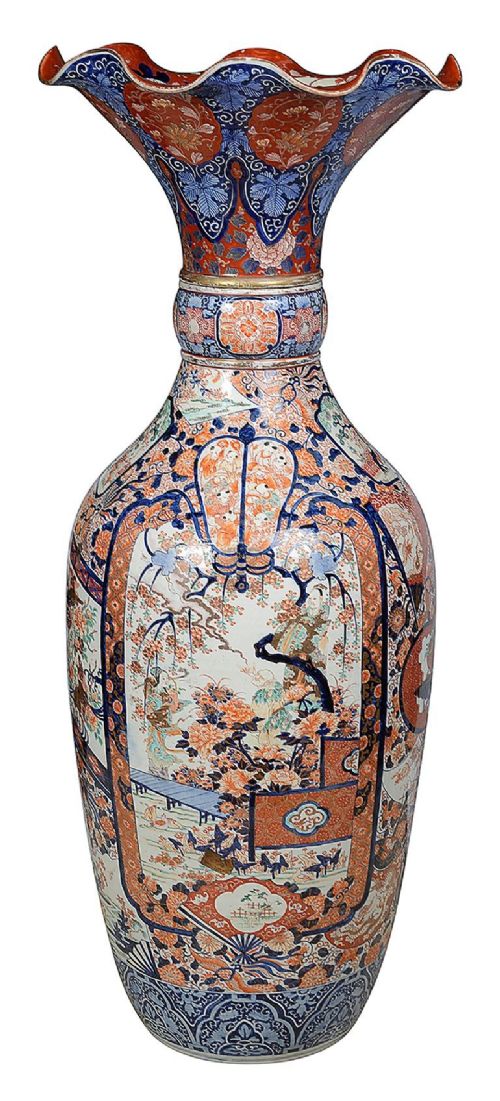
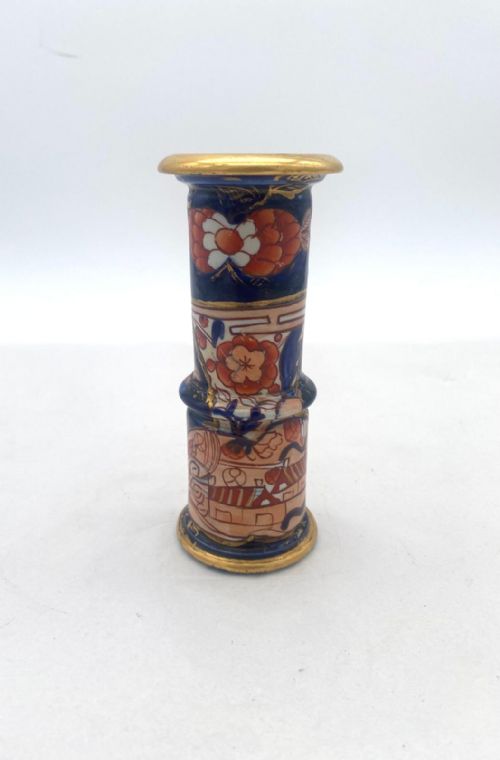
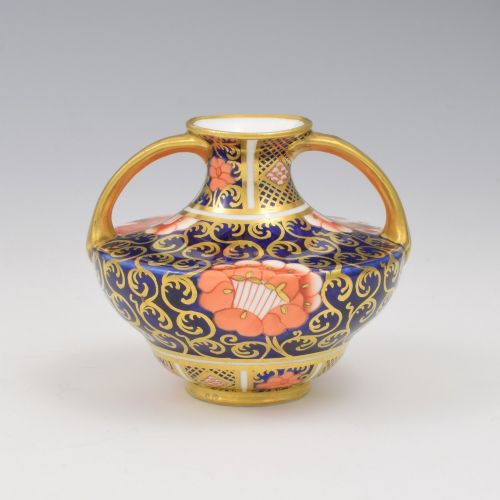
A cobalt blue imari vase typically reflects the aesthetic traditions of the Japanese Edo and Meiji periods, alongside later British interpretations from factories such as Royal Crown Derby. These pieces range from small miniature vessels and bud vases to large floor-standing examples and covered ginger jars.
The aesthetic relies on a distinct palette combining cobalt blue underglaze with iron-red enamel, often accented by gilding and gold leaf. Buyers encounter single items, matched pairs, and larger garnitures designed for mantelpieces or decorative display.
Origins span Japanese production centres like Arita as well as nineteenth-century European responses to the style. The forms vary from traditional baluster shapes and double gourds to octagonal bodies and lidded vessels.
Materials and production methods
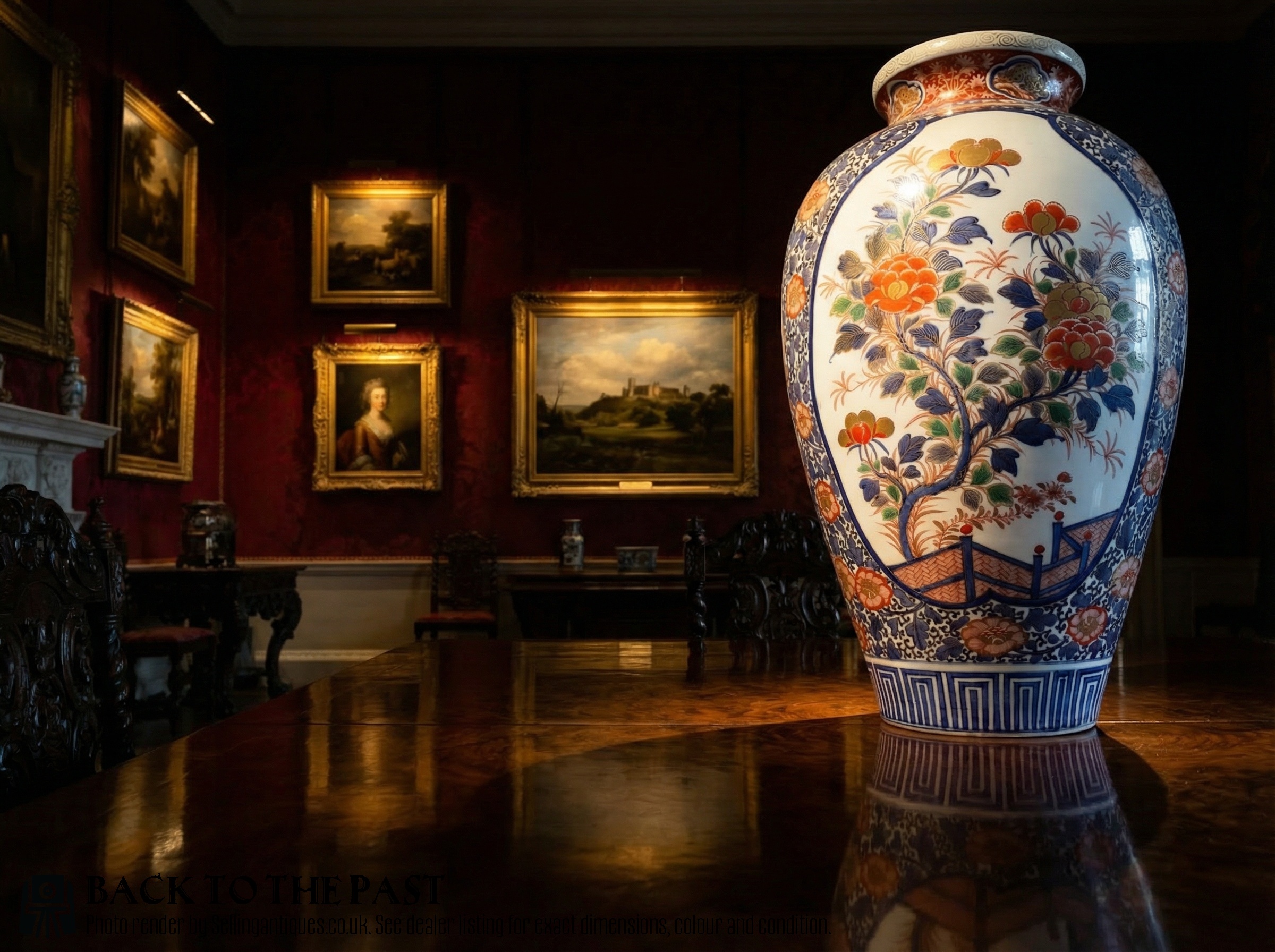
Makers shaped these vessels from ceramic, porcelain, and ironstone, applying a clear glaze over the body before initial firing. Cobalt blue pigment provided the deep underglaze tones, which remained durable beneath the glass-like surface.
Artisans applied iron-red enamel and gold leaf or gilding in subsequent low-temperature firings to build up the intricate patterns characteristic of the style. This multi-stage process required skilled brushwork to coordinate the contrasting pigments and metallic highlights.
Cobalt Blue Imari Vase Retail Price Guide 2026
Typical asking prices for cobalt blue imari vase among the pieces listed under this phrase on Sellingantiques today, from the lower quarter to the upper quarter. They describe what is for sale here now, not the wider market.
Listings feature items spanning the eighteenth through the twentieth centuries, encompassing Japanese export porcelain, Victorian ironstone, and Edwardian bone china.
Factors determining quality
The fineness of the hand-painted detailing and the crispness of the cobalt blue underglaze separate superior examples from standard production. Well-executed pieces show precise control over the enamel layering and secure application of the gilding.
Proportion, balance, and the preservation of the surface decoration across complex forms such as fluted bodies or octagonal balusters indicate the skill of the original workshop.
The Cobalt Blue Imari Vase Glossary
- Imari palette
- A decorative scheme employing cobalt blue, iron-red, and gold on a white ceramic background. This combination originated in Japan and was later copied extensively by European potteries.
- Garniture
- A set of three or more matching vases or jars designed to be displayed together on a mantelpiece or sideboard. These sets often comprise a central vessel flanked by smaller matching pieces.
- Baluster
- A vase shape with a rounded lower body that tapers towards a narrow neck and flares slightly at the rim. This traditional silhouette provides a stable base for detailed surface ornamentation.
- Underglaze
- Pigment applied to a ceramic piece before it receives its final glaze and firing. Cobalt is notable for withstanding the high temperatures required for this technique without losing its colour.
- Meiji Period
- An era in Japanese history spanning from 1868 to 1912, associated with a surge in decorative arts exported to Western markets. Pieces from this time often exhibit elaborate enamel and gilt work.
Cobalt Blue Imari Vase: Frequently Asked Questions
How do I date a Japanese imari vase?
Dating relies on stylistic markers, throwing techniques, and the intensity of the cobalt blue underglaze. Earlier Edo pieces often display heavier bodies and softer pigments, while Meiji examples tend to feature sharper details and brighter iron-red enamels.
Examining the base and glaze pooling provides further clues regarding the manufacturing period and the workshop traditions involved.
What is the difference between Japanese and English imari?
Japanese imari generally originated in Arita and dates from the Edo or Meiji periods, utilising local porcelain traditions and specific mineral pigments. English imari pieces were produced by factories like Royal Crown Derby during the nineteenth and early twentieth centuries, adapting the aesthetic for European tastes.
English interpretations frequently incorporate specific pattern numbers and bone china bodies rather than traditional Japanese porcelain recipes.
How should I display a floor standing vase?
A large floor-standing vase requires a stable, flat surface away from high-traffic walkways to prevent accidental knocks. Placing the piece in a corner or on a dedicated stand allows the height and surface decoration to be viewed without obstruction.
Ensure the surrounding lighting highlights the interplay between the cobalt blue and the gilded accents.