



Cobalt Blue Earthenware Dish
A cobalt blue earthenware dish brings rich cobalt pigment and tin glaze together in charger, plate, and platter forms spanning multiple centuries.
Cobalt Blue Earthenware Dish
When you search for a cobalt blue earthenware dish, you find a range of ceramics including decorative plates, serving platters, chargers, and serving bowls. These pieces cross centuries of production, appearing in seventeenth, eighteenth, and nineteenth century formats.
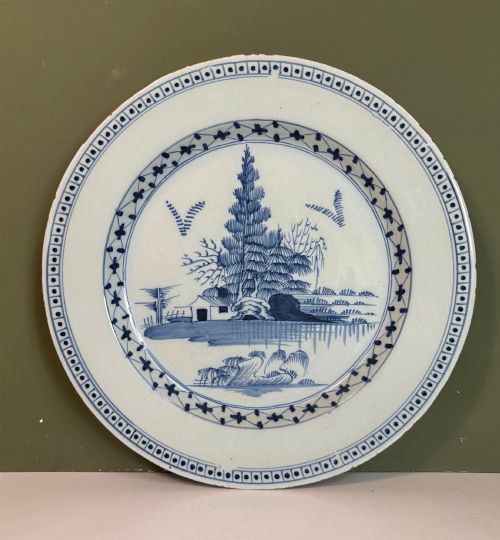
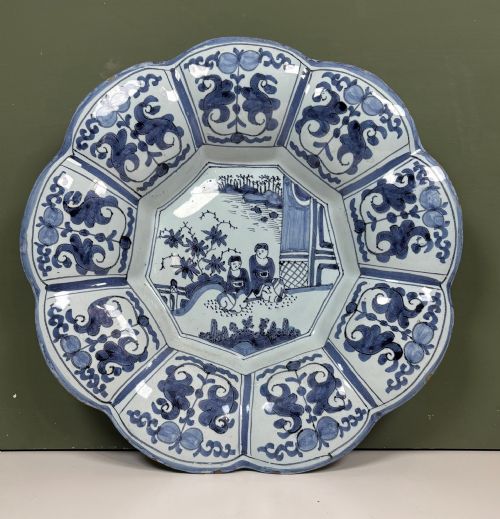
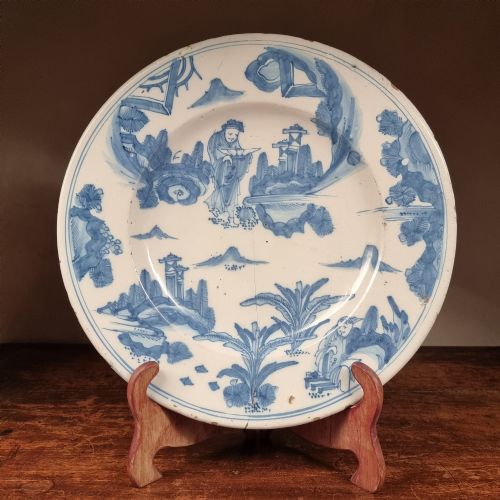
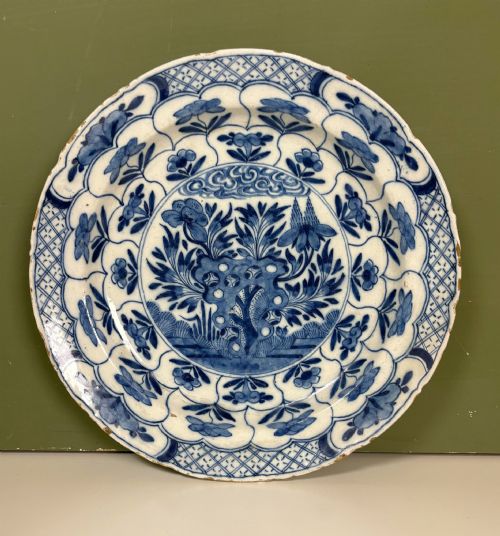
The most common examples on this page are eighteenth century delft chargers and plates, alongside nineteenth century transferware platters. English and continental workshops produced these items for domestic use and display, resulting in durable earthenware bodies.
Forms vary from shallow bowls and flat plates to deep chargers and vegetable tureens. Each piece reflects the functional and decorative demands of its period, utilising earthenware and ceramic construction.
How They Were Made
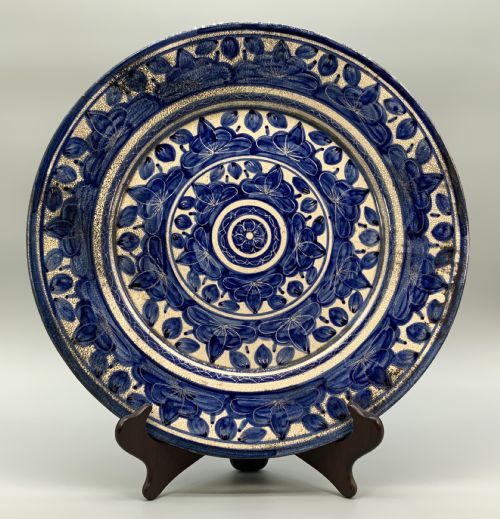
Potters shaped local clays into earthenware bodies before applying white tin glaze to create an opaque surface for decoration. Cobalt oxide pigment was then painted directly onto this unfired or low fired glaze, reacting during kiln firing to produce deep blue tones.
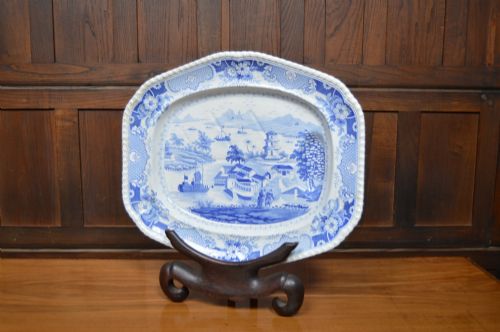
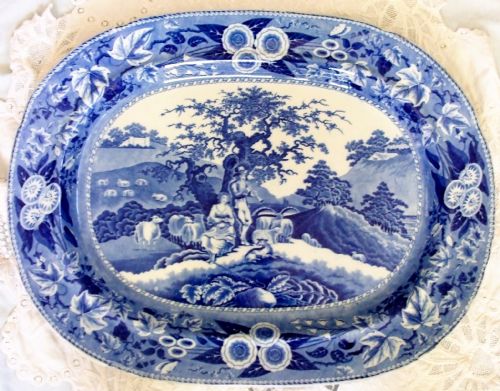
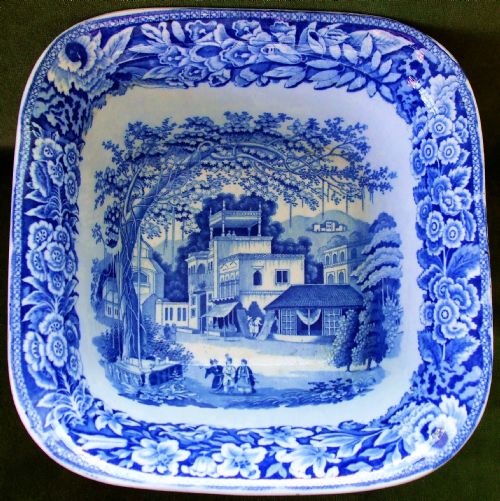
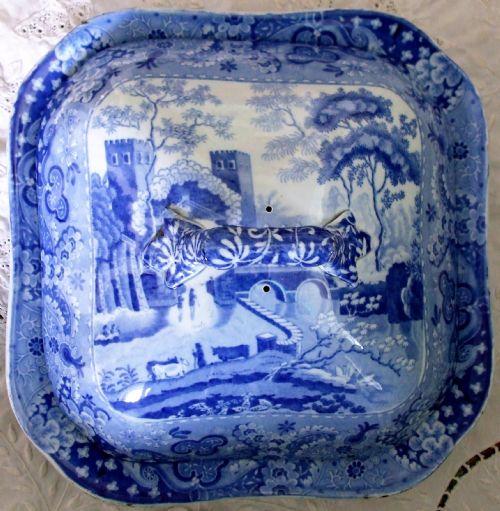
Later nineteenth century production utilised transfer printing techniques, applying engraved paper patterns onto ceramic surfaces. This allowed intricate pictorial scenes, such as pastoral landscapes and architectural views, to be transferred onto plates and meat platters prior to glazing.
Listings feature earthenware and ceramic pieces decorated with cobalt pigment and tin glaze across the seventeenth, eighteenth, and nineteenth centuries.
What Varies in Quality
The clarity and depth of the cobalt pigment dictate visual success, with well controlled painting yielding sharp details against the white glaze. Firing consistency also separates pieces, as uneven kiln temperatures can dull the glaze or blur transfer printed lines.
Form and scale influence distinction, particularly in large chargers and specialised vessels like tureens or cheese domes. Heavier potting and crisper moulding distinguish superior examples from standard utilitarian wares.
J. & R. Riley·J. & R. Clews·Minton·Spode·Thomas Forester & Sons
The Cobalt Blue Earthenware Dish Glossary
- Earthenware
- Porous pottery fired at lower temperatures than stoneware or porcelain. It requires a glaze, such as tin glaze, to hold liquids.
- Tin Glaze
- An opaque white glaze containing tin oxide applied to earthenware bodies. It provides a smooth canvas for cobalt blue painting.
- Cobalt Pigment
- A metallic oxide used to create deep blue decoration on ceramics. It withstands high kiln temperatures without losing colour.
- Charger
- A large decorative plate designed for display on walls or sideboards rather than everyday dining use. They frequently feature hand-painted delft designs.
- Transferware
- Pottery decorated by pressing a printed paper design from an engraved copper plate onto the ceramic body. This technique enabled uniform pictorial patterns on nineteenth century plates and platters.
Cobalt Blue Earthenware Dish: Frequently Asked Questions
How do I clean a delft charger?
Dust these pieces gently with a soft, dry cloth to remove surface particles.
Avoid immersing antique earthenware in water, as moisture can penetrate porous bodies and historic glazes.
Were chargers used for dining?
Large chargers served primarily as decorative display items on walls or tables during earlier centuries.
Smaller plates and meat platters fulfilled active roles in food service.
How do I date a blue and white plate?
Examine the base fabric, glaze characteristics, and decorative style to determine the manufacturing period.
Transfer printed scenes often point towards nineteenth century production, while hand-painted tin-glazed surfaces typically indicate eighteenth century origins.
Can I use these platters for food?
Historic ceramic pieces with historic glazes are best preserved for display rather than daily culinary use.
Surface wear and porous earthenware bodies make modern food service impractical for antique items.