


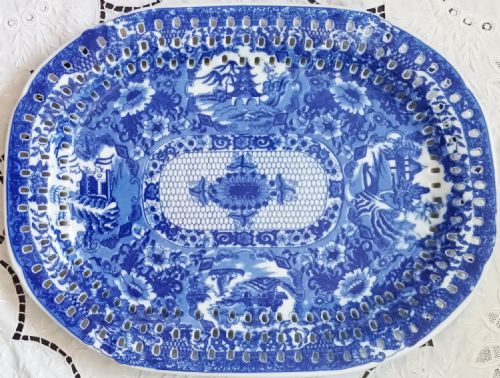


Chinoiserie Pattern Dish
A chinoiserie pattern dish brings together European forms and imagined Eastern motifs, offering a glimpse into centuries of design history.
Chinoiserie Pattern Dish
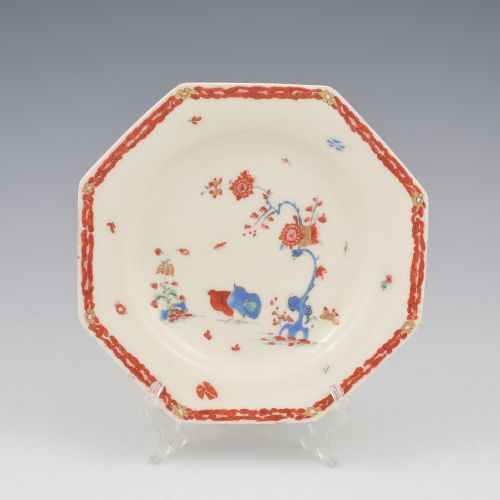
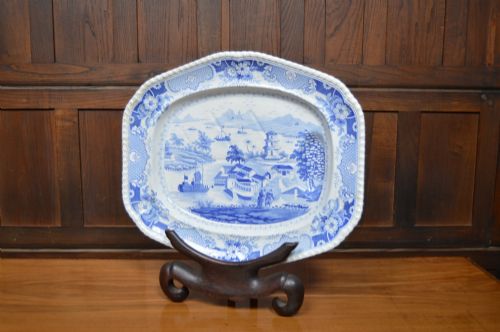
When searching for a chinoiserie pattern dish, collectors encounter plates, platters, tureens, and pickle dishes decorated with scenic landscapes, pagodas, and exotic birds. These objects span the eighteenth, nineteenth, and early twentieth centuries, moving through Georgian, Victorian, and Edwardian periods.
The selection ranges from early soft-paste porcelain and pearlware to robust ironstone and earthenware. Makers applied these decorative motifs to everyday serving pieces as well as fine cabinet ceramics.
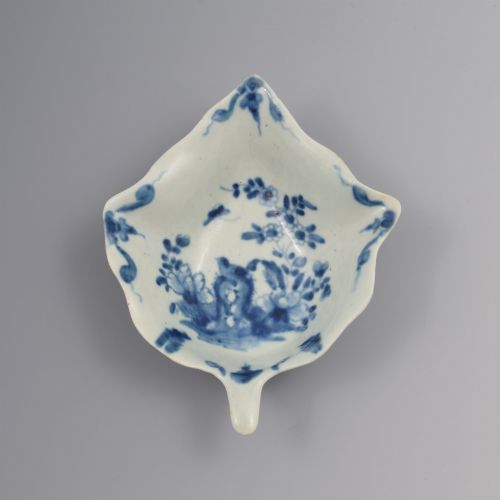
Forms vary from delicate leaf-shaped pickle trays to large chargers and meat platters. Each piece reflects the enduring British fascination with imported Chinese aesthetics translated through domestic kilns.
Materials and Manufacture
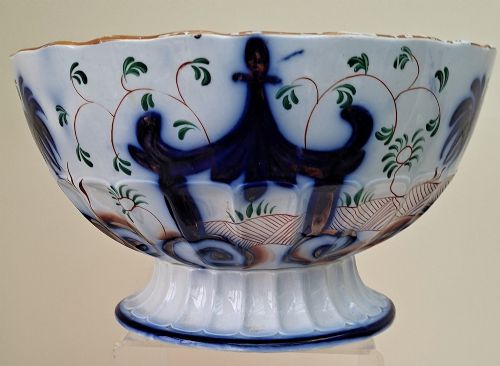
Potters utilised soft-paste porcelain, earthenware, pearlware, and ironstone as the base bodies for these tablewares. Early eighteenth-century examples relied on delicate porcelain compositions, while later nineteenth-century production favoured durable ironstone and stoneware.
Decoration was applied using blue and white transfer printing, hand-painted enamels, and sometimes gold leaf highlights. Glazes varied from clear tin-glazes on delftware to bright enamel washes over transfer-printed outlines.
Chinoiserie Pattern Dish Retail Price Guide 2026
Typical asking prices for chinoiserie pattern dish among the pieces listed under this phrase on Sellingantiques today, from the lower quarter to the upper quarter. They describe what is for sale here now, not the wider market.
Listings feature earthenware, ironstone, and porcelain across Georgian and Victorian periods.
Judging Quality and Execution
Quality rests in the crispness of the transfer print or the brushwork control within the painted motifs. Superior pieces show precise registration, balanced composition, and clean glazing without heavy firing flaws.
The choice of body material also dictates standard, where fine translucent porcelain and heavy, well-moulded ironstone with rich polychrome enamels represent the higher tiers of production.
Dr Wall Worcester·Mason·John Ridgway·Minton·Swansea
The Chinoiserie Pattern Dish Glossary
- Ironstone
- A dense, durable type of earthenware patented in the nineteenth century. It provided a strong ceramic body suitable for heavy kitchen and dining use.
- Transferware
- Pottery decorated by applying a printed design from a copper plate onto paper, then transferring it to the ceramic body before glazing. This technique allowed intricate patterns to be produced consistently.
- Soft-paste porcelain
- An artificial porcelain compound fired at lower temperatures than hard-paste porcelain. It was widely used by eighteenth-century English factories before true hard-paste bodies became common.
- Tureen
- A deep covered serving vessel used for soups, sauces, or vegetables. These items often match smaller plates and platters within larger dinner services.
- Kakiemon
- A style of Japanese enamelled porcelain decoration featuring asymmetrical motifs of birds and flowers. English factories frequently copied these palettes on early plates.
Chinoiserie Pattern Dish: Frequently Asked Questions
How do I identify eighteenth-century pieces?
Eighteenth-century examples typically utilise soft-paste porcelain, early earthenware, or pearlware bodies with hand-painted or delicate transfer-printed motifs. They often lack factory marks, relying instead on characteristic paste textures and glaze pooling.
Examining the foot rim and the translucency under a strong light helps distinguish these early items from later nineteenth-century ironstone reproductions.
What is the difference between ironstone and porcelain?
Ironstone is a heavy, opaque, and highly durable earthenware developed to withstand daily dining demands. Porcelain is finer, more vitreous, and often translucent even in thicker sections.
While porcelain feels delicate and rings when struck gently, ironstone offers a robust weight and greater resistance to chipping.
Can these dishes be used for dining?
Most antique pieces function well for display or light serving rather than heavy daily use. Older glazes can be susceptible to staining from modern foods, and antique earthenware may craze over time.
Gentle hand washing preserves the painted enamels and gold leaf highlights found on many Victorian and Georgian examples.
Why do some patterns feature pagodas?
Pagodas and exotic landscapes formed part of the European romanticised interpretation of East Asian art during the eighteenth and nineteenth centuries. Potters borrowed these architectural and natural elements to create escapist fantasy scenes.
This aesthetic, known as chinoiserie, influenced everything from wallpaper to transfer-printed tableware.