



English Chinoiserie Pottery
English chinoiserie pottery brings together 18th-century delftware, creamware, and ironstone decorated with oriental scenes that collectors prize for domestic display.
English Chinoiserie Pottery
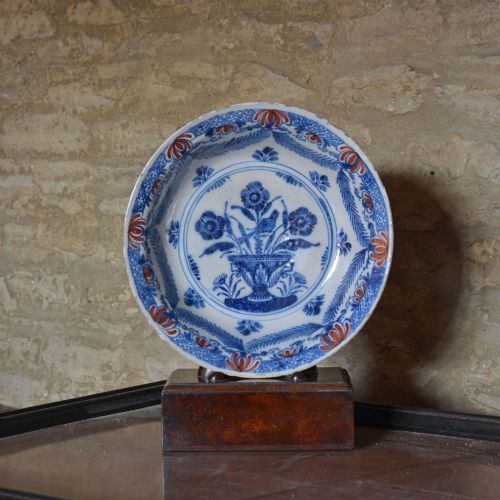
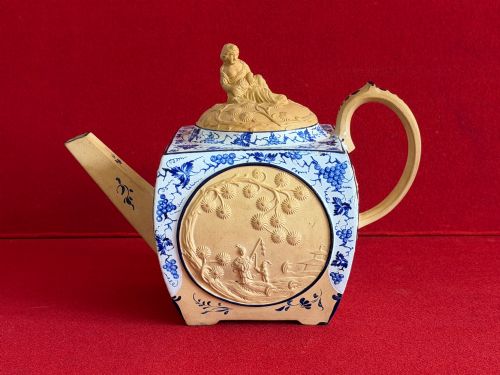
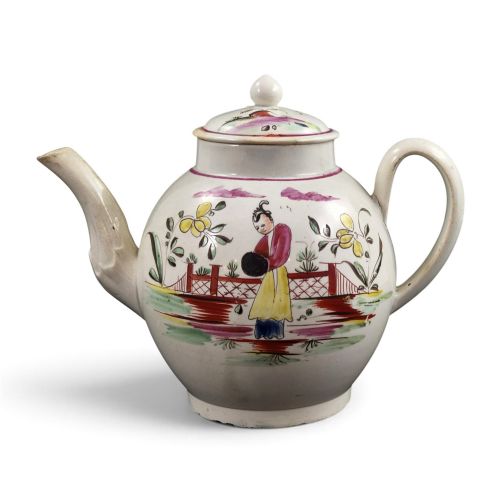
When you examine English chinoiserie pottery, you encounter items shaped for the table and display, ranging from plates and serving dishes to teapots, bowls, and vases. The domestic interior of the Georgian and Regency periods embraced these Asian-inspired motifs on everyday ceramics.
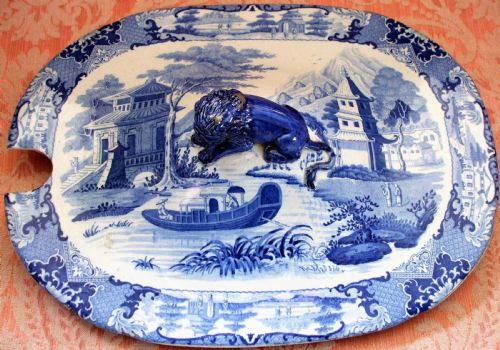
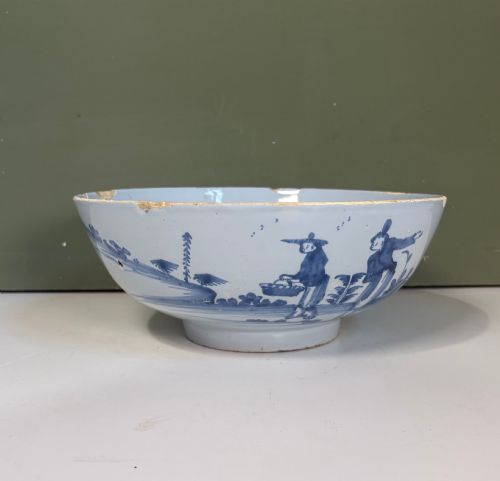
You are most likely to meet tin-glazed earthenware from the 18th century alongside transfer-printed ironstone from the 19th century. These wares record changing British interpretations of Chinese landscapes, rivers, and pagodas across centuries of production.
How they were made
Potters built these vessels using earthenware, creamware, pearlware, and ironstone, applying glazes that created smooth surfaces for painted or printed decoration. Workshops utilised tin glaze on delftware pieces, while later manufacturers developed durable ironstone bodies.
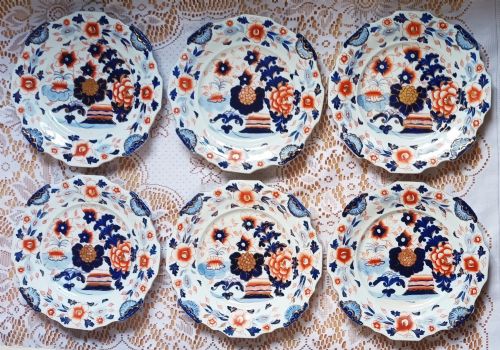
Decorators applied pigments by hand in polychrome or used blue and white transfer printing to transfer intricate scenes onto the clay body. Gold leaf and enamel additions sometimes enhanced the surface before final firing.
English Chinoiserie Pottery Retail Price Guide 2026
Typical asking prices for english chinoiserie pottery among the pieces listed under this phrase on Sellingantiques today, from the lower quarter to the upper quarter. They describe what is for sale here now, not the wider market.
Elephants and exotic birds occasionally wander across 19th-century ironstone platters, proving that British potters enjoyed imaginative geography.
What varies in quality
The standard of a piece rests upon the crispness of the transfer print or the confidence of the hand-painted brushwork. Superior items display sharp details in complex motifs such as river scenes or exotic birds.
The depth of the glaze and the refinement of the ceramic body also determine the standing of an object. Heavier ironstone jugs and chargers sit alongside delicate creamware teapots, each judged by the precision of its manufacture.
Robert Hamilton·John Ridgway·Miles Mason·John Rogers and Son·Davenport
The English Chinoiserie Pottery Glossary
- Ironstone
- A patented ceramic body invented in the 19th century that offered exceptional durability. It formed the heavy ground for transfer-printed oriental patterns.
- Pearlware
- A refined earthenware developed in the late 18th century featuring a subtle bluish glaze that pooled in recesses to mimic Chinese porcelain.
- Transfer printing
- A mechanical decoration technique that applied engraved paper patterns to pottery surfaces. It allowed complex blue and white scenes to be replicated consistently.
- Chager
- A large decorative plate or dish intended for display on a sideboard or wall rather than for serving food at the table.
English Chinoiserie Pottery: Frequently Asked Questions
How do I date early delft plates?
Eighteenth-century English delft plates display tin glazes with distinct tonal variations and hand-painted motifs characteristic of workshops in Lambeth or Bristol. Examining the footrim and glaze pooling helps determine the period of manufacture.
Makers working before 1800 relied on raw material mixtures that left characteristic traces on the underside of each charger or dish.
What is ironstone china?
Ironstone is a dense, robust ceramic body patented in the 19th century to withstand heavy domestic use. Manufacturers used it to create durable plates, vases, and cheese dishes.
This material accepted transfer-printed patterns like pagoda and oriental scenes with great clarity, remaining popular through the Victorian era.
How were chinoiserie motifs used?
Potters applied imaginary Chinese landscapes, river scenes, and pagodas to teapots, bowls, and serving dishes to satisfy British demand for Eastern aesthetics. These designs reflected contemporary European ideas of Asian art.
Domestic items transformed everyday dining tables into displays of exotic travel and imaginative geography.
Are creamware and pearlware different?
Creamware is a light earthenware with a warm yellowish tone developed during the Georgian period. Pearlware uses a similar body with a slightly bluish glaze designed to resemble porcelain.
Both materials provided smooth grounds for the hand-painted and printed chinoiserie decoration found on 18th-century teapots and plates.