


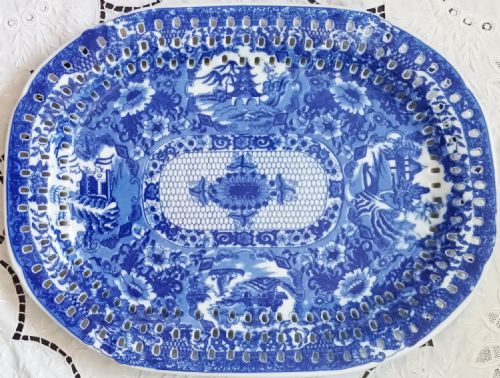


Georgian Pearlware Dish
A georgian pearlware dish brings the refined blue and white transfer designs of the Regency era directly to the table.
Georgian Pearlware Dish
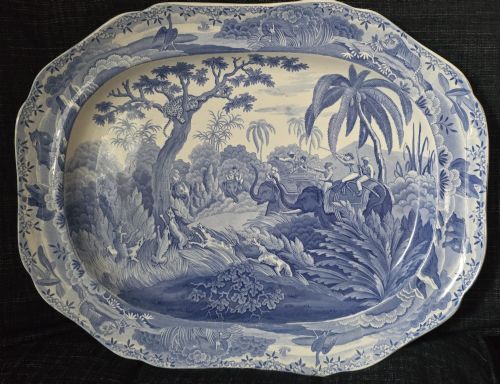
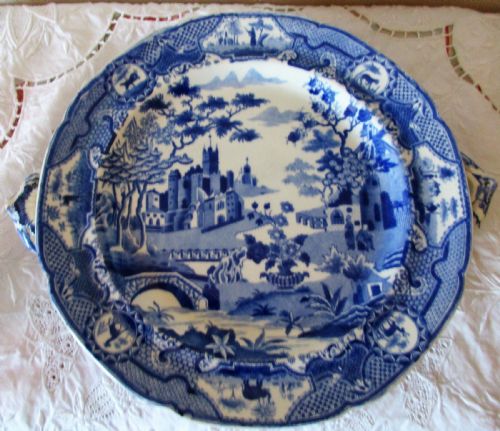
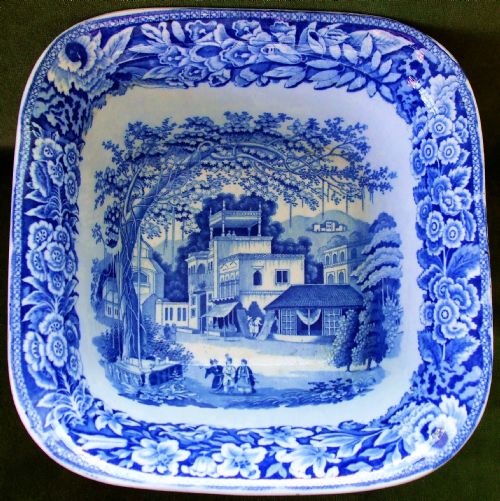
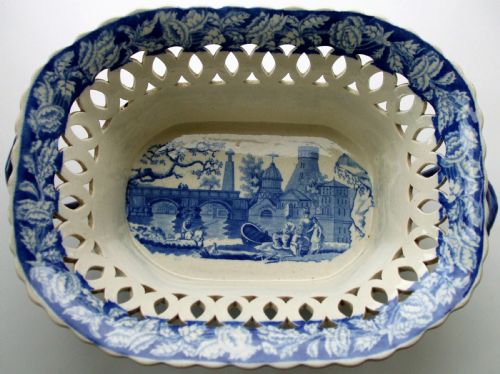
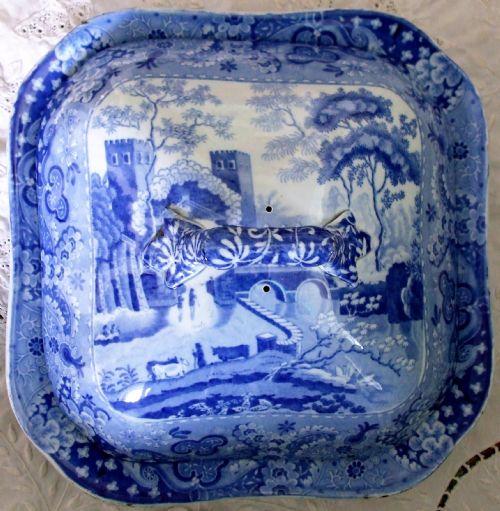
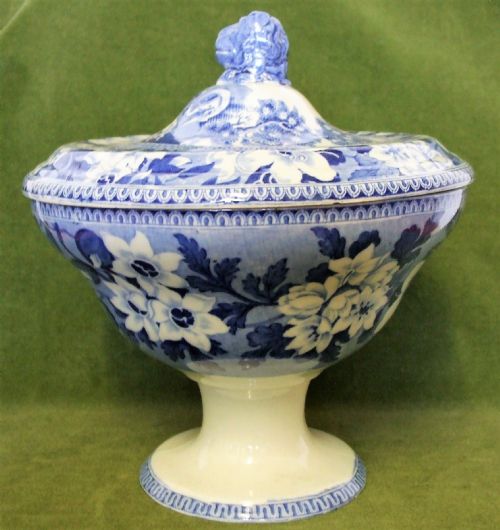
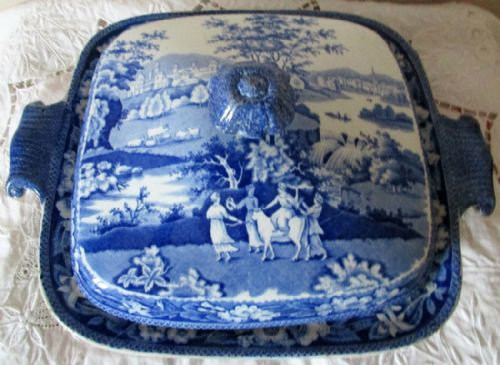
A georgian pearlware dish encompasses a wide variety of utilitarian and decorative ceramic forms produced during the late eighteenth and early nineteenth centuries. Buyers encounter platters, serving dishes, tureens, sauce tureen stands, vegetable tureens, bread stands, spoon trays, comports, and plates featuring distinct pottery shapes.
The objects stem predominantly from the Georgian and Regency periods, stretching into the nineteenth century. Makers applied intricate blue and white transfer printing alongside hand-painted polychrome enamel details to create functional tableware for domestic dining.
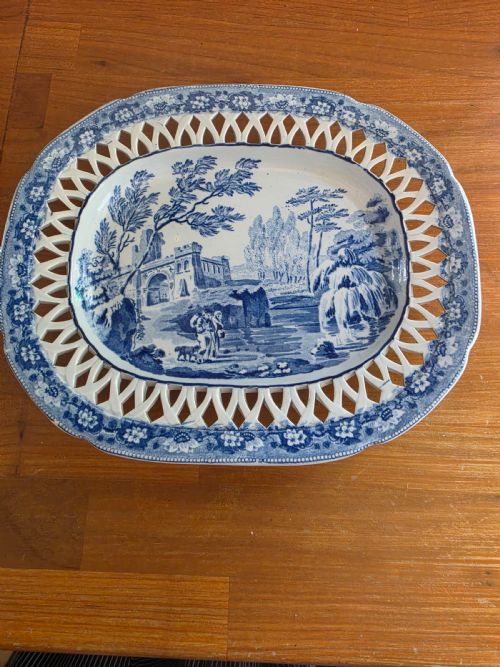
Examples range from botanical plates and leaf-shape pickle dishes to large serving platters bearing topographical views, classical ruins, and Chinoiserie scenes. Many pieces exhibit refined forms such as pierced borders, tazzas, and chestnut baskets intended for elaborate table service.
How they were made
Potters shaped earthenware bodies and applied a characteristic glaze containing a small amount of cobalt to produce the subtle bluish tint distinctive to pearlware. Artisans then decorated the ceramic surface using engraved copper plates to transfer blue pigment designs onto the biscuit or glazed body.
Workers utilised cobalt glaze and cobalt pigment alongside enamel highlights to render complex patterns such as floral borders, landscapes, and pictorial narratives. Firing took place in ceramic kilns to fuse the transfer prints beneath the protective transparent glaze layer.
Georgian Pearlware Dish Retail Price Guide 2026
Typical asking prices for georgian pearlware dish among the pieces listed under this phrase on Sellingantiques today, from the lower quarter to the upper quarter. They describe what is for sale here now, not the wider market.
Listings feature earthenware materials decorated with cobalt glaze, enamel, and transfer printing across the 19th Century, Georgian, and Regency periods.
What varies in quality
The crispness of the transfer printing defines the visual success of a piece, with finely etched lines separating sophisticated pictorial depth from blurred or smudged patterns. The subtlety of the blue pigment application and the evenness of the pale pearl-toned glaze dictate the overall aesthetic balance.
Elaborate moulded or pierced forms, such as fretted rims, handled chestnut baskets, and tripod tazzas, demand advanced potting skill compared to standard flat plates. The presence of documented maker signatures or named topographical and narrative scenes adds significantly to the historical scope of individual pieces.
Davenport·Spode·J. & R. Clews·J. & R. Riley·John Rogers & Son·Stubbs·Pettys & Co. Leeds·William Adams·Thomas Lakin·Brameld & Co.·Don Pottery·Ridgway
The Georgian Pearlware Dish Glossary
- Pearlware
- A refined earthenware developed to rival Chinese porcelain by incorporating a bluish glaze over a whitish ceramic body. This innovation gave Staffordshire and Yorkshire pottery its characteristic cool tone.
- Transfer printing
- A decoration technique where an engraved copper plate applied an ink design onto tissue paper, which was then transferred onto the ceramic surface before firing. It allowed factories to produce intricate pictorial scenes consistently.
- Tureen
- A deep covered vessel used for serving soups, sauces, or vegetables at the dining table. These large service pieces often sat upon matching ceramic stands.
- Comport
- A raised serving dish or pedestal bowl utilised for presenting fruit or sweetmeats during formal courses. They elevate the arrangement above the surface of the dining table.
- Chinoiserie
- A European artistic style reflecting Chinese aesthetic motifs, featuring imaginary oriental landscapes, pagodas, and figures. Potters frequently employed these exotic themes on transfer-printed tableware.
Georgian Pearlware Dish: Frequently Asked Questions
What is a pearlware dish?
A pearlware dish is an antique ceramic piece created during the Georgian and Regency periods using a refined earthenware body with a pale bluish glaze. These items span various functional forms from flat plates to deep serving platters.
Potters decorated these wares using transfer printing and hand painting, frequently featuring blue and white landscape or botanical motifs.
How were these dishes used?
These ceramic items served practical roles in nineteenth-century dining, ranging from everyday food service to formal table presentation. Platters held meats, while tureens contained soups and vegetables.
Smaller vessels like spoon trays and pickle dishes accommodated specialised condiments and cutlery during elaborate meals.
How do I date a dish?
Dating relies on stylistic markers, pottery bodies, and factory backstamps or impressed marks associated with known historical makers. Pieces from the late eighteenth century typically show lighter bodies and specific blue tones.
Archival pattern names and topographical subject matter also help narrow the production window to specific decades.
Can I use them daily?
Antique ceramic tableware requires careful handling due to age, potential glaze crazing, and historical delicacy. Collectors generally reserve these pieces for display or gentle domestic use rather than heavy daily service.
Hand washing without harsh detergents helps preserve the delicate transfer-printed surfaces and earthenware bodies.