

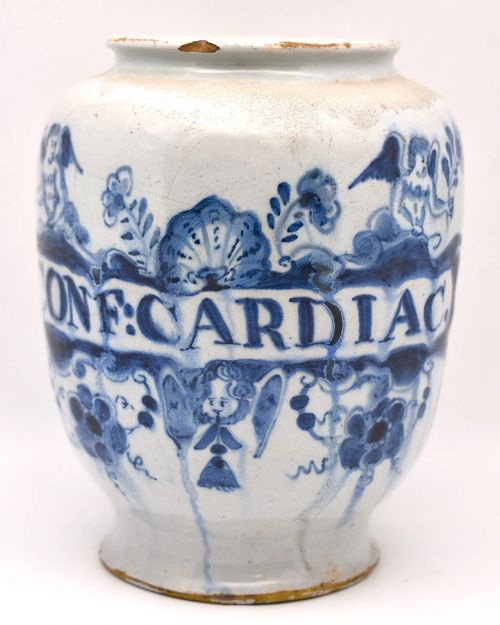


Cobalt Blue Delftware
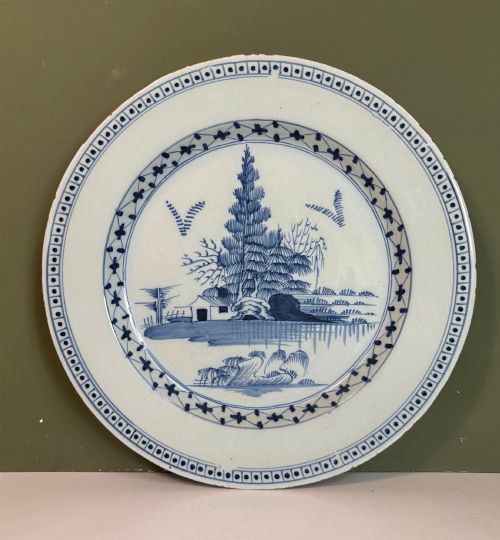
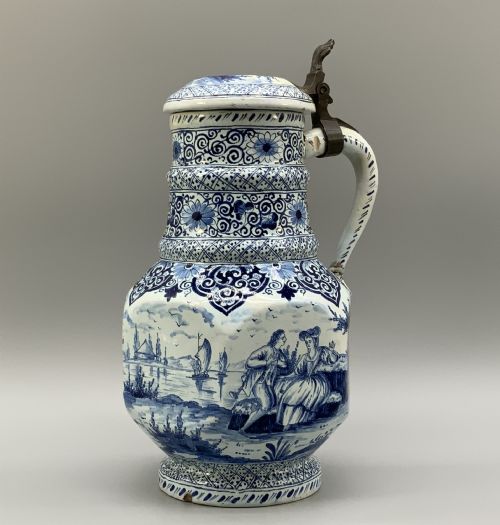
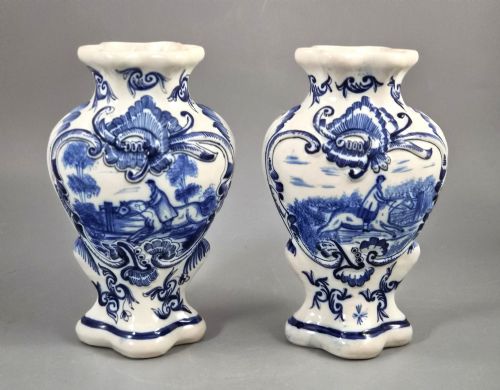
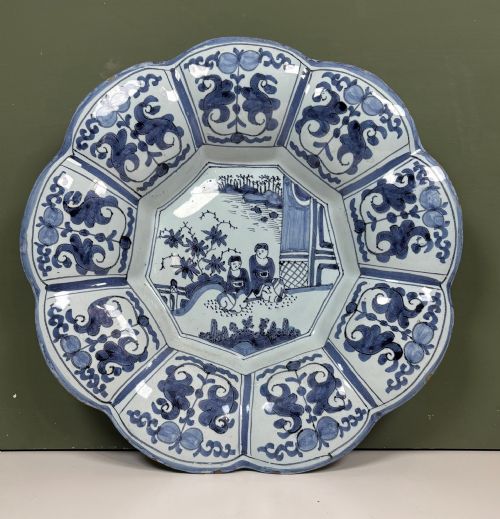
Cobalt blue delftware comprises tin-glazed ceramic chargers, plates, jars and jugs painted in rich blue pigments.
Cobalt Blue Delftware
When you search for cobalt blue delftware, you look at decorative plates, chargers, bowls, tiles and apothecary vessels originating from diverse periods. The pieces on this page span the seventeenth, eighteenth and nineteenth centuries, alongside mid twentieth-century examples.
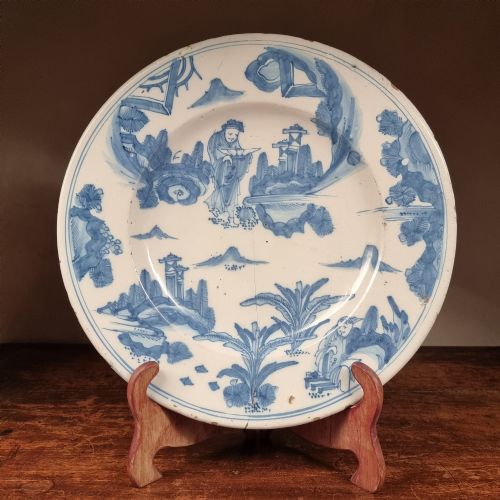
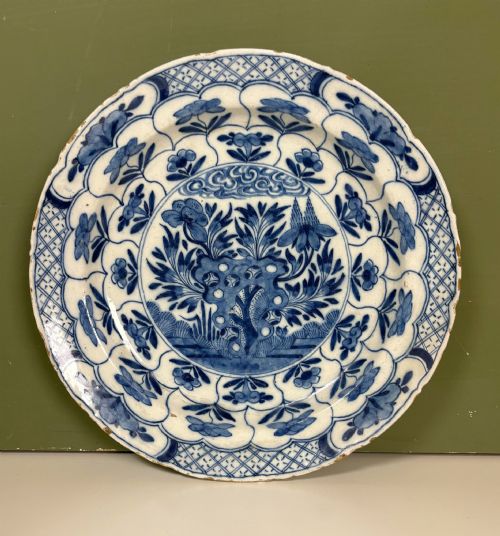
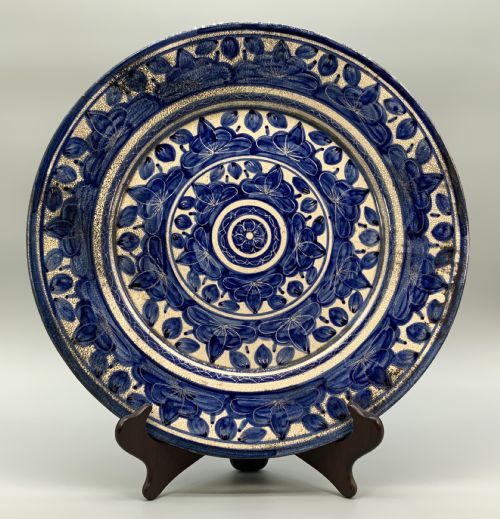
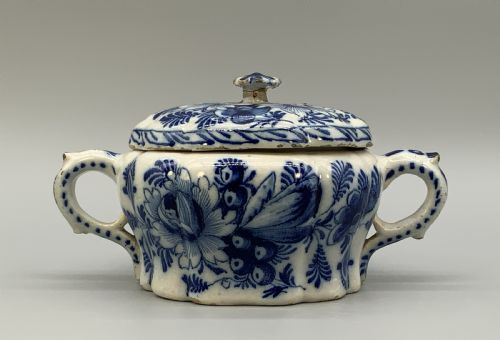
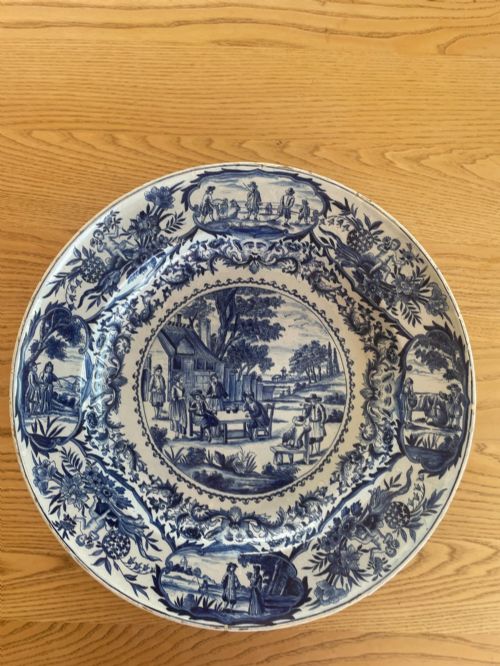
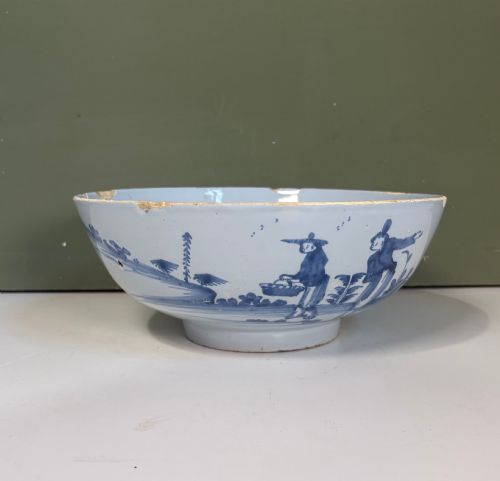
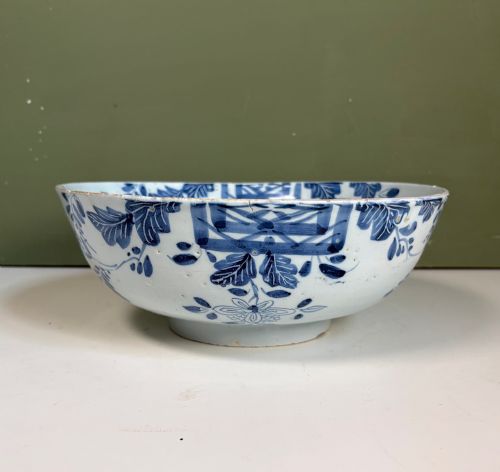
English and Dutch workshops dominate the forms, capturing styles from seventeenth-century Dutch baroque to eighteenth-century delftware and Moorish influences. Chargers and plates appear most frequently, accompanied by posset pots, drug jars and tiles.
How they were made
Potters shaped earthenware bodies and coated them in tin glaze to create a white opaque surface suited for painting. Artisans applied cobalt oxide pigments directly onto this unfired or low-fired glaze before the final kiln firing.
The chemical reaction between the cobalt pigment and the tin glaze during firing produced the characteristic deep blue motifs, ranging from floral patterns to figurative scenes.
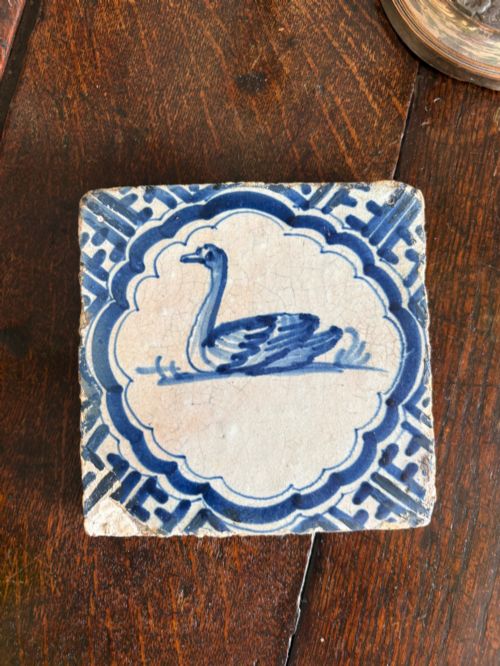
A seventeenth-century tile manages to capture the elegant profile of a swimming swan in simple blue paint.
What varies in quality
Quality rests upon the crispness of the cobalt painting and the depth of the tin glaze applied over the earthenware body. Hand-painted motifs with careful brushwork distinguish finer chargers, plates and drug jars from simpler utility wares.
The complexity of the form and design, such as elaborate floral arrangements or detailed historical scenes on large chargers, separates standard items from exceptional collector pieces.
Fourmaintraux Courquin·Lambeth Pottery
The Cobalt Blue Delftware Glossary
- Tin Glaze
- An opaque white ceramic glaze containing tin oxide. This surface provides the pale background necessary for blue cobalt painting.
- Charger
- A large decorative plate intended for display rather than dining. These expansive surfaces often showcase elaborate painted scenes.
- Posset Pot
- A two-handled ceramic vessel used for serving a traditional hot drink made of curdled milk and wine. They frequently feature lids and detailed floral decoration.
- Drug Jar
- An apothecary container utilised for storing medicinal substances and dry drugs. They typically bear painted labels indicating their contents.
- Kraak Plate
- A type of imported or inspired ceramic plate featuring compartmentalised panel designs. These patterns draw from late Ming dynasty porcelain aesthetics.
Cobalt Blue Delftware: Frequently Asked Questions
What is cobalt blue delftware?
Cobalt blue delftware consists of tin-glazed earthenware ceramics decorated with blue oxide pigments. These objects include decorative plates, chargers, bowls, jars and tiles.
Potters across England and continental Europe produced these items primarily during the seventeenth, eighteenth and nineteenth centuries.
How were chargers used?
Large chargers served mainly as decorative wall hangings or table display pieces rather than everyday tableware. Their wide rims provided an ideal canvas for intricate painted landscapes and floral motifs.
Wealthy households used them to showcase fine craftsmanship in principal rooms.
How do I date antique delftware?
Dating relies on analysing the ceramic body, glaze characteristics, painting style and recorded workshop marks. Seventeenth-century pieces often display thicker tin glazes and distinct compositional layouts compared to later items.
Specific forms like drug jars and posset pots also carry stylistic clues tied to particular decades.
How do I care for tin-glazed earthenware?
Tin-glazed earthenware requires gentle handling because the ceramic body beneath the soft glaze is porous. Keep pieces away from excessive moisture and sudden temperature changes to protect the glaze surface.
Dust them softly with a dry cloth rather than washing them with water.