

Cobalt Blue Decorative Urn
A cobalt blue decorative urn brings deep, rich colour and commanding presence to any room through centuries of skilled ceramic artistry.
Cobalt Blue Decorative Urn
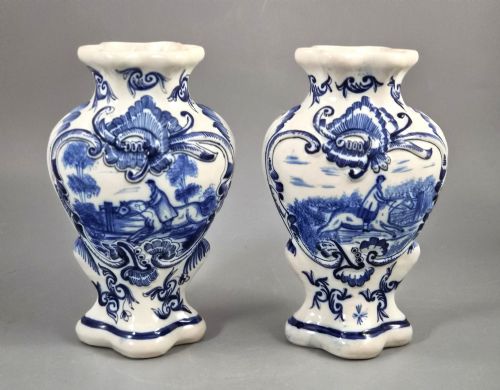
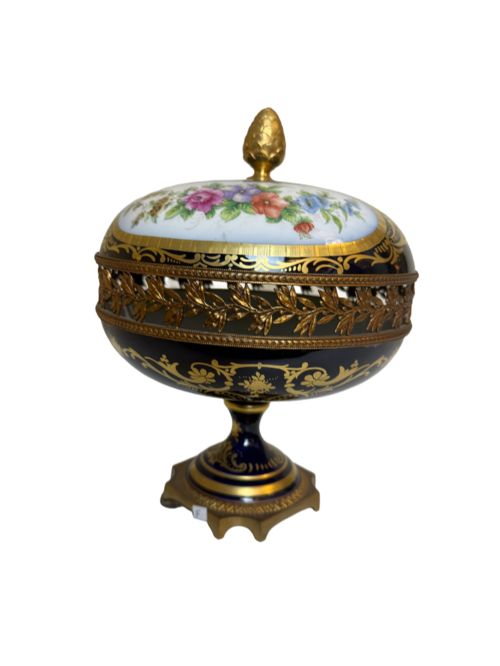
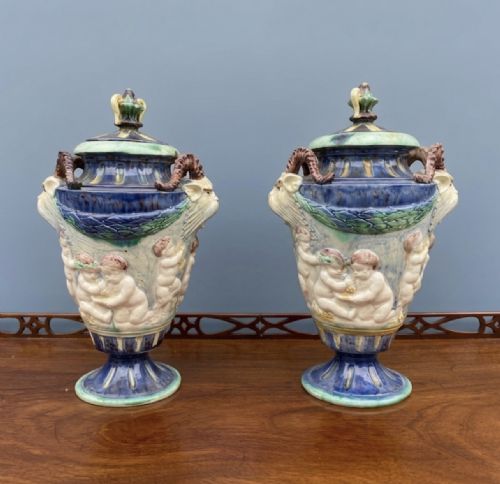
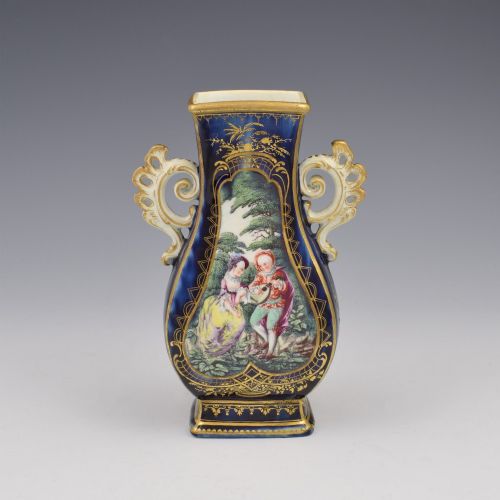
A cobalt blue decorative urn is a vessel created primarily for display rather than utility, shaped from ceramic, porcelain, earthenware or glass. These pieces span the eighteenth, nineteenth and early twentieth centuries, drawing from English, French and Japanese traditions.
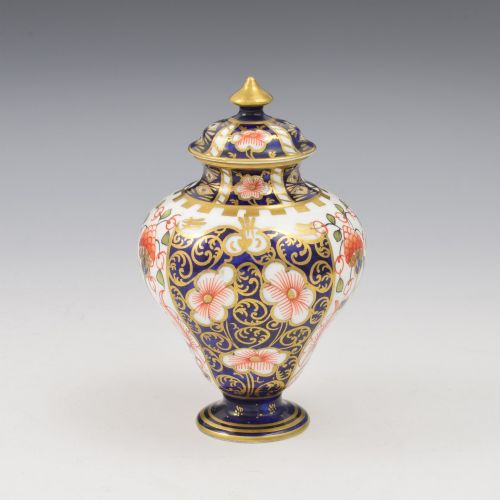
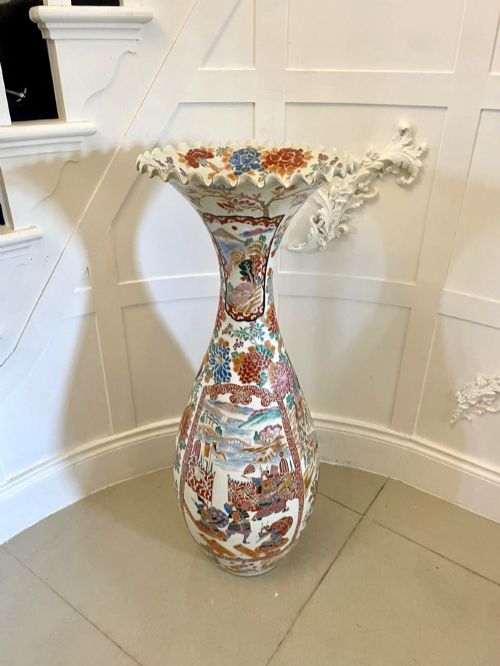
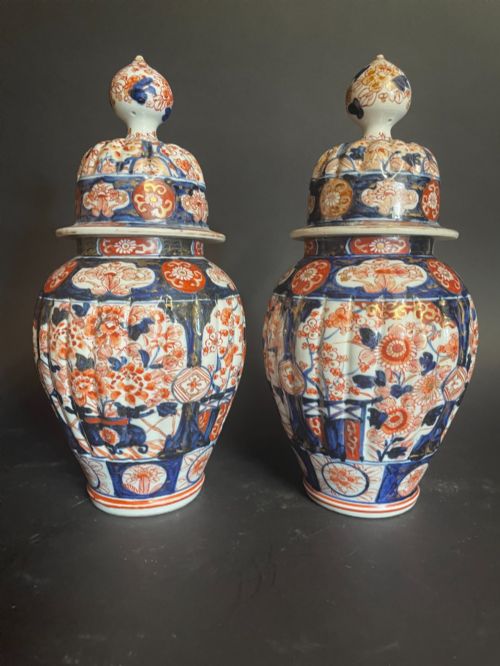
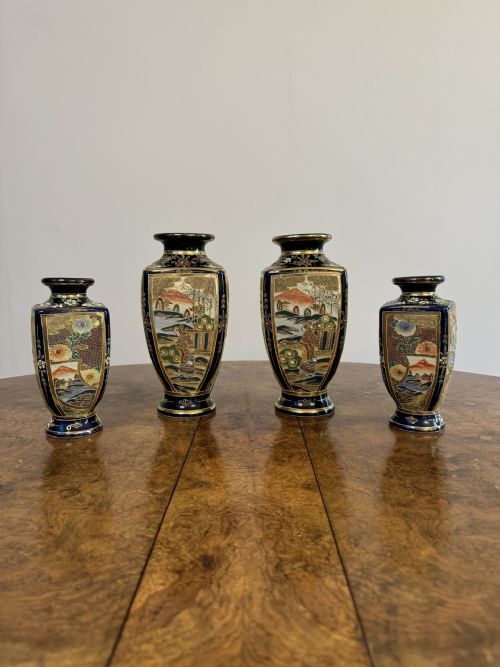
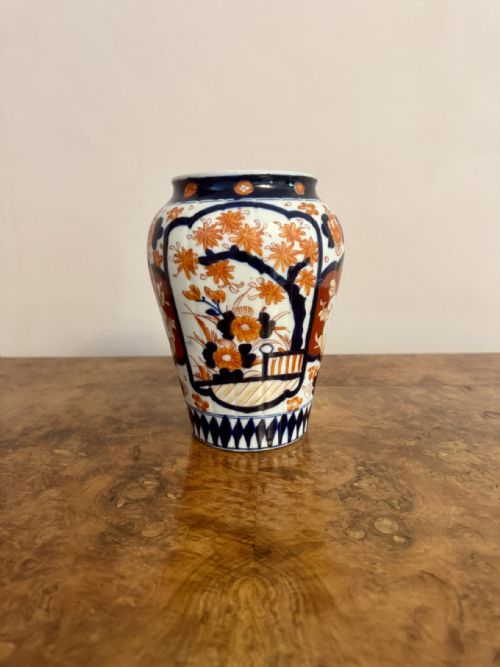
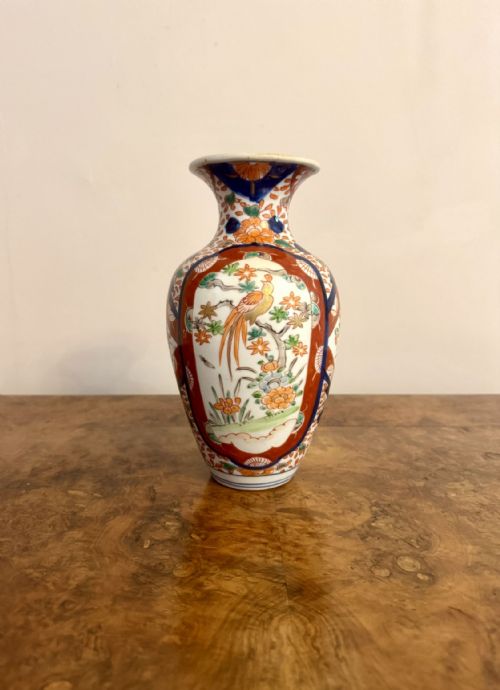
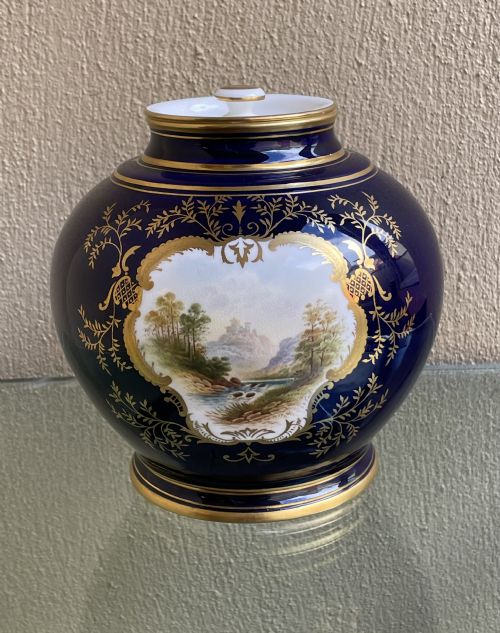
The versions most frequently met on this page include nineteenth-century Japanese Imari and Satsuma wares alongside Victorian and Edwardian English porcelain. Vases, lidded jars and garnitures dominate the selection, often pairing deep cobalt grounds with gilding or hand-painted scenes.
How they were made
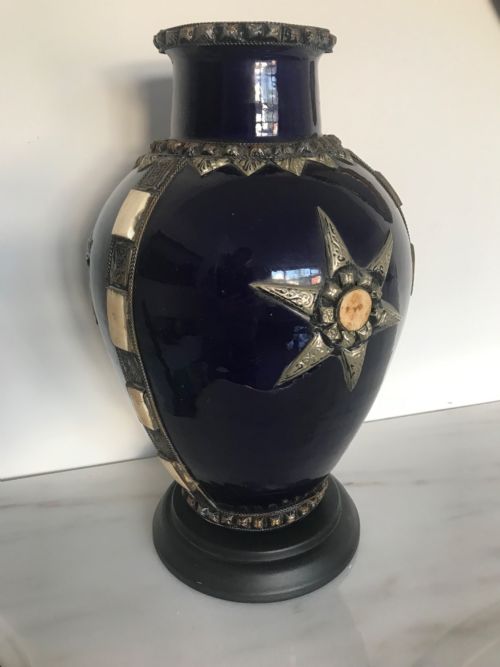
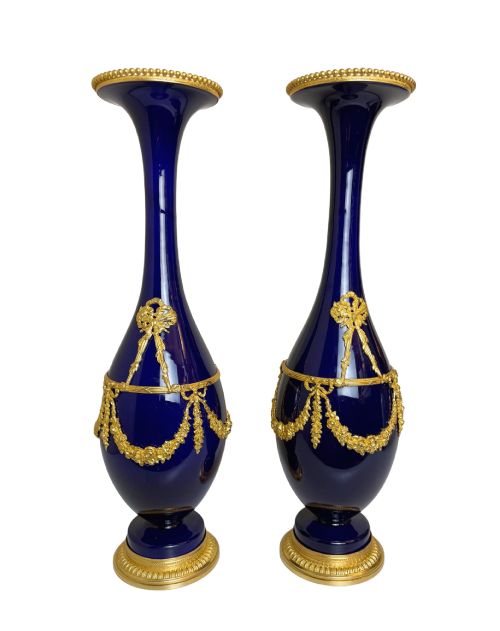
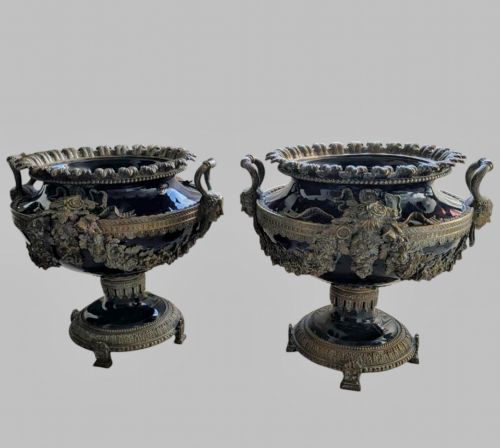
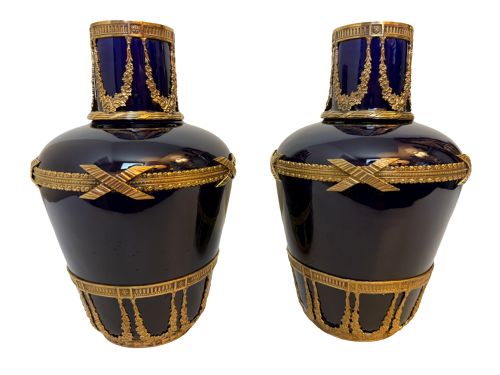
Potters shaped these vessels from fine porcelain, earthenware or terracotta before applying cobalt oxide pigments beneath or over the glaze to achieve the signature intense blue hue. Artisans frequently integrated metal mounts in ormolu, gilt bronze, brass or silver to frame the ceramic bodies.
Decoration often involved hand-painted enamel details, raised moriage work and applied gold leaf or gilt trim. Firing techniques required precise temperature control in kilns to fix the cobalt coloration and vitrify the ceramic body.
Listings feature periods from the eighteenth to the twentieth centuries, spanning Regency, Victorian, Edwardian, Meiji and Art Deco eras.
What varies in quality
The distinction between ordinary and exceptional pieces rests on the precision of the hand-painted brushwork and the depth of the cobalt glaze. Superior examples exhibit intricate detail in panel scenes, refined gilding and harmonious proportions between the vessel and any metal mounts.
Origin and maker attribution heavily influence standing within the range. Pieces bearing documented factory marks or attributed to celebrated decorator circles display superior potting finesse and decorative ambition compared to unmarked commercial wares.
Royal Crown Derby·Fourmaintraux-Courquin·Coalport·Chelsea Porcelain·Spode China·Carlton Ware·Royal Doulton·Kinkozan·Nanzan·Flight Barr and Barr·Samuel Alcock·Wedgwood·Doulton Lambeth
The Cobalt Blue Decorative Urn Glossary
- Imari
- A style of Japanese porcelain decorated in underglaze blue, iron red, gold and auxiliary colours. These wares were heavily exported to Europe and prized for their vibrant palettes.
- Satsuma
- A type of Japanese earthenware featuring a pale, ivory-coloured crackle glaze richly decorated with enamels and gilding. Pieces often depict figurative panels, landscapes and dense floral motifs.
- Ormolu
- Finely ground and melted gold applied to a bronze or brass base, commonly used for decorative mounts on nineteenth-century ceramic urns and vases. The technique adds architectural structure and formal polish to the piece.
- Moriage
- A Japanese ceramic technique where slip is piped onto the surface to create raised, beaded or textured ornamental patterns. This relief work frequently highlights floral or geometric designs in conjunction with gold leaf.
- Campagna
- A classical, bell-shaped urn design popularised in the eighteenth and nineteenth centuries, featuring a wide mouth and a stepped pedestal base. The form derives from ancient Roman archaeological finds.
Cobalt Blue Decorative Urn: Frequently Asked Questions
What is a cobalt blue decorative urn used for?
These vessels served primarily as interior ornament and focal points on mantelpieces, pedestals and side tables. They were designed to display floral arrangements, hold potpourri or simply stand alone as statements of taste and wealth.
Over the centuries, collectors placed them in formal reception rooms and parlours to introduce rich colour and classical or exotic motifs. Today, they function in much the same way, anchoring a room's decorative scheme with historic presence.
How can I tell Japanese Imari from Satsuma ware?
Imari ware is a hard-paste porcelain characterised by a resonant ring when tapped, featuring a palette dominated by cobalt blue and iron red with generous gilding. The designs are typically applied directly to the white porcelain body.
Satsuma ware is an earthenware ceramic featuring an opaque, cream-coloured glaze covered in a fine network of crackles. It usually carries heavier enamel work and raised relief details rather than the smooth, glazed porcelain finish of Imari.
What defines a garniture of vases?
A garniture consists of a matching set of three, four or five vessels designed to be displayed together as a unified decorative scheme on a mantelpiece or sideboard. These sets typically combine lidded jars with open vases of varying heights.
Originating in the seventeenth and eighteenth centuries with the influx of Asian porcelain to Europe, garnitures were adopted by domestic potteries. Maintaining a complete surviving set adds considerable historic interest to the collection.