


Cobalt Blue Ceramic Basin
A cobalt blue ceramic basin brings rich depth and historical pattern to a room, ranging from grand punch bowls to complete wash sets.
Cobalt Blue Ceramic Basin
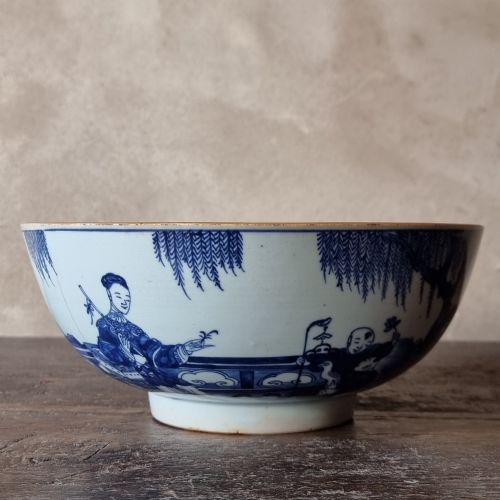
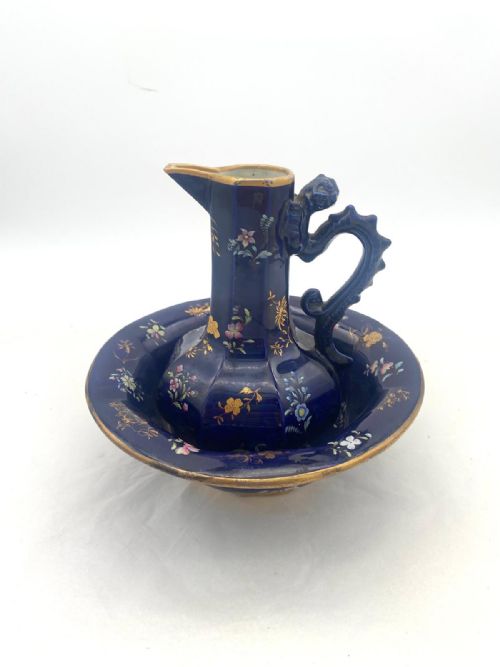
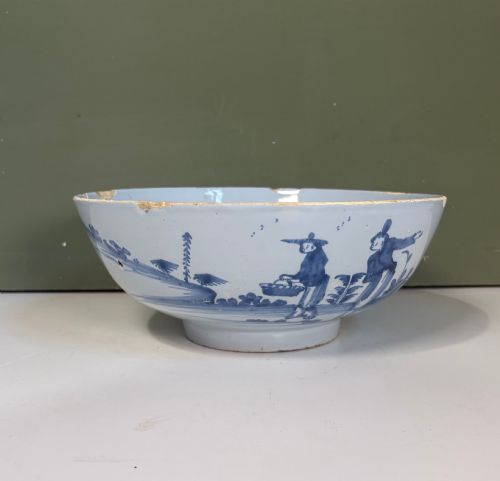
When you search for a cobalt blue ceramic basin, you encounter vessels created for display, personal washing, and formal dining across several centuries. The selection spans large punch bowls, jardinières, footbaths, and wash sets created in Britain, continental Europe, and East Asia.
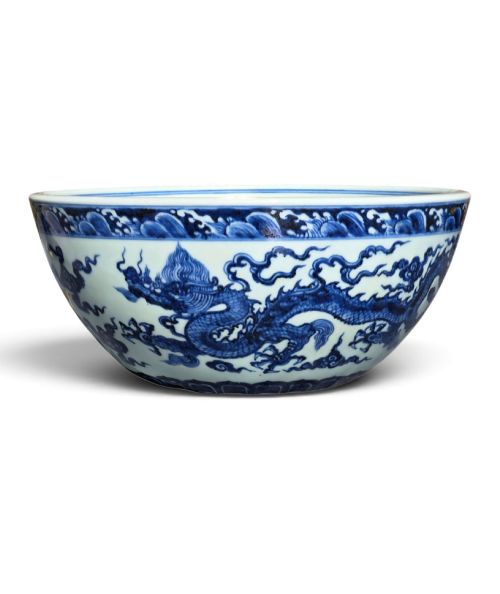
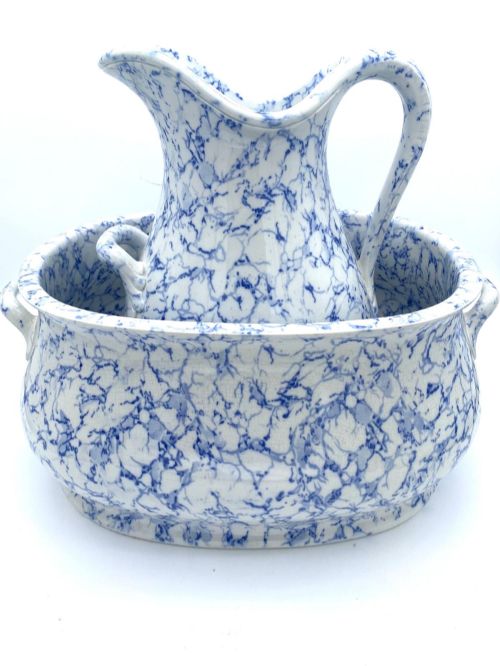
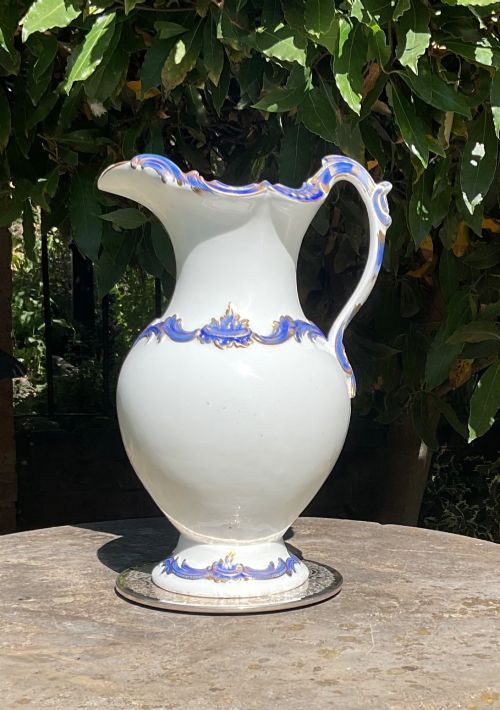
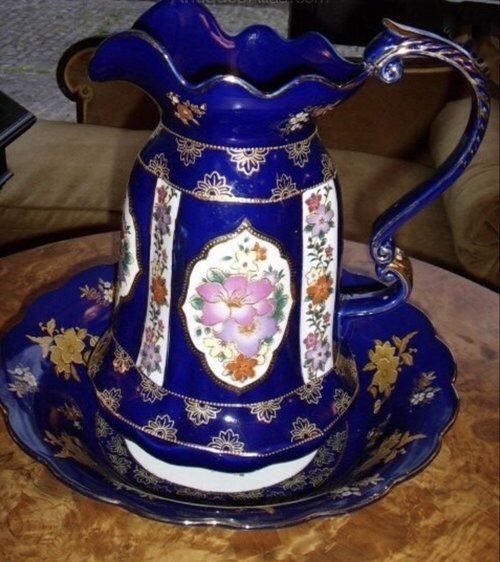
You meet pieces originating from the Ming and Qing dynasties alongside 18th-century Dutch Delft and Japanese Meiji period Imari wares. Victorian manufacturers like Minton, Mason's, and Doulton Burslem also adapted these deep blue traditions into domestic jug and basin sets.
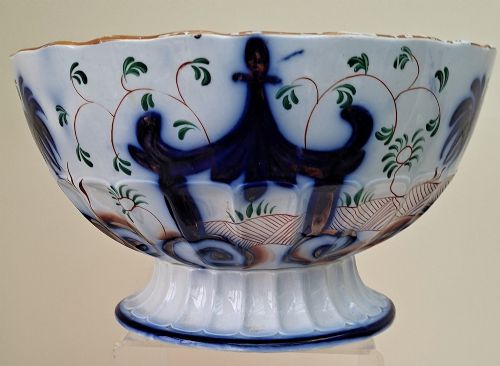
The assortment includes heavy ironstone, porcelain, and earthenware shaped into octagonal, scallop-edged, and hexagonal forms. These items served practical domestic functions or stood as decorative centerpieces in period interiors.
How they were made
Potters shaped these vessels from porcelain, earthenware, and ironstone before applying cobalt glaze or hand-painted motifs. Many examples incorporate intricate blue and white designs, sometimes heightened with enamel or gold leaf.
Kiln firing fixed the cobalt pigments beneath or atop the glaze, producing the deep blue tones characteristic of both Chinese export porcelain and Victorian transferware. Makers often finished select bowls and jardinières with gilt highlights or moulded borders.
The selection includes forms intended for varied domestic functions, ranging from shallow punch bowls to monumental jardinières and complete wash sets.
What varies in quality
The distinction between standard domestic production and superior output rests upon the crispness of the hand-painted or transfer-printed cobalt decoration and the refinement of the ceramic body. Early Chinese porcelain and fine Japanese Imari pieces demonstrate exceptional brushwork and precise potting.
Subtleties in glaze depth, the complexity of moulded shapes such as scallop edges or octagonal forms, and the presence of supplementary gold leaf or enamel details elevate certain wash sets and punch bowls above simpler utilitarian wares.
Minton·Doulton Burslem·Royal Crown Derby·Ridgway
The Cobalt Blue Ceramic Basin Glossary
- Cobalt glaze
- A metallic oxide pigment applied to ceramics that fires to a rich, permanent blue under high temperatures. It remains stable in the kiln, allowing for fine detail.
- Imari
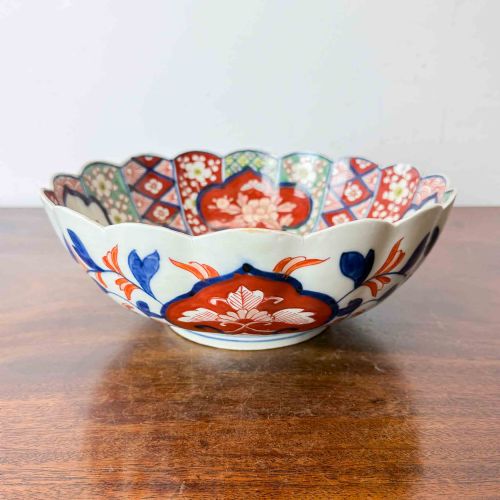
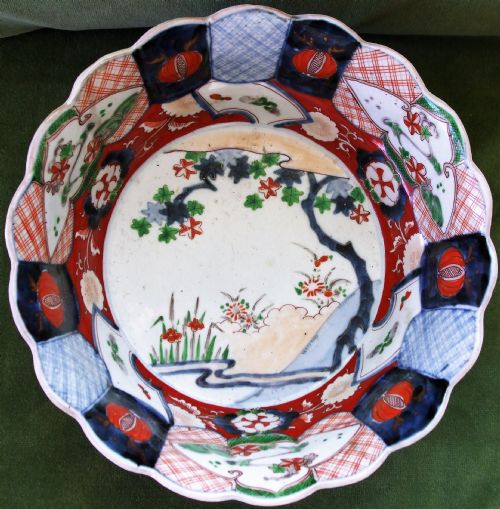
- A style of Japanese export porcelain featuring underglaze cobalt blue combined with iron red, gilt, and supplementary enamel colours. This decorative scheme originated in the Edo period.
- Jardiniere
- A large ceramic pot or basin designed to hold a live plant or floral arrangement. These vessels frequently feature heavy potting and decorative exterior motifs.
- Punch bowl
- A large, deep basin traditionally utilised for mixing and serving communal punch at formal gatherings. 18th-century examples often display expansive interior and exterior painted scenes.
- Transferware
- A pottery decoration technique where a design is engraved on a copper plate, inked with cobalt, and transferred to paper before being applied to the ceramic surface.
Cobalt Blue Ceramic Basin: Frequently Asked Questions
What were cobalt blue ceramic basins used for?
These vessels served diverse roles ranging from personal hygiene within Victorian wash sets to communal dining as punch bowls. Large jardinières and fish bowls were specifically intended for housing plants and aquatic displays in reception rooms.
Export wares from China and Japan were frequently acquired for display on sideboards or tables to demonstrate status and taste. Their robust ceramic bodies allowed them to transition easily between functional domestic tasks and purely decorative duties.
How do I distinguish 18th-century pieces from Victorian items?
Examination of the paste, glaze characteristics, and potting techniques helps separate earlier items from later Victorian reproductions or adaptations. 18th-century Chinese and Dutch pieces often exhibit distinct foot rims and hand-potted irregularities absent in mass-produced transferware.
Victorian makers such as Doulton Burslem and Mason's typically employed denser ironstone bodies and standardised mark systems. Familiarity with period-specific patterns, such as Chinoiserie motifs or flow blue printing, further clarifies the date of manufacture.
How should I display a large basin at home?
Large punch bowls and footbaths look striking positioned on low tables, sideboards, or central stands where their interior and exterior decoration remains visible. Jardinères and fish bowls naturally accommodate potted plants or dried arrangements in natural light.
Ensuring the supporting surface is stable and level protects heavy ceramic and porcelain bodies from accidental tipping. Placing felt pads beneath heavy footed bowls prevents scratching on polished wooden furniture.
What is Japanese Imari and how do I spot it?
Imari refers to Japanese porcelain exported through the port of Imari, characterised by a distinct palette of cobalt blue and iron red, frequently accented with gold leaf. The designs commonly incorporate complex floral and brocade patterns.
Authentic period examples, particularly from the Meiji era or earlier, display hand-painted depth within the blue underglaze and rich variations in the enamel layers. Scallop edges and panelled decorative compartments are frequent structural traits of these bowls.