


Imperial Chinese Ceramics
Imperial Chinese ceramics combine centuries of court patronage with masterful forms, offering collectors disciplined porcelain and carved jade from dynastic workshops.
Imperial Chinese Ceramics
When collecting imperial chinese ceramics, you encounter pieces that originated from court commissions and imperial workshops rather than domestic provincial kilns. The selection here spans multiple dynasties and centuries, predominantly featuring Qing Dynasty production alongside Ming Dynasty works and later imperial styles.
Forms on this page range from chargers and platters to cups, teaware, jars, and scholar’s objects such as brush washers and decorative carvings. Porcelain dominates the grouping, accompanied by cloisonne enamel, bronze, and celadon jade.
The most frequent pieces you will meet carry reign marks from emperors such as Qianlong and Guangxu, executed in cobalt underglaze, iron-red, doucai, and monochrome glazes. These works reflect strict aesthetic standards set by the imperial court across successive generations.
Materials and Technique
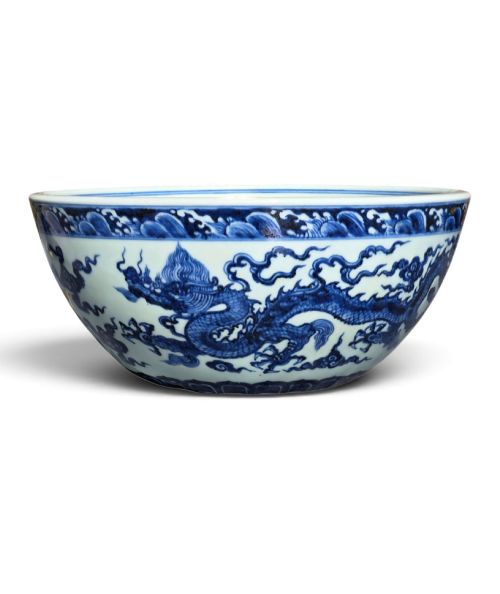
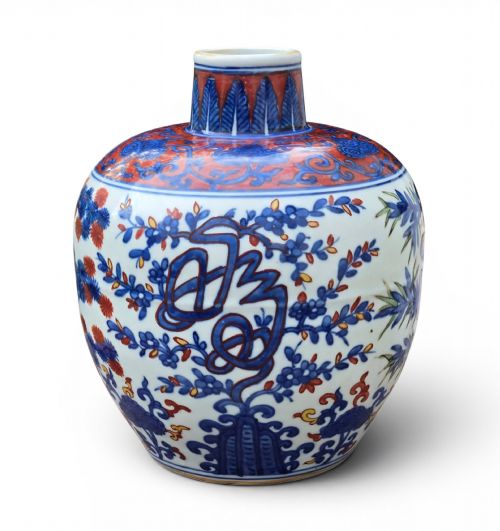
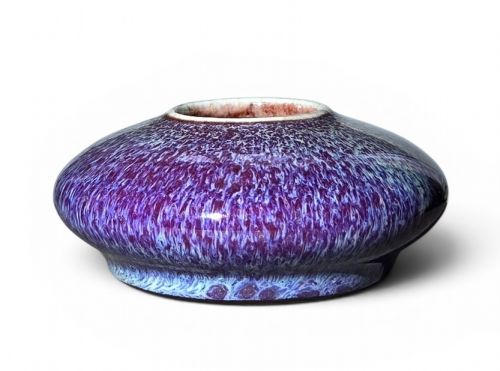
Porcelain serves as the primary medium, shaped into vessels and dishes and decorated with cobalt underglaze, enamels, and gold leaf. Kiln workers achieved complex colour effects, from flambé glazes to delicate aubergine and chocolate-brown Batavia glazes.
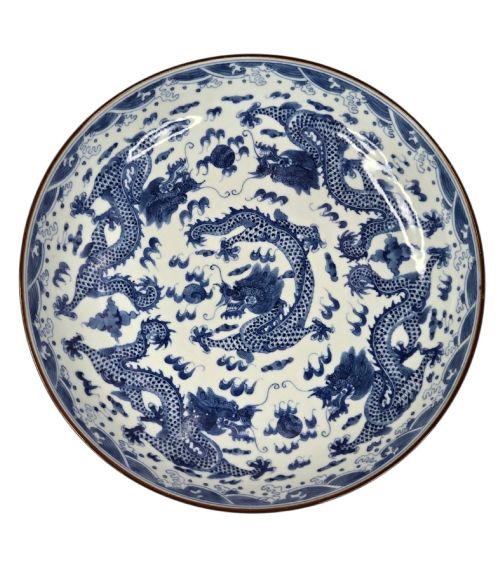
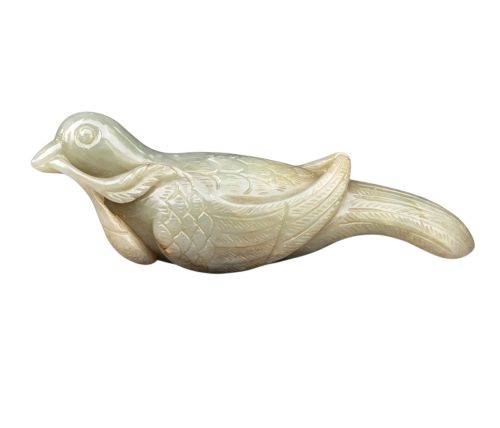
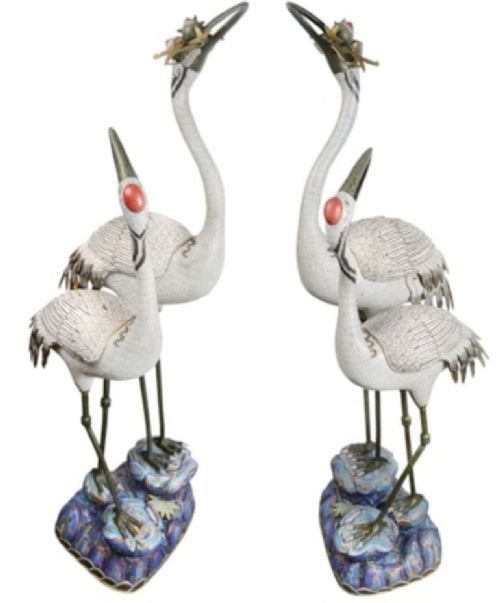
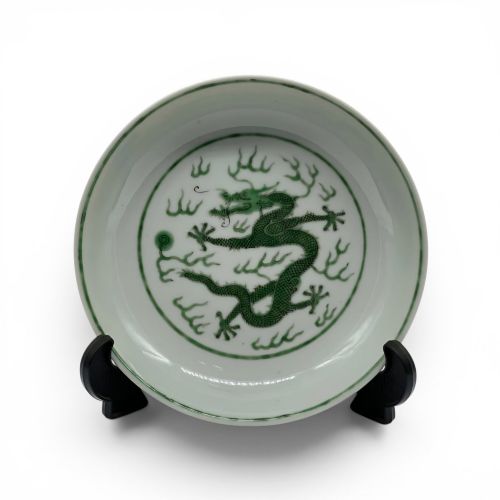
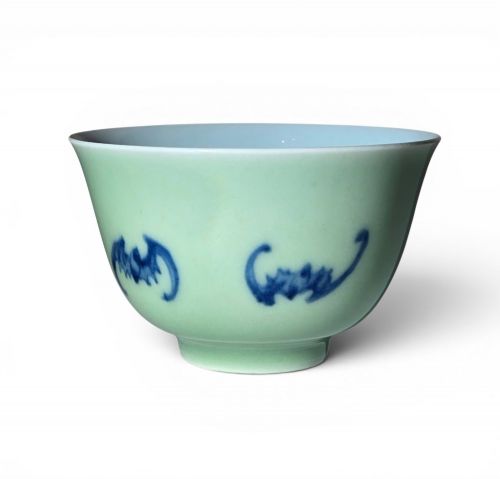
Carving and cloisonne techniques complement the ceramic works, utilising bronze frames filled with enamel or shaping solid celadon jade into figurative sculptures. Surface decoration often incorporates imperial symbols such as five-clawed dragons, bats, and longevity motifs applied with precise brushwork.
Certain water bird carvings and cloissone cranes bring an unexpected flock of avian companions straight into the scholar's study.
Evaluating Quality
Quality rests upon the crispness of the carving, the control of the kiln temperature during glazing, and the precision of the imperial mark. Finer examples display balanced proportions, deeply incised or meticulously painted dragons, and unblemished glaze surfaces.
The sophistication of the palette distinguishes the finest pieces, whether through the layered depth of underglaze blue, the controlled bleeding of a flambé glaze, or the refined translucency of the porcelain body.
The Imperial Chinese Ceramics Glossary
- Cobalt Underglaze
- A blue pigment applied to the clay body before glazing and firing at high temperatures. This technique creates durable designs that remain sharp beneath a transparent glaze.
- Celadon
- A pale green jade or a transparent green-glazed ceramic mimicking jade. The subtle hue results from iron oxide in the glaze reacting during reduction firing.
- Doucai
- A decorative technique combining underglaze blue outlines with overglaze enamel colours. Artisans fill in the painted blue outlines after the initial high-temperature firing and then fire a second time at a lower temperature.
- Flambé
- A streaked or mottled high-temperature glaze produced by controlled oxidation and reduction in the kiln. The resulting purple and red tones emerge unpredictably.
Imperial Chinese Ceramics: Frequently Asked Questions
What is an imperial reign mark?
An imperial reign mark is a six-character or four-character seal inscribed on the base or side of a piece, naming the emperor and dynasty under whose rule it was made. These marks indicate court connection.
Such marks help identify the intended period of manufacture, though later pieces sometimes reproduce earlier marks as a tribute to historical imperial standards.
How do I care for antique porcelain?
Antique porcelain requires gentle handling away from direct sunlight and temperature fluctuations that might stress the glaze or body. Dusting with a soft, dry cloth is usually sufficient.
Avoid using chemical cleaning agents or submerging pieces with gilt or delicate overglaze enamels in water, as these surface elements remain vulnerable to abrasion.
What does a five-clawed dragon signify?
The five-clawed dragon was a traditional symbol of the Chinese emperor, restricted for use on imperial wares and court textiles. Four-clawed dragons were permitted for lesser nobility.
Finding a five-clawed dragon on a dish or vase indicates direct association with imperial patronage and court workshops.
How are different dynasties distinguished?
Dynasties are identified through a combination of potting style, glaze chemistry, decorative motifs, and reign marks. Ming pieces often display robust forms and vibrant underglaze blue, while Qing wares show refined enamel palettes and meticulous control.
Comparing the baseline clay, weight, and painting style against documented pieces helps establish the correct period.