



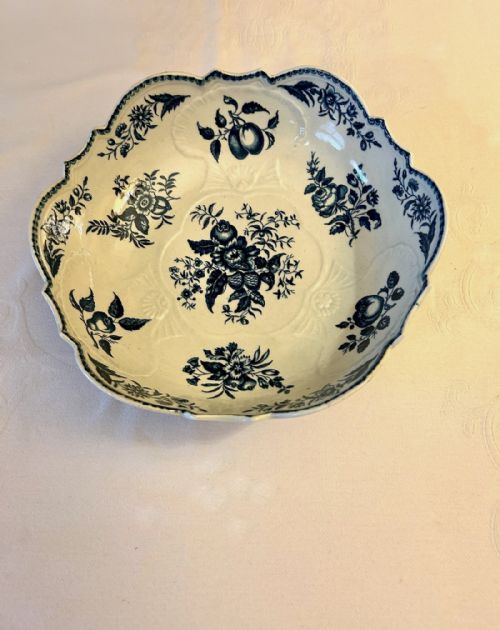


Blue White Porcelain Basin
A blue white porcelain basin offers crisp contrast and durable utility, spanning centuries of Asian and European ceramic traditions.
Blue White Porcelain Basin
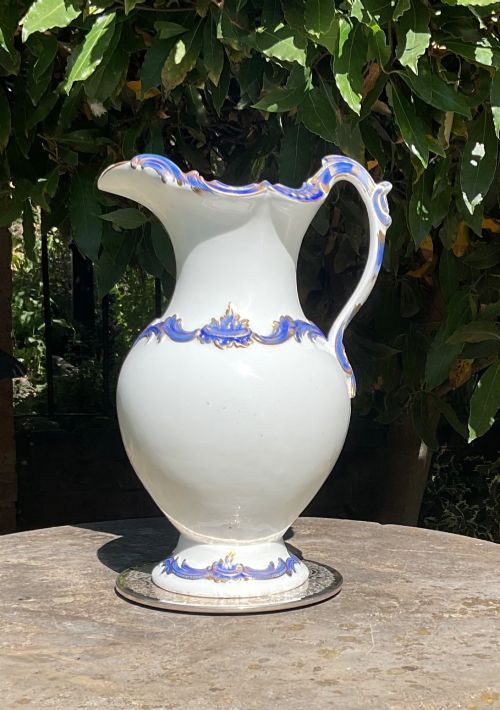
A blue white porcelain basin encompasses deep punch bowls, footbaths, and washstand sets spanning from the Ming dynasty to the Edwardian period.
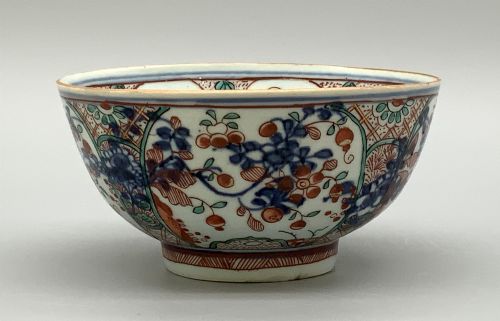
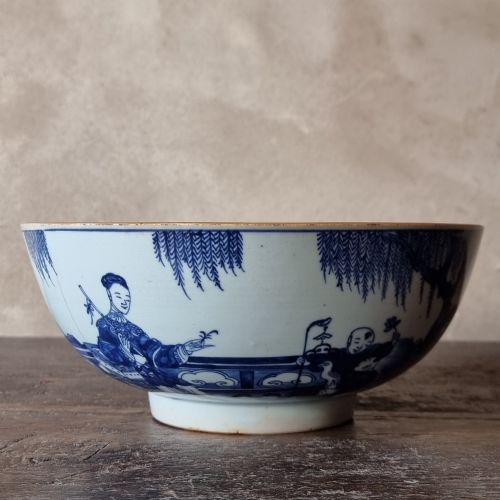
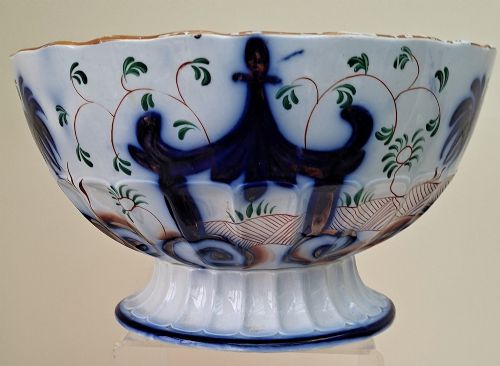
The selections here range from eighteenth-century Chinese export and Japanese Arita wares to nineteenth-century English earthenware and Victorian bathroom sets.
Buyers will encounter large jardinieres and footed bowls alongside domestic jugs and pitchers decorated in cobalt glaze.
Materials and construction methods
Potters shaped ceramic and porcelain bodies before applying cobalt glaze to achieve the characteristic blue decoration beneath a clear glossy finish.
Certain English and European pieces incorporate enamel highlights and gilt or gold leaf detailing over the fired glaze.
Many items utilise traditional hand-painted techniques, while others employ transfer printing methods developed during the Georgian and Victorian eras.
Listings include porcelain, earthenware, and ceramic bodies decorated with cobalt glaze and gold leaf across multiple centuries.
Assessing craftsmanship and finish
Quality rests in the precision of the cobalt painting, the clarity of the white glaze background, and the structural integrity of large forms like footbaths and jardinieres.
Early Asian pieces demonstrate accomplished brushwork on refined porcelain, whereas later British earthenwares rely on crisp transfer-printed detail.
The weight of the ceramic body and the uniformity of the high-temperature firing distinguish superior examples from standard domestic wares.
Doulton Burslem·Ridgway·Heathcote·Samson
The Blue White Porcelain Basin Glossary
- Cobalt glaze
- A metallic oxide pigment applied under the glaze to produce deep blue decoration that withstands high kiln temperatures.
- Jardiniere
- A decorative ceramic pot or basin designed to hold growing plants or flowers.
- Footbath
- A large deep vessel intended for washing feet or cooling bottles, often found in nineteenth-century ceramic listings.
- Imari
- A style of Japanese export porcelain characterised by underglaze blue and contrasting iron red and gold enamel accents.
- Transfer printing
- A mechanical method of applying complex decorative patterns to ceramics using a paper template from an engraved copper plate.
Blue White Porcelain Basin: Frequently Asked Questions
How do I clean an antique basin?
Wash ceramic vessels gently using warm water and mild soap, avoiding abrasive pads that might scratch the glaze.
Dry thoroughly with a soft cloth to protect any delicate enamel or gilt detailing on the surface.
Can these basins hold water safely?
Most porcelain and glazed ceramic pieces remain fully watertight after centuries, making them practical for modern floral arrangements.
Inspect older earthenware bodies for hairline cracks that might weep moisture before filling them completely.
Where were these pieces produced?
The selections originate from diverse kilns across China, Japan, and English potteries operating during the Georgian and Victorian periods.
Each region employed distinct clay bodies and regional painting styles that identify their geographical origin.
How do I date a blue and white basin?
Examine the base for potter marks, reign characters, or factory stamps that correlate with recorded production periods.
The weight, thickness of the ceramic wall, and hue of the cobalt blue also indicate the century of manufacture.